What Is the Average Utility Bill for a Home in the UK?
Moving to the UK, you quickly realise that beyond the initial excitement of a new life, there's a tangled web of practicalities to unpick. One of the biggest headaches, and often a nasty surprise for newcomers, is grappling with utility bills. It's not just about electricity; you've got gas, water, broadband, and then the TV Licence to consider. This guide aims to demystify what an average utility bill looks like for a home in the UK, helping you budget and settle in without too many financial shocks.
Understanding the UK's Utility Landscape and Your Bills
Ah, the joys of British utility bills! They can feel like a labyrinth, especially when you're used to a different system. Unlike some countries where everything might be bundled or calculated differently, in the UK, you'll typically have separate bills for your core services: electricity, gas, water, and broadband. Then there's the TV Licence, which is essentially a legal requirement if you watch live TV or BBC iPlayer. It's a lot to keep track of, and each bill comes with its own quirks and payment schedules.
The Different Components of Your Monthly Outgoings
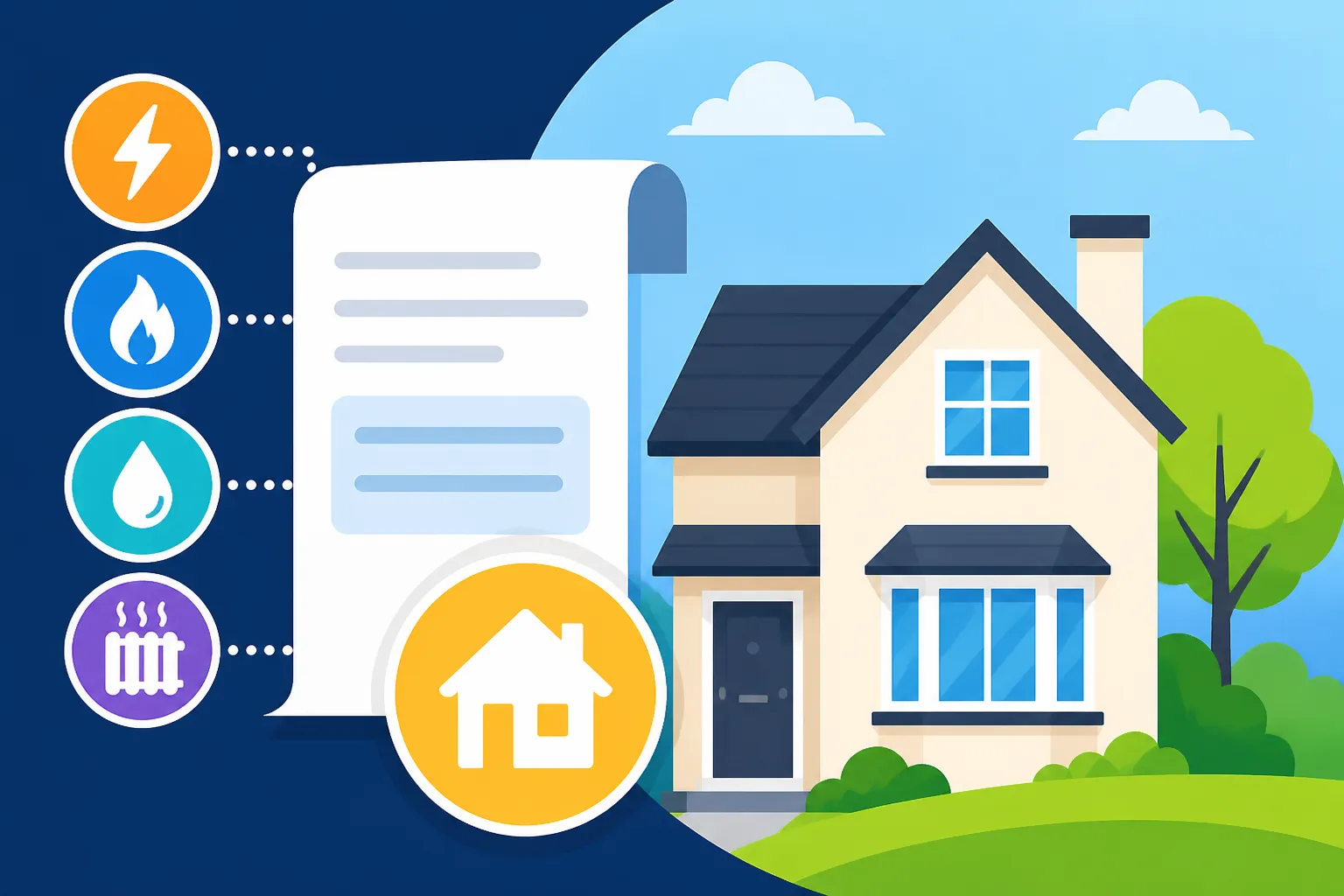
When we talk about "utility bills," it's not a single lump sum. Think of it as a collection of essential services, each with its own provider and cost structure. You'll likely be dealing with:
- Electricity: Powering your lights, appliances, and electronics. This is usually charged per kilowatt-hour (kWh) of usage, plus a standing charge.
- Gas: Primarily for heating your home and hot water, and often for cooking. Like electricity, it's charged per kWh, plus a standing charge.
- Water: Covering both your fresh water supply and waste water removal. This can be metered (you pay for what you use) or unmetered (a fixed charge based on your property's value or number of bedrooms).
- Broadband/Internet: Essential for pretty much everything these days, from work to entertainment. This is usually a fixed monthly subscription.
- TV Licence: A legal requirement, as I mentioned, if you consume certain types of content.
- Council Tax: While not strictly a utility, it's a mandatory local government charge based on your property's value, and it’s a significant monthly expense that often gets grouped into "bills" in an expat's mind. For a deeper dive, check out our guide on Understanding Council Tax and Bands for Residents in the UK.
It's crucial to understand these distinctions because you'll sign up for each service individually, or in some cases, a single provider might offer a dual-fuel (gas and electricity) package.
How Payments are Typically Structured
Most utility companies in the UK prefer direct debits. This is where you authorise the company to take a fixed amount from your bank account each month. For gas and electricity, this monthly amount is often estimated based on previous usage at your property, or an estimate you provide. They’ll usually do an annual reconciliation, either refunding you if you’ve overpaid or asking for a top-up if you’ve underpaid. It can feel a bit like guessing games sometimes!
Water bills might be quarterly or monthly, depending on the provider and whether you're metered or unmetered. Broadband and TV Licence are almost always fixed monthly direct debits. Setting up these payments and keeping track of them can be a challenge when you're first arriving. Having a UK bank account sorted quickly is paramount, as many providers won't accept international payments easily. Our guide on The Expat Guide to Opening a Bank Account in the UK can certainly help with that.
Average Costs for Key Utilities: A Breakdown
Let's get down to the brass tacks: what kind of numbers are we actually talking about? It's important to remember that these are averages, and your personal costs will vary based on your home size, how many people live there, your consumption habits, and the energy efficiency of your property. However, having a baseline is invaluable for budgeting.
Electricity and Gas: The Big Two
Energy bills are often the largest chunk of your utility expenses. The UK operates under an energy price cap, which limits the amount suppliers can charge per unit of gas and electricity, as well as the standing charge. This cap is reviewed quarterly. As of early 2024, the average household on a standard variable tariff paying by direct debit typically sees these costs:
- Electricity: Expect to pay around £60-£90 per month for an average household. This varies significantly with usage. A small flat with one person might be closer to £40-£50, while a larger family home could easily hit £100+.
- Gas: For heating and hot water, average gas bills typically range from £70-£120 per month, again, heavily dependent on the size of your home and how warm you like it. If you’re in an older, less insulated property, you might find yourself closer to the higher end, especially in winter.
When you're settling in, remember that older British homes, especially those lovely Victorian terraces, can be notorious for letting heat escape! Investing in draught excluders and understanding how to effectively use your heating system (thermostat, timers) can make a real difference. For more tips, read our article on Understanding How to Heat Your Home Affordably in the UK.
Water Bills
Water bills are a bit of a different beast. Roughly half of UK homes are on a water meter, and the other half pay a fixed annual charge.
- Metered properties: You pay for what you use. The average metered bill is usually around £30-£40 per month, but this depends on how many showers you take, how often you run the washing machine, and whether you enjoy gardening.
- Unmetered properties: Your bill is based on a "rateable value" of your property from decades ago, or sometimes a fixed charge based on the number of bedrooms. The average here tends to be slightly higher, often £35-£50 per month, as there's no incentive to conserve water.
If you move into an unmetered property, it's worth checking if you can get a water meter installed. Sometimes it can save you money, especially if you live alone or have low water usage. It's usually free to have one installed, and if you don't save money within a year, you can switch back to unmetered in most cases.
Broadband and TV Licence
These are generally more predictable fixed costs:
- Broadband: The cost varies widely based on speed and provider. A decent fibre optic connection will typically set you back anywhere from £25-£40 per month. Faster speeds or premium packages will push this higher. Companies like BT, Virgin Media, Sky, and TalkTalk are common providers, but smaller, independent fibre networks are popping up too.
- TV Licence: This is a fixed annual fee, currently around £169.50 per year, which works out to about £14.13 per month. You need one if you watch or record live TV (on any channel or device), or if you use BBC iPlayer to watch any content, live or on-demand.
Here's a quick summary table of average monthly utility costs:
| Utility Type | Average Monthly Cost (Estimated) | Notes |
|---|---|---|
| Electricity | £60 – £90 | Varies by usage, household size, and energy efficiency. Subject to energy price cap. |
| Gas | £70 – £120 | Heavily influenced by heating needs, insulation, and household size. Subject to energy price cap. |
| Water (Metered) | £30 – £40 | Pay for what you use. Can be lower for single residents, higher for families. |
| Water (Unmetered) | £35 – £50 | Fixed charge based on property details. |
| Broadband/Internet | £25 – £40+ | Depends on speed, provider, and package. Fibre optic is common. |
| TV Licence | £14.13 | Mandatory if watching live TV or BBC iPlayer. Fixed annual fee. |
| Total (Low) | £224.13 | (Assuming metered water, average broadband, smaller household, conservative usage) |
| Total (High) | £354.13 | (Assuming unmetered water, premium broadband, larger household, higher usage) |
Note: These figures are averages and can fluctuate with market conditions, energy price cap changes, and individual usage.
Factors Influencing Your Utility Bills
It's easy to look at the averages and feel a pang of dread, or perhaps relief. But these numbers are just a starting point. Your actual bills will dance to the tune of several key factors. Understanding these can help you manage your expectations and, more importantly, your budget.
Property Type and Size
Let's be real: a sprawling, draughty Victorian house is going to cost you a small fortune to heat compared to a modern, well-insulated one-bedroom flat. The size and age of your property play a huge role. Older homes often have less insulation, single-glazed windows, and can be energy hogs. Newer builds tend to be much more energy efficient, benefitting from modern building regulations designed to reduce carbon footprints and energy consumption. So, when you're house hunting, don't just look at the rent; consider the EPC (Energy Performance Certificate) rating – it's a legal requirement for landlords to provide one, and it gives you a good indication of potential energy costs.
The number of bedrooms and bathrooms also correlates with usage. More rooms mean more space to heat, more lights to turn on, and potentially more hot water usage. A single person in a studio flat will naturally have lower bills than a family of four in a semi-detached house.
Household Size and Habits
This one seems obvious, but it's often overlooked in the budgeting process. More people in the house generally mean more:
- Showers/Baths: Leading to higher hot water usage (gas/electricity for heating water).
- Appliance Use: More washing machine loads, more dishwasher cycles, more phones and laptops charging.
- Lights: More rooms being used, more lights left on.
- Heating Preferences: One person might be happy with a jumper indoors, another needs the heating on constantly. These differences can quickly add up!
Your habits are crucial. Are you diligent about turning off lights and appliances? Do you take long, hot showers? Do you leave the heating on all day, or do you use a timer? Small changes in daily habits can lead to noticeable differences in your monthly outgoings.
Energy Efficiency and Insulation
This goes hand-in-hand with property type. A well-insulated home, with double or triple-glazed windows, loft insulation, and cavity wall insulation, will retain heat far better than one without. This directly translates to needing less gas or electricity to keep warm. Unfortunately, as a renter, you might not have much control over major insulation upgrades, but it's definitely something to inquire about when viewing properties.
Even smaller things like sealing draughts around doors and windows (a quick DIY job!) can make a difference. The EPC rating mentioned earlier is your best friend here. An 'A' or 'B' rating means lower potential bills, while 'F' or 'G' signals a potential money pit for energy.
Provider and Tariff Choices
This is where you do have significant control. The UK energy market, while currently under the price cap, still offers different tariffs and providers. Historically, switching providers regularly was a great way to save money, though options are more limited under the current energy climate. Still, it's worth checking what's available.
- Fixed Tariffs: Lock in a unit rate and standing charge for a set period (e.g., 12 or 24 months). This provides price stability but means you don't benefit if prices drop.
- Standard Variable Tariffs (SVT): These rates can change, usually in line with the energy price cap. Most people are currently on SVTs.
- Green Tariffs: Some providers offer tariffs backed by renewable energy sources, often at a slightly higher premium.
For broadband, comparing providers like BT, Virgin Media, Sky, TalkTalk, EE, or smaller fibre companies like Hyperoptic or Community Fibre is essential. Don't just go with the first option! Look at speed, contract length, and customer service reviews. Sometimes, bundling broadband with TV packages can offer discounts, but only if you genuinely need the TV package. Our guide on How to Choose a Mobile and Broadband Provider in the UK can give you a lot more detail on this.
Strategies for Reducing Your Utility Costs
No expat wants to spend more than they have to, especially on something as mundane as bills. The good news is there are several proactive steps you can take to keep those numbers down. It requires a bit of effort, but the savings are usually worth it.
Comparing Providers and Switching
While the energy market has been turbulent, it's always worth checking comparison websites like Uswitch or MoneySuperMarket. They allow you to input your usage details and compare what different gas and electricity suppliers offer. You might find a better deal or a better fit for your consumption patterns. Don't be afraid to switch once your contract is up or if a better deal emerges. The process is generally quite smooth, handled mostly by the new provider.
For broadband, comparing providers is even more straightforward. Look for introductory offers, check contract lengths (12 or 24 months are common), and assess the download/upload speeds you genuinely need. Don't pay for super-fast fibre if you only browse the web! Also, consider if you need a landline; many broadband packages include one, but you can sometimes get cheaper "broadband-only" deals if you don't.
Energy-Saving Habits
This is a big one. Small behavioural changes add up.
- Turn down the thermostat: Even reducing your heating by 1 degree Celsius can cut your bill by a noticeable amount. Invest in some good slippers and a cosy jumper!
- Limit shower times: Hot water is expensive. A timer in the shower can be a real eye-opener.
- Unplug electronics: "Vampire drain" from devices on standby can quietly eat into your electricity bill. Get into the habit of switching things off at the wall when not in use.
- Use energy-efficient appliances: If you're buying appliances, look for high energy efficiency ratings (A+++ is best).
- Wash clothes efficiently: Full loads, lower temperatures.
- Draught-proof: Simple solutions like draught excluders for doors and windows, or even heavy curtains, can make a significant difference, especially in older homes.
- Turn off lights: Obvious, but easily forgotten. Switch to LED bulbs if you can – they're far more efficient.
These aren't just eco-friendly tips; they're wallet-friendly strategies that empower you to take control of your consumption.
Applying for Discounts or Support Schemes
The UK government and energy companies sometimes offer support for vulnerable households or those struggling with bills. These can include:
- Warm Home Discount Scheme: A one-off discount on your electricity bill, usually for those on certain benefits or in low-income households.
- Winter Fuel Payment: For people born on or before a certain date, to help with heating costs.
- Cold Weather Payment: Triggered when the average temperature in your area is recorded as, or forecast to be, zero degrees Celsius or below over 7 consecutive days.
- Energy company hardship funds: Many major energy providers have funds to help customers who are genuinely struggling to pay their bills. It's always worth contacting your provider directly if you find yourself in a difficult situation.
It's important to check eligibility criteria for these schemes, as they're usually quite specific and geared towards supporting residents.
Setting Up Utilities as an Expat
The initial hurdle of getting all your utilities up and running can be one of the most stressful parts of moving to the UK. It feels like you're constantly being asked for a "proof of address" before you can even get proof of address! But with a bit of foresight and understanding, it's manageable. Our guide on The Expat Guide to Setting Up Utilities (Energy, Water, Broadband) in the UK walks you through the entire process.
The Challenge of Proof of Address
This is a universal expat frustration, isn't it? You need a bank account for utilities, but you need a utility bill for a bank account. It's the classic chicken-and-egg situation. The trick is to tackle things in a strategic order. Often, getting a mobile phone contract (or even just a pay-as-you-go SIM from providers like Vodafone, Three, or O2, if you arrive with your own device, perhaps even pre-purchasing an eSIM from a service like Airalo for instant connectivity) can be one of the first things you can sort. Some banks might accept this, or your employment contract, as initial proof.
Once you have your tenancy agreement, that's usually your golden ticket. You'll use it to register with your local council for Council Tax, and then that Council Tax bill (once it arrives) becomes a widely accepted form of proof for other services, including opening a proper bank account.
Step-by-Step for Energy, Water, and Broadband
- Identify Current Providers: When you move into a rented property, find out who the current gas, electricity, and water suppliers are. Your landlord or letting agent should provide this information.
- Take Meter Readings: On your move-in day, take photos of your gas and electricity meters. Send these readings to the current suppliers so you're only billed for your usage.
- Set Up Accounts: Contact the existing suppliers to set up new accounts in your name. You can then compare tariffs and decide if you want to switch. For your first few weeks, it might be easier to stick with the existing providers to avoid delays. For gas and electricity, check out suppliers like British Gas, EDF Energy, E.ON, ScottishPower, or Octopus Energy.
- Water: Your water provider is determined by your geographical location and you can't usually switch. Find out who it is (e.g., Thames Water in London, Severn Trent Water in the Midlands) and set up an account.
- Broadband: Shop around for the best broadband deal. This can take a week or two to install, so do it early. Many expats find that Airalo for mobile data is a lifesaver in those initial weeks while waiting for home broadband installation.
- TV Licence: If you watch live TV or BBC iPlayer, purchase your TV Licence online.
Remember, patience is key. Things sometimes take a little longer than you'd expect. If you're moving a lot of your belongings internationally, companies like Sirelo can help with the logistics, but remember to factor in the time it takes to get things like bank accounts and utility services set up when planning your arrival. You don't want to be sitting in a cold, dark flat with no internet!
Final Thoughts on Managing UK Utility Bills
Navigating utility bills in the UK as an expat can definitely feel like a steep learning curve. There's the jargon, the multiple providers, the varying payment schedules, and the ever-present challenge of proof of address. But by understanding the average costs, identifying the factors that influence your spending, and adopting smart strategies, you can take control.
Don't be afraid to ask your landlord or letting agent for help with initial setup, and make sure you keep a record of all your account numbers and meter readings. The UK has a robust system, but it demands a bit of proactivity from you. Once you get the hang of it, it becomes just another part of your expat life. Stay warm, stay connected, and enjoy your new home!
Disclaimer
Please remember that the information provided in this guide is for general informational purposes only and does not constitute financial, legal, or professional advice. Utility costs are averages and can change frequently due to market fluctuations, regulatory changes, and individual circumstances. It is always recommended to check current prices with providers and government resources for the most up-to-date and accurate information. Seek independent professional advice where necessary.