How Do I Get an MOT for My Car in the UK?
Ah, the MOT! If you’ve just moved to the UK and are bringing your own car or buying one here, you’ll quickly realise that keeping a vehicle on the road involves navigating a whole new set of rules and regulations. One of the most important – and often confusing – is the annual MOT test. This guide is going to walk you through everything you need to know about getting an MOT for your car in the UK, making sure you understand the process and can keep your vehicle legal and safe without unnecessary stress.
What Exactly is an MOT? The UK's Vehicle Health Check
Moving to a new country like the UK, you expect differences in driving on the other side of the road, but often the bureaucratic hurdles around car ownership are the ones that catch you off guard. The MOT, or Ministry of Transport test, is one such hurdle. It’s not just a suggestion; it’s a legal requirement for most vehicles over a certain age in Great Britain to ensure they meet minimum road safety and environmental standards. Think of it as an annual physical for your car, but with the government looking over the doctor's shoulder.
Why the UK Has MOTs: Safety and Environmental Standards
The primary reason the UK government mandates the MOT is public safety. Roads here can be busy, and ensuring every vehicle is up to scratch helps prevent accidents caused by mechanical failures. It’s a peace of mind thing, really, knowing that the car next to you on the motorway has at least been checked for major faults recently. Beyond safety, there's a strong environmental aspect. Emissions standards are checked rigorously during an MOT, contributing to cleaner air in our cities and across the country. As an expat, you might find this level of regulation a bit much at first, especially if your home country had less stringent requirements. But once you get used to it, you appreciate the underlying rationale: keeping everyone safe and the environment a little bit cleaner. It’s part of the general commitment to public welfare you see across many aspects of life here.
What an MOT Actually Checks and Doesn't Check
It’s crucial to understand that an MOT isn't a full service; it's a specific inspection. It looks at the fundamental components that make a car safe and roadworthy. This includes things like brakes, steering, tyres, lights, seatbelts, windscreen wipers, and the exhaust system. The examiner will also check the vehicle's structure for rust or damage in critical areas. If you’re preparing for your test, you’ll want to make sure your car tax, MOT and insurance in the UK are all in order.
However, an MOT doesn't check the engine, clutch, or gearbox for mechanical reliability or wear and tear, nor does it guarantee the condition of the car for the entire year. It’s a snapshot in time. So, while it’s a good indicator of safety, it doesn’t negate the need for regular servicing and maintenance. Many an expat has been caught out, thinking a fresh MOT means the car is perfect, only for an unexpected issue to crop up a few months later. Keep up with your service schedule!
Eligibility and Timing: When Do You Need One?
Knowing what an MOT is only half the battle; knowing when your car needs one is the other, equally important part. Missing an MOT can lead to fines, invalidate your insurance, and generally put you in a world of legal bother – trust me, you don't want to explain that to a UK police officer after just getting settled here. Getting your UK driving licence sorted feels like a big enough hurdle without adding this.
The "Three-Year Rule" for New Vehicles
For brand new cars, you get a bit of a grace period. Your vehicle won't need its first MOT until it’s three years old. This applies to cars, vans, motorcycles, and other light vehicles. So, if you bought a shiny new car the day you arrived in the UK, you’ve got a good three years before you need to worry about this particular test. This also applies if you’ve gone through the process of buying a car as a newcomer in the UK, provided the car itself is brand new. After that initial three-year mark, it’s an annual affair.
Continuous Requirement for Older Cars
Once your car hits that three-year milestone, the MOT becomes an annual commitment. This means every 12 months, your vehicle will need to pass the test to remain legal on UK roads. It’s a continuous requirement, and driving without a valid MOT certificate is illegal, unless you're driving to a pre-booked MOT test or to get repairs done before a retest. The system is designed to keep older vehicles regularly checked, as wear and tear naturally increases with age and mileage. It’s a reality that can hit you hard if you've brought a cherished older vehicle from abroad, only to find the UK's rust-inducing climate and stringent regulations mean more frequent garage visits.
Understanding the MOT Due Date and Early Tests
Your current MOT certificate will clearly state the expiry date. You can get an MOT up to a month (minus a day) before your current one expires and keep the same renewal date. For example, if your MOT expires on 15th July, you can get it done any time after 16th June, and the new certificate will still run until 15th July the following year. This is a handy little trick to extend your current MOT slightly and gives you a buffer. If you get it done earlier than that one-month window, your new certificate will simply run for 12 months from the date of the test.
It’s always a good idea to book your MOT a few weeks in advance, just in case your car fails and you need time for repairs. Many expats end up scrambling at the last minute, only to face higher repair costs due to urgency or being without a car for a few days. Don't let that be you! Use your phone to set a reminder a month or two out. You’ll need a UK mobile number, of course; if you're new to the country, services like Airalo can be a lifesaver for getting an eSIM quickly so you can make those crucial calls.
Finding an Approved MOT Centre: Where to Go?
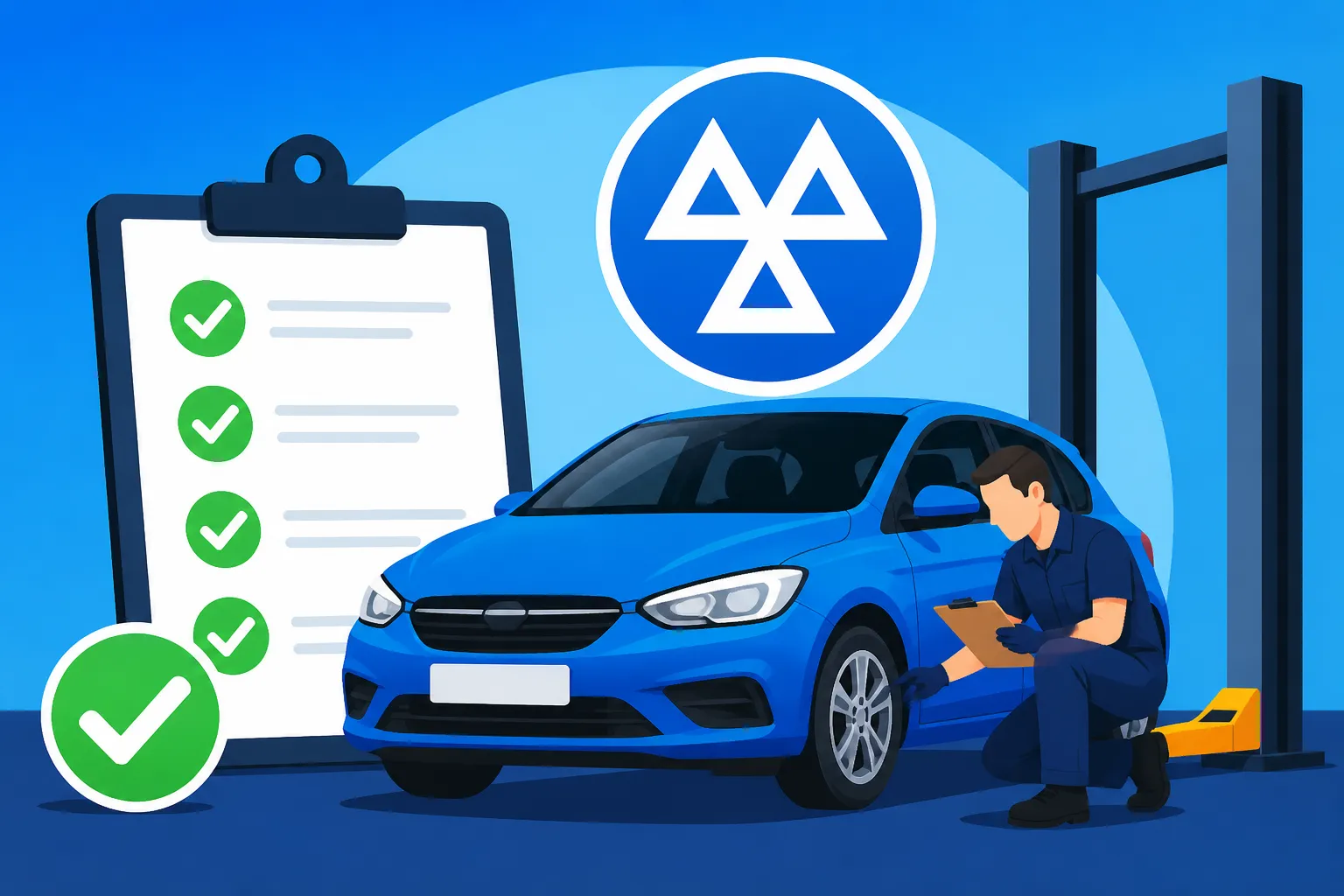
When it's time for your car's annual check-up, you can't just take it to any old garage. The MOT test has to be carried out by an authorised test centre, which you can easily identify by the blue sign displaying three white triangles. Navigating this can feel a bit like finding a needle in a haystack when you’re new to a neighbourhood, but thankfully, there are official tools to help.
Using the Official UK Government Tool
The most reliable way to find an approved MOT test centre is to use the official UK government website. Just head to GOV.UK and search for "find MOT test centre". You'll be able to enter your postcode, and it will show you a list of nearby approved centres. This tool is invaluable, especially when you’re in a new area and don’t know any local garages by reputation. It ensures you’re going to a legitimate centre licensed by the Driver and Vehicle Standards Agency (DVSA). It’s a straightforward process, but if you’re still getting used to British postcodes and navigating new websites, it’s always good to have a mobile connection to double-check addresses – another instance where a reliable data plan from a provider like Airalo proves incredibly useful.
Choosing a Reputable Local Garage
While the official tool tells you where approved centres are, it doesn't tell you which ones are good. This is where local knowledge, word-of-mouth, and online reviews come into play. Ask colleagues, neighbours, or expat groups for recommendations. Look for garages with clear pricing, good customer service, and positive reviews online (Google Reviews, Trustpilot). A common fear for expats, and indeed many locals, is being overcharged or having unnecessary work recommended.
My advice? Always get a quote for any repair work before it's done. A reputable garage will be transparent and explain any failures or advisories clearly. Some garages offer a free retest within a certain timeframe if your car fails, provided the repairs are done at their workshop. If you’re ever unsure, get a second opinion. Don't be afraid to take your business elsewhere if something doesn't feel right. Remember, you’re investing in your safety and the longevity of your vehicle, so it's worth taking the time to find a trustworthy mechanic.
The MOT Test Process: What to Expect on the Day?
So you've booked your MOT, and the day has arrived. What now? It’s natural to feel a bit apprehensive, especially if you're not a car expert or if it's your first MOT in the UK. But knowing what to expect can ease some of that anxiety.
Pre-MOT Checks You Can Do Yourself
Before you hand over your keys, there are several simple checks you can do at home that could save you time, money, and a retest. These are often the reasons for minor failures that are easily avoidable.
Here’s a quick checklist of things to look at:
| Check Item | What to Look For | Why it Matters |
|---|---|---|
| Lights | All headlights, brake lights, indicators, fog lights, and reverse lights working. | Essential for visibility and signalling. |
| Tyres | Tread depth (minimum 1.6mm), no bulges, cuts, or uneven wear. | Crucial for grip, braking, and road safety. |
| Windscreen Wipers | Wipers clear the screen effectively, no tears in rubber. | Clear vision in bad weather. |
| Windscreen Washer Fluid | Reservoir topped up. | To clear windscreen effectively. |
| Horn | Working and loud enough. | Warning other road users. |
| Seatbelts | All belts retract properly, no cuts or damage. | Safety in case of an accident. |
| Fluid Levels | Brake fluid, power steering fluid (if applicable), coolant, oil all at correct levels. | Critical for car performance and safety. |
| Number Plates | Clean, legible, and securely attached. | Identification of your vehicle. |
| Mirrors | All mirrors (wing and interior) present and intact. | Visibility of surroundings. |
| Fuel and Oil | Ensure you have enough fuel for the test and adequate engine oil. | Tester needs to run the engine; oil is for safety. |
Believe it or not, things like an empty washer fluid reservoir or a blown bulb are common reasons for failure. A quick once-over can prevent this hassle. It also gives you a bit of control over the situation, which can be comforting in a new country.
The Actual Test: What the Examiner Looks For
When you drop your car off, the examiner will take it into a designated MOT bay. They’ll follow a strict checklist provided by the DVSA, covering all the mandatory points. This involves a visual inspection, checking under the bonnet and underneath the vehicle, and using specialist equipment to test things like brake performance and exhaust emissions.
They’ll check for:
- Lights: Condition, operation, security, and colour.
- Steering: Condition, operation, and security.
- Brakes: Condition, operation, and efficiency.
- Tyres and Wheels: Condition, size, type, and tread depth.
- Seatbelts: Condition, operation, and security.
- Body Structure: Free from excessive corrosion or damage in prescribed areas.
- Suspension: Condition, operation, and security.
- Exhaust System: Secure, complete, no serious leaks, and meets emissions standards.
- Windscreen and Wipers: Condition, view of the road, and functionality.
- Horn: Correct operation.
- Fuel System: Secure and free from leaks.
- Driver's View of the Road: Ensuring no obstructions or significant cracks in the windscreen.
The test usually takes about 45 to 60 minutes. You can often wait at the centre, or they’ll call you when it’s ready. It's a very systematic process, designed to be objective.
After the MOT: Pass, Fail, and Next Steps
The moment of truth arrives after the test: did your car pass or fail? The outcome dictates your next steps, so understanding the different results is key.
Receiving Your Pass Certificate
If your car passes, congratulations! You’ll be issued an MOT certificate (VT20). This document confirms your vehicle met the minimum safety and environmental standards on the day of the test. While it's largely an electronic record now, you will still receive a physical certificate. This is a crucial document, especially if you ever need to prove your car's roadworthiness, for example, when renewing your car insurance or if you eventually decide to sell your car. Keep it safe with your other important vehicle documents, like your V5C logbook (registration document). Knowing your vehicle is compliant can alleviate a lot of the initial anxieties of driving in the UK: licences, registration and rules for expats.
Along with a pass, you might also receive "advisories." These are items that were noted by the examiner as potentially needing attention in the future but aren't serious enough to cause a failure right now. Don't ignore these! An advisory on worn brake pads, for instance, means they’ll likely need replacing before your next MOT. Addressing advisories promptly can save you from a failure next year and help manage the cost of running a car in the UK per month.
Dealing with an MOT Failure
A failed MOT (VT30 certificate) is, unfortunately, a reality for many car owners. It means your vehicle has "dangerous" or "major" defects that prevent it from being roadworthy. If your car fails with dangerous defects, you absolutely cannot drive it until the repairs are made and it passes a retest. Driving a car with a dangerous fault is a serious offence, carrying hefty fines and points on your licence.
If it fails with "major" defects, you might be able to drive it away if your existing MOT certificate is still valid and no dangerous faults were identified. However, it's generally best practice to get the repairs done as soon as possible. Many garages offer a retest within 10 working days of the original test, often for free or at a reduced cost, provided the repairs were carried out there. If you take it elsewhere or it's outside this window, you'll likely pay for a full retest.
Understanding "Advisories" and "Minor" Faults
Beyond a pass or fail, the MOT report might list different categories of faults. This can be confusing, so let’s break it down:
- Dangerous faults: These are the big ones. The car is an immediate danger to other road users or yourself. You cannot drive the car until these are fixed and it passes an MOT retest.
- Major faults: These mean the car is not safe or roadworthy, or it harms the environment. It will fail the MOT, and you must get these fixed. You can drive it if your old MOT is still valid and there are no dangerous faults, but it's not advised.
- Minor faults: These are defects that aren't a significant risk to safety or the environment. The car will still pass the MOT, but these should be repaired as soon as possible to prevent them from becoming major faults.
- Advisories: These are observations of components that are showing wear but are not yet a defect. They don't affect the pass or fail, but they indicate something to keep an eye on and likely fix before the next MOT.
It's common for expats to feel a bit lost when confronted with a list of technical jargon on an MOT report. Don't be afraid to ask the garage to explain everything in plain English. Understanding the difference between these categories will help you prioritise repairs and budget effectively. Managing your vehicle in the UK is just one of many logistical challenges you'll face; thankfully, there are services like Sirelo that help with the broader aspects of moving, which can free up mental space for things like keeping your car roadworthy.
Disclaimer
Please note that while this guide provides comprehensive information, regulations and costs in the UK can change. Always consult the official UK government websites (like GOV.UK) or relevant authorities for the most up-to-date and specific guidance. This content is for informational purposes only and does not constitute legal or professional advice.