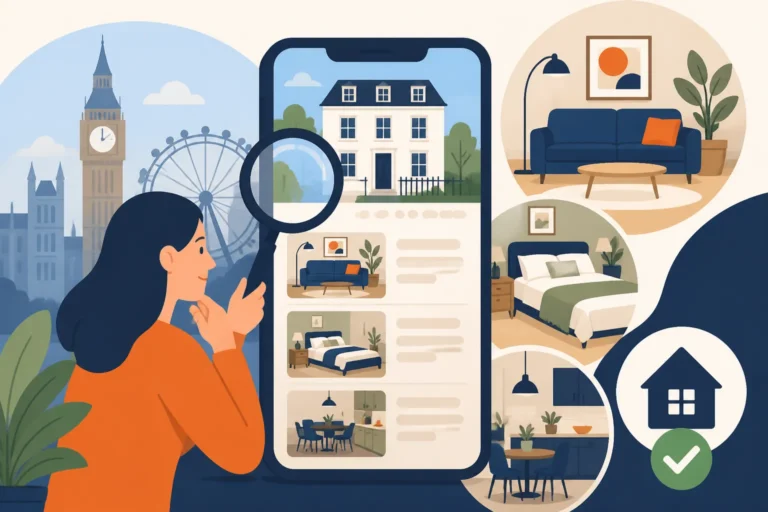
Can I Buy a House with My Partner in the UK?
Moving to the UK, especially with a partner, is an exciting adventure, but when it comes to the big step of buying a home together, many expats find themselves in a labyrinth of regulations and unfamiliar processes. You're probably wondering, "Can I even buy a house with my partner here?" The answer is a resounding yes, but the journey involves understanding legal structures, financial implications, and navigating the unique quirks of the UK property market. This guide will walk you through everything you need to know, from joint ownership options to securing a mortgage and protecting your shared investment.
Can I Buy a House with My Partner in the UK? Absolutely, But Let's Talk Logistics!
The Good News: Yes, You Can!
So, let's cut to the chase: yes, you absolutely can buy a house with your partner in the UK. The UK property market, for all its complexities, is generally welcoming to individuals and couples, whether you're married, in a civil partnership, or simply cohabiting. The bigger question often isn't if you can, but how you can do it in a way that makes sense for your particular circumstances, especially as expats. You've likely spent time trying to figure out How to Buy a House in the UK as a Foreigner: The Full Guide (2027) on your own, and adding a partner into the mix brings another layer of considerations.
Eligibility primarily hinges on your immigration status and financial standing, not your relationship status. As long as at least one of you has the right to reside in the UK – meaning you have a valid visa that permits long-term stay, or you have already obtained Indefinite Leave to Remain (ILR) or British Citizenship – you generally meet the residential requirement for purchasing property. Lenders and solicitors will want to confirm your visa status and how long you intend to stay, as this can influence mortgage terms. For example, if your visa has less than a year left, you might find some lenders are hesitant, even if you plan to extend it. This is where forward planning and understanding your immigration route becomes paramount.
The "Partner" Definition: Married, Civil Partners, Unmarried Couples
The beauty of the UK legal system is its flexibility when it comes to defining a "partner" for property ownership. Unlike some jurisdictions, you don't need a marriage certificate to buy property jointly. Whether you're legally married, have entered into a civil partnership, or are simply in a committed, unmarried relationship, the options for joint ownership are broadly the same. What does differ, however, are the automatic legal protections and assumptions that come with each relationship type, particularly if things go south or in the event of one partner's passing.
For married couples and civil partners, there are often inherent legal frameworks that apply to shared assets, including the marital home, upon divorce or death. These statutory rights can offer a degree of protection, even if you don't explicitly document everything. For unmarried couples, often referred to as 'cohabiting couples', these automatic protections don't exist. This is a crucial point many expats overlook, assuming that living together grants them the same rights as married couples. Sadly, it doesn't. Without a formal agreement, if you were to split up, determining who gets what, especially if one partner contributed more to the deposit or mortgage, can become incredibly contentious and costly. It's often dubbed the "common law marriage myth" – it simply doesn't exist in the UK. So, while you can buy together, the key is to ensure you're both protected, no matter your relationship status.
Understanding Joint Ownership: Tenants in Common vs. Joint Tenants
This is one of the most critical decisions you and your partner will make when buying property in the UK, and it's a conversation you absolutely must have early on. It dictates how your ownership is structured and, crucially, what happens to your share of the property if one of you passes away or if your relationship ends. Many people, especially expats unfamiliar with UK property law, just tick a box without fully grasping the implications, and that can lead to heartache down the line.
Joint Tenants: The Automatic Assumption, 'Right of Survivorship'
When you buy a property with another person in the UK, the default legal assumption is often that you will hold the property as "joint tenants." This sounds straightforward, and in many ways, it is, particularly for couples who are married or in civil partnerships and intend for their assets to be fully intertwined. As joint tenants, you both own 100% of the property, indivisibly. There are no separate shares; you are seen as a single, combined entity in the eyes of the law regarding the property.
The most significant implication of joint tenancy is the 'right of survivorship'. This means that if one of you passes away, their share of the property automatically passes to the surviving owner, regardless of what their will might state. It's a neat, automatic transfer that bypasses the complexities of probate for that specific asset, which can be a relief during an already difficult time. However, this also means you cannot bequeath your 'share' of the property to anyone else in your will. If you're a couple with children from previous relationships, for instance, or if you wish for your share to go to family back home, joint tenancy might not align with your broader estate planning. It’s vital to consider all angles before committing to this structure.
Tenants in Common: Protecting Individual Shares, Declaration of Trust
For many expat couples, especially those who might have unequal contributions to the deposit, or wish to preserve their individual assets for family back home, owning as "tenants in common" often makes more sense. This structure allows each owner to hold a distinct, defined share of the property. These shares can be equal (e.g., 50/50) or unequal (e.g., 70/30, 60/40), directly reflecting your respective financial contributions or desired outcomes.
The 'right of survivorship' does not apply to tenants in common. Instead, if one owner passes away, their defined share of the property forms part of their estate and will be distributed according to their will, or by the laws of intestacy if no will exists. This offers far greater flexibility for estate planning. To formally document these shares and outline what should happen in various scenarios (e.g., sale of the property, relationship breakdown, death), you'll often have a solicitor draft a "Declaration of Trust." This legally binding document specifies each person's beneficial interest and can detail how equity should be split, who is responsible for mortgage payments, renovations, and other costs. This is an absolute must-have for unmarried expat couples, or those with complex financial situations, offering a clear roadmap and preventing potential disputes.
Why This Matters: Real-life Scenarios, Avoiding Pitfalls
Let's look at a hypothetical scenario to hammer home why this choice is so crucial. Imagine you and your partner, both expats, buy a lovely little house in Birmingham. You put in 70% of the deposit, and your partner contributes 30%. If you buy as joint tenants and then, tragically, your partner passes away, the entire property automatically becomes yours, regardless of their will. This might be what you both wanted.
However, consider if you then decide to split up. With joint tenancy, the presumption is that you both own the property equally, 50/50, even if you put in a larger deposit. You would then have to prove in court that there was a different intention, which can be incredibly difficult, costly, and emotionally draining. If you had opted for tenants in common with a Declaration of Trust, that document would clearly state your 70/30 split, making the separation of assets much more straightforward.
This same principle applies in cases of inheritance. If you want your share of the property to go to your children from a previous marriage, or to your parents back in your home country, owning as tenants in common allows you to specify this in your will. As joint tenants, your share would automatically go to your partner, overriding any wishes in your will concerning that specific asset. Taking the time to decide on the right structure now can save immense stress and financial hardship for both of you, and your families, in the future. Don't rush this part of the process; it's genuinely one of the most important discussions you'll have with your solicitor.
Financial Hurdles: Mortgages and Deposits
For many expat couples, pooling resources is often the only realistic way to get onto the UK property ladder. The cost of living in major cities like London or Manchester can be eye-watering, and securing a substantial enough deposit and mortgage can feel like an uphill battle, even more so when trying to navigate The Complete Guide to Cost of Living in the UK for Expats (2026). However, buying with a partner brings distinct advantages, as well as unique considerations for managing your combined finances.
Combined Income Advantage: How It Helps with Mortgage Applications
One of the biggest benefits of buying with a partner is the ability to combine your incomes for a mortgage application. Lenders typically assess your affordability based on a multiple of your annual income, plus an evaluation of your existing debts and outgoings. By combining two salaries, you significantly increase your borrowing capacity. For instance, if you individually earn £40,000 and your partner earns £35,000, a lender might assess your joint income as £75,000, allowing you to borrow a much larger sum (e.g., 4.5 times income = £337,500) than either of you could achieve alone. This can open doors to properties in areas you previously thought were out of reach, or allow you to secure a larger, more suitable home.
However, lenders will scrutinise both your financial histories. If one partner has a less-than-stellar credit history or significant existing debt, it could impact the overall application, potentially reducing the amount you can borrow or increasing the interest rate. It's a joint assessment, so both partners need to be financially robust. Make sure to check your credit reports well in advance. Also, if one of you is on a fixed-term contract or has a less stable income source (like freelancing), some lenders might be cautious. Be prepared to provide extensive proof of income, employment history, and future job security for both of you.
Deposit Contributions: Unequal Contributions, Gift Deposits
The deposit is often the biggest hurdle for first-time buyers and expats alike. When buying with a partner, you might find that one of you has more savings than the other. This is a common scenario, and it's perfectly acceptable to have unequal deposit contributions. This is precisely why the "tenants in common" ownership structure, paired with a Declaration of Trust, is so important. It ensures that if the property is sold, or if the relationship ends, the initial unequal contributions are recognised and returned before the remaining equity is split.
Another common situation is a "gifted deposit," where a family member (often parents) provides a sum of money towards your down payment. While this is generally allowed, lenders have strict rules to prevent money laundering. The gift must be exactly that – a gift, not a loan that needs to be repaid. The person gifting the money will usually need to sign a letter confirming it's a non-repayable gift and that they have no interest in the property. For expat couples, if the gift is coming from overseas family, you'll need to demonstrate the source of these funds very clearly and provide bank statements showing the money being transferred into your UK bank account. Don't forget to factor in exchange rates and transfer fees when moving large sums of money internationally; services like Wise (formerly TransferWise) can be incredibly helpful for managing these transfers efficiently.
Credit Scores and History: The Expat Challenge
Ah, the infamous UK credit score – it's a bane for many an expat! You might have an impeccable credit history in your home country, but when you arrive in the UK, you effectively start from scratch. Lenders rely heavily on your UK credit report to assess your financial reliability. This is particularly challenging for couples where both are relatively new to the UK.
Building a UK credit history takes time. Registering on the electoral roll, getting a mobile phone contract, setting up utility bills in your name, and even using a credit card responsibly (and paying it off in full each month) are all ways to start building that elusive score. When applying for a joint mortgage, the lender will look at both your credit files. If one partner has a strong UK credit history and the other doesn't, it could still affect the overall outcome. Some lenders specialise in expat mortgages and understand that new arrivals might not have a long UK credit footprint, but they might require a larger deposit or offer slightly higher interest rates to offset the perceived risk. It's worth exploring these specialist options.
Navigating the Mortgage Application as Expats
Securing a mortgage in the UK can feel like a quest, and for expats, it often comes with additional layers of complexity. While it's certainly possible to get a mortgage as a foreign national, you'll likely need to put in more legwork and demonstrate your financial stability with extra diligence. Many expats find themselves asking How to Get a Mortgage to Buy a Home in the UK, and doing so with a partner means doubling up on the required documentation and assurances.
Finding the Right Lender: Expat-Friendly Banks, Brokers
Not all UK lenders are created equal when it comes to expat mortgages. High street banks like HSBC, Barclays, or Lloyds Bank might offer standard mortgage products, but their eligibility criteria can be quite strict for those without extensive UK residency or credit history. This is where specialist mortgage brokers become invaluable. They have in-depth knowledge of the market and often have relationships with lenders who are more flexible with expat applicants, including those on various visa types or who are new to the country.
A good broker will understand the nuances of expat finances, such as foreign income, different types of employment contracts, and the challenges of limited UK credit history. They can help you prepare your application to highlight your strengths and proactively address any potential concerns a lender might have. Don't be afraid to shop around for brokers, and look for those with specific experience in assisting non-UK residents. They can genuinely make the difference between a frustrating rejection and a successful application.
Documentation Demands: Proof of Income, Residency, Funds
Prepare for a mountain of paperwork! Lenders will want comprehensive proof of your identity, residency, and financial stability. For expats, this often means providing more than just payslips and bank statements. Expect to provide:
- Proof of Identity: Passports, Biometric Residence Permits (BRPs), or eVisa details.
- Proof of Address: Utility bills, bank statements, council tax bills (establishing this early is key for The Complete Guide to Moving to the UK: Your First 90 Days (2027)).
- Proof of Income: Multiple months of payslips (often 3-6 months), employment contracts showing duration and salary, P60s (annual income statement), and sometimes letters from employers confirming your role and salary. If self-employed, expect two or more years of audited accounts or Self-Assessment tax returns.
- Visa and Immigration Status: Your visa stamp or BRP, clearly showing your right to reside and work in the UK, and its expiry date. Lenders may need assurance that you're eligible to remain in the UK for the duration of the mortgage term, or at least for a significant portion of it.
- Bank Statements: Several months of statements from both your UK bank accounts and potentially overseas accounts if you're transferring funds from abroad. These help lenders understand your spending habits and demonstrate the source of your deposit. You'll need to have established a The Expat Guide to Opening a Bank Account in the UK well in advance.
- Deposit Source: Clear evidence of where your deposit funds originated. If transferred from overseas, documentation showing the trail of funds is crucial.
Having all this documentation meticulously organised will significantly smooth the application process.
The UK Credit Score Conundrum: Why It's Tough and What to Do
As touched upon earlier, your UK credit score is a big deal here. It's a numerical representation of your financial behaviour in the UK, and without a history, you effectively have no score, regardless of how responsible you were elsewhere. This is often the biggest sticking point for expats applying for mortgages. Lenders want to see a track record of managing credit responsibly within the UK system.
To address this conundrum, you need to proactively build your credit file. Register on the electoral roll as soon as you have a fixed address – this is often the fastest way to get a "footprint." Get a UK mobile phone contract, rather than pay-as-you-go, and ensure bills are in your name and paid on time. Open a basic bank account, then perhaps a credit builder credit card, using it for small purchases and paying it off in full every single month. Avoid making multiple credit applications in a short period, as this can negatively impact your score. Be patient; building a robust credit history takes time, usually 6-12 months minimum for a basic file, and often longer for a truly strong one. This initial period of building financial presence and stability in the UK is something you'll need to focus on during your The Complete Guide to Moving to the UK: Your First 90 Days (2027).
The Conveyancing Process: Legals, Legals, Legals
Once your mortgage is in principle, the real legal heavy lifting begins: conveyancing. This is the legal process of transferring property from one owner to another. It involves a myriad of checks, enquiries, and paperwork, and it's where you'll spend a fair bit of money on legal fees. For expat couples, having a clear understanding of How to Complete the Conveyancing Process When Buying in the UK is essential to avoid surprises.
Solicitors: Finding the Right One, What They Do
You must engage a solicitor or a licensed conveyancer to handle the legal aspects of your property purchase. This isn't something you can do yourself. Your solicitor's job is to protect your interests, conduct all necessary checks, handle the transfer of funds, and manage the legal documentation. For an expat couple, it's particularly important to find a solicitor with experience dealing with international clients, understanding visa implications, and guiding you through the intricacies of joint ownership structures like "tenants in common" if that's what you decide.
They will:
- Review the contract of sale.
- Conduct property searches.
- Handle communication with the seller's solicitor.
- Manage the transfer of deposit and mortgage funds.
- Register your ownership with the Land Registry.
- Advise on Stamp Duty Land Tax.
Ask for recommendations, check reviews, and get multiple quotes. Don't just go for the cheapest option; good communication and expertise are priceless, especially when you're already juggling the stresses of moving country.
Searches and Surveys: What They Uncover, Why They're Crucial
Before you commit to buying, your solicitor will carry out various "searches" on the property. These are enquiries made to local authorities and other bodies to uncover crucial information about the property and its surrounding area. Common searches include:
- Local Authority Searches: Reveals planning permissions, building control issues, listed building status, road schemes, and environmental health notices.
- Environmental Searches: Identifies potential land contamination, flood risk, and ground stability issues.
- Water and Drainage Searches: Confirms connections to public sewers and water mains, and whether any public sewers run through the property.
- Chancel Repair Liability: Checks if the property owner is liable for the cost of repairs to a local church, a sometimes surprising and hefty historical obligation.
In addition to legal searches, it's highly recommended to get a property survey. A mortgage valuation survey, conducted by the lender, only assesses whether the property provides sufficient security for their loan. It's not a detailed inspection for you. A more comprehensive survey, such as a HomeBuyer Report or a Building Survey (the most detailed), will uncover potential structural issues, damp, or other hidden problems that could cost you a fortune down the line. It's an upfront cost that can save you immense expense and stress later.
Exchange and Completion: The Exciting (and Terrifying) Final Steps
The conveyancing process culminates in two key stages: exchange of contracts and completion.
Exchange of Contracts: This is the point of no return. Once contracts are exchanged, both you and the seller are legally bound to proceed with the sale. You'll usually pay your deposit (typically 10% of the purchase price) to your solicitor, who then transfers it to the seller's solicitor. If you back out after this point, you'll lose your deposit. Similarly, if the seller pulls out, they face penalties. The exchange date is usually set by mutual agreement and often happens once all searches are clear, the mortgage offer is firm, and all parties are ready.
Completion: This is the day you officially become the owner of your new UK home! On completion day, your solicitor transfers the remaining funds (the balance of the purchase price and the mortgage loan) to the seller's solicitor. Once the funds are received, the keys are released, and you can pick them up from the estate agent. Your solicitor will then register your ownership with the Land Registry and handle the payment of Understanding Stamp Duty Land Tax When Buying Property in the UK. It's a truly exciting day, but often an exhausting one! Once the ink is dry, you can finally think about The Expat Guide to Setting Up Utilities (Energy, Water, Broadband) in the UK.
Protecting Your Investment and Your Relationship
Buying a house with a partner is a huge step, bringing both shared joy and significant financial commitment. As expats, you're building a new life, and it's essential to protect not just your asset but also the harmony of your relationship by planning for potential bumps in the road. Even if things are rosy now, thoughtful planning can prevent future heartache and financial strain.
Binding Agreements: Cohabitation Agreements, Deeds of Trust
We touched on the Declaration of Trust earlier, especially for 'tenants in common', but it's worth reiterating its importance. This document legally specifies how your shares in the property are held, particularly if contributions are unequal. It’s an integral part of What Documents Do I Need to Buy a House in the UK? when buying jointly.
Beyond the Declaration of Trust, unmarried couples should seriously consider a Cohabitation Agreement (sometimes called a 'Living Together Agreement'). This goes beyond the property itself and can cover a wider range of financial arrangements, such as:
- How household bills and mortgage payments are split.
- Ownership of other joint assets (cars, furniture, pets).
- What happens to joint bank accounts if you separate.
- How childcare costs would be handled.
- Arrangements for the care of children if the relationship ends.
While it might feel unromantic to plan for a potential split, a Cohabitation Agreement is a sensible, proactive step. It provides clarity and avoids the common law marriage myth pitfalls, which can leave unmarried partners with surprisingly few rights without such an agreement. Think of it as an insurance policy for your financial future and, ultimately, a way to preserve respect and fairness should circumstances change.
Life Insurance and Wills: The Unexpected, But Vital, Planning
It's not pleasant to think about, but planning for the unexpected is crucial, especially when you have a shared asset and potentially dependants.
- Life Insurance: If you have a joint mortgage, consider taking out life insurance policies that cover the outstanding mortgage amount. If one partner passes away, the payout can be used to clear the mortgage, ensuring the surviving partner isn't burdened with the full debt. Many couples opt for 'decreasing term life insurance,' where the payout reduces over time, mirroring your mortgage balance.
- Wills: No matter your relationship status, if you own property, you must have a valid UK will. As discussed with 'tenants in common', your will dictates who inherits your share of the property if you die. Without a will, your estate will be distributed according to strict UK intestacy rules, which might not align with your wishes, particularly if you're unmarried or have family overseas you wish to benefit. For instance, if you're unmarried and die without a will, your partner may inherit nothing, with your assets going to your blood relatives instead. Expats often have assets in multiple countries, so ensure your UK will works in harmony with any wills you might have elsewhere.
Table: Joint Ownership Structures at a Glance
| Feature | Joint Tenants | Tenants in Common |
|---|---|---|
| Ownership Share | Indivisible; each owns 100% (not distinct shares) | Distinct shares (e.g., 50/50, 70/30) |
| Right of Survivorship | Yes; property automatically passes to surviving owner | No; share passes according to will or intestacy rules |
| Will Inheritance | Cannot bequeath share in will (overridden by survivorship) | Can bequeath individual share in will |
| Primary Use Case | Married/civil partners, equal contributions, desire for automatic transfer | Unmarried couples, unequal contributions, blended families, specific inheritance wishes |
| Protective Document | (Less common, but possible for specific arrangements) | Declaration of Trust (highly recommended for specifying shares and terms) |
| Relationship Breakdown | Presumed 50/50 split; proof needed for unequal division | Shares explicitly defined, usually in Declaration of Trust |
Regular Check-ins: Keeping Communication Open
Financial and property decisions are ongoing. Your circumstances as expats can change rapidly – new visas, job changes, family plans, or even considering moving again. Make it a point to regularly sit down with your partner and discuss your financial situation, your mortgage, and your property plans.
Review your Cohabitation Agreement and wills periodically, perhaps every few years, or after any significant life event like a new child, a promotion, or a major inheritance. Ensure both partners are comfortable with the arrangements and that they still reflect your current wishes and financial realities. Open and honest communication is the best preventative measure against misunderstandings and disputes, underpinning all the legal documents you put in place. It's easy to get swept up in the excitement of a new home, but a little prudence now can safeguard your joint future in the UK.
Practical Steps to Buying Your Home
You've made the decision to buy with your partner, navigated the visa labyrinth, and mulled over the joint ownership options. Now comes the exciting part – finding and securing your dream home. This process can be overwhelming for anyone, let alone expats in a new country. Having reliable internet access for searching is critical; consider a travel eSIM from Airalo to stay connected immediately upon arrival, ensuring you can hit the ground running with property searches and solicitor calls. When you're ready to move your belongings, an international moving company like Sirelo can help you compare quotes and plan your logistics, taking one huge stressor off your plate.
Getting Your Finances in Order
Before you even start browsing Rightmove or Zoopla, get your finances sorted. This means:
- Check Your Credit Scores: Both partners should check their UK credit reports (e.g., via Experian, Equifax, TransUnion) for accuracy and to understand your standing.
- Determine Your Budget: Realistically assess how much deposit you have, how much you can comfortably afford in monthly mortgage payments, and factor in additional buying costs like Stamp Duty, solicitor fees, and survey costs.
- Get a Mortgage in Principle (Agreement in Principle): This is a provisional offer from a lender stating how much they might be willing to lend you. It’s based on a quick assessment of your income and credit, and it’s a vital document to have when making offers on properties, showing sellers you’re serious and financially capable. This is where your combined income really helps to demonstrate your financial strength to lenders.
- Organise Your Documents: Gather all the necessary paperwork we discussed – passports, visas, payslips, bank statements – so you’re ready to submit them quickly when needed.
The Property Search
This is where the fun begins!
- Define Your Needs: Sit down with your partner and list your must-haves versus nice-to-haves. What areas are you considering? How many bedrooms? Garden? Commute time? Proximity to schools? Understanding your priorities will narrow down your search considerably.
- Research Areas: Dive deep into potential neighbourhoods. What are local amenities like? Transport links? Crime rates? School catchments? Websites like Locrating or Ofsted for school reports can be very useful. Take a few weekends to visit areas and get a feel for them.
- Use Property Portals: Rightmove and Zoopla are the dominant online property portals in the UK. Set up alerts for properties that match your criteria.
- Engage with Estate Agents: Register with local estate agents in your target areas. They often get properties before they hit the major portals and can give you insights into the local market. Be clear about your budget and needs.
Making an Offer and Beyond
Once you've found 'the one':
- Make Your Offer: Decide on a realistic offer price with your partner, considering market conditions and any issues identified in viewings. Your estate agent will relay your offer to the seller. Be prepared for some negotiation.
- Appoint Your Team: Once your offer is accepted (subject to contract), immediately appoint your solicitor and inform your mortgage broker.
- Secure Your Mortgage: Your mortgage broker will now finalise your full mortgage application with the chosen lender. This is where all those documents come in! The lender will arrange a valuation survey.
- Conveyancing: Your solicitor takes over from here, managing searches, reviewing contracts, and liaising with the seller’s solicitor. This phase can feel slow, but it's essential for due diligence.
Remember, buying a home is a marathon, not a sprint. There will be frustrating delays, unexpected paperwork, and moments of panic. But by being prepared, working as a team with your partner, and utilising expert advice, you absolutely can achieve your dream of owning a home together in the UK.
Disclaimer
Please remember that this guide offers general information and insights for expats looking to buy a house with a partner in the UK. Property law, mortgage regulations, and immigration rules are complex and subject to change. It is crucial to seek independent legal advice from a qualified solicitor and financial advice from a mortgage broker specific to your personal circumstances before making any property decisions. This information should not be taken as legal or financial advice.