Understanding the Electronic Travel Authorisation (ETA) for the UK
Oh, the ever-evolving world of UK travel documents! If you're planning a trip to the United Kingdom, you've likely heard whispers – or perhaps even outright shouts – about something called the Electronic Travel Authorisation, or ETA. It can feel like yet another hurdle to navigate, adding an extra layer of complexity to what should be an exciting journey. This guide is here to cut through the confusion and give you a straightforward, no-nonsense look at what the UK ETA is, who needs it, and how to get one, so you can focus on packing your bags and planning your adventures, rather than stressing over bureaucracy.
What Exactly Is the UK's Electronic Travel Authorisation ETA?
Let's demystify this from the get-go. The UK's Electronic Travel Authorisation (ETA) is essentially a digital permission to travel to the UK. It’s not a visa, but rather a pre-travel authorisation for those who don’t currently need a visa for short visits. Think of it as a digital handshake with His Majesty's Government before you even step foot on British soil. The government introduced it as part of a broader strategy to digitise the UK’s borders, allowing them to have a clearer picture of who is coming into the country even before they depart. It's all about enhancing security and streamlining the entry process, making it more efficient for travellers while giving border authorities more control.
The UK's New Border Control System Explained
This isn't a unique concept globally; in fact, the UK is simply catching up with many other nations. If you've travelled to the United States, you'll be familiar with their ESTA (Electronic System for Travel Authorisation), or Canada's eTA. These systems are designed to screen travellers from visa-exempt countries before they board a plane, train, or ferry heading towards the destination. For the UK, the ETA means that even if you're from a country that currently enjoys visa-free travel, you'll soon need this digital permit to enter. The idea is to make border crossings smoother for legitimate visitors by front-loading some of the security checks. It’s a move towards a more modern and secure border, aimed at identifying potential threats or individuals with adverse immigration histories earlier in the process. This shift, while initially feeling like an extra step for travellers, is intended to make the overall entry experience into the UK a bit more seamless at the actual border gates.
Who Needs an ETA to Enter the UK?
This is where the rubber meets the road, as they say. The ETA is being rolled out in phases, and it's crucial to understand if you'll be affected. Currently, citizens of Qatar are the first to require an ETA to visit the UK. This initial phase is a test run, if you will, before the scheme is expanded. The plan is to eventually include citizens from all countries that currently do not need a visa for short stays in the UK. This means that if you're from the EU, the US, Canada, Australia, or any other country on the UK's visa-exempt list, you will eventually need an ETA. The Home Office has stated that the scheme will progressively cover more nationalities throughout 2024 and beyond.
So, who doesn't need an ETA? Well, British and Irish citizens are exempt. If you already hold a UK visa (such as a Skilled Worker Visa in the UK) or Indefinite Leave to Remain (ILR), you also won't need an ETA, because your existing immigration status already grants you permission to enter and reside. Essentially, if you're coming to the UK for a short visit and currently don't need to apply for a visa, keep a close eye on the official government guidance regarding the ETA rollout for your specific nationality. Don't assume that because you've always travelled visa-free, you won't need one in the future. It’s a definite change, and staying informed is key.
The Application Process: A Step-by-Step Walkthrough
Navigating new administrative processes in a foreign country can be a bit daunting, and the ETA application is no exception. However, the UK government has tried to make it as straightforward as possible, given it's a completely digital system. It's all done online, and while it requires attention to detail, it's certainly manageable.
Preparing Your Documents and Information
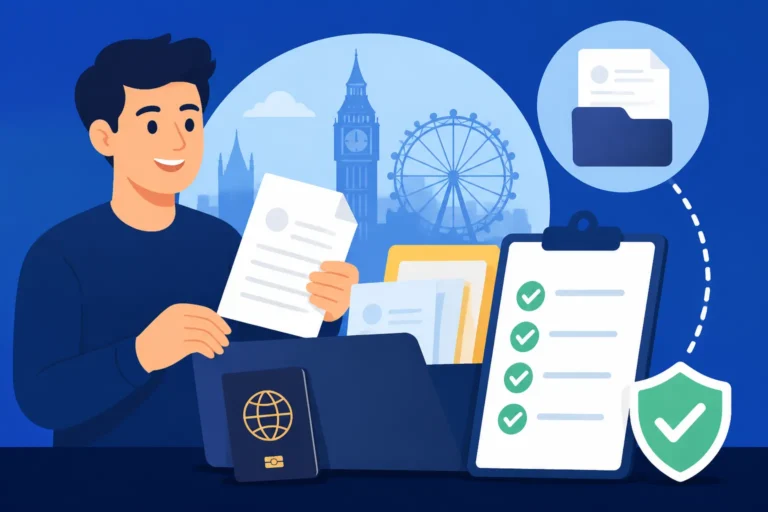
Before you even think about hitting the 'apply' button, gather all the necessary bits and bobs. The key to a smooth application is having everything ready. You’ll need:
- Your Valid Passport: This is non-negotiable. Ensure your passport is valid for the entire duration of your planned stay in the UK. The ETA will be digitally linked to this passport, so any discrepancies could cause issues. Make sure it's the passport you'll actually be travelling with.
- Personal Information: Be ready to provide your full name, date of birth, nationality, and contact details. It's crucial that these match exactly what's on your passport.
- Travel Details (Optional but Helpful): While not always strictly required at the point of application, having your intended travel dates, accommodation address in the UK, and even the flight number can be helpful. This demonstrates the legitimate purpose of your visit.
- A Valid Email Address: All communication, including the confirmation of your ETA approval, will be sent to this email. Make sure it's one you check regularly and that you have access to.
- A Debit or Credit Card: There's a fee for the ETA, so you'll need a way to pay for it online.
My friend, Sarah, once rushed an ETA application for a quick weekend trip to London. She accidentally entered an old passport number, thinking she could just update it later. Of course, the application was approved for the wrong passport, leading to a frantic re-application and a missed flight. Don't be like Sarah; double-check every single detail! It might seem tedious, but getting it right the first time will save you a heap of stress.
Submitting Your Application and What to Expect
Once your documents are in order, head to the official UK government website to begin. Avoid third-party sites that charge extra fees or offer "guaranteed" approvals – they're often scams. The process will generally look like this:
- Access the Online Portal: Find the dedicated ETA application service on the gov.uk website.
- Fill Out the Application Form: This will involve inputting all the personal and passport information you've gathered. You might be asked questions about your travel history, any past immigration breaches, or criminal convictions. Be honest and accurate.
- Upload a Digital Image of Your Passport: The system will typically guide you on how to take or upload a clear photo of your passport's biographical page. This is critical for linking the ETA to your document.
- Pay the Application Fee: As of now, the fee is £10. This is paid securely online using your debit or credit card.
- Submit and Wait: Once submitted, you'll receive a confirmation email. The UK government aims for a swift turnaround, often within 3 working days, but they advise applying well in advance of your travel date, just in case there are any hiccups or requests for additional information. It’s never wise to leave it until the last minute, especially when it comes to international travel.
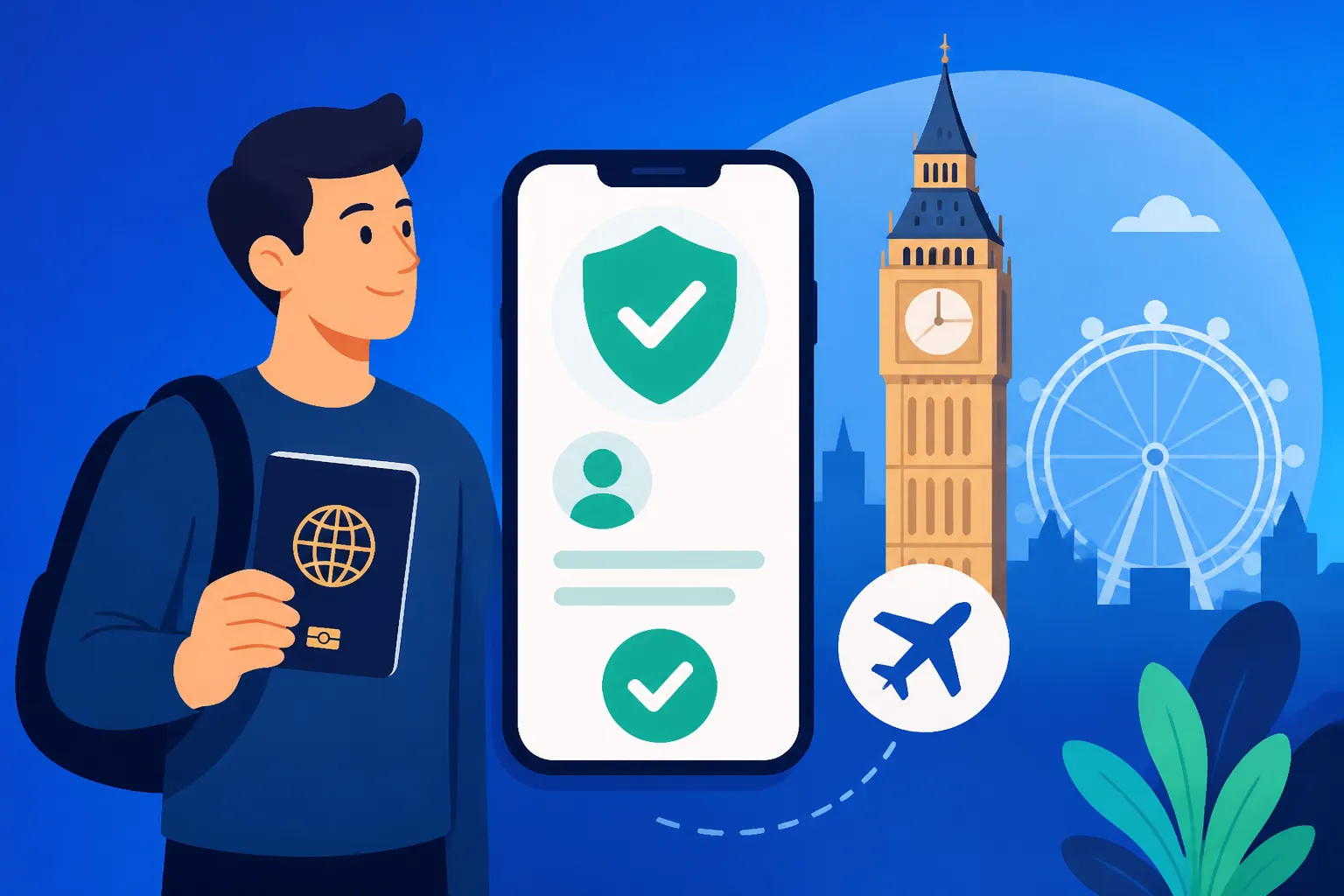
When your ETA is approved, you'll receive an email notification. The ETA itself isn't a physical document you print out; it’s digitally linked to your passport. However, it's always a good idea to keep a copy of the approval email, either printed or on your phone, just for your own peace of mind, though you shouldn't strictly need it at the border. You can also check the status of your application online using your application reference number, which is very handy for those moments of travel anxiety.
Costs, Validity, and Entry Requirements with an ETA
Understanding the practicalities of the ETA, such as its cost and how long it lasts, is just as important as knowing how to apply. These details directly impact your travel planning and budget, so let’s get into the specifics.
How Much Does a UK ETA Cost and How Long Is It Valid?
Let's talk brass tacks: the cost. The current fee for a UK ETA is £10 per person. This is a non-refundable fee paid at the time of application. While it's certainly an added expense that budget travellers might grumble about, it's relatively inexpensive compared to some visa fees and provides entry for multiple trips over its validity period.
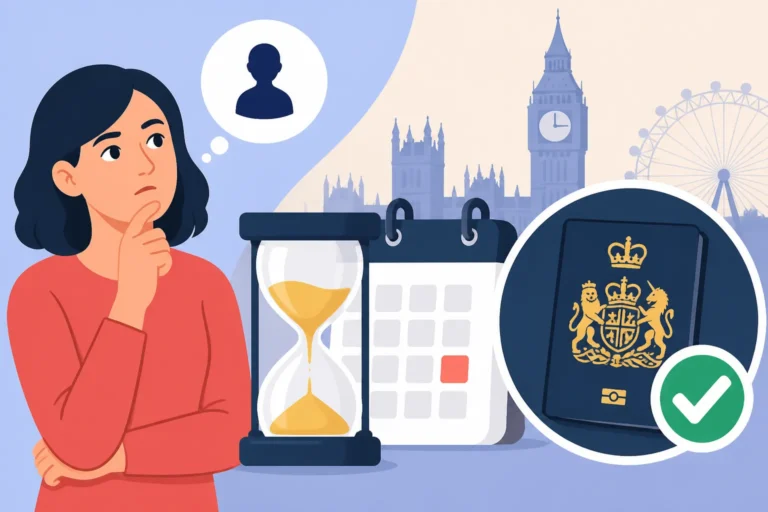
And speaking of validity, this is quite generous. Once granted, a UK ETA is typically valid for two years, or until your passport expires, whichever comes first. This means that if you get your ETA and your passport has 18 months left until expiry, your ETA will only be valid for those 18 months. If you renew your passport within that two-year period, you’ll need to apply for a new ETA, as it's directly linked to the specific passport number. The great thing about the two-year validity is that it allows for multiple entries into the UK within that timeframe. Think of it like a subscription – you pay once, and it covers you for repeated visits for tourism, visiting family and friends, short business trips, or even quick hops through London Heathrow on a connecting flight. This makes spontaneous trips or regular visits much simpler without the need to re-apply each time.
What You Can and Cannot Do with an ETA
It’s crucial to understand that an ETA is not a visa and does not grant you the same rights or permissions. An ETA simply authorises your travel to the UK and allows you to seek entry at the border, where a Border Force officer will still make the final decision.
With an ETA, you are generally permitted to:
- Visit for tourism: Explore the historical sites, vibrant cities, and stunning landscapes.
- Visit family and friends: Catch up with loved ones living in the UK.
- Attend short-term business meetings or conferences: Engage in business activities that don't involve paid work for a UK employer.
- Undertake short courses of study: This typically means courses lasting up to 6 months.
- Transit through the UK: If you have a connecting flight, you can pass through the UK.
However, an ETA does not permit you to:
- Work in the UK: If you intend to work, even temporarily, you will need a specific work visa like The Expat Guide to the Skilled Worker Visa in the UK (2027).
- Live permanently in the UK: The ETA is purely for short visits. For long-term residency, you'd be looking at routes like Indefinite Leave to Remain or specific family visas.
- Undertake long-term study: Courses exceeding six months will require a student visa.
- Claim public funds: You are expected to be financially self-sufficient during your stay.
Essentially, an ETA is for travellers who would traditionally enter the UK as a Standard Visitor. It’s a pre-screening tool, not an open-door pass to all activities. If your travel intent is anything beyond typical short-term visitor activities, you should definitely check the UK government's visa requirements well in advance. For those short trips, it's always wise to ensure you have adequate travel insurance. Providers like Cigna Global offer comprehensive plans that can cover unexpected medical costs or travel disruptions, which, let's be honest, can happen to anyone, especially when you're away from home. Being prepared means you can truly relax and enjoy your time in the UK.
Common Challenges and Troubleshooting for Expats and Tourists
Even with the most straightforward application processes, hiccups can occur. When you're dealing with international travel and government systems, a little bit of foresight and knowledge of potential issues can save you a lot of grief. It’s incredibly frustrating, I know, when your travel plans hit a snag because of paperwork, especially after all the excitement of planning your trip to the UK.
Dealing with Delays or Refusals
It's a nightmare scenario: you've applied for your ETA, bought your tickets, and then… silence. Or worse, a refusal. What went wrong? Common reasons for an ETA application delay or refusal include:
- Incomplete or Inaccurate Information: This is the most frequent culprit. Even a small typo in your passport number, name, or date of birth can flag your application.
- Past Immigration Issues: If you've previously overstayed a visa in the UK, been refused entry, or violated immigration laws in any country, this will almost certainly lead to scrutiny or refusal.
- Criminal History: Having a criminal record, even a minor one, can be grounds for refusal. The UK government prioritises public safety.
- Security Concerns: If you are deemed a security risk, your ETA will be refused.
If your application is refused, the refusal notice should state the reason. Your options are usually limited:
- Re-apply with Corrected Information: If the refusal was due to an error on your part, you can correct the mistakes and re-submit a new application, paying the fee again.
- Apply for a Visa: If the refusal was due to more serious reasons (e.g., past immigration breaches or criminal history) or if your travel intent doesn't fit the ETA criteria, you might need to apply for a full UK visa. This is a much more complex and costly process.
- No Formal Appeal Process: Unfortunately, with ETA applications, there generally isn't a formal appeals process like there is for full visas. The decision is usually final for that specific application.
My advice? Be meticulously honest and accurate. If you have any doubts about your eligibility, it might be worth consulting with an immigration advisor before applying, especially if you have a complex background. This can save you money and heartache in the long run.
When Your Travel Plans Change: Passport Updates and ETA Validity
Life happens, and sometimes your travel documents change before your ETA expires. The critical thing to remember is that your ETA is electronically linked to a specific passport number.
- Passport Expiration: If your passport expires before your ETA's two-year validity is up, your ETA becomes invalid the moment your passport expires. You will need to get a new passport and then apply for a new ETA with your new passport details. Don't fall into the trap of thinking your ETA is still good for two years regardless of your passport.
- Lost or Stolen Passport: This is a terrible situation, but if your passport is lost or stolen, your ETA is automatically invalid. Once you obtain a new passport, you must apply for a new ETA.
- Changes to Personal Details: If you change your name, gender, or any other significant personal details that are recorded on your passport, and your passport is subsequently re-issued, you will need a new ETA linked to your updated passport.
Always check the expiry date of your passport well in advance of any planned travel. It’s a good habit to ensure your passport has at least six months' validity beyond your intended return date from the UK, even if the ETA technically only requires it to be valid for your stay. You never know when travel disruptions might extend your trip! Planning for a move to the UK itself, rather than just a visit, requires even more careful consideration of documentation. Companies like Sirelo can assist with the logistics of moving your belongings, but keeping your personal travel documents in order is entirely your responsibility. This level of diligence extends to everything from ensuring you understand How Your Visa and the IHS Affect Your NHS Entitlement in the UK for longer stays to simply knowing How Long Can I Stay in the UK on a Visitor Visa with your ETA.
Integrating the ETA into Your UK Travel Plans
The ETA might seem like an extra layer, but once you understand its purpose and how it fits into the broader travel ecosystem, it becomes just another item on your pre-travel checklist. It's about ensuring a smoother, more secure journey for everyone involved.
Why the ETA is Important for Your Journey
Simply put, the ETA is becoming a mandatory requirement for eligible travellers, much like a boarding pass or your passport itself. Without it, your journey to the UK could be over before it even begins.
- Denied Boarding: Airlines, ferry operators, and Eurostar will be checking for valid ETAs (or visas) before allowing you to board services bound for the UK. They face penalties if they transport passengers without the correct travel authorisation, so they are vigilant. Imagine getting to the airport, only to be told you can't board your flight to see Big Ben because you forgot a digital permit!
- Denied Entry: Even if you somehow manage to board without an ETA, you will almost certainly be denied entry at the UK border by a Border Force officer. This is a serious situation that could lead to immediate return on the next available flight and may affect future travel applications.
- Streamlined Arrival: For those with a valid ETA, the process at the border should, in theory, be quicker and more efficient. The pre-screening means less scrutiny upon arrival, allowing Border Force officers to focus on individuals who pose a higher risk.
So, while it adds a step, it's a necessary one. Treat it with the same importance as your passport, ensuring it's valid and correct before you even think about packing your favourite tea bags. For general travel tips and understanding the ins and outs of visiting, always refer to guides like Do I Need a Visa or ETA to Visit the UK in 2026?.
Planning Ahead and Internal Links
Incorporating the ETA into your travel planning is straightforward: make it one of the first things you sort out after booking your flights and accommodation. Don't wait until the last minute!
Here's a quick checklist to help you integrate the ETA into your overall travel plans:
- Check Your Nationality: Confirm if citizens of your country currently require an ETA or if the rollout is pending. Stay updated via the official government website.
- Apply Early: Aim to apply for your ETA several weeks, if not months, before your planned travel date. This allows ample time for processing and any unforeseen issues.
- Verify Details: Double-check every single piece of information on your application against your passport.
- Keep Records: Save your ETA approval email and application reference number.
For those planning more than just a quick visit, perhaps considering a longer stay or even a move, there are many other aspects to consider beyond the ETA. If you're pondering a more permanent shift, you'll want to explore topics like The Complete Guide to Moving to the UK: Your First 90 Days (2026), delving into everything from sorting out your new home to understanding the Cost of Living in the UK for Expats (2026). And, of course, once you're on the ground, navigating local transport with The Expat Guide to Public Transport in the UK will be key. Should you face any unexpected health issues during your stay, knowing about Emergency Medical Care in the UK: What Every Expat Needs to Know is paramount. And if you’re looking to officially relocate and find a job, then resources such as The Expat Guide to Finding a Job in the UK (2026) or even Understanding How to Move to the UK Legally from Abroad (2026) become absolutely vital. The ETA is just the first step on what could be a much longer, exciting journey!
| Feature | Description |
|---|---|
| Purpose | Digital permission to travel to the UK for short visits (tourism, business, study up to 6 months, transit). Not a visa. |
| Eligibility | Currently, citizens of Qatar. Expanding to all non-visa nationals (e.g., EU, US, Canada, Australia) in phases throughout 2024 and beyond. |
| Exemptions | British and Irish citizens, those with existing UK visas, or Indefinite Leave to Remain (ILR). |
| Cost | £10 per application (non-refundable). |
| Validity | 2 years, or until the passport it's linked to expires, whichever comes first. Allows multiple entries within this period. |
| Application | Entirely online via the official UK government website (gov.uk). Requires valid passport, personal details, email, and payment. |
| Processing Time | Typically within 3 working days, but advised to apply well in advance of travel. |
| Restrictions | Does NOT permit working, long-term study, or permanent residence in the UK. For these, a specific UK visa is required. |
| Consequences of No ETA | Denied boarding by carrier (airline, ferry, Eurostar), or denied entry at the UK border. |
Disclaimer
Please remember that immigration rules and travel requirements for the UK can change. While I strive to provide the most current and accurate information based on my knowledge and publicly available data, it is always your responsibility to check the official UK government website (GOV.UK) for the latest updates and specific requirements that apply to your nationality and situation before making any travel plans or submitting applications. This guide is for informational purposes only and does not constitute legal advice.