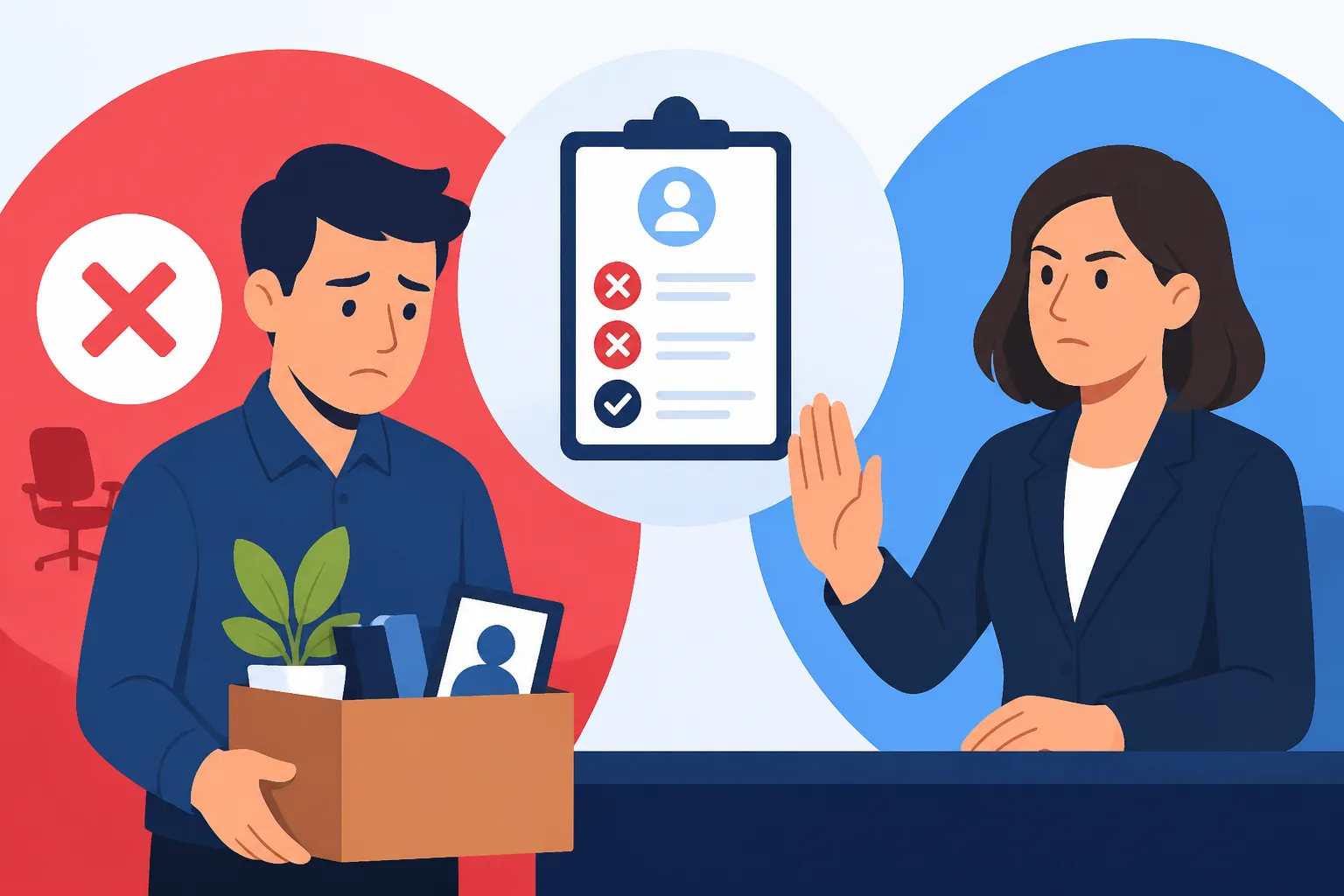
Can I Be Dismissed During My Probationary Period in the UK?
Landing a new job in the UK feels like a massive achievement, especially after navigating the visa maze and making the big move. But then you hit the probationary period, often a source of quiet anxiety, wondering if your new life could unravel just as quickly as it began. It's a real fear for many expats – what if it doesn't work out? This guide is here to shed light on your rights and realities during that initial, often nerve-wracking, probationary phase in UK employment, helping you understand if dismissal is a real risk and what you can do about it.
Understanding the Probationary Period in the UK
Ah, the probationary period – that initial stretch where both you and your employer are essentially "dating" before committing to a long-term professional relationship. It's standard practice here in the UK, usually lasting anywhere from three to six months, though some roles might have shorter or longer periods. For us expats, it can feel like an extra layer of scrutiny, a silent test where you’re not just proving your skills, but also your ability to adapt to a new country and a new workplace culture.
What is a Probationary Period?
Simply put, a probationary period is a specified length of time at the beginning of your employment where your performance and suitability for the role are assessed. It’s a chance for your employer to see if you’re a good fit, if you can do the job effectively, and if you gel with the team and company culture. For you, it’s also an opportunity to evaluate whether the role and the company are right for you. Think of it as an extended interview, but with a pay cheque.
During this time, the terms of your employment might be slightly different from those of permanent staff. For instance, you might have a shorter notice period, or access to certain company benefits might be deferred until you successfully complete your probation. Your employment contract will outline the specifics, and it’s absolutely crucial that you read it thoroughly. Many expats, myself included, have a tendency to skim these things in the excitement of a new role, but for your own protection, understanding these clauses is vital. It’s an explicit agreement, not just a formality.
Legal Implications for Dismissal
Now, for the big question: Can you be dismissed during your probationary period? The short answer is, unfortunately, yes, and often with more ease for the employer than if you were a long-term employee. This is one of the most significant differences between being on probation and being a confirmed member of staff.
The key legal concept here in the UK revolves around what's known as the 'qualifying period' for making a claim for unfair dismissal. Generally, an employee needs to have at least two years of continuous service with an employer to bring a claim for ordinary unfair dismissal to an Employment Tribunal. Since a probationary period is almost always shorter than two years, this means that if you're dismissed while on probation, you typically won't have the legal standing to claim unfair dismissal.
This doesn't mean employers can dismiss you for any reason at all. There are still protections against automatic unfair dismissal (which don't require a qualifying period) and unlawful discrimination. For example, if your dismissal was due to your race, gender, religion, sexual orientation, disability, or because you blew the whistle on wrongdoing, then that would be unlawful, regardless of how long you've worked there. We'll delve into these protections a bit later, but it’s important to understand that the burden of proof for an employer is significantly lighter during probation. They don't need to demonstrate a "fair reason" in the same way they would for a permanent employee, nor do they usually need to follow a lengthy formal disciplinary process, beyond giving you a reasonable chance to improve and explaining why they’re letting you go. It's a tough reality, but one that’s important to face head-on. To truly grasp the broader framework, it's worth taking a look at Understanding UK Employment Law and Worker Rights (2027).
Common Reasons for Dismissal During Probation
It’s easy to feel like you're under a microscope during your probationary period, and in many ways, you are. Employers use this time to meticulously assess if you're truly the right fit for the role and the team. While it might feel personal if things don't work out, dismissals during probation are almost always down to objective (or at least, perceived objective) issues rather than malice. Understanding these common reasons can help you navigate your own probationary period more effectively.
Performance Issues
This is, by far, the most frequent reason for a probationary dismissal. When you start a new role, there's an expectation that you'll quickly pick up the ropes, meet targets, and contribute effectively. If you're consistently falling short, it becomes a red flag. Perhaps you're not completing tasks to the required standard, or you're missing deadlines. Maybe your output isn't matching what was discussed in the interview, or you're struggling to grasp core aspects of the role.
For example, imagine you've joined a marketing agency as a content writer. If your articles consistently require heavy editing, miss key client requirements, or you're simply not producing enough content, your manager will likely flag this. They might give you feedback, offer training, or provide clearer guidelines. However, if after these interventions, there's no noticeable improvement, the employer might conclude that you’re not performing at the level they need, and that it's unlikely to change sufficiently before the end of the probationary period. This isn't about being perfect from day one, but about demonstrating a consistent trajectory of improvement and meeting core expectations.
Conduct and Behavioural Mismatches
Beyond just your performance, your conduct and how you integrate into the workplace culture are also under evaluation. The UK workplace, like any other, has its unwritten rules and expectations. A mismatch here can be just as detrimental as poor performance. This isn't just about extreme misconduct, but often subtler issues. Are you consistently late? Do you struggle to work collaboratively with colleagues? Do you engage in office gossip or undermine team morale?
For expats, particularly, this can be a tricky area. Workplace communication styles, professional etiquette, and even attitudes towards authority can vary significantly across cultures. What might be perfectly acceptable in your home country could be seen as unprofessional or even rude in a UK office. For instance, being overly direct or failing to engage in 'small talk' might be misinterpreted as aloofness or even disrespect. Employers are looking for someone who can seamlessly integrate and contribute positively to the team environment. If they perceive a significant behavioral mismatch that isn't easily remedied, they might decide it’s not going to work. Sometimes, improving communication skills or understanding nuances can make a big difference, and platforms like iTalki can be useful for practicing conversational English or understanding cultural communication cues if language or cultural barriers are a factor.
Cultural Fit
This ties into conduct but goes a bit deeper. Cultural fit isn't about conforming to a stereotype, but about aligning with the company's values, mission, and the way people generally operate within that organisation. Every company has its own personality. Some are fast-paced and competitive, others are more relaxed and collaborative. Some value independent initiative, while others thrive on detailed hierarchies.
If you join a company that prides itself on its strong team-oriented approach, and you consistently prefer to work in isolation and don't engage in team activities or discussions, you might be seen as a poor cultural fit. It’s not necessarily about being 'wrong', but about not aligning with what makes that particular company tick. This can be particularly challenging for expats, as you’re simultaneously learning about a new country’s culture and a new company’s culture. It’s a lot to take in! Sometimes, despite your best efforts, you just don't click with the environment, and employers are keen to ensure that a new hire will enhance, not disrupt, their existing team dynamics.
Your Rights Even During Probation
While the prospect of dismissal during probation can feel daunting due to the relaxed unfair dismissal rules, it's absolutely crucial to remember that you still have rights. You're not without protection, and understanding these rights can empower you, even if you find yourself in a difficult situation.
Notice Period
Even if you're on probation, your employment contract will specify a notice period. This is the amount of time your employer must give you before your employment ends, and vice-versa. During probation, this period is often shorter than for permanent staff – commonly one week, though it can be more, or even just one day in very specific circumstances. However, your employer must adhere to this. If your contract says one week's notice, they can't just tell you on Monday that your last day is Tuesday. If they do, they could be in breach of contract, and you would be entitled to compensation in lieu of notice.
It's also worth noting that after one month of continuous employment, UK statutory law dictates a minimum notice period of one week. So, even if your contract tries to say zero notice, after a month, you're statutorily entitled to at least a week. Always check your contract carefully. If you’re unsure about what constitutes a fair notice period or how it might impact your final pay, it’s always best to seek advice from ACAS (Advisory, Conciliation and Arbitration Service) or an employment solicitor. This is especially important for Understanding Notice Periods and Unfair Dismissal in the UK.
Protection Against Discrimination and Automatic Unfair Dismissal
This is where your most robust protections lie, regardless of how long you've been employed. UK law prohibits discrimination based on certain 'protected characteristics' under the Equality Act 2010. These include:
- Age
- Disability
- Gender reassignment
- Marriage and civil partnership
- Pregnancy and maternity
- Race (including colour, nationality, ethnic or national origin)
- Religion or belief
- Sex
- Sexual orientation
If you believe your dismissal during probation was due to any of these reasons, you can make a claim to an Employment Tribunal, as there is no qualifying period for discrimination claims. For instance, if you were dismissed shortly after informing your employer of your pregnancy, this would be a strong indicator of potential pregnancy discrimination.
Similarly, there are certain reasons for dismissal that are automatically considered unfair, again, without needing a two-year qualifying period. These include:
- Whistleblowing (reporting wrongdoing in the workplace)
- Acting as a trade union representative
- Asserting a statutory right (e.g., the right to be paid the National Minimum Wage)
- Taking action on health and safety grounds
- Certain reasons related to family leave (e.g., parental leave)
If you suspect your dismissal falls under any of these categories, it is absolutely vital to gather any evidence you have and seek specialist advice immediately. These are serious legal matters, and acting quickly is important.
Breach of Contract
Your employment contract is a legally binding document. If your employer dismisses you without following the terms laid out in that contract – for example, by not giving you the correct notice period, or by failing to follow a mutually agreed probationary review process – they could be in breach of contract. While the impact might not be as significant as an unfair dismissal claim, it can still entitle you to damages, typically the pay you would have received during your correct notice period.
It’s often a subtle line between a general assessment and a contractual obligation. Your contract might stipulate certain feedback sessions or review meetings during probation. If these were completely absent, and your dismissal came out of the blue, you might have a case. This reinforces why reading and truly understanding your employment contract is paramount. Many expats, myself included, have learned this the hard way. It’s not just a formality; it’s your shield.
| Aspect | During Probation (typically < 2 years) | After Probation (typically > 2 years) |
|---|---|---|
| Notice Period | Often shorter (e.g., 1 week, or as per contract) | Longer (e.g., 1 month or more, or statutory minimum based on service) |
| Unfair Dismissal Claim | Generally cannot claim ordinary unfair dismissal (no qualifying period) | Can claim ordinary unfair dismissal (requires 2 years' service) |
| Discrimination Claim | Can claim (no qualifying period) | Can claim (no qualifying period) |
| Automatic Unfair Dismissal | Can claim (no qualifying period) | Can claim (no qualifying period) |
| Dismissal Process | Simpler, less formal, employer needs less justification | Formal process required, employer needs fair reason and must follow procedure |
| Breach of Contract Claim | Can claim if contract terms violated | Can claim if contract terms violated |
| Redundancy Process | May be simpler, less consultation required | Formal collective/individual consultation, selection criteria, alternative roles |
Navigating a Dismissal During Probation
Finding yourself dismissed during probation can be a huge blow, both professionally and personally. It’s easy to feel defeated, especially when you’re still settling into a new country. However, how you handle this situation can significantly impact your next steps. It's about being strategic, understanding your options, and protecting your future.
Understanding the Reasons for Dismissal
The very first thing you should do is try to get a clear understanding of why you're being dismissed. While your employer isn't legally required to provide detailed reasons for dismissal during probation (unless it's an automatically unfair dismissal or discrimination), a reasonable employer will usually give you some feedback. Ask for specific examples of where you fell short. Was it performance, conduct, or a perceived cultural mismatch?
Having this conversation, while difficult, is vital. It’s not about arguing or trying to reverse the decision, but about gaining clarity. This feedback, even if harsh, can be invaluable for your future job search and personal development. It might highlight areas you need to work on, or it might confirm that the role simply wasn't the right fit. Document everything: the date of the meeting, who was present, and the reasons given. If they provide a written letter of dismissal, review it carefully. This information forms the basis of any further action you might consider.
Reviewing Your Employment Contract
Immediately after dismissal, dig out your employment contract and pore over it. Seriously, every single word. Look specifically at:
- Notice Period: What does it state for probationary employees? Ensure your employer has given you the correct notice or payment in lieu of notice.
- Probationary Clause: What are the specific terms? Does it mention review meetings or a formal process? If your employer didn't follow these, it could be a breach of contract.
- Benefits: What happens to any accrued annual leave? Are there any clauses regarding company property or restrictive covenants (e.g., not working for a competitor for a certain period)?
Understanding these contractual obligations will help you determine if your employer has acted lawfully and fairly within the confines of your agreement. Don't be afraid to cross-reference with advice from official bodies.
Seeking External Advice and Support
You don't have to navigate this alone. There are resources available in the UK designed to support employees, especially during confusing or difficult times like this.
- ACAS (Advisory, Conciliation and Arbitration Service): This is an independent public body that provides free and impartial advice to employers and employees on workplace relations and employment law. They can help you understand your rights, explain the law, and even offer early conciliation if you believe your dismissal was unlawful. They are an invaluable first point of contact.
- Employment Solicitor: If you suspect discrimination, automatic unfair dismissal, or a significant breach of contract, it might be worth consulting an employment solicitor. They can assess the strength of your case and advise on potential legal action. Be aware that legal advice can be expensive, so consider this carefully after consulting ACAS.
- Citizens Advice: Another excellent resource for free, confidential advice on legal, money, and consumer issues, including employment rights.
Don't hesitate to reach out. Sometimes just talking through your situation with an impartial expert can provide much-needed clarity and peace of mind.
What About Your Visa?
For many expats, a job loss isn't just about income; it's about immigration status. If your visa (like the Skilled Worker visa) is tied to your employment, dismissal can have serious implications. Your employer, as your sponsor, has obligations to inform the Home Office if your employment ends. Usually, you'll have a limited period (often 60 days) to find a new sponsored job or switch to another visa category, or you'll need to leave the UK.
This adds a massive layer of stress, and it’s why understanding your visa conditions is paramount from day one. You might need to act quickly to secure a new role. While this guide focuses on the employment side, be mindful of your immigration timeline and requirements. Take a look at How Your Visa and the IHS Affect Your NHS Entitlement in the UK for more context on how these elements interconnect.
Moving Forward: Finding Your Next Opportunity
Once you've dealt with the immediate fallout, the next step is to focus on your future. A dismissal, particularly during probation, can knock your confidence, but it’s not the end of your career in the UK.
- Update Your CV: Tailor your CV to reflect any new skills you gained, even if the role was short-lived. Focus on achievements rather than just duties. You might want to remove the probationary period from your CV entirely if it was very short, focusing instead on previous, more stable roles. If you're adapting your CV, check out How to Adapt Your CV for the UK Job Market for tips.
- Network: Connect with people in your industry. LinkedIn is a powerful tool for this. Many jobs are found through networking, not just job boards.
- Job Search: Hit the job boards again! Sites like Indeed, LinkedIn, and specialist recruitment agencies are your friends. If your previous role was tied to a visa, make sure any new applications are for companies that sponsor visas. Our guide, The Expat Guide to Finding a Job in the UK (2027), has more comprehensive advice.
- Consider a Reference: While employers aren't obliged to give you a reference if you were dismissed, sometimes they might offer a basic factual reference (confirming dates of employment and job title). If you left on relatively amicable terms, it's worth asking.
- Financial Planning: Losing a job impacts your finances immediately. Ensure you understand any final payments, holiday pay, and how this affects your tax situation. Consulting resources like Taxes for Expats can be really helpful here, as they can explain how a sudden change in employment might affect your income tax and National Insurance contributions. You might also want to review The Complete Guide to Taxes in the UK for Expats (2027) for a broader understanding.
Remember, many successful people have faced job setbacks. It doesn't define your ability or your potential to thrive in the UK. Treat it as a learning experience, adjust your sails, and keep moving forward.
What to Do if You Believe Your Dismissal Was Unfair
While it's harder to claim "unfair dismissal" in the traditional sense during probation, there are still avenues to explore if you believe your employer acted unlawfully. This isn't about being petty; it's about protecting your rights and ensuring you weren't subjected to illegal treatment.
Gathering Evidence
If you suspect your dismissal was due to discrimination (e.g., based on your nationality, religion, or gender), whistleblowing, or any other automatically unfair reason, your first priority should be to gather any and all evidence you have. This could include:
- Emails or written communications where you reported concerns or were given discriminatory feedback.
- Witness statements from colleagues (though this can be tricky, as they may be reluctant to get involved).
- Performance reviews or feedback documents, especially if they contradict the reasons for dismissal.
- Records of dates, times, and people present during meetings where issues were discussed.
- Your employment contract, particularly if specific procedures were not followed.
The more concrete evidence you have, the stronger your position will be. Without evidence, it often becomes a "he said, she said" situation, which is much harder to prove in a tribunal.
Early Conciliation with ACAS
Before you can take a claim to an Employment Tribunal, you must contact ACAS for what's called 'Early Conciliation'. This is a mandatory step. ACAS will offer to facilitate discussions between you and your former employer to see if a resolution can be reached without going to court. This could involve an apology, a settlement payment, or an agreed reference.
Early conciliation is often a quicker and less stressful process than a tribunal, and it can be effective in resolving disputes. ACAS acts as an impartial third party, so they aren't there to represent either side but to help find common ground. Their services are free, and it’s a smart move to utilise them if you feel wronged.
Considering an Employment Tribunal Claim
If early conciliation doesn't lead to a resolution, ACAS will issue an Early Conciliation Certificate, which then allows you to submit a claim to an Employment Tribunal. This is a formal legal process where an independent panel will hear evidence from both sides and make a decision.
It's important to understand that pursuing a tribunal claim can be lengthy, stressful, and potentially costly (if you hire a solicitor). You'll need to clearly articulate your case, present your evidence, and potentially face cross-examination. Given the general lack of unfair dismissal protection during probation, claims that succeed are almost always related to discrimination or automatic unfair dismissal reasons. If your claim is successful, the tribunal can order compensation for lost earnings, injury to feelings, or other damages.
Before deciding to go down this route, it's highly recommended to get legal advice from an employment solicitor. They can assess the strength of your case, explain the likely costs and risks, and guide you through the complex legal process. They can also help you understand the nuances of things like Understanding Who Is Eligible for Free NHS Care in the UK if your visa status and benefits are tangled up in the dismissal.
Moving On Regardless
Whether you pursue a claim or not, it's vital to focus on your well-being and future. A dismissal can be a significant blow, and it's okay to feel upset or angry. However, dwelling on it can hinder your progress. Use the experience to learn, seek support from friends, family, or professional counsellors if needed, and re-energise your job search. The UK job market is dynamic, and there will be other opportunities. Many expats face hurdles, but resilience is key to thriving here.
Disclaimer
Please remember that this guide provides general information based on current UK employment law. Laws and regulations can change, and individual circumstances vary wildly. This content is not legal advice. If you are facing dismissal or have questions about your specific employment situation, it is strongly recommended that you seek advice from ACAS (Advisory, Conciliation and Arbitration Service) or a qualified employment solicitor.