Can I Use My Foreign Bank Card in the UK?
That initial scramble after landing in the UK, when you're fumbling with your wallet, wondering if that plastic rectangle from back home will actually work here – it's a universal expat anxiety, isn't it? Many newcomers find themselves in this exact spot, concerned about daily purchases, ATM withdrawals, and how to keep their finances ticking over until they can set up a local bank account. This guide is here to untangle that financial knot, offering practical advice on using your foreign bank card in the UK and what to expect along the way.
The Immediate Reality: Can You Use Your Foreign Card? Yes, But Be Prepared
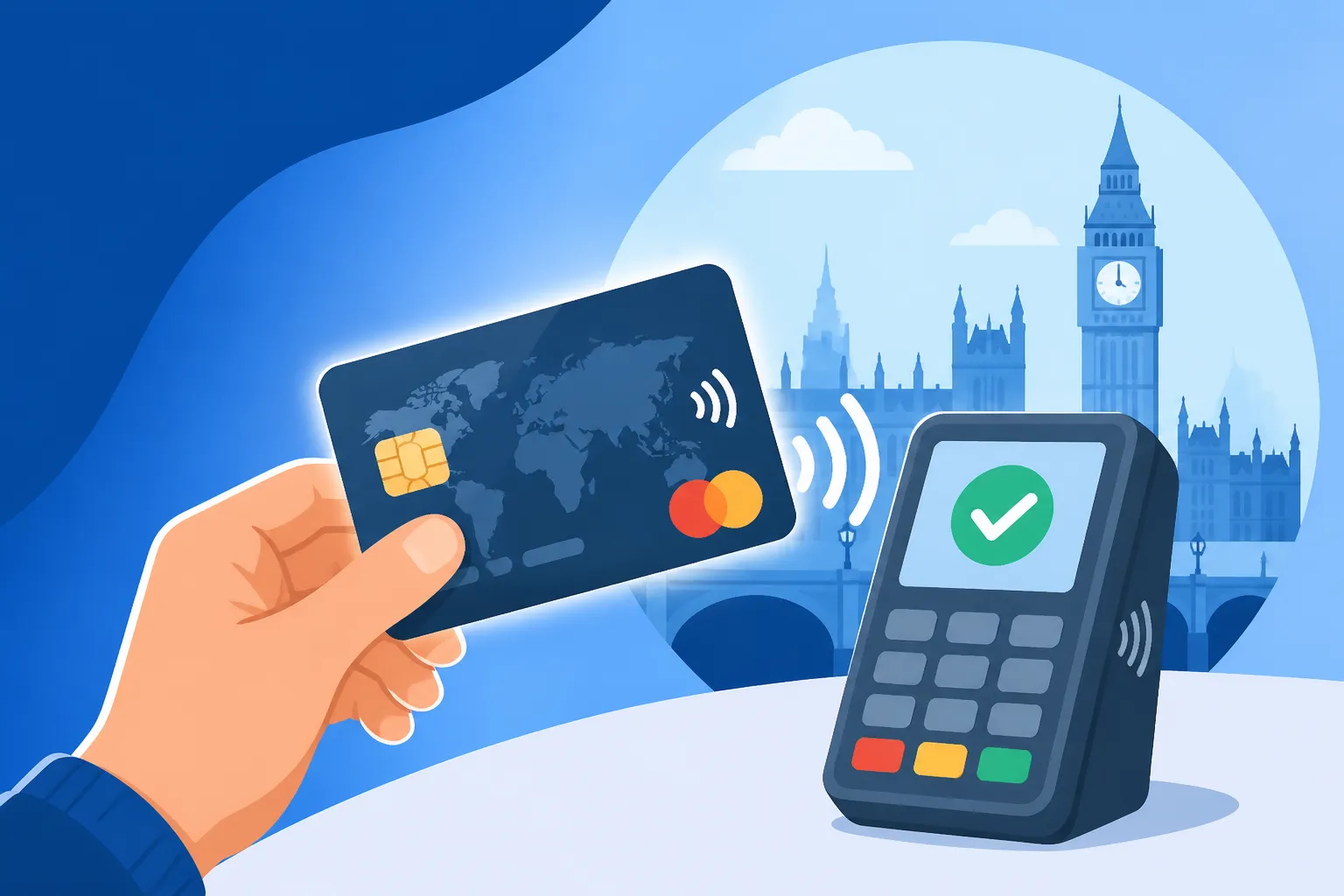
Let's cut right to it: generally, yes, you can absolutely use your foreign bank card in the UK for most transactions. The UK is a highly cashless society, with card payments widely accepted almost everywhere you go, from bustling London markets to quaint village pubs. However, this convenience often comes with a hidden cost and a few potential headaches that can quickly chip away at your carefully planned budget and peace of mind.
Widespread Acceptance of Major Card Networks
When you pull out your card, whether it's for a coffee in Shoreditch or groceries at Tesco, the UK's payment infrastructure is typically very accommodating to major global networks.
Most places, especially larger retailers, supermarkets like Sainsbury's and Waitrose, restaurants, and transport hubs, will readily accept Visa and Mastercard. These are the workhorses of international finance, and you'll find their logos plastered on payment terminals everywhere. American Express is also widely accepted, though perhaps slightly less universally than Visa or Mastercard; occasionally, smaller independent shops or some budget retailers might not take Amex due to higher merchant fees. Cards from networks like Discover or JCB are less common, and while some terminals might process them, you're more likely to encounter issues, particularly outside of major tourist areas. It's always a good idea to have a backup, perhaps a Visa or Mastercard, if your primary foreign card is one of these less common types. Imagine being at a local market in Bristol, picking out some lovely produce, only to find your specific card isn't accepted – it's a minor inconvenience but one you'll want to avoid when you're just trying to settle in.
The Invisible Drain: Foreign Transaction Fees and Exchange Rates
This is where the "yes, but" really kicks in. While your foreign card might physically work, the financial mechanics behind it are often designed to drain your funds through various fees. Your home bank will almost certainly charge you a foreign transaction fee for every purchase made in a different currency. This is typically a percentage of the transaction value, often ranging from 1% to 3%. It might sound small, but these fees stack up alarmingly quickly. Let's say you're spending £50 a day on average; a 3% fee means you're losing £1.50 every single day, or £45 over a month, just on fees before you even consider the exchange rate.
Beyond the explicit transaction fee, there's the currency conversion. Your bank will use its own exchange rate, which is almost always less favourable than the mid-market rate you might see online. This slight difference, often a fraction of a percent, can add up to significant losses over time. Think of it as a hidden commission on every single pound you spend. These small, constant erosions of your funds can make The Complete Guide to Cost of Living in the UK for Expats (2026) even more challenging to manage than it needs to be. For example, if you bought a £20 train ticket, your bank might convert it at a rate that effectively adds an extra 50p or even £1 to the actual cost, beyond any transaction fees. It's a frustrating reality that many expats only truly grasp after seeing their first few bank statements.
The Dynamic Currency Conversion Trap
When you're paying by card in a shop or restaurant, you might be asked, "Would you like to pay in GBP or your home currency?" This seemingly helpful option is called Dynamic Currency Conversion (DCC), and it's almost always a trap you should avoid. If you choose to pay in your home currency, the merchant's payment processor (not your bank) handles the currency conversion. They will apply their own, often highly unfavourable, exchange rate, which is significantly worse than what your bank would typically offer, even with your bank's own fees.
Always, and I mean always, choose to pay in the local currency, which is Great British Pounds (GBP) in the UK. By doing so, you ensure that your own bank performs the conversion, which, while still incurring fees, is usually done at a much more competitive rate than the one offered by the merchant's DCC service. Imagine buying a new coat for £100. If you choose DCC, you might end up paying the equivalent of £105 or even £108 in your home currency, whereas paying in GBP and letting your bank convert might only cost you £102-£103, including their fees. It’s a small detail, but being aware of it can save you quite a bit of money over your initial weeks.
Day-to-Day Realities: Navigating with a Foreign Card
Relying solely on your foreign bank card in the UK is certainly doable for a short while, but it's not without its daily trials. Beyond the financial bleed, there are practical inconveniences that can make settling into your new life a bit more arduous.
ATM Withdrawals: Fees, Limits, and the Hunt for Cash
While the UK is increasingly cashless, there are still times when you might need physical currency. Making cash withdrawals with a foreign card is often the most expensive way to access your money. Firstly, your home bank will likely charge an international ATM withdrawal fee, which could be a flat rate (e.g., $5-$10) per transaction, plus a percentage of the amount withdrawn. Secondly, the UK ATM itself might impose a direct usage fee, especially those not affiliated with a major bank (look out for signs that explicitly state "Free Withdrawals" or "This ATM charges a fee"). These fees can easily stack up to £5-£10 for a single withdrawal, making small cash amounts ridiculously expensive.
Most ATMs in the UK are part of the Link network, so finding one isn't usually an issue. However, you'll also be subject to your foreign bank's daily withdrawal limits, which might be lower than you expect when converting to GBP. This means you might need to make multiple withdrawals to get the cash you need, multiplying those hefty fees. I remember trying to pay a landlord a small cash deposit when I first arrived – a practice that’s thankfully less common now – and being absolutely floored by how much extra it cost me just to get the physical notes. It's a strong reminder of why a local account, or at least a multi-currency solution like Wise, is so beneficial.
Online Purchases and Subscriptions: Unexpected Hurdles
You might think online shopping is universally seamless, but using a foreign card on UK-based websites can sometimes be a frustrating experience. Some UK retailers, particularly smaller ones or those with stricter fraud prevention systems, might reject foreign cards. They may require a billing address that matches a UK address, or they simply aren't set up to process non-UK issued cards easily. This can be particularly annoying if you're trying to set up essential services like mobile phone plans, internet, or even grocery deliveries.
Furthermore, signing up for recurring subscriptions, such as Netflix, gym memberships, or even utility bills, often requires a UK bank account or at least a UK-issued debit card. While some international streaming services might accept your foreign card, anything deeply integrated into the UK's domestic payment system, especially direct debits for rent or utilities, will almost certainly necessitate a local account. This is a crucial point when you're looking at The Expat Guide to Setting Up Utilities (Energy, Water, Broadband) in the UK. Trying to set up a direct debit for your energy bill with a US credit card? Forget about it.
Budgeting Nightmares: Fluctuating Rates and Hidden Costs
Keeping track of your spending when every transaction involves a currency conversion can quickly become a budgeting nightmare. The exact GBP amount you spend won't be the exact amount deducted from your home account; it will fluctuate based on the exchange rate at the time of processing, plus those pesky fees. This makes it incredibly difficult to know precisely how much money you have left in real terms.
Imagine trying to keep track of your budget for food, transport, and socialising, but every purchase amount on your banking app in your home currency is slightly different from what you actually spent in GBP, due to exchange rate shifts and conversion fees. It's like trying to hit a moving target while blindfolded. This financial opacity can cause significant stress, especially in your first few months as you adjust to How Much Is the Average Salary in the UK in 2026?.
The Inevitable Move: Why a UK Bank Account is Essential
While your foreign card serves as a useful bridge, it's unequivocally a temporary solution. For anything beyond short-term tourism, establishing a UK bank account is not just advisable, it's absolutely crucial for seamless integration into British life.
Beyond the Fees: Long-Term Disadvantages of Foreign Cards
The recurring fees are just the tip of the iceberg. Prolonged reliance on a foreign card exposes you to several long-term disadvantages. Security is a major concern; if your card is lost or stolen, resolving issues with a foreign bank from the UK can be a bureaucratic nightmare. There's also the inconvenience of time differences for customer service, language barriers, and the general complexity of international banking queries. Moreover, not having a local bank account can hinder your ability to build a credit history in the UK, which is vital for everything from getting a mobile phone contract to renting a home or, eventually, getting a mortgage.
Many landlords and letting agents, for instance, prefer or even insist on UK bank transfers for rent payments. This is often tied into their systems for managing deposits and recurring payments. Trying to explain why your rent will be coming from an international account, potentially incurring fees for them (or you, if they pass them on), is a hurdle you just don't need.
The Initial Gauntlet: Opening a UK Bank Account
This is often one of the biggest initial challenges for new expats. Traditional high street banks like Barclays, HSBC, Lloyds, and NatWest typically require solid proof of UK address (like a utility bill or tenancy agreement) before they'll let you open an account. For someone who's just arrived and might be staying in temporary accommodation, obtaining these documents can feel like a classic "chicken and egg" problem. You need a bank account for a utility bill, but you need a utility bill for a bank account!
However, the landscape has changed significantly with the rise of digital-first banks. Challenger banks like Monzo, Revolut, and Starling Bank have revolutionised this process. They often have more flexible ID and address verification procedures, making it much easier for newcomers to get a basic account quickly, often just needing your passport and possibly your visa or Biometric Residence Permit. This is invaluable advice for anyone looking at The Expat Guide to Opening a Bank Account in the UK. Many expats find these digital banks an essential first step before they can tackle the more stringent requirements of the traditional banks. They are excellent alternatives when considering Understanding the Difference Between High Street and Digital Banks in the UK.
Here's a quick overview of typical documents needed for a traditional UK bank account:
| Document Type | Purpose | Common Examples |
|---|---|---|
| Proof of Identity | To confirm who you are | Valid passport, National ID card, Biometric Residence Permit (BRP) |
| Proof of Address | To confirm where you live in the UK | Utility bill (electricity, gas, water – less than 3 months old), Tenancy agreement, Bank statement (from another UK bank), HMRC letter, Council Tax bill |
| Proof of Residency/Visa | To confirm your right to live/work in the UK | Visa vignette, BRP, letter from employer (for work visa holders), university acceptance letter (for students) |
| Proof of Income (optional but helpful) | For certain account types or credit products | Employment contract, payslips |
Remember that getting your How to Get a National Insurance Number in the UK is also a key step, as this number is often needed for employment and is a further piece of documentation that can sometimes aid in establishing your presence in the UK.
Streamlining Your Finances: Money Transfers and Bill Payments
Once you have that glorious UK bank account, managing your finances becomes infinitely easier. You can now transfer larger sums of money from your home account without the exorbitant per-transaction fees of a foreign card. This is where services like Wise (formerly TransferWise) truly shine. They offer very competitive exchange rates and transparent, low fees for international money transfers, allowing you to move your savings into your new UK account efficiently. This completely changes the game when you're looking at How to Transfer Money Into and Out of the UK as an Expat.
With a UK account, you can also easily set up Direct Debits and standing orders for your rent, utility bills, council tax, and any other recurring payments. This automation removes the stress of manually making payments and ensures you don't miss any deadlines, which can lead to late fees or service disruptions. Trying to manage these crucial payments with a foreign card is simply not practical or usually even possible in the long run.
Smart Strategies for Your Transition Period
Okay, so we've established that a UK bank account is your ultimate goal. But what about that interim period, those crucial first few weeks or months when you're still finding your feet? There are smart ways to navigate this time, minimising fees and stress.
Multi-Currency Cards and Digital Wallets: Your Best Friends
Before you get a full UK bank account, or even alongside it, consider utilising a multi-currency travel card or a digital bank account that operates across currencies. Companies like Wise offer multi-currency accounts that allow you to hold balances in various currencies, including GBP, often with a physical debit card. You can load these accounts with your home currency, and when you spend in the UK, the card automatically converts at the mid-market rate with minimal, transparent fees. This effectively sidesteps those nasty foreign transaction fees and unfavourable bank exchange rates. I cannot stress enough how much easier this makes financial life for an expat. You can even receive payments in different currencies directly into a Wise account, which is incredibly useful.
Digital wallets like Apple Pay or Google Pay, linked to one of these multi-currency cards, also offer a seamless and secure way to pay, often with additional fraud protection. Just be sure the underlying card linked to your digital wallet is one that minimises foreign transaction fees.
Always Carry Some Local Cash (GBP)
While the UK is undeniably leaning towards a cashless economy, there are still situations where cash is king, or at least highly convenient. Small independent shops, local markets, some public transport (especially buses in smaller towns outside of London), and even emergency situations might call for physical GBP. Having a small stash of notes (e.g., £20-£50) can save you from an awkward situation or the need to find an ATM and pay hefty fees for a minor purchase. I've personally been in a situation where a card machine was down, and having cash saved me from a very long wait for coffee! It's better to be prepared.
Vigilance is Key: Monitor Your Statements and Exchange Rates
Especially in your first few months, make it a habit to regularly check your foreign bank statements. Reconcile your purchases against the amounts actually debited from your account. This will help you:
- Spot hidden fees: Ensure you understand exactly what your bank is charging for international transactions and ATM withdrawals.
- Identify DCC instances: See if any merchants processed your payment using DCC (where you paid in your home currency). If so, it's a learning experience for next time.
- Track spending: Although challenging, trying to get a rough idea of your GBP expenditure versus your home currency outgoings is vital for managing your budget effectively.
Understanding your financial movements is also crucial when it comes to more complex matters, like working out your tax obligations as an expat. Resources like Taxes for Expats can be invaluable in navigating the intricacies of dual tax residency or reporting foreign income once you've settled in properly. Don't be afraid to seek professional advice on financial planning and tax implications for your situation, particularly if you have foreign assets or income. Filing your Filing a Self Assessment Tax Return with HMRC in the UK: The Complete Walkthrough (2027) can be daunting, and professional guidance is always a good idea. Similarly, a thorough understanding of The Complete Guide to Taxes in the UK for Expats (2027) will become essential.
Using your foreign bank card in the UK is a perfectly viable short-term solution, especially with careful planning and the use of multi-currency alternatives. However, it's a stepping stone, not a permanent pathway. Prioritising the opening of a UK bank account will not only save you money in the long run but also significantly ease your administrative burden and help you feel truly settled in your new British home.
Disclaimer
The information provided in this guide is for general informational purposes only and does not constitute financial or legal advice. While we strive to keep the information up-to-date and correct, we make no representations or warranties of any kind, express or implied, about the completeness, accuracy, reliability, suitability, or availability with respect to the website or the information, products, services, or related graphics contained on the website for any purpose. You should consult with a qualified financial advisor or legal professional for advice tailored to your specific situation.