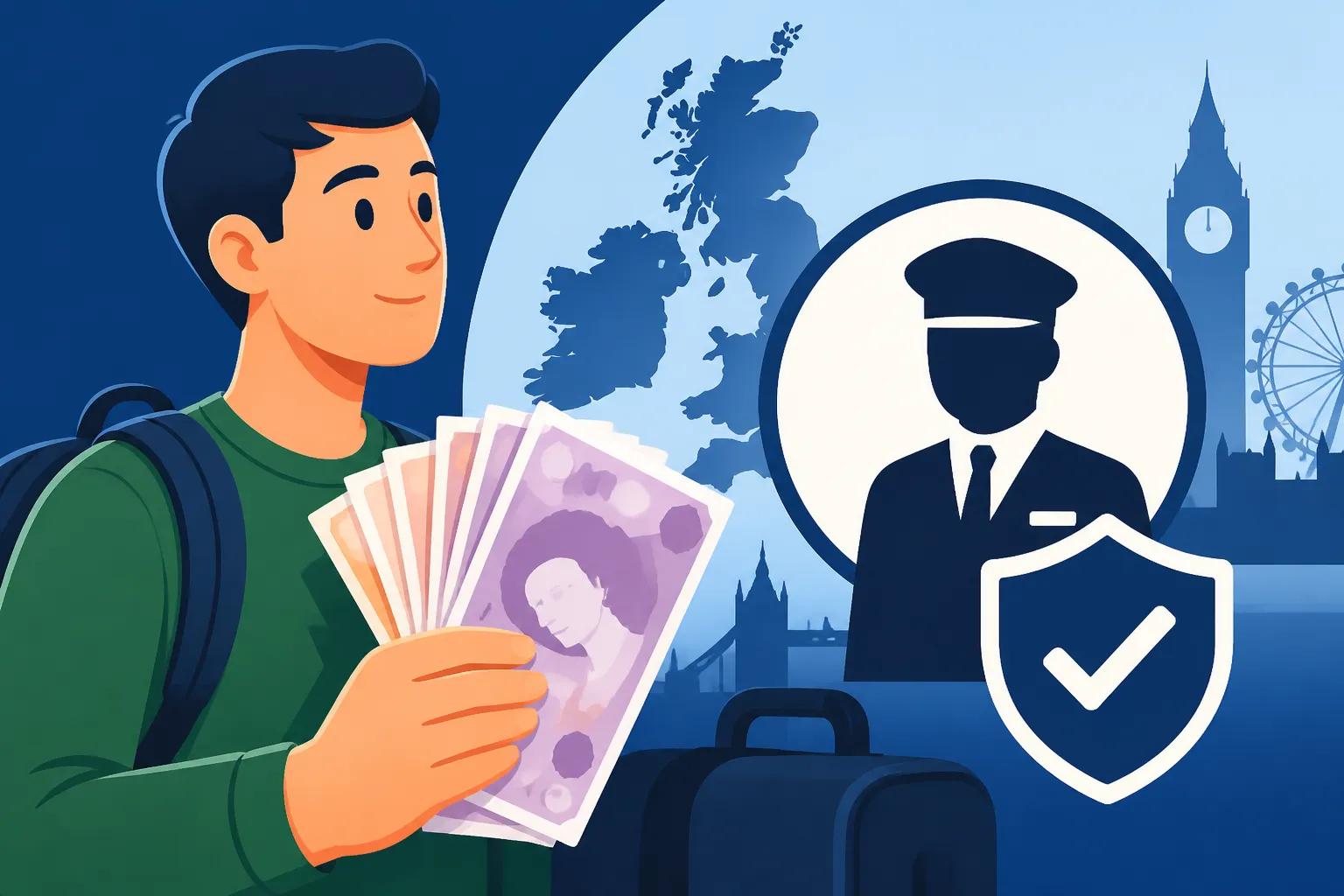
How Much Cash Can I Bring Into the UK?
Moving to the UK is an exhilarating adventure, but let's be honest, it also comes with a hefty dose of administrative headaches and the nagging worry about how to manage your money. One question that pops up for so many of us, often late at night when you're staring at your finances, is: "How much cash can I actually bring into the UK?" It's a valid concern, and navigating the rules without feeling like you're walking a legal tightrope can be daunting. This guide is here to cut through the jargon and explain exactly what you need to know about bringing cash into the UK, so you can focus on the exciting parts of your new life.
Understanding UK Customs Regulations on Cash
When you're packing up your life to move to a new country, the idea of carrying all your worldly savings in a backpack might seem appealing in its simplicity, but trust me, it's rarely the best or safest option. The UK, like many nations, has specific regulations in place regarding the movement of large sums of cash across its borders. These aren't designed to trip you up, but rather to combat serious financial crimes like money laundering and the financing of terrorism.
The £10,000 Rule: What You Really Need to Know
This is the big one, the figure that usually floats around and causes a bit of panic. Many people mistakenly believe there's a limit to how much cash you can bring into the UK. Let me clear this up right now: there isn't a strict upper limit on the amount of physical currency you can carry. However, there is a crucial declaration requirement if you're bringing in, or taking out, £10,000 or more (or the equivalent in any other currency).
This isn't about paying tax on the money you're bringing in (we'll touch on tax later, don't worry); it's purely about transparency. Think of it this way: the authorities just want to know where large sums of money are coming from and where they're going. It's a national security measure, plain and simple. If you arrive in the UK with £9,999 in your wallet, you technically don't need to declare it. But if you have £10,000 or more, you must declare it to HM Revenue & Customs (HMRC) via Border Force.
What exactly counts as "cash" for this rule? It's broader than you might think. We're talking about banknotes and coins, obviously. But it also includes things like banker's drafts, cheques of any kind (including traveller's cheques), and even postal orders. Critically, it also covers "bearer bonds" and other monetary instruments that can be easily transferred from one person to another. If you're unsure if a particular item counts, it's always best to err on the side of caution and declare it or seek advice.
The Declaration Process: How to Fill Out the Form
So, you've assessed your situation, and yes, you're crossing that £10,000 threshold. Now what? The declaration process itself isn't as terrifying as it might sound, but it absolutely needs to be done correctly and honestly. You can declare your cash either online before you travel or in person when you arrive at the port or airport.
The UK government website has a dedicated online form for this, which many expats find more convenient. You'll need to provide details like your personal information, where the money came from, what you intend to use it for, and who it belongs to. This might feel a bit intrusive, but remember, it's standard procedure. They're trying to spot suspicious activity, not judge your personal finances.
If you opt to declare upon arrival, you'll need to find the Border Force desk at your port of entry. They'll have paper forms available. Make sure you do this before you leave the customs area. Forgetting or deliberately choosing not to declare can lead to serious consequences, including fines, confiscation of the cash, and even potential legal action. Border Force officers are trained to spot undeclared cash, so trying to sneak it through is a really bad idea. There are reports of people getting caught out, and it's simply not worth the stress or the severe penalties. Always be honest and upfront.
Beyond the Declaration: Practicalities and Potential Pitfalls
Declaring your cash is one thing, but actually carrying a substantial amount of physical money introduces a whole host of other considerations that go beyond legal requirements. The rules may seem clear on paper, but real life is often a bit messier.
The Risks of Carrying Large Sums of Physical Cash
Let's talk common sense. Carrying a significant amount of cash, say £10,000 or more, is inherently risky. First and foremost, there's the security aspect. You become a target for theft. Imagine navigating a busy airport, getting on a train, or even just walking down a street in a new city with that much money on your person. The stress alone is enough to put anyone on edge. Pickpockets are real, and even if you're hyper-vigilant, accidents happen. A misplaced bag, a moment of distraction, and suddenly your life savings could be gone. Insurance policies for travel often have very low limits for cash, so don't expect to be fully reimbursed if the worst happens.
Beyond theft, there's the simple inconvenience. Stacks of banknotes are bulky and heavy. Trying to keep them secure and discreet, especially during a long journey, is a constant worry. And what about currency exchange? If you're bringing in a foreign currency, you'll need to exchange it into British Pounds (GBP). Airport exchange rates are notoriously bad, offering a terrible deal compared to what you'd get through a bank or a dedicated money transfer service. You'd lose a significant chunk of your money just on the exchange, making the whole exercise more expensive than it needs to be.
Scrutiny and Questioning: What to Expect from Border Force
Even if you declare your cash diligently, Border Force officials have the right to ask you questions, and they often will, especially if the amount is substantial. They're looking for discrepancies or anything that raises a red flag regarding the origin or intended use of the funds. They might ask:
- Where did this money come from? (e.g., "I sold my car," "It's my savings from years of work," "It was a gift from my parents.")
- What will you use it for in the UK? (e.g., "To pay for initial accommodation," "To set up my new business," "My living expenses until I find a job.")
- Who does the money belong to? (If it's not entirely yours, be clear about that.)
- Can you provide any documentation to support the source of these funds?
This last point is critical. Imagine you've declared £20,000, stating it's from the sale of your house in your home country. If you have no paperwork – no sale agreement, no bank transfer confirmation – it immediately raises suspicion. While a legitimate transaction might not always have paperwork you can easily carry, having something to back up your story is immensely helpful. Being able to calmly and clearly explain your situation, backed by evidence, will make the process much smoother. If they suspect the cash is linked to criminal activity, they can detain you, seize the money, and launch a full investigation. It's a serious matter, and honesty, combined with preparation, is your best defence.
Safer and More Efficient Alternatives to Physical Cash
While the UK customs regulations allow you to bring in large sums of cash, the logistical and security challenges, not to mention the potential for intense scrutiny, make it a far less appealing option for most expats. There are much safer and more efficient ways to move your money across borders.
Electronic Transfers: Banking and Specialist Services
For the vast majority of your funds, electronic transfers are the way to go. They offer security, traceability, and often much better exchange rates.
Traditional bank transfers, like SWIFT or SEPA (for transfers within Europe), are reliable. You simply initiate a transfer from your bank account in your home country to your new UK bank account. The downside? They can sometimes be slow, take several working days, and the exchange rates offered by traditional banks might not be the most competitive. Plus, the fees can sometimes add up, especially for international transfers. You'll definitely want to get your UK bank account sorted as soon as possible after arrival. You can learn more about this process in our guide on How to Open a Bank Account When I Move to the UK?.
This is where specialist money transfer services really shine. Companies like Wise (formerly TransferWise) have revolutionised international money transfers. They typically offer much better exchange rates than traditional banks, often using the real mid-market rate, and their fees are transparent and usually much lower. You can set up a transfer online, and the money often arrives within hours or a couple of days, depending on the currencies and banks involved. I've used them myself countless times, and they've saved me a fortune compared to what I used to pay in bank fees and unfavourable exchange rates. They are also incredibly secure, as all transactions are digitally recorded and regulated. This traceability is also a huge plus if anyone ever questions the origin of your funds – you have a clear digital trail. This makes transferring large amounts of money much less stressful than carrying physical cash. For a broader overview of managing your finances, check out our Banking in the UK: A Complete Guide for Foreigners (2027).
Using Debit/Credit Cards and Traveller's Cheques
For day-to-day spending and initial expenses, your existing debit and credit cards can be incredibly useful. The UK is very card-friendly, with contactless payment being almost universal. However, beware of foreign transaction fees, which can add 2-3% to every purchase, and unfavourable exchange rates applied by your home bank. Some banks also have daily spending or withdrawal limits abroad, which could be an issue if you're making a large purchase right away.
Some cards, particularly those designed for travel or offered by digital banks, have much lower or even no foreign transaction fees. It's worth researching this before you travel. You might also consider getting a multi-currency account from a provider like Wise, which allows you to hold and spend in GBP without incurring exchange fees. Our article, Can I Use My Foreign Bank Card in the UK?, provides more detailed insights into this.
Traveller's cheques are less common these days but still exist. They offer a level of security in that they can be replaced if lost or stolen, unlike cash. However, finding places to cash them can be difficult, and their exchange rates are generally not the best. For most expats, they're not a primary solution.
Understanding Tax Implications for Large Sums
It's a common misconception that bringing a large sum of money into the UK automatically means you'll be taxed on it. This is usually not the case. The act of importing money itself is not a taxable event. However, the source of that money, or any income generated from it once it's in the UK, absolutely can have tax implications.
For example, if you sell a property in your home country and bring the proceeds to the UK, that initial capital generally isn't taxed when it enters the country. But if you then invest that money and it starts earning interest or dividends, that income will be subject to UK income tax or capital gains tax. Similarly, if the funds you're bringing in are accumulated profits from a business, or an inheritance, there might be tax considerations in your home country or in the UK.
For most expats, understanding the nuances of UK tax residency and how it applies to their worldwide income is crucial. The UK tax system can be complex, especially for non-domiciled residents or those with assets in multiple countries. It's highly advisable to seek professional tax advice, ideally before you move. Services like Taxes for Expats specialise in helping newcomers navigate these complexities and ensure you remain compliant with HMRC. You definitely don't want to get caught out by unexpected tax bills. For a deeper dive into this, you'll find our guide on The Complete Guide to Taxes in the UK for Expats (2027) incredibly helpful.
Preparing for Your Arrival with Funds
Smooth financial transitions are all about preparation. The more you plan, the less stress you'll encounter upon arrival. This is especially true when it comes to having access to your money.
Documentation is Key: Proof of Funds and Source
I cannot stress this enough: documentation is your best friend. Whether you're making an electronic transfer or, against my advice, carrying a larger sum of cash (which you've declared!), always have proof of where that money came from. This isn't just for Border Force; it can also be required by banks when you open an account or when HMRC makes enquiries.
What kind of documentation? Think official papers. If you sold a house, bring the sale agreement. If it's a gift, a signed letter from the person gifting the money, clearly stating the amount and that it's a gift, will be useful. For inheritance, have copies of probate or relevant legal documents. If it's your accumulated savings, bank statements showing the history of the funds. The more official and clear the documentation, the better. Have digital copies readily accessible on your phone or in the cloud, and perhaps a few physical copies in a separate bag from where any actual cash might be.
Having this documentation readily available demonstrates transparency and can quickly resolve any questions or suspicions from authorities or financial institutions. It shows you're a legitimate individual with legitimate funds, simply moving your life to a new country.
Initial Days: Having Access to Immediate Funds
Even with all the best electronic transfer plans, there’s always a small window when you first arrive in the UK where you might not have full access to your new UK bank account. Transfers might be pending, or you might need to show up in person with documents for account activation. This is why having some immediate access to funds is crucial for those first few days.
It is wise to have a small amount of physical cash (under the £10,000 declaration threshold, obviously) in British Pounds for immediate expenses like a taxi from the airport, a coffee, or a quick meal. Don't carry a huge amount, just enough to get you through the first 24-48 hours comfortably.
Alongside this, consider having a prepaid travel card loaded with GBP, or an international debit card from a provider known for low foreign transaction fees. These can bridge the gap before your UK bank account is fully operational. Many expats find these options invaluable. Our guide, The Expat Guide to Opening a Bank Account in the UK, goes into detail about getting your banking set up, and our post on How to Transfer Money Into and Out of the UK as an Expat offers more insights into international money transfers. Planning for these initial days will significantly reduce stress as you navigate your new environment.
Comparing Money Transfer Methods
To give you a clearer picture, here's a quick comparison of the common methods for bringing substantial funds into the UK:
| Method | Security | Cost (Fees/Rates) | Speed | Convenience | Traceability (for officials) | Notes |
|---|---|---|---|---|---|---|
| Physical Cash (under £10k) | Low (theft risk) | High (poor exchange rates, potential loss) | Immediate | Low (bulky, worry) | Low | Good for small, immediate expenses. Not recommended for larger sums due to theft risk and poor exchange rates upon conversion. |
| Physical Cash (over £10k) | Low (theft risk) | High (declaration process, poor exchange rates, potential loss) | Immediate | Low (bulky, worry, declaration) | High (due to declaration) | Requires mandatory declaration to Border Force. High risk of theft/loss. Poor exchange rates if converting foreign currency at borders. Can lead to intense scrutiny. |
| Traditional Bank Transfer (SWIFT) | High | Moderate (bank fees, less competitive rates) | Slow (2-5 days) | Moderate (requires bank accounts) | High | Reliable and secure. Can be slower and more expensive than specialist services. Requires you to have a UK bank account already set up. |
| Specialist Money Transfer (e.g., Wise) | High | Low (transparent, competitive rates) | Fast (hours-2 days) | High (online setup) | High | Excellent for larger transfers. Offers better exchange rates and lower fees than traditional banks. Fully traceable. Highly recommended for moving main funds. |
| Foreign Debit/Credit Cards | High (fraud protection) | Moderate (foreign transaction fees, DCC) | Immediate | High (widespread acceptance) | High | Good for initial spending. Watch out for conversion fees and less favourable exchange rates from your home bank. Ensure your bank knows you're travelling to avoid card freezes. |
| Traveller's Cheques | Moderate (replaceable) | Moderate-High (cashing fees, poor rates) | Varies | Low (limited acceptance) | High | Older method, less common. Offers security against loss but can be hard to cash and rates are not optimal. |
This table should help illustrate why carrying large amounts of physical cash is generally not the most pragmatic or safest approach. For anything beyond a small amount for immediate use, electronic transfers, particularly through specialist services like Wise, are overwhelmingly the superior option.
Moving your life, and your money, to a new country is a big deal. Taking the time to understand the regulations and plan your financial logistics will save you a lot of grief in the long run. Remember, the goal is a smooth, stress-free transition, allowing you to settle into your new life in the UK with confidence. Don't let the fear of rules or the hassle of declarations overshadow the excitement of your new beginning!
Disclaimer
The information provided in this guide is for general informational purposes only and does not constitute legal, financial, or tax advice. While we strive to provide accurate and up-to-date information, regulations and policies in the UK can change. It is essential to consult with relevant authorities, such as HMRC or Border Force, or qualified professionals for advice tailored to your specific situation before making any financial decisions or when entering the UK with large sums of money. We cannot be held responsible for any loss or inconvenience caused by relying on this information.