How Do I Claim Marriage Allowance in the UK?
Navigating the UK tax system can feel like trying to solve a Rubik's Cube blindfolded, especially when you're an expat already grappling with a whole new way of life. Many couples miss out on valuable tax relief simply because the rules seem overly complex, or they're unsure if they even qualify. This guide is here to demystify the Marriage Allowance, walking you through exactly what it is, who's eligible, and how you can claim it in the UK, ensuring you don't leave money on the table.
Understanding the Marriage Allowance in the UK
When you first arrive in the UK, every official letter from HMRC can feel like a new riddle. But trust me, the Marriage Allowance is one you'll want to solve. It's a fantastic little perk designed to help married couples or those in civil partnerships reduce their tax bill, and it’s surprisingly underutilised. It’s not a cash payment in itself, but rather a way to reduce the tax your partner pays if one of you earns below the Personal Allowance.
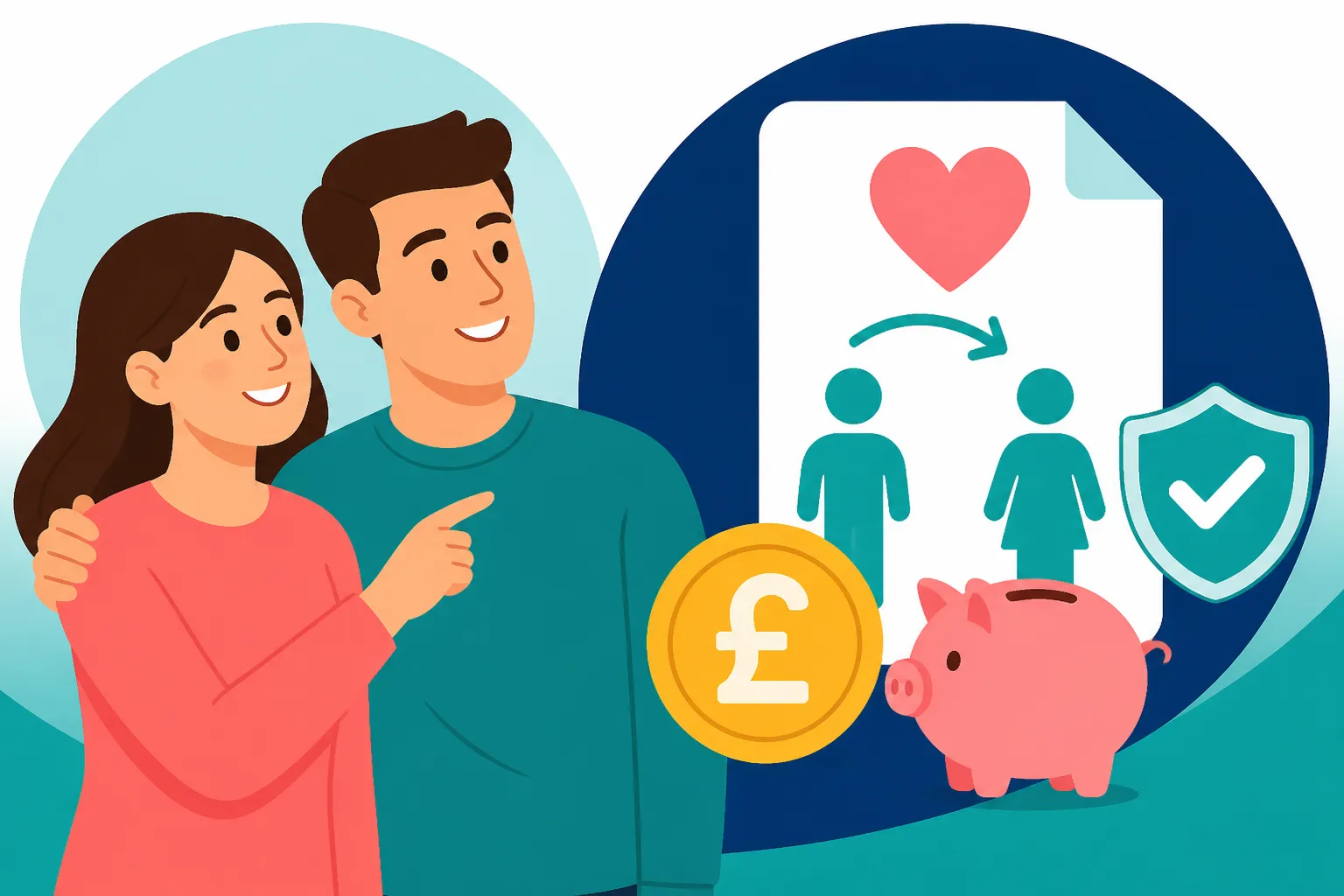
The concept is fairly straightforward, even if the government explanation can make it sound like rocket science. Essentially, if one partner isn't using all of their tax-free Personal Allowance – the amount of income you can earn before you start paying income tax – they can transfer a portion of it to their higher-earning partner. This simple act can reduce the amount of income tax the higher earner has to pay. For the 2024/2025 tax year, for instance, you can transfer £1,260 of your Personal Allowance. This means your partner’s income tax bill could be reduced by up to £252. Every little bit helps, right? Especially when you're settling into a new country and every penny counts.
Eligibility Criteria: Who Can Claim?
Before you even think about putting in a claim, you need to make sure you tick all the right boxes. It's frustrating to go through the motions only to find out you're not eligible, so let's get this clear upfront. You and your partner must be married or in a civil partnership – unfortunately, common-law partners or those simply cohabiting don't qualify for this specific allowance. It's a real sticking point for many, but those are the rules.
The key condition hinges on your income. One partner must have an income below the Personal Allowance, which for most people in the UK is £12,570 for the 2024/2025 tax year. This means they are a non-taxpayer, or only pay a very small amount of tax. The other partner must be a basic rate taxpayer, meaning their income is between £12,571 and £50,270 (for most of the UK). If your partner earns above the higher-rate threshold, which is currently £50,270, then I'm afraid you won't be able to claim. It's designed to help those at the lower and basic rate end of the income scale. Furthermore, both partners must have been born on or after 6 April 1935. If either of you was born before this date, you might be eligible for the Married Couple's Allowance instead, which is a different beast entirely.
How the Transferable Allowance Works
So, you've established that one of you is a low earner or a non-taxpayer, and the other is a basic rate taxpayer. Great! Now, how does the actual transfer happen? It's the low earner who applies to transfer a portion of their unused Personal Allowance to their partner. Once approved, HMRC adjusts the tax code of the higher-earning partner. This new tax code will reflect the transferred allowance, meaning they'll start paying less tax from that point onwards.
Let's imagine Sarah, a new arrival from Australia, is working part-time and earning £10,000 a year, putting her below the £12,570 Personal Allowance threshold. Her husband, Mark, works full-time, earning £40,000 a year, making him a basic rate taxpayer. Sarah can apply to transfer £1,260 of her unused Personal Allowance to Mark. This means Mark’s tax-free allowance effectively increases, and he’ll pay tax on £1,260 less of his income. At the basic rate of 20%, this works out to a tax saving of £252 a year. It's like finding extra cash in your old coat pocket – a pleasant surprise that can go towards those little luxuries or even just help with the rising cost of living in the UK.
Step-by-Step Guide to Claiming Marriage Allowance
Okay, so you’ve figured out you’re eligible. Now comes the exciting part: actually claiming it. Don’t worry, it’s not as daunting as some other interactions with HMRC can be. This isn't like filing a complex Self Assessment Tax Return with HMRC in the UK: The Complete Walkthrough (2026). There are a few ways to do it, and thankfully, the online method is pretty straightforward for most people.
Before You Apply: What You Need
Before you dive into the application, gather a few bits of information. Having everything ready saves you from scrambling around halfway through the process, which, let's be honest, we've all done. You'll need your National Insurance number – if you don’t have one yet, you can learn How to Get a National Insurance Number in the UK as a priority. Your partner will also need their National Insurance number handy. You’ll also need details of your income for the current tax year to confirm eligibility, though HMRC should have this information on file if you're employed through PAYE.
Beyond the basics, you'll need one of these to verify your identity when applying online: a UK passport, a P60 from the last 4 years, or payslips/P45. If you're new to the UK and don't have these, it might be a bit trickier, but there are alternative verification methods, or you can opt to apply by phone or post. Just remember, the lower earner is the one who initiates the claim. It’s their unused allowance being transferred, so they're the one HMRC needs to hear from directly. Make sure you're both on the same page and have discussed this, so there are no surprises!
The Application Process: Online, Phone, or Post
Most people find applying for the Marriage Allowance online to be the quickest and easiest method. Simply head over to the UK government's website and search for "Marriage Allowance." You'll be directed to a dedicated section where you can start the application. The online portal will guide you through a series of questions to confirm your eligibility and allow you to submit your details. It usually takes about 10-15 minutes if you have all your information ready.
If online isn't your thing, or you're struggling with the identity verification, you can always apply by phone. Just call the HMRC Income Tax helpline, and an agent will be able to assist you. Be prepared for a bit of a wait, especially during peak times, but they are generally very helpful. Lastly, if you prefer good old-fashioned snail mail, you can download a form from the government website, fill it out, and send it back. This is often the slowest method, so if you're keen to see the tax relief kick in sooner, online or phone is probably your best bet. Regardless of the method you choose, it’s about making sure your details are accurate. A small mistake can lead to delays, which is just another headache you don’t need as an expat.
What Happens After You Claim and Potential Pitfalls
So, you've hit submit, or put down the phone, or popped the form in the post box. What now? The wheels of HMRC turn, sometimes slowly, but they do turn. It's natural to feel a bit in the dark, but there's a clear process that unfolds after your claim for Marriage Allowance is made. Understanding this helps you manage expectations and know what to look out for.
Receiving Your Tax Relief and Adjustments
Once your application is processed and approved, HMRC will update your partner's tax code. This revised tax code will be sent to both you and your partner, and crucially, it will be shared with your partner's employer. This usually happens within a few weeks of your application. The employer will then apply the new tax code, meaning your partner will start paying less income tax in their regular pay packet. The reduction in tax will usually be spread out across the remaining pay periods of the current tax year.
Now, here's a fantastic bonus that many people overlook: you can often backdate your claim for Marriage Allowance for up to four previous tax years. This means if you were eligible but didn't know about it, or simply forgot to claim, you could be due a significant tax refund. Imagine you’ve been eligible for the past four years, that’s £252 x 4 = £1,008 potentially coming back to you! If you're a couple who has been in the UK for a while, perhaps one of you had a period of lower income or parental leave, this could be a real windfall. HMRC will typically send a payment directly to the higher earner, or adjust their tax code to reflect the backdated amount. For those who frequently transfer money internationally, using a service like Wise can be helpful if that refund needs to find its way to an overseas account, though usually HMRC sends directly to a UK bank account.
| Tax Year | Personal Allowance | Marriage Allowance Transferable | Potential Tax Saving (20% basic rate) |
|---|---|---|---|
| 2024/2025 | £12,570 | £1,260 | £252 |
| 2023/2024 | £12,570 | £1,260 | £252 |
| 2022/2023 | £12,570 | £1,260 | £252 |
| 2021/2022 | £12,570 | £1,260 | £252 |
Figures are for most of the UK; different rates apply in Scotland.
Common Issues and How to Resolve Them
Even with the best intentions, things can sometimes go a bit sideways with tax claims. One common issue is a delay in HMRC processing the claim. If you haven't heard anything after a month or so, don't just sit there stewing! It's worth chasing them up with a phone call. Have your National Insurance numbers and application reference handy. Another snag can be incorrect information provided during the application; double-check everything before submitting. If your circumstances change, such as the low earner's income increasing beyond the Personal Allowance, it's crucial to inform HMRC, as you may no longer be eligible. Failure to do so could lead to an underpayment of tax.
Expats sometimes face unique challenges. If one partner has significant Foreign and UK Income, it can complicate the "low earner" status, especially if that foreign income isn't taxed in the UK due to double taxation agreements. It's vital to clearly declare all worldwide income when determining eligibility for the Personal Allowance. If you're not sure how your specific international income impacts your UK tax position, or if you need clarity on your Tax Residency and the Statutory Residence Test in the UK (2027), this is where specialist advice really comes into its own. Services like Taxes for Expats are invaluable here, as they understand the nuances of international tax laws and how they intersect with UK allowances. They can help clarify eligibility and ensure you're compliant while maximising your rightful tax benefits.
Scenarios and Special Cases for Expats
As an expat, your financial life can be a little more colourful than a standard UK resident's, and that often brings special considerations when it comes to things like the Marriage Allowance. The core rules remain the same, but how they apply to you can sometimes require a bit of extra thought.
If One Partner Has Foreign Income or is Non-Resident
This is where things can get a little complex. Let's say one partner lives in the UK, is a basic rate taxpayer, and the other, the 'low earner,' resides overseas for part of the year or has income from their home country. The key factor for the Marriage Allowance is that both partners must be born after 5 April 1935 and must be married or in a civil partnership. Crucially, the non-taxpayer must genuinely not be paying income tax on their worldwide income at the basic or higher rate, and the recipient must be a basic rate taxpayer in the UK.
If the low-earning partner is not a UK resident for tax purposes, they generally won't have a UK Personal Allowance to transfer in the first place, making them ineligible to be the transferor. However, if the low-earning partner is a UK tax resident but simply earns their modest income from abroad, that income still counts towards their total income for the purposes of the Personal Allowance threshold. You might be considering whether you're using the "remittance basis" for your foreign income; this can add another layer of complexity. If your situation involves income from multiple countries, or you're unsure about your tax residency status, consulting a specialist like those at Taxes for Expats could be a lifesaver. They can help you understand the intricacies of Understanding Double Taxation Agreements and Foreign Tax Credits in the UK and how it affects your eligibility for allowances like this.
Claiming for Previous Tax Years
We touched on this briefly, but it deserves a deeper dive because it’s a big win for many expat couples. You can claim Marriage Allowance for the current tax year and backdate it for up to four previous tax years. This means if you moved to the UK a few years ago and met the criteria then, but only just found out about the allowance, you haven't missed your chance! This can result in a significant refund, as HMRC will recalculate your partner's tax for those past years.
To backdate a claim, you essentially follow the same application process – whether online, by phone, or post. The system will prompt you to indicate which tax years you wish to claim for. Remember, the eligibility criteria (marriage, income thresholds) must have been met for each of those previous tax years. If your income fluctuated, or one of you was a higher-rate taxpayer for a specific year, that year might not be eligible. This retrospective element of the Marriage Allowance is a fantastic benefit, especially for expats who might have spent their first few years just trying to get their head around The Complete Guide to Taxes in the UK for Expats (2027) in general, let alone delving into specific allowances. Don't be shy about claiming what you're owed!
Staying on Top of Your Finances
While the Marriage Allowance is a relatively straightforward tax benefit, managing your overall finances as an expat in the UK can be anything but. From understanding the nuances of Understanding Income Tax and Tax Bands in the UK (2026) to grappling with the complexities of How the UK Tax System (HMRC) Works: PAYE and National Insurance Explained (2027), there's a lot to learn. Don't forget the importance of getting your National Insurance Number in the UK, which is crucial for almost every financial transaction here.
Keeping track of your income, expenses, and potential deductions is key, whether you're employed or one of you happens to be a Sole Trader in the UK. Making sure your tax code is correct is paramount; a simple change can mean the difference between paying the right amount of tax and facing an unexpected bill or missing out on a refund. HMRC is usually quite good at communicating these changes, but it's always worth checking your payslips and your Personal Tax Account with HMRC online. For new arrivals, learning How to File Your First Tax Return After Moving to the UK is another essential step.
Remember, the UK tax year runs from 6 April to 5 April, and many allowances and thresholds change slightly each year, so it's always a good idea to stay informed.
Disclaimer
The information provided in this article is for general guidance only and does not constitute professional financial or tax advice. While we strive to ensure accuracy and up-to-date information, tax laws and regulations in the UK can be complex and are subject to change. Your individual circumstances may vary, and we recommend consulting with a qualified tax advisor or HMRC directly for personalised advice.