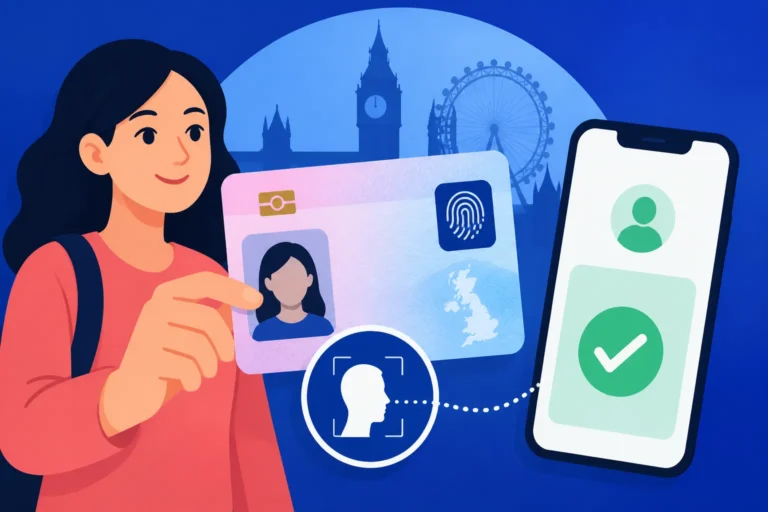
Understanding the Youth Mobility Scheme Visa in the UK
Moving to a new country for an extended period, especially when you're young and brimming with adventure, can feel like navigating a maze of paperwork and confusing rules. Many of you dream of experiencing the vibrant UK, working, travelling, and immersing yourselves in British culture, but figuring out the right visa can be a real headache. This comprehensive guide will demystify the Youth Mobility Scheme (YMS) visa, explaining exactly what it is, who can apply, how the process works, and what to expect during your incredible two years here.
What Exactly is the Youth Mobility Scheme Visa?
The Youth Mobility Scheme (YMS) visa is like a golden ticket for young people from certain countries who want to live and work in the UK for up to two years. It's a fantastic opportunity to explore a new culture, gain international work experience, and travel extensively across the UK and Europe, all while having the financial freedom to support yourself. Unlike some other more rigid work visas, the YMS offers incredible flexibility, allowing you to take on almost any kind of job, or even start your own business, without needing a specific employer to sponsor you. It truly champions the idea of cultural exchange and personal development, allowing you to discover the UK on your own terms.
More Than Just a "Working Holiday" Visa
While often referred to as a "working holiday" visa in common parlance, the YMS is officially categorised as a Tier 5 visa under the UK's points-based immigration system. This distinction might seem subtle, but it's important. It's not just about casually travelling; it's about a genuine opportunity to live, work, and contribute to UK society for a defined period. The scheme encourages participants to experience British life firsthand, whether that's working in a bustling London pub, volunteering for a charity in Edinburgh, or picking up a seasonal job in the Scottish Highlands. The beauty of it is that you're not tied to one job or one location. You have the freedom to move around, try different roles, and really get a feel for various aspects of British life. This flexibility is a huge draw for young people eager to broaden their horizons without the long-term commitment of a sponsored work visa.
For example, I remember a young lass from Australia who arrived on a YMS visa. She started out working in a cafe in Brighton, enjoying the seaside life. After a year, she decided she wanted to see more of the north and managed to secure a temporary marketing role in Manchester, a city buzzing with energy. This kind of fluid movement and career exploration simply isn't possible with most other visa routes, which often require you to stick with a sponsoring employer. It's truly designed to give you an immersive, hands-on experience of the UK, letting you shape your own adventure.
The Benefits and Limitations for Young Expats
The benefits of the YMS visa are truly fantastic for young expats. Firstly, the aforementioned flexibility is paramount. You don't need a job offer before applying, which reduces immense pressure during the initial move. Once here, you can seek employment in almost any sector, switch jobs freely, and even pursue self-employment, provided you don't establish a permanent business presence or employ staff. This means you could work in hospitality for a few months, then find an office job, or even spend some time freelancing – the choice is largely yours. This contrasts sharply with a Skilled Worker Visa in the UK, which ties you to a specific employer and role.
However, it's also crucial to be aware of the limitations. The most significant is its fixed term: a maximum of two years. This visa cannot be extended, and you cannot re-apply for it, ever. Once your two years are up, you must leave the UK. For those who fall in love with the UK and wish to stay longer, this can be a hard pill to swallow, requiring a complete shift to another visa category, which might be a Family and Partner Visas in the UK if you meet a British partner, or a sponsored work visa if you find a suitable employer. Another point to remember is that while you have access to the NHS (National Health Service) once you've paid the Immigration Health Surcharge (IHS), it's worth understanding the nuances. For those who prefer quicker access to specialists or certain treatments, looking into private options like Health Insurance in the UK: Private Cover and Options Explained might be a good idea, and brands like Cigna Global offer various plans tailored for expats. You might also want to look into Emergency Medical Care in the UK: What Every Expat Needs to Know to understand how the system works for immediate issues.
Who is Eligible? The Nationality and Age Criteria
The Youth Mobility Scheme is quite specific about who can apply, focusing heavily on nationality and age. It's not open to everyone, and there are strict rules in place to ensure it remains a reciprocal arrangement between the UK and participating countries. So, before you get too excited about packing your bags, it’s vital to check if you meet these fundamental criteria. Believe me, countless hopefuls have started planning only to hit a wall here – save yourself the disappointment by getting this right first.
Countries with a Youth Mobility Arrangement
The scheme operates on a bilateral basis, meaning only citizens of countries and territories that have a specific agreement with the UK can apply. This isn't just a free-for-all; it's a mutual exchange that benefits both the UK and the partner nations. This list can sometimes change, so it's always best to check the official UK government website for the most current information, but generally, it includes countries like Australia, Canada, Japan, Monaco, New Zealand, Hong Kong, Republic of Korea, and Taiwan.
It’s worth noting that if you're a British overseas citizen, British national (overseas), or a British citizen ordinarily resident in certain territories (like the Falkland Islands, Gibraltar, or Jersey), you might also be eligible. The idea is to foster cultural ties and youth exchange, offering a fantastic opportunity that isn't available to just any nationality. If your country isn't on the list, don't despair; there might be other visa routes, such as the High Potential Individual Visa in the UK or How the UK Points-Based Immigration System Works (2027), but the YMS specifically requires this bilateral agreement.
The Strict Age Limits You Need to Know
This is probably the most crucial criterion for the Youth Mobility Scheme: age. To be eligible, you must be aged 18 to 30, inclusive. This means you must be at least 18 years old on the day your visa becomes valid, and you cannot have turned 31 by the time you apply. There are absolutely no exceptions to this rule. Far too many people miss out by a matter of weeks, thinking they could sneak through, but the system is quite rigid on this. If you’re even a day over 30 when your application is submitted, it will be refused.
This age limit is set because the scheme is fundamentally about youth exchange and providing early career or travel opportunities before individuals settle into more permanent life stages. So, if you're hovering around your 30th birthday, make sure you plan your application well in advance, leaving plenty of time for gathering documents and submission. For those slightly older, perhaps considering a move for professional reasons, exploring options like The Expat Guide to the Skilled Worker Visa in the UK (2027) might be a more suitable path.
Financial Requirements and Other Essential Checks
Beyond nationality and age, there are crucial financial and other checks you'll need to pass. You must have at least £2,530 in your bank account for 28 consecutive days, ending no more than 31 days before you apply. This isn't just a suggestion; it’s a strict requirement to prove you can support yourself financially upon arrival, without immediately relying on public funds. This fund is vital for your initial period while you're getting settled, finding a job, and setting up your life. Showing proof of these funds is a mandatory part of the application, and it must be in an acceptable format, usually a bank statement.
Additionally, you cannot have any children who are financially dependent on you, and you must not have previously been granted a YMS visa or the former 'working holidaymaker' visa. You also need a valid passport from one of the eligible countries. A common mistake is not having the funds consistently in the account for the full 28 days, or withdrawing money too soon before the application date. The UK Visas and Immigration (UKVI) are quite particular about this, so ensure your financial evidence is impeccable. It's all part of demonstrating that you are a genuine visitor who can be self-sufficient and won't become a burden on the state, a key principle across all UK visa categories.
| Requirement | Details |
|---|---|
| Nationality | Citizen of an eligible country (e.g., Australia, Canada, Japan, New Zealand, Republic of Korea, etc.) or a specific British overseas status. |
| Age | Aged 18 to 30 (inclusive) at the time of application submission. Must not have turned 31. |
| Funds | Must have at least £2,530 in savings, held for a continuous 28-day period, ending within 31 days of the application. |
| Dependants | Cannot have any children who are financially dependent on you. |
| Previous YMS | Must not have previously held a YMS visa or the former 'working holidaymaker' visa. |
| Passport | Hold a valid passport from an eligible country/territory. |
| Criminal Record | Must not have any adverse immigration history or unspent criminal convictions that would make you ineligible. |
The Application Process: Step-by-Step Guidance
Applying for any visa can feel like a daunting task, and the Youth Mobility Scheme is no exception. While it’s generally one of the more straightforward UK visa routes, it still requires careful attention to detail and adherence to specific instructions. Missing a single piece of evidence or misunderstanding a question can lead to delays or, worse, refusal. My advice, from years of seeing expats navigate this, is to approach it methodically, one step at a time, and not to rush.
Gathering Your Documents and Evidence
Before you even think about filling out the online form, get your documents in order. This is the bedrock of a successful application. You'll primarily need your current, valid passport. Ensure it has enough validity to cover your intended two-year stay in the UK. Many people forget about the expiry date, leading to last-minute panic or issues at the border. You'll also need proof of your funds, as mentioned earlier. This means an official bank statement showing at least £2,530 held for a continuous 28-day period. This statement must be recent – typically issued within 31 days before your application date. Make sure the statement is in English, or officially translated if not.
Beyond these core documents, you might also need other supporting evidence depending on your specific circumstances or nationality. This could include birth certificates, previous visa stamps, or proof of parental consent if you’re 18 and applying shortly after your birthday. It's always a good idea to create a checklist and tick off each item as you gather it. Remember, UKVI caseworkers are looking for clear, unambiguous evidence. Don’t give them any reason to doubt your eligibility. Think of it as painting a complete picture of yourself as a qualifying applicant. You'll also likely need to upload digital copies of these documents during the online application process.
Filling Out the Online Application and Biometrics
Once your documents are ready, it’s time to tackle the online application form on the official UK government website. Take your time, read each question carefully, and answer truthfully. Any discrepancies or misleading information can lead to refusal. It’s a comprehensive form that covers your personal details, travel history, criminal convictions (if any), and your intentions in the UK. Double-check everything, especially names, dates of birth, and passport numbers. Trust me, a tiny typo can cause monumental headaches down the line.
After completing the online form and paying the application fee and the Immigration Health Surcharge (IHS) – which, by the way, is a mandatory payment that grants you access to the NHS services once you arrive, as detailed in Understanding the Immigration Health Surcharge (IHS) and NHS Access (2027) – you'll need to book an appointment at a visa application centre (VAC). This is where you'll provide your biometrics: fingerprints and a digital photograph. This step is crucial for identity verification and security checks. The VAC will also typically collect your physical passport if required by your country's process. Be prepared for potentially long queues and ensure you bring all required appointment confirmations and original documents with you, even if you’ve uploaded digital copies.
Understanding Processing Times and Decisions
The waiting game begins once you've submitted your application and provided your biometrics. Processing times for the Youth Mobility Scheme visa can vary significantly depending on where you are applying from. Generally, most applications are processed within 3 weeks of attending your biometrics appointment. However, during peak seasons or if your application requires additional checks, it can take longer. Some countries, for example, have a ballot system for the YMS visa, especially those with limited allocations (like Japan, South Korea, and Taiwan), which can add an extra layer to the timeline as you first have to be invited to apply.
You'll usually receive an email notification once a decision has been made. If successful, you'll receive a vignette (a sticker in your passport) valid for 90 days, which you use to enter the UK. Upon arrival, you'll collect your Biometric Residence Permit (BRP) from a designated Post Office or receive it via post, which will be your actual visa for the full two years. If your application is refused, the letter will explain why. Unfortunately, YMS visa refusals are typically final with limited avenues for appeal, so getting it right the first time is paramount. Patience is key during this period, and resisting the urge to constantly chase UKVI can save you a lot of stress.
Living and Working in the UK on a YMS Visa
Congratulations, you've got your visa and landed in the UK! Now the real adventure begins. The beauty of the YMS visa is the freedom it grants you to immerse yourself in British life, but it’s still important to understand the practicalities of working and accessing services. It's not just about turning up; it's about making the most of your time effectively.
Employment Opportunities and Restrictions
One of the greatest advantages of the Youth Mobility Scheme is the near-unrestricted access to the UK job market. Unlike many other visas that tie you to a specific employer, the YMS allows you to work in almost any role, for any employer, and switch jobs as often as you like during your two-year stay. This means you can easily find casual work in hospitality, retail, or administration, or even pursue more professional roles if your skills and experience align. You could even explore freelance work, becoming your own boss while here, although you cannot establish a business with permanent premises or employ staff. This flexibility is what makes it so appealing for those looking to gain diverse experience or simply fund their travels.
However, there are a few restrictions to keep in mind. You cannot work as a professional sportsperson or a doctor or dentist in training (unless you hold a primary medical qualification from a UK institution). You also cannot extend your visa beyond the two years, as previously mentioned. Many YMS holders find work through online job boards like Indeed and LinkedIn, or by simply walking into local businesses. It's a good idea to adapt your CV for the UK job market before you arrive, tailoring it to British conventions and expectations, as this can significantly boost your chances of securing employment quickly. When you find a job, your employer will need your National Insurance Number, which you'll need to apply for once you're in the UK.
Accessing Healthcare and Other Public Services
As a YMS visa holder, once you’ve paid the Immigration Health Surcharge (IHS), you are entitled to use the National Health Service (NHS) in the same way a permanent resident would. This includes seeing a GP (General Practitioner), accessing hospital services in an emergency, and receiving specialist care via referral. However, it's crucial to understand how the NHS works, especially for newcomers. Your first port of call for any non-emergency health concerns will always be your local GP surgery. You'll need to Registering with a GP in the UK: The Complete Expat Guide (2027) once you have a fixed address.
While NHS care is comprehensive, it's also important to be realistic about waiting times for non-urgent appointments or specialist referrals, which can sometimes be long. For peace of mind or quicker access to services, some expats choose to take out private health insurance. Companies like Cigna Global offer plans specifically designed for expats, providing an alternative to supplement your NHS access. Beyond healthcare, you'll also need to consider things like The Expat Guide to Opening a Bank Account in the UK as soon as you arrive, which can be surprisingly tricky without a proof of address, so be prepared for some administrative hurdles. You'll also be subject to UK taxes, so familiarising yourself with How the UK Tax System HMRC Works: PAYE and National Insurance Explained (2026) is a smart move.
Making the Most of Your Two Years: Travel and Exploration
The two years you have on a YMS visa will fly by, so it's essential to make the most of every moment. The UK is a treasure trove of history, culture, and stunning landscapes, from the ancient ruins of Stonehenge to the dramatic Scottish Highlands. Your visa allows you to travel freely within the UK and, critically, to enter and exit the country as many times as you like. This means weekend trips to Paris, Rome, or Dublin are absolutely on the cards, offering incredible opportunities to explore Europe too, provided you meet the entry requirements for those countries (e.g., Schengen visa rules).
Many YMS holders use their time to explore different regions of the UK. You might start in London, then move north to experience cities like Manchester or Edinburgh, or even venture to smaller towns and coastal areas. Public transport in the UK is generally excellent, making travel relatively easy, especially by train or coach. Don't forget to budget for these adventures. Understanding The Complete Guide to Cost of Living in the UK for Expats (2026) will help you manage your finances to afford both living and travelling. Embrace the chance to truly immerse yourself in the culture, try new foods, visit historical sites, and make friends from all corners of the globe. These experiences are invaluable and will shape your perspective for years to come.
What Happens After Your YMS Visa Ends?
The two years on a Youth Mobility Scheme visa often pass in a blur of new experiences, challenges, and adventures. It's an incredible journey, but it does come with a fixed end date. As that date approaches, it’s crucial to understand your options, as the YMS is not designed for permanent residency. Planning ahead for your departure or your next chapter in the UK is vital to avoid last-minute stress and potential immigration issues.
The Inability to Extend or Re-apply
This is perhaps the most critical point for YMS visa holders: the visa cannot be extended, and you cannot apply for it again. Once your two years are up, that's it for the Youth Mobility Scheme. The UK government is very clear on this. Many expats, having loved their time here, find this a difficult reality to face. I’ve known several who simply wished they could have "one more year," but unfortunately, the rules are ironclad. This means you must either make preparations to leave the UK, or you need to successfully switch to an entirely different visa category before your current YMS visa expires.
The definitive end date forces you to be proactive. If you're contemplating staying, you need to start researching and preparing for alternative visa routes well in advance, ideally six months to a year before your YMS visa concludes. Leaving it until the last minute can put you in a precarious position, potentially leading to overstaying your visa, which has serious consequences for future UK immigration applications.
Exploring Other UK Visa Routes for Longer Stays
For those who simply can't bear the thought of leaving the UK after their YMS adventure, there are indeed other immigration pathways. However, these often come with significantly different and usually more stringent requirements than the YMS. The most common route for those wishing to stay and work is the Skilled Worker Visa. This requires you to have a job offer from an employer who is licensed to sponsor foreign workers (a 'sponsorship licence'). The job must meet specific skill and salary thresholds, and your employer will issue you a Certificate of Sponsorship.
Other possibilities include Student Visa Route if you decide to pursue further education, or a Family and Partner Visas in the UK if you've formed a relationship with a British citizen or someone with settled status. Each of these routes has its own detailed eligibility criteria, application process, and associated costs. You cannot just "transfer" from a YMS; you must meet the full requirements of the new visa category. It's a good idea to consult the official UK government guidance or seek advice from an immigration solicitor to understand which options might be available to you.
Planning Your Next Steps Beyond the UK
If you decide that your UK adventure will indeed conclude after two years, then thoughtful planning for your departure is just as important as planning your arrival. This includes logistical considerations like selling furniture, closing bank accounts, ending utility contracts, and arranging for your belongings to be shipped back home or to your next destination. Companies like Sirelo can be incredibly helpful for managing international moves, simplifying the logistics of getting your life packed up and sent across borders.
Beyond the practicalities, there's the emotional aspect. It's common to feel a mix of sadness and excitement as you prepare to leave a place that has become home. Take time to say goodbye to the friends you've made, revisit your favourite spots, and reflect on the incredible experiences you've had. The YMS visa offers an unparalleled opportunity for personal growth and global perspective, and even if you leave, the memories and skills you've gained will stay with you forever. It's not just two years in the UK; it's a launchpad for your future. For a broader perspective on leaving the UK, you might find articles on The Complete Visa and Immigration Guide for Moving to the UK (2027) helpful for understanding immigration processes in general.
Common Challenges and How to Overcome Them
Life as an expat in the UK, even on a flexible visa like the YMS, isn't always smooth sailing. There will be bumps in the road, frustrating moments, and times when you might question why you ever left home. But that's part of the adventure, isn't it? Knowing what challenges to expect can help you prepare and overcome them with a little more grace and a lot less stress.
Navigating the Job Market as a Newcomer
While the YMS visa offers fantastic flexibility, the UK job market can still be competitive, especially in major cities like London. Finding your first job might take longer than expected, particularly if you’re aiming for something specific or if you have limited prior experience. Employers might sometimes be hesitant to hire someone on a two-year visa for roles requiring longer-term commitment, although this is less common for entry-level or temporary positions.
My top advice here is perseverance and adaptability. Don't be afraid to start with part-time or casual work in areas like retail, hospitality, or administration to get your foot in the door, earn some money, and gain local experience. These roles are often abundant and provide a great way to meet people. Actively network, use online job boards, and consider reaching out to recruitment agencies. Tailor your CV and cover letter specifically for UK employers – understanding How to Adapt Your CV for the UK Job Market is essential. Remember that many YMS holders find their ideal roles once they've had a chance to settle in and understand the local market.
Finding Accommodation and Settling In
Securing accommodation can be one of the trickiest parts of moving to the UK, particularly in high-demand areas. Landlords and letting agents often require proof of income, references (which are hard to get as a newcomer), and a UK-based guarantor. Without these, you might find yourself needing to pay several months' rent upfront, or struggling to find private rentals. Many YMS holders start with short-term accommodation like hostels or Airbnb, then move to flatshares (shared houses) where the requirements might be less stringent. Websites like SpareRoom are incredibly popular for finding rooms in existing flatshares.
Beyond housing, the initial period of settling in can be overwhelming. Everything from setting up utilities to understanding local customs can feel like a mountain. Creating a mental checklist of what needs to be done during your first few weeks can really help. Think about The Complete Guide to Moving to the UK: Your First 90 Days (2027) for a detailed roadmap. Be patient with yourself, embrace the small victories, and remember that everyone goes through an adjustment period. Joining expat groups, sports clubs, or social activities is a fantastic way to build a support network and feel more at home.
Dealing with Unexpected Hurdles
Life throws curveballs, and being in a new country can amplify their impact. You might face unexpected financial pressures, feel homesick, encounter cultural misunderstandings, or experience issues with your job or accommodation. These are all normal parts of the expat experience, but they can feel isolating if you're not prepared.
The best way to deal with unexpected hurdles is to have a robust support system and to know where to seek help. Connect with other expats – there are countless online communities and in-person meetups across the UK. Keep a small emergency fund separate from your daily expenses. If you have a serious issue at work, ACAS (Advisory, Conciliation and Arbitration Service) offers free, impartial advice on employment rights. For health concerns, remember you have access to the NHS. Having a good private health insurance policy from providers like Cigna Global can also provide peace of mind for specific situations. The key is not to suffer in silence. Reach out, ask questions, and leverage the resources available to you. Your YMS journey will be full of ups and downs, but each challenge overcome makes you stronger and more resilient.
Disclaimer
The information provided in this guide is for general informational purposes only and does not constitute legal or immigration advice. While every effort has been made to ensure accuracy and up-to-date content, immigration rules and policies for the UK are subject to change without notice. Always consult the official UK government website (GOV.UK) or a qualified immigration professional for the most current and specific advice pertaining to your individual circumstances before making any decisions related to your visa or immigration status.