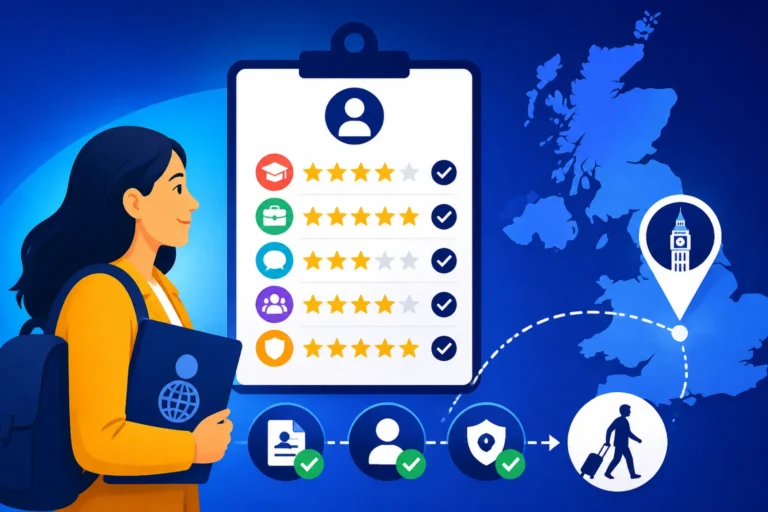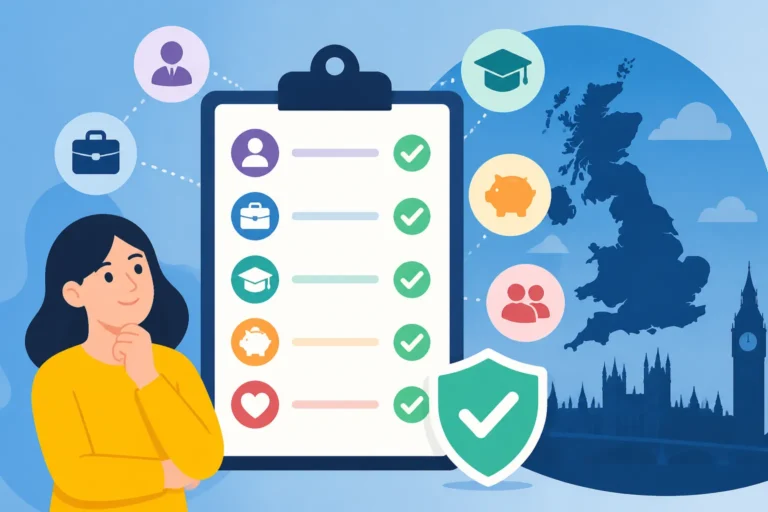
Can I Get British Citizenship Through Marriage?
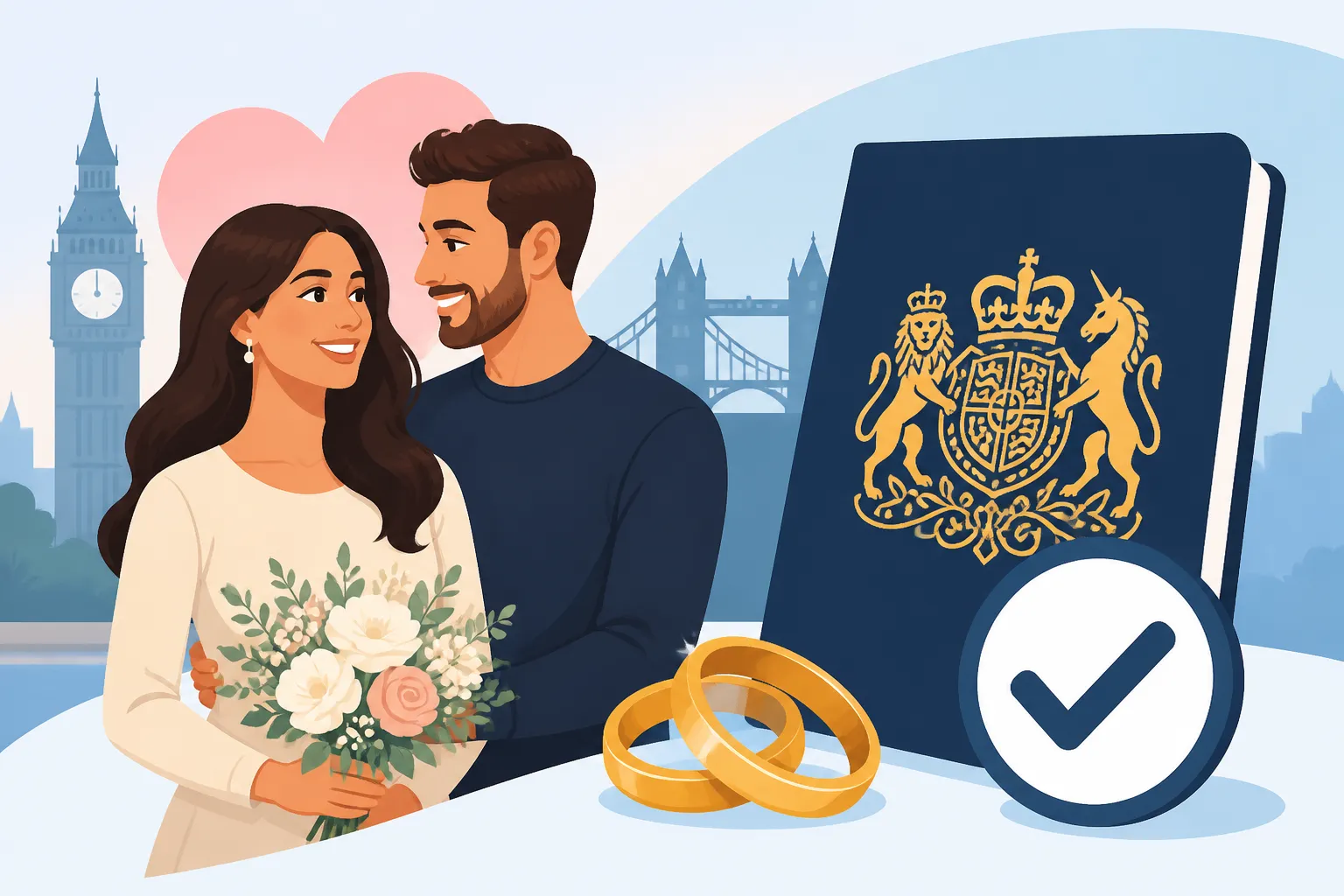
One of the biggest misunderstandings often seen among new arrivals or those planning their move, is the idea that marrying a British citizen automatically fast-tracks you to British citizenship. Believe me, I get it – in many countries, that's exactly how it works. But here in the UK, the path is a bit more winding, and honestly, can be quite frustrating if you're not prepared. This guide is here to untangle the process, explain the reality, and map out the actual steps you'll need to take to potentially become a British citizen through your relationship.
The Reality of "Citizenship Through Marriage" in the UK
Let's get this out of the way upfront: simply marrying a British citizen does not, by itself, make you a British citizen. I know, it's probably not what you wanted to hear, and it certainly goes against what many people assume based on other countries' immigration laws. The UK's immigration system, particularly when it comes to family visas and citizenship, is structured differently. Your marriage is undoubtedly a foundational element, but it's part of a longer journey towards settlement, and then eventually, naturalisation.
What your marriage to a British citizen does provide is a specific immigration route that allows you to live in the UK with your partner. This route is known as the 'Spouse Visa' or 'Partner Visa' (officially, the ‘Family visa as a partner’). It’s a crucial stepping stone, but it’s just that – a step, not the destination of citizenship. Many expats find this distinction confusing, and it's easy to see why. The Home Office has very specific criteria you both need to meet, and these criteria are consistently reviewed and updated. It's a system that requires patience, meticulous documentation, and a clear understanding of each stage.
Ultimately, your marriage helps you establish a legal right to reside in the UK, which then allows you to progress through the various stages of the immigration system. It's less about an automatic 'citizenship through marriage' and more about 'citizenship after establishing a long-term, settled life in the UK as a spouse'. It's a distinction that often catches people off guard, so let's dig into what that journey actually looks like.
The Spousal Visa: Your First Step
To even begin thinking about citizenship, you first need to be legally allowed to live in the UK with your British spouse. This is where the Spouse/Partner Visa comes in. It's the gateway for many families looking to build a life together here. Applying for this visa can feel like a mammoth task, and frankly, it often is. You'll need to prove your relationship is genuine, that you can financially support yourselves, and that you meet specific English language requirements.
The financial requirement is often the biggest hurdle for couples. Currently, your British spouse (or both of you jointly, if you're already legally working in the UK under a different visa) needs to demonstrate a minimum annual income of £29,000. This threshold can increase, so it's always vital to check the absolute latest figures from official UK government sources. This isn't just a number pulled out of thin air; it's designed to show that you won't become reliant on public funds, something the government is very keen to avoid. This income can come from employment, self-employment, pensions, or certain types of savings. If you're relying on savings, the amount required is significantly higher, currently £88,500 if you have no income, or a lower amount if you have some income but don't meet the full £29,000. It can be a real headache gathering all the payslips, bank statements, and employment letters required to prove this, but it's non-negotiable.
Beyond finances, you’ll need to prove your proficiency in English, usually by passing an approved English language test at a certain level (at least A1 on the Common European Framework of Reference for Languages, or CEFR). This requirement becomes higher (B1) when you apply for Indefinite Leave to Remain. There are exemptions, for example, if you're from a majority English-speaking country or have a degree taught in English. Crucially, you also need to show that your relationship is 'genuine and subsisting'. This means providing evidence like tenancy agreements showing you live together, joint bank statements, utility bills, photos, and even WhatsApp messages. The Home Office wants to be sure you’re not just entering a marriage of convenience. Finally, you’ll need adequate accommodation in the UK without recourse to public funds, ensuring you won't be homeless upon arrival. This initial visa is typically granted for 2 years and 9 months (or 2.5 years if applying from inside the UK), and then you’ll need to extend it before you can move onto the next stage. For a detailed guide on securing this vital first step, you might want to read our post on How to Sponsor Your Partner for a UK Spouse Visa.
The Path to Indefinite Leave to Remain (ILR)
Once you've successfully navigated the initial Spouse Visa application and any subsequent extensions, you’ll be on what's commonly known as the '5-year route to settlement'. This means that after spending a continuous period of generally five years in the UK on your Spouse Visa, you become eligible to apply for Indefinite Leave to Remain (ILR), also often referred to as 'settled status'. This is a massive milestone, arguably even more significant than citizenship for many, as it grants you permanent residency in the UK, freeing you from immigration controls.
The application for ILR is, predictably, even more rigorous than the initial Spouse Visa. You'll need to demonstrate continuous residence in the UK, meaning you haven't spent too much time outside the country during your five-year period. While there isn't a strict day count for the family route like some other visa types, excessive absences can raise questions about your intention to make the UK your permanent home. You'll still need to meet the financial requirement, though it might be easier at this stage if you've been working in the UK. The English language requirement steps up a notch; you'll typically need to prove English at CEFR B1 level. For comprehensive details on what this entails, take a look at our guide on Understanding the 5-Year Route to Settlement in the UK.
Perhaps the most iconic requirement for ILR is passing the "Life in the UK" test. This is a computer-based multiple-choice test covering British history, culture, laws, and values. It’s infamous among expats for some of its obscure questions, but it’s a mandatory part of showing you’ve integrated into British society. If you've been wondering how this all fits together, our detailed article, How to Apply for Indefinite Leave to Remain (Settlement) in the UK, offers a complete walkthrough. Achieving ILR is a huge relief for many, as it means you can live, work, and study in the UK without any time restrictions and are generally free from immigration rules. It’s the final hurdle before you can even contemplate applying for British citizenship.
Applying for British Citizenship by Naturalisation
So, you've got your ILR. You've been living here for years, contributing to society, perhaps even raising a family. Now, the dream of becoming a British citizen feels within reach. This final step is called 'naturalisation', and it's the process by which a non-British person becomes a British citizen. For spouses of British citizens, there's a slight, but significant, advantage here in terms of timing.
Most people applying for naturalisation must wait 12 months after receiving their Indefinite Leave to Remain (ILR) before they can submit their citizenship application. However, if you are married to, or in a civil partnership with, a British citizen, you can apply for naturalisation immediately after receiving your ILR, provided you meet all the other criteria. This effectively shaves a year off the waiting time, which, after years of visas and applications, feels like a real bonus. For a broader view on the entire journey, our article British Citizenship: How to Apply After Settlement (2027) provides excellent context.
The requirements for naturalisation are rigorous. You must be at least 18 years old. You need to prove you have been physically present in the UK exactly three years before the date your application is received by the Home Office. You must also not have been outside the UK for more than 270 days in the three-year period preceding your application, nor more than 90 days in the last 12 months of that period. Your British spouse must still be your spouse at the time of application, and you must intend to continue living in the UK. You’ll also need to satisfy the 'good character' requirement, which is more comprehensive than many realise. And yes, if you haven't already done so for your ILR, you'll need to pass the Life in the UK test and demonstrate adequate knowledge of English (typically CEFR B1 or higher). It’s a lot to keep track of, but each step is there to ensure you’re truly ready to commit to being a British citizen.
The "Good Character" Requirement
When you apply for British citizenship, the Home Office isn't just looking at your immigration history; they're looking at your entire character. The "good character" requirement is designed to ensure that new citizens are law-abiding individuals who respect the laws and values of the UK. This can be a bit of a grey area, as it's not always explicitly defined, but it generally encompasses a broad range of factors related to your past conduct.
This means that any criminal convictions, even minor ones, could potentially affect your application. It's not necessarily an automatic refusal for every offence, but the Home Office will consider the nature, severity, and recency of any convictions. They also look for evidence of honesty and integrity. This includes things like previous immigration breaches – did you overstay a visa, provide false information on an application, or work without permission? Even if these issues were years ago, they can be scrutinised. Financial misconduct, such as bankruptcy or failure to pay taxes, can also be a red flag. The Home Office wants to see a pattern of responsible behaviour.
You'll need to declare any such issues honestly on your application form. Trying to hide something that the Home Office might uncover through their checks could lead to a refusal, and potentially a ban from future immigration applications. They're essentially looking for reassurance that you'll be a responsible and upstanding member of British society. When completing your forms, always err on the side of full disclosure. If you have any doubts about whether something in your past might affect your application, it's always wise to seek professional legal advice rather than guessing.
The Application Process for Naturalisation
Once you've diligently gathered all your documents and confirmed you meet all the eligibility criteria, the actual application process for naturalisation, while still demanding, follows a relatively clear path. It's primarily an online affair, culminating in an in-person appointment.
First, you'll complete the online application form, known as the AN form, on the UK government's website. This form is extensive and requires you to input a lot of personal details, your immigration history, your spouse's details, and information about your residency in the UK. It’s imperative that every piece of information is accurate and consistent with your previous visa applications. Any discrepancies can cause delays or even lead to refusal. After meticulously filling out the form, you'll pay the hefty application fee. As of late 2024, the fee for naturalisation is substantial, so be prepared for that financial outlay. This fee includes the cost of the citizenship ceremony, which is the final step in the journey. For an idea of the full spectrum of fees across various immigration steps, you might find our post on Understanding the Cost and Timeline of the UK Visa Process particularly enlightening.
After submitting the online application and paying the fee, you'll be prompted to book an appointment at a UK Visa and Citizenship Application Service (UKVCAS) service point. Here, you’ll submit your biometric information – your fingerprints and a photograph. You'll also upload scans of all your supporting documents online before this appointment. The Home Office then processes your application, which can take several months. Once approved, you'll receive an invitation to attend a citizenship ceremony. This is a formal event where you take an oath or affirmation of allegiance to the King and pledge your loyalty to the UK. It's often a moving and celebratory occasion, marking the official end of your long immigration journey. For tips on how to ensure your application goes smoothly, consider reviewing How to Get Your Documents Ready for a UKVI Application.
Key Considerations and Potential Pitfalls
Navigating the UK immigration system, even with a British spouse, is a journey fraught with potential missteps. While your marriage opens doors, it doesn't remove the need for precision, planning, and strict adherence to rules. Countless expats get caught out by details they didn't anticipate, leading to unnecessary stress, delays, and additional costs. Understanding these pitfalls upfront can save you a lot of heartache.
One of the biggest areas of concern revolves around maintaining your visa status and understanding the implications of any changes in your personal circumstances. The financial requirement for visas and ILR, for example, is not static and can be reviewed by the government. Keep an eye on announcements from the Home Office. Similarly, while your marriage is central to your application, any issues within the relationship, or indeed its dissolution, will have profound consequences for your immigration status. This journey is long, and life happens, so being aware of these possibilities is crucial.
Then there are the costs. Oh, the costs! From visa applications to the Immigration Health Surcharge (IHS) and finally the naturalisation fee, the price tag for this journey can be staggering. Factor in legal advice, English language tests, and the Life in the UK test book, and it quickly adds up. I'd highly recommend setting up a dedicated savings plan for these expenses right from the start. Speaking of planning, for any move, even if it's just across town, a service like Sirelo can be really helpful for managing logistics. While they won't help with your visa, getting your life organized outside of immigration is still part of the grand plan.
Maintaining Your Visa and Status
This might sound obvious, but it's astonishing how many people inadvertently jeopardise their immigration journey by not fully understanding the conditions of their visa. When you’re granted a Spouse Visa, it comes with specific rules you absolutely must follow. Breaching these conditions – whether it's working when your visa doesn't permit it (unlikely on a Spouse Visa, but still), overstaying your permitted leave, or even providing inaccurate information – can have severe consequences. At best, it leads to delays and complications for future applications; at worst, it can result in your visa being cancelled, removal from the UK, and a ban on re-entering for a certain period.
A common scenario that causes immense stress is when relationships hit a rough patch. If your marriage dissolves before you've achieved Indefinite Leave to Remain, your immigration status will be directly impacted. Your Spouse Visa is contingent on your relationship with a British citizen. If that relationship ends, your visa effectively becomes invalid, and you would need to explore alternative immigration routes – such as a Skilled Worker Visa in the UK if you qualify, or potentially a visa based on domestic violence if applicable, which is a very specific and sensitive area. It's a sobering thought, but one you need to be aware of. Keeping diligent records of your relationship, even if it feels a bit formal, can be invaluable should you ever need to prove its genuine nature or history to the Home Office.
It's also crucial to remember that each stage of your visa journey, from the initial Spouse Visa to ILR, has a strict expiry date. Don't leave your extension or ILR application until the last minute! The Home Office typically allows you to apply well in advance of expiry, and doing so ensures you maintain your legal status in the UK. Missing a deadline can lead to becoming an overstayer, which is a serious immigration offence with long-lasting negative repercussions for any future applications.
Costs Involved and Financial Planning
Let's be blunt: the path to British citizenship is not cheap. The fees alone can be a major source of anxiety for many expats, and it’s critical to budget for them well in advance. These aren't just application fees; there are other significant financial outlays that you must account for.
First, you have the initial Spouse Visa application fee, which is a substantial sum. On top of that, you'll almost certainly need to pay the Immigration Health Surcharge (IHS), which is a fee paid upfront for the entire duration of your visa, granting you access to the National Health Service (NHS). This fee can run into thousands of pounds, depending on the length of your visa. For a deeper dive into this mandatory charge, our guide Understanding the Immigration Health Surcharge (IHS) and NHS Access (2027) is essential reading. When it's time to extend your Spouse Visa, you'll pay these fees all over again. Then comes the Indefinite Leave to Remain (ILR) application fee, another significant expense, followed by the British naturalisation fee, which is the final significant payment.
Beyond the official government fees, you have other associated costs. There’s the expense of the mandatory English language test, and purchasing study materials for the Life in the UK test. Many individuals also choose to enlist the help of an immigration solicitor or advisor, especially for complex cases or simply for peace of mind. Their fees can vary widely but add another layer to your financial planning. While the NHS provides excellent care, some expats also opt for private health insurance, like Cigna Global, to cover specific needs or gain access to private services, which is an additional cost to consider in your overall expat financial planning, even if it's not directly tied to the citizenship application itself. It's a good idea to build a dedicated savings pot specifically for these immigration costs from the moment you start planning your move.
| Application Stage | Typical Duration/Outcome | Key Requirements (Snapshot) | Approximate UKVI Fee (2024)* | Immigration Health Surcharge (2024)* |
|---|---|---|---|---|
| Spouse/Partner Visa (Initial) | 2 years 9 months (outside UK) or 2 years 6 months (inside UK) | Financial, English A1, Genuine relationship, Accommodation | ~£1,846 | |
| Spouse/Partner Visa (Extension) | Another 2 years 6 months | Financial, English A2, Genuine relationship, Accommodation | ~£1,846 | |
| Indefinite Leave to Remain (ILR) | Permanent residency | 5 years continuous residence, English B1, Life in the UK Test, Financial | ~£2,885 | Not applicable |
| Naturalisation | British Citizenship | ILR, 3-year residency, English B1, Life in the UK Test, Good character, British spouse | ~£1,580 | Not applicable |
| *Fees are illustrative and subject to change; always check the latest government figures. |
Seeking Professional Advice
Honestly, I cannot stress this enough: the UK immigration system is a beast. It's complex, it changes frequently, and a tiny mistake can lead to significant delays or even refusal. While this guide aims to be comprehensive, it's never a substitute for professional, tailored advice. Even if you're confident in your application, consulting an expert can provide invaluable peace of mind.
For straightforward cases, many people manage their applications independently. However, if your situation has any complexities – perhaps you have gaps in your residency, previous visa refusals, unusual financial circumstances, or even a minor blip in your 'good character' history – then getting professional help is absolutely paramount. An accredited immigration solicitor or advisor specialises in these very specific areas. They can help you understand the nuances of the rules, identify potential pitfalls, and ensure your application is as robust as possible. They can also represent you, communicate with the Home Office on your behalf, and help you prepare for any interviews or requests for further information.
When looking for an advisor, ensure they are registered with the Office of the Immigration Services Commissioner (OISC) or are a qualified solicitor. This guarantees they meet professional standards and are legally permitted to give immigration advice. It’s an investment, yes, but for something as life-changing as your right to live and become a citizen in the UK, it’s an investment that can prevent costly errors and immense stress. For a wider view on settling in the UK, including legal aspects, our Complete Visa and Immigration Guide for Moving to the UK (2026) could also offer further support and resources.
Disclaimer
Please remember that I'm an expat blogger sharing my experiences and research. While I strive for accuracy, immigration rules and fees in the UK can change rapidly. This article provides general information and should not be taken as legal advice. Always consult the official UK government websites (like GOV.UK) or a qualified immigration professional for the most up-to-date and personalised guidance regarding your specific circumstances.