Understanding the Immigration Health Surcharge (IHS) and NHS Access (2027)
Moving to the UK is a whirlwind of paperwork and excitement, but few things hit your bank account quite as hard as the Immigration Health Surcharge (IHS). It is a massive upfront cost that often catches expats off guard, leaving them wondering why they are paying thousands of pounds before they’ve even seen a doctor. This guide breaks down exactly what the IHS covers, how the 2026 price hikes affect you, and how to navigate the NHS once you arrive.
What Exactly is the Immigration Health Surcharge?
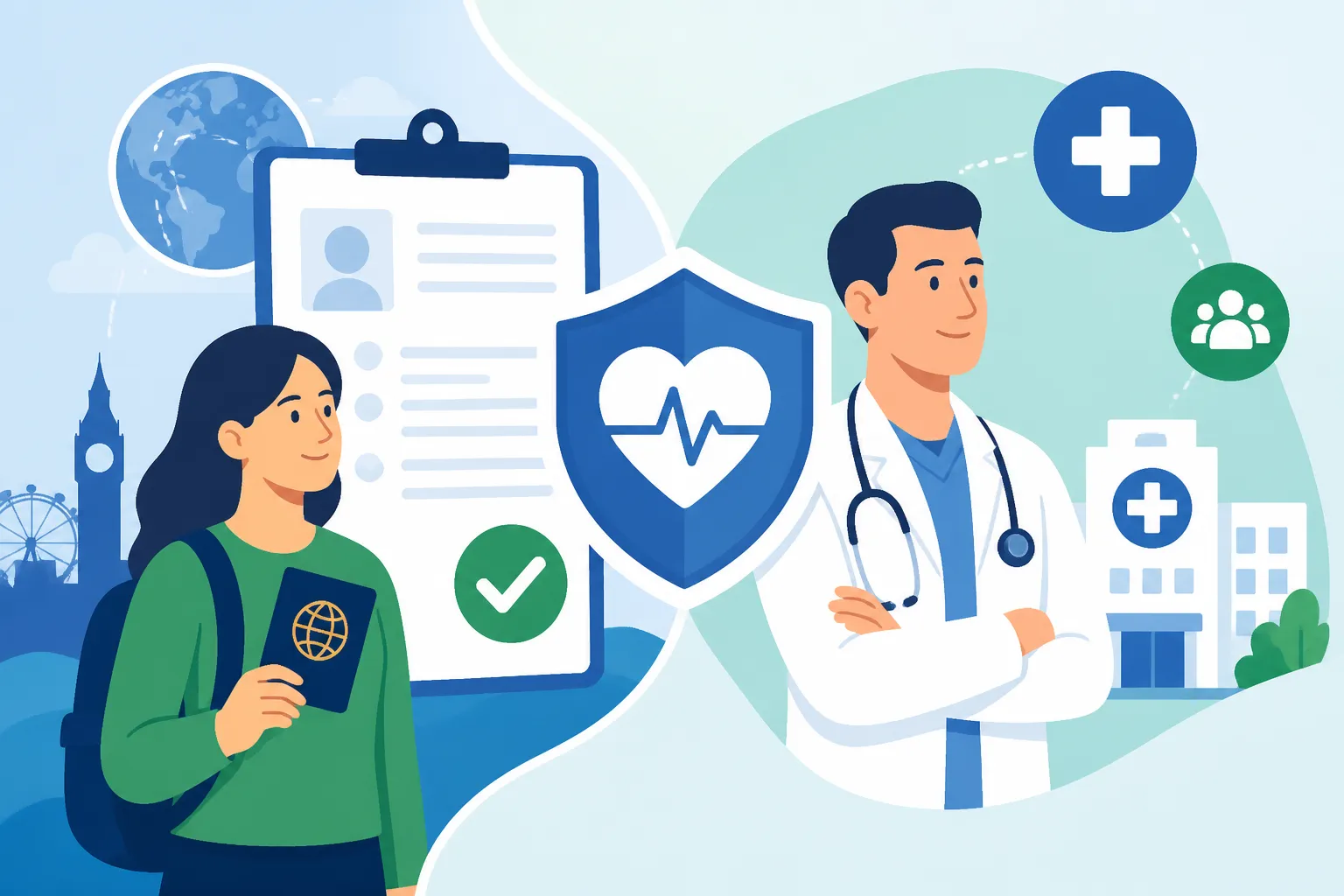
The Immigration Health Surcharge, commonly referred to as the IHS, is a mandatory fee that most non-UK residents must pay as part of their visa application. It was introduced with the intention of ensuring that those coming to live, work, or study in the UK contribute to the National Health Service (NHS). I remember the first time I saw the total for my family of four; it felt like a ransom fee just to get our passports back. However, understanding the philosophy behind it helps—even if it doesn't make the payment any easier.
The core idea is that the NHS is a "free at the point of use" system, funded primarily through general taxation. Since newcomers haven't been paying into the system through National Insurance or income tax for years, the government views the IHS as a way to "buy in" to the coverage immediately. Once you have paid this fee, you are entitled to use the NHS in generally the same way as a permanent UK resident. You can read more about this in our guide on Understanding How Your Visa and the IHS Affect Your NHS Entitlement in the UK.
One of the most common frustrations I hear from fellow expats is the feeling that they are being "double taxed." Once you start working, you will see National Insurance contributions deducted from your paycheck, which also go toward the NHS. It feels redundant to pay thousands upfront and then pay again every month. It is a valid frustration, and it’s one of the administrative hurdles that make the UK’s immigration system one of the most expensive in the world. Validating this frustration is important because it’s the reality of the British expat experience.
How Much Does the IHS Cost in 2026?
The cost of the IHS has risen significantly over the last few years. As of 2026, the rates are categorized based on your visa type and age. For most work visa applicants and their adult dependants, the cost is now over £1,000 per year of the visa. This means if you are applying for a five-year Skilled Worker Visa, you are looking at a five-figure sum just for the healthcare surcharge, payable entirely at the time of your application. You can find a deeper analysis of these expenses in The Cost of Healthcare in the UK: A Complete Breakdown for Foreigners (2026).
Students and children receive a slightly discounted rate, but even "discounted" is a relative term. For those on a Student Visa or a Youth Mobility Scheme visa, the cost is reduced, but it still represents a significant portion of a student's budget. It is vital to remember that you must pay for the entire duration of the visa upfront. If your visa is for two and a half years, the system will round up the cost to reflect that specific timeframe. There is no "pay-as-you-go" option or monthly installment plan, which is why financial planning is so critical before you hit the "submit" button on your application.
Calculating the total cost is relatively straightforward but can be stressful. The Home Office provides an online calculator, but it often glitches or provides generic estimates. A good rule of thumb is to take the annual rate and multiply it by the number of years your visa will be valid. If your visa includes an extra few months at the end (as many student visas do), you will be charged for a half-year increment for that extra time.
| Visa Type | Annual IHS Rate (Approx. 2026) | Total for 3-Year Visa | Total for 5-Year Visa |
|---|---|---|---|
| Skilled Worker / Health & Care | £1,035 | £3,105 | £5,175 |
| Student / Youth Mobility | £776 | £2,328 | N/A |
| Dependant (Adult) | £1,035 | £3,105 | £5,175 |
| Dependant (Child under 18) | £776 | £2,328 | £3,880 |
The Payment Process and Common Technical Hurdles
The actual act of paying the IHS happens during the online visa application process. After you fill out your personal details and before you book your biometrics appointment, the system will redirect you to the IHS website. This is often where the technical gremlins live. Many expats get stuck in a loop where the payment goes through on their credit card, but the visa system doesn't "see" the payment. Always keep your IHS reference number—which looks like IHS123456789—safe. You will need it for every piece of correspondence with the Home Office.
If you happen to underpay because the system calculated the wrong amount, don't panic. The Home Office will usually send you an email with a "top-up" link. However, if you don't pay this within the 10-day window they provide, your visa application will likely be rejected. Conversely, if you overpay, getting a refund is a notoriously slow process. It can take up to six weeks after your visa is granted for an automatic refund of an overpayment to hit your account. For those navigating the system, Understanding the Immigration Health Surcharge (IHS) and NHS Access (2027) is the first step in ensuring you don't fall into these traps.
There are a few rare exemptions from the IHS. For instance, those applying for a Health and Care Worker Visa are currently exempt from the fee, as are those applying for Indefinite Leave to Remain (ILR). If you are in one of these categories, you still have to go through the IHS portal, but the system should generate a "zero" cost. If it doesn't, stop what you are doing and seek advice; once you pay the fee, it is incredibly difficult to get it back if you weren't supposed to pay it in the first place.
What Does the IHS Actually Give You Access To?
Once you have paid the IHS and your visa is granted, you have access to the NHS on the same basis as a "person ordinarily resident" in the UK. This starts with primary care, which means you can register with a local General Practitioner (GP). Your GP is the gatekeeper of the British medical system. Whether you have a nagging cough or need a referral for a specialist, the GP is your first port of call. For a step-by-step on this, check out Registering with a GP in the UK: The Complete Expat Guide (2027).
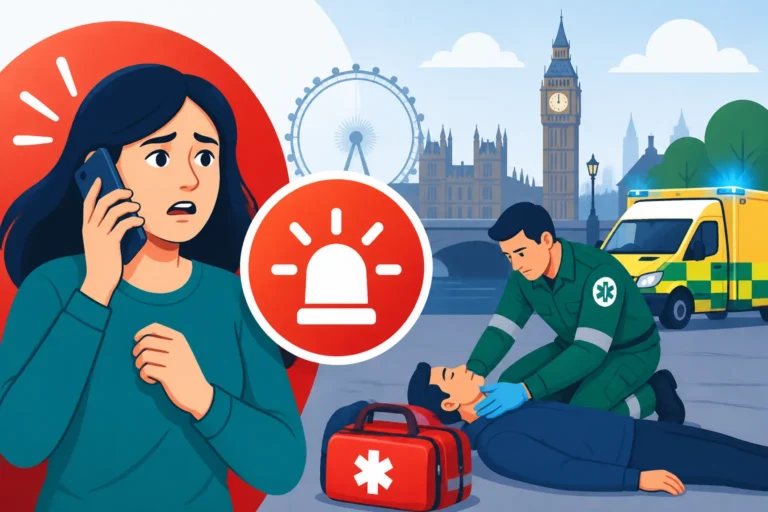
Hospital treatments, including surgeries and specialist consultations, are also covered under the IHS. If you are involved in an accident and end up in A&E (Accident & Emergency), you will not receive a bill for your stay or the treatment you received. This is a massive relief for those coming from countries like the USA, where an ambulance ride can cost a month's rent. To understand the details of urgent situations, see our guide on Emergency Medical Care in the UK: What Every Expat Needs to Know.
However, the "free" part of the NHS has limits. The IHS does not cover everything. You will still need to pay for dental checkups and treatments, eye tests, and prescriptions (unless you live in Scotland or Wales, where prescriptions are free). In England, each prescription item has a flat cost. If you have chronic health issues, you can buy a "pre-payment certificate" to save money. For more on this, read Understanding NHS Prescription Charges and Exemptions in the UK.
Navigating the NHS as a New Arrival
When you first arrive in the UK, your priority should be registering with a GP surgery near your home. You do not need to wait until you are sick to do this. In fact, waiting until you are ill is a mistake because registration can take several days to process. You will usually need your passport, your Biometric Residence Permit (BRP) or evidence of your digital status, and proof of address. Some GP surgeries are more difficult than others, but remember: you have a right to register if you live within their "catchment area."
Proving your entitlement to NHS care can sometimes be a headache at the hospital level. While your GP will have your details on file, hospitals might occasionally ask for proof that you have paid the IHS if your visa status is unclear. Always have a digital copy of your IHS payment confirmation and your visa approval letter on your phone. If you are ever asked about your status, mentioning that you have paid the surcharge is usually enough to satisfy the "overseas visitors" manager at the hospital.
For those who are just arriving and haven't quite settled into a permanent home, or for digital nomads on shorter visas, there is often a gap in coverage. This is where products like SafetyWing can be incredibly useful. While the IHS covers you once your visa is active, SafetyWing provides that essential "bridge" for travel days or the weeks spent in temporary accommodation before your GP registration is finalized. It’s also a great option if you plan on traveling outside the UK frequently, as the IHS only covers you within the four nations of the UK.
Comparing the IHS with Private Health Insurance
One of the biggest culture shocks for expats in the UK is the reality of NHS waiting lists. While the healthcare is high-quality, the demand on the system is immense. For non-urgent procedures, such as a knee replacement or a non-emergency specialist consultation, the wait can sometimes be months or even years. This is why many expats choose to maintain private health insurance alongside their IHS-funded NHS access. You can explore this further in NHS vs Private Healthcare in the UK: Which Should Expats Choose?.
Private healthcare allows you to bypass the GP referral system in some cases and get seen by a consultant in a matter of days. You will often have a private room in a hospital and more flexibility in choosing your surgeon. However, private insurance is an additional cost on top of the IHS you have already paid. It’s a "top-up" strategy that many choose for peace of mind. For those who move around a lot or are in the UK on shorter assignments, SafetyWing offers flexible options that can complement your NHS access, especially for those who want global coverage that the NHS simply cannot provide.
In the UK, even if you have private insurance, you will still use the NHS for emergencies. Private hospitals in the UK are often not equipped with full A&E departments. If you have a heart attack or a major car accident, you will be taken to an NHS hospital because they have the best emergency infrastructure in the country. Private care is largely for elective surgeries and chronic condition management. Having a plan like SafetyWing can also be beneficial for those who are "between" visas or waiting for the Home Office to process a renewal, providing a safety net when your NHS entitlement might be in a grey area.
Managing Healthcare for Dependant Families
If you are moving with a spouse and children, the logistics of healthcare become even more complex. Each dependant must have their own IHS payment, and each will receive their own IHS reference number. For children, the NHS is fantastic, especially when it comes to routine checkups and the childhood vaccination schedule. The UK takes public health very seriously, and you will find that the school system and the health system are closely linked. For more information, see Understanding Childhood Vaccination Schedules in the UK.
If you have a baby while you are in the UK on a visa, the rules around the IHS can be a bit confusing. Generally, a baby born in the UK is entitled to free NHS care for the first three months of their life. After that, you must apply for a dependant visa for them and pay the IHS to continue their coverage. Some parents get hit with unexpected hospital bills because they assumed their UK-born child was automatically a citizen with free healthcare. It is a common pitfall that requires careful planning.
For those bringing elderly parents on a dependant visa (which is increasingly difficult but still possible in specific circumstances), the IHS is a godsend but also a major expense. Elderly residents are more likely to need the specialist services that the NHS provides. However, the wait times for geriatric care can be significant. This is another scenario where having international health coverage like SafetyWing can help manage the transition, especially if your parents need to travel back to their home country for existing medical relationships.
Future-Proofing Your Health Costs in the UK
As you look toward the future of your life in the UK, you need to factor in the IHS for every visa renewal. If you are on a "route to settlement," you will likely have to pay the IHS at least twice—once for your initial visa and once for your extension. It is only when you successfully apply for Indefinite Leave to Remain (ILR) that the IHS payments stop. Reaching ILR is a major financial milestone because it signifies the end of these thousands of pounds in "entry fees." You can read more about this transition in The Complete Guide to Indefinite Leave to Remain (Settlement) in the UK (2027).
Staying informed on policy changes is also vital. The UK government frequently reviews the IHS rates, and they are almost always adjusted upwards. If you know your visa is expiring in six months and there is a rumored price hike, it might be worth applying for your extension early (if your visa allows) to lock in the current rate. Being proactive about your immigration status is the best way to protect your finances.
Finally, remember that your health is your most important asset as an expat. The stress of moving countries can take a toll on your mental and physical well-being. Knowing that you have paid your IHS and have access to the NHS provides a level of security, but don't be afraid to supplement that with private options like SafetyWing to ensure you are covered no matter where your journey takes you. Navigating the British healthcare system is a marathon, not a sprint, and being prepared for the administrative side of things makes the whole experience much more manageable.
Disclaimer
The information provided in this guide is for informational purposes only and does not constitute legal, financial, or medical advice. Immigration laws and NHS policies in the UK are subject to frequent changes. Always consult the official UK Government website (gov.uk) or a qualified immigration solicitor for the most up-to-date information regarding your specific circumstances.