What Documents Are Needed for a UK Spouse Visa?
The UK Spouse Visa process can feel like an insurmountable mountain of paperwork, and trust me, you're not alone in feeling overwhelmed. Many of us expats have navigated the labyrinthine halls of UK immigration, and bringing your beloved partner over is one of the most anxious journeys. This guide is here to demystify the essential documents you'll need to gather, helping you present a robust application and finally live together in the UK without constant worry.
Understanding the Core Requirements for a UK Spouse Visa
Before we dive into the nitty-gritty of specific documents, it’s crucial to understand the fundamental pillars upon which every successful UK Spouse Visa application stands. The Home Office isn't just looking for a checklist; they want to see a clear, consistent narrative supported by irrefutable evidence that meets all their strict criteria. Missing even one tiny piece can lead to delays or, worse, a refusal, so meticulous preparation is your best friend here.
Eligibility Criteria: Who Can Apply?
First things first, let's confirm who the Spouse Visa is actually for. This visa category, officially known as the "Partner Visa" or "Family Visa (Spouse)," is designed for non-European Economic Area (EEA) nationals who are married to or in a civil partnership with a British citizen, a person settled in the UK (meaning they have Indefinite Leave to Remain or settled status under the EU Settlement Scheme), or someone with pre-settled status who meets certain conditions. You can also apply if your partner is a refugee or has humanitarian protection in the UK. The key is that you must intend to live together permanently in the UK. This isn't a visa for casual visits; it's for building a life.
You also need to be 18 or over, and your relationship must be "genuine and subsisting" – which means it's real, ongoing, and not just for immigration purposes. The Home Office really digs into this, so don't underestimate the need for strong evidence. Lastly, you both must be living together or intend to live together permanently in the UK once the visa is granted. This often means providing evidence of shared accommodation or plans for it.
Overview of Document Categories
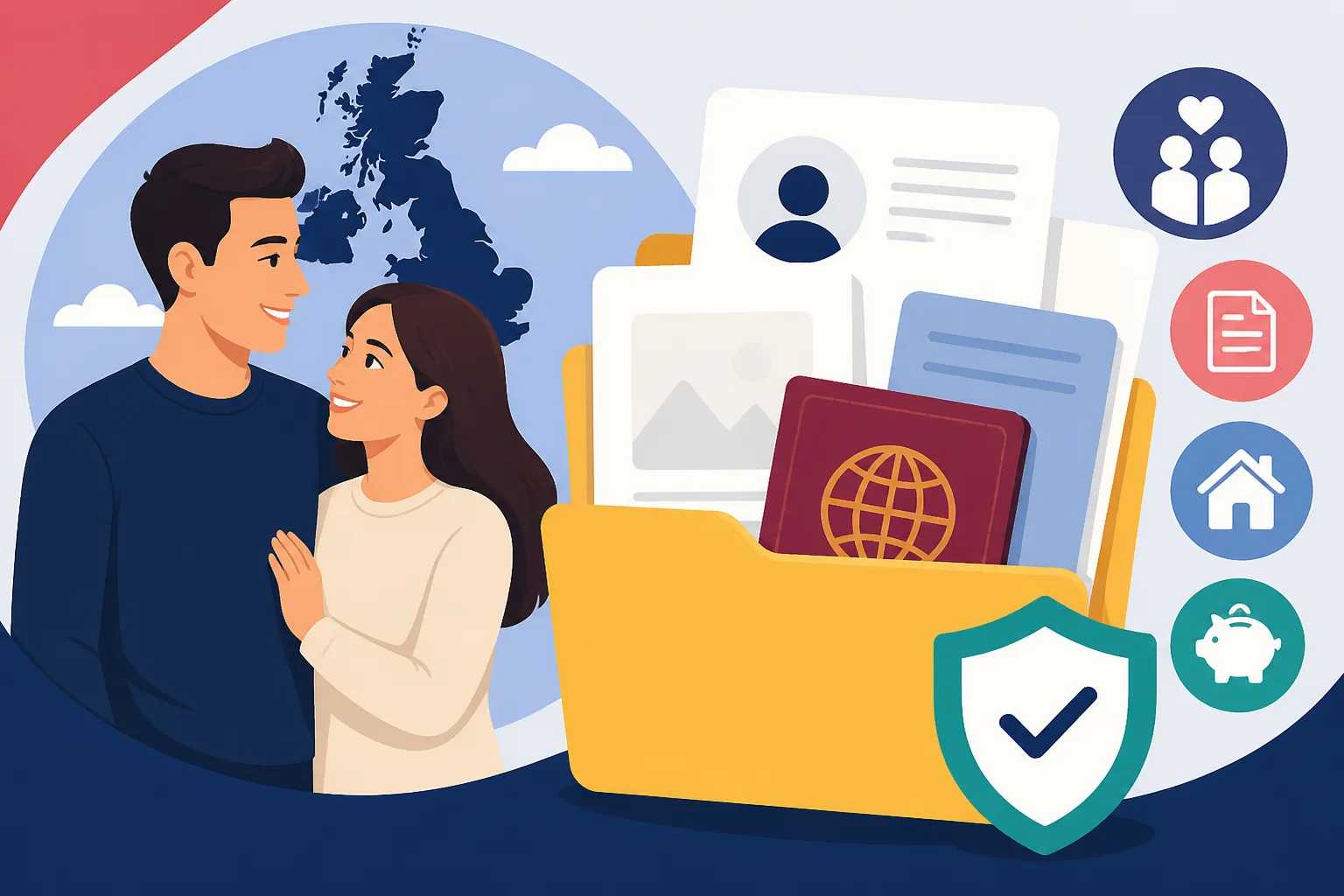
To simplify things, think of your document pile in a few distinct categories. Each one tells a different part of your story and proves a specific aspect of the Home Office's requirements. We're talking about identity, your relationship, your financial stability, your living situation, and your ability to speak English.
It might sound like a lot, but breaking it down makes it more manageable. You’ll need documents from both the applicant (the non-UK partner) and the sponsor (the UK-based partner). Every single document needs to be legible, in English or officially translated, and generally dated within a certain timeframe (often 28 days before submission for financial evidence, for example). This is where the stress really kicks in for many, but a systematic approach will help you tackle it. Remember, consistency across all your documents is absolutely paramount. Don't let your different documents tell conflicting stories about your address or financial situation!
Proof of Relationship: Building Your Case
This is often the most emotionally charged and creatively challenging section of your application. The Home Office isn't just checking if you have a marriage certificate; they want to see evidence that your relationship is legitimate, ongoing, and not just a convenient arrangement for immigration purposes. They want to see a story backed by evidence.
Marriage or Civil Partnership Certificate
Let's start with the absolute basics. You will need your official marriage certificate or civil partnership certificate. This document establishes the legal foundation of your relationship. If you were married or formed your civil partnership outside the UK, you'll need the original certificate, and if it's not in English, a certified translation is mandatory.
The certificate should clearly state your names, the date of marriage/partnership, and the location. It sounds obvious, but double-check every detail against your passports to ensure there are no discrepancies. Any small difference can raise questions and lead to delays. Think of this as the cornerstone – everything else builds upon it.
Evidence of a Genuine and Subsisting Relationship
This is where you really need to shine and show the human side of your partnership. The Home Office requires proof that your relationship is "genuine and subsisting," which means it's real, ongoing, and committed. This isn't a one-size-fits-all list; you need to provide a compelling narrative through various documents that show you share a life.
Here's a breakdown of common types of evidence, and remember, variety and consistency are key:
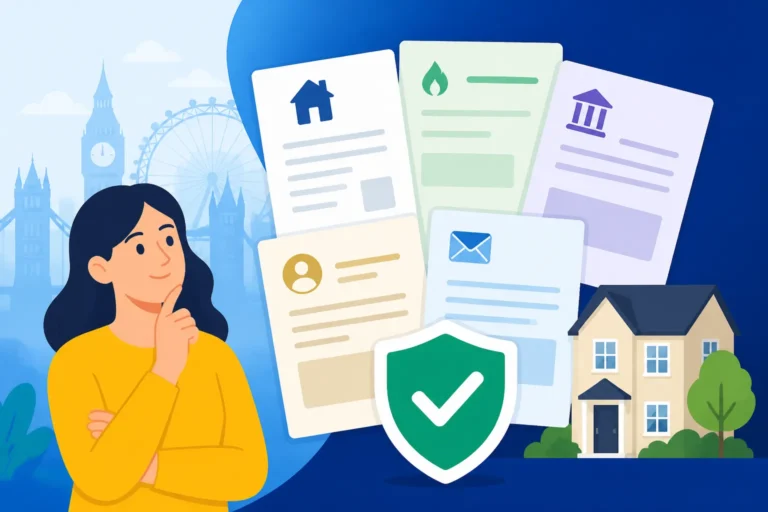
- Co-habitation Evidence: If you've been living together, this is gold. You'll need at least six pieces of official correspondence addressed to both of you at the same address, or 12 pieces if addressed individually, spread over the period you've lived together (up to two years is ideal, but they'll look at the last six months for shorter periods). These should come from at least three different sources. Examples include:
- Joint bank statements or separate statements showing the same address.
- Joint utility bills (electricity, gas, water).
- Council Tax bills in both names.
- Letters from government departments (HMRC, DWP).
- Tenancy agreements or mortgage statements in joint names.
- For those setting up a new home together in the UK, even documents like shared broadband contracts or council tax registration letters can show your intent to cohabitate. When considering your new home, remember that companies like Sirelo can help with the logistics of moving your belongings, simplifying at least one aspect of establishing your shared life.
- Proof of Communication: Think about how you keep in touch when you're apart.
- Call logs, messaging apps (WhatsApp, Messenger), and email screenshots showing frequent contact over time. Highlight significant dates or conversations.
- Social media interactions, but be selective – they want to see genuine engagement, not just likes.
- Travel and Shared Experiences:
- Flight bookings, hotel reservations, and photos from holidays you've taken together. Dates and locations are important here.
- Tickets for events, concerts, or attractions you attended together.
- Shared Responsibilities/Finances:
- Joint bank accounts (crucial for showing financial intertwining).
- Evidence of shared financial responsibilities, like joint credit cards or loan agreements.
- Wills naming each other as beneficiaries.
- Evidence of joint investments or property ownership.
- Personal Statements: Both you and your partner should write personal statements detailing your relationship's history, how it developed, challenges you've faced, future plans, and why you wish to live together in the UK. These add a personal touch and context to your documents.
The aim is to paint a comprehensive picture. Don't just provide one type of evidence; mix and match to show different facets of your relationship.
Financial Requirement: Meeting the Minimum Income Threshold
Ah, the financial requirement. This is often the biggest hurdle and source of anxiety for many applicants. The Home Office has a strict minimum income threshold to ensure that the sponsoring partner can adequately support the applicant in the UK without recourse to public funds. As of early 2026, the minimum income threshold for a UK Spouse Visa is £29,000 per year. This amount is set to rise further in future iterations, so it's always best to check the latest official guidance when you apply.
How to Meet the £29,000 Threshold
There are several ways to meet this threshold, and often, it's a combination of these sources. The key is that the funds must be legally obtained and fully accounted for.
- Employment Income (Category A & B):
- Category A (Current Employment): This is the most common. Your sponsoring partner must be employed and have earned £29,000 or more for at least six months prior to the application date. You'll need payslips covering the last six months, corresponding bank statements showing these payments, and a letter from their employer confirming their employment, salary, and start date.
- Category B (New Employment / Variable Income): If your partner has been with their current employer for less than six months, or if their income fluctuates, it gets a bit more complicated. You'll need to show they've earned £29,000 in the 12 months before the application, and that they are currently earning at least £29,000 annually from their current employment. This often means providing payslips and bank statements for the last 12 months, plus the employer letter.
- Self-Employment Income: If your sponsoring partner is self-employed, you'll generally need to provide their latest full financial year's tax return (Self Assessment tax return), HMRC correspondence, business bank statements, and potentially audited accounts if they run a limited company. This requires careful preparation and often professional accounting help.
- Cash Savings: You can use cash savings above £16,000 to top up or fully meet the requirement. The formula is a bit tricky: for every £1 that makes up the difference between your combined income and the threshold, you need to show £2.50 in savings. For example, if you need the full £29,000 from savings, you'd need (£29,000 – £16,000) * 2.5 + £16,000 = £48,500. These savings must have been held in an account for at least six months, be readily accessible, and not be earmarked for anything else (like a house deposit, unless it's clearly surplus). You'll need bank statements for the last six months, and evidence of the source of these funds if they were deposited in a large lump sum.
- Pension Income: If your sponsoring partner receives a pension, this can count towards the income threshold. You'll need official statements or letters from the pension provider.
- Non-Employment Income: Certain other income sources, like rental income from property, interest from investments, or maintenance payments, can also count. Each category has its own specific documentary requirements.
Required Financial Documents
Regardless of how you meet the threshold, common documents include:
- Payslips: Original or certified copies for the relevant period (6 or 12 months).
- Bank Statements: Corresponding bank statements showing the salary or savings entering the account. These must be original, or stamped and signed by the bank. Digital statements must also be certified by the bank.
- Employer Letters: An official letter from the employer on company letterhead, confirming employment, gross annual salary, length of employment, and type of contract.
- Tax Documents: P60s (End of Year Certificate) from employers, or Self Assessment tax returns for self-employed individuals.
Always ensure the dates on your payslips, bank statements, and employer letters align perfectly. Any gaps or inconsistencies will be scrutinized. Remember, the Home Office isn't there to connect the dots for you; you need to present a clear, undeniable picture.
Accommodation and English Language Requirements
Beyond your relationship and finances, the Home Office wants to know you have a suitable place to live and that you can communicate effectively in English. These might seem like smaller hurdles, but they are equally critical.
Proof of Adequate Accommodation
You need to demonstrate that you and your partner have adequate accommodation in the UK that you own or rent exclusively, and that it won't be overcrowded or breach public health regulations. This means providing evidence of your property and its size.
- Owned Property: If your sponsor owns the property, you'll need the title deeds or a mortgage statement.
- Rented Property: If renting, you'll need a tenancy agreement clearly showing the names of the tenants and the property address. A letter from the landlord confirming your tenancy and the number of bedrooms can also be useful.
- Accommodation Report: For properties where space might be a concern (e.g., small flats, or if other people live there), an independent property inspection report might be beneficial. This report confirms the property's suitability and checks for overcrowding.
The main thing is to show that there's enough space for you, your partner, and any dependents without violating housing regulations. The council tax band might also be considered in some contexts, but primarily it's about physical space and legal tenancy/ownership.
English Language Proficiency
Unless you are from a majority English-speaking country (like the US, Canada, Australia, New Zealand, etc.) or hold a degree taught in English, you will need to prove your English language proficiency. This is usually done through an approved English language test.
- Approved English Language Test: You must take an approved test at a secure English language test (SELT) centre, such as those run by Trinity College London or Pearson. The test must be at least CEFR Level A1 for the initial Spouse Visa application, and B1 for extension or Indefinite Leave to Remain. It covers speaking and listening. Make sure the test centre is UKVI-approved.
- Academic Qualification: If you have an academic qualification (Bachelor's, Master's, PhD) taught in English and recognised by UK NARIC (now UK ENIC) as equivalent to a UK degree, you can use this instead. You'll need your certificate and a statement from UK ENIC confirming its equivalence and the language of instruction.
It's crucial that the test or degree meets the specific requirements for the Spouse Visa route. Don't use a general English test; it needs to be UKVI-approved. This requirement is non-negotiable, and without it, your application will be refused.
Preparing and Submitting Your Application
So, you've gathered all your documents – a Herculean task, I know! But the battle isn't over yet. How you present these documents can significantly impact the smoothness and speed of your application. Organisation and attention to detail are paramount.
Document Organisation and Formatting
The Home Office receives thousands of applications, and making yours easy to review will be appreciated by the caseworker. Don't just dump a pile of papers on them.
- Categorise: Group your documents by category (e.g., identity, relationship, financial, accommodation).
- Chronological Order: Within each category, arrange documents in chronological order, usually with the most recent first.
- Indexes and Labels: Create a clear index or table of contents for your entire application. Label each section and document clearly. Using dividers or sticky notes can be incredibly helpful.
- Copies vs. Originals: While it's always best to provide originals where possible (especially for certificates), for most documents, high-quality photocopies are acceptable, and you might only need to show originals at your biometrics appointment. However, always refer to the latest UKVI guidance. Some documents, like your marriage certificate, may be required in original form.
- Digital Submission: Most applications are now submitted online, and you'll typically upload digital scans of your documents. Ensure these scans are clear, legible, and correctly named. PDFs are usually preferred. The file size limits can be a pain, so you might need to compress some documents.
This methodical approach not only helps the caseworker but also helps you keep track of everything you've included.
Official Translations
If any of your documents are not in English or Welsh, they must be accompanied by a certified translation. This isn't optional; it's a mandatory requirement.
- Translator's Credentials: The translation must be done by a professional translator. It needs to include confirmation from the translator that it is an accurate translation of the original document, the date of the translation, the translator's full name and signature, and their contact details.
- Original Document: You must include both the original document and the certified translation. Don't just send the translation!
Don't try to translate documents yourself, even if you're fluent. It must be done by a certified professional to be accepted.
Biometrics Appointment and Fees
After submitting your online application and uploading your documents, you'll need to attend a biometrics appointment at a UK Visa and Citizenship Application Services (UKVCAS) service point. This is where your fingerprints and photograph will be taken. This appointment is mandatory, and you won't get a decision without it.
- Fees: Be prepared for significant fees. The Spouse Visa application fee is substantial, and you'll also need to pay the Immigration Health Surcharge (IHS). The IHS grants you access to the National Health Service (NHS) for the duration of your visa. You can learn more about Understanding the Immigration Health Surcharge (IHS) and NHS Access (2027). These costs are non-refundable even if your application is refused, so ensure everything is correct before submission. Some expats choose to supplement their NHS access with private health insurance, with providers like Cigna Global offering comprehensive plans for added peace of mind.
- Timeline: The standard processing time for a Spouse Visa can vary. It's often several weeks, and sometimes months, especially if applying from outside the UK. Inside the UK, it can also take time. You can often pay extra for a "priority" service to get a faster decision, but this comes at a premium. Always check the latest processing times on the official UK government website.
You'll receive a decision letter and, if successful, a Vignette (a sticker in your passport) for entry to the UK, or a Biometric Residence Permit (BRP) card if applying from within the UK.
Here's a handy table summarising the core documents you'll need:
| Document Category | Specific Documents Required | Key Considerations |
|---|---|---|
| Applicant & Sponsor Identity | Valid passports (for both) | Ensure valid for the duration of intended stay; check expiration dates. |
| Biometric Residence Permit (BRP) or visa (if applicable for sponsor) | If sponsor isn't a British citizen, proof of settled status/ILR. | |
| Relationship Proof | Marriage/Civil Partnership Certificate | Original + certified translation if not in English. |
| Evidence of co-habitation (joint bills, tenancy, etc.) | Minimum 6 joint items over 2 years, or 12 individual items. Spread over time. | |
| Photos, travel bookings, communication logs, personal statements | Show genuine, ongoing relationship. Variety is key. | |
| Financial Proof | Payslips (6-12 months) | Must correspond to bank statements. |
| Bank statements (6-12 months) | Showing salary deposits, savings. Stamped/certified by bank. | |
| Employer letter (for sponsor) | Confirming employment, salary, start date. | |
| Self Assessment tax return, business accounts (if self-employed) | For the latest financial year. | |
| Savings statements (6 months, if applicable) | Must be held for minimum 6 months, accessible. | |
| Accommodation Proof | Tenancy agreement, mortgage statement, title deeds | Proof of adequate, non-overcrowded accommodation. |
| Council Tax bill, utility bills (if applicable) | Showing shared address. | |
| Property inspection report (if space is a concern) | Independent report confirming suitability. | |
| English Language | Approved English language test certificate (CEFR A1 minimum) | Taken at a UKVI-approved SELT centre. |
| Academic qualification certificate + UK ENIC statement | Degree taught in English, equivalent to UK Bachelor's. | |
| Other | Previous visa refusal letters (if applicable) | Transparency is important. |
| Any dependants' birth certificates/passports | If applying for children alongside the spouse. | |
| Completed online application form | The digital form itself, accurately filled. | |
| Immigration Health Surcharge (IHS) payment confirmation | Essential for NHS access. | |
| Application fee payment confirmation | Proof that the visa application fee has been paid. |
Remember, this is not an exhaustive list but covers the vast majority of requirements for the initial application. Always check the official UK government guidance (Appendix FM of the Immigration Rules) for the most up-to-date and specific requirements for your particular situation. Getting your documents ready for a UKVI application is a serious undertaking, so take your time and be thorough.
The journey to getting a UK Spouse Visa can be a long and stressful one, filled with moments of doubt and endless document gathering. But with careful preparation, a clear understanding of the requirements, and meticulous attention to detail, you absolutely can get there. Don't lose heart, and remember the prize at the end: finally being able to build your life together in the UK. If you're wondering about the overall cost and timeline of the UK visa process, it's worth reviewing those details as well to manage your expectations.
Disclaimer
Please note that immigration rules and requirements in the UK are subject to change. While this guide provides comprehensive and current information as of early 2026, it is essential to consult the official UK government website (GOV.UK) or seek professional legal advice from an OISC-registered immigration advisor for the most up-to-date and personalised guidance pertaining to your specific circumstances before making any decisions or submitting your application. This content is for informational purposes only and does not constitute legal advice.