Is Mental Health Treatment Confidential in the UK?
Landing in the UK can be an exhilarating adventure, but when you're far from home and perhaps grappling with your mental health, the thought of seeking help can be daunting. One of the biggest worries I hear from fellow expats and even short-term visitors is: "Is my mental health treatment truly confidential here?" It's a completely valid concern, especially if you're navigating new systems, different legal frameworks, and the subtle cultural nuances around privacy. This comprehensive guide is here to unravel the complexities of mental health confidentiality in the UK, shedding light on your rights and what to expect, whether you're engaging with the National Health Service (NHS) or private care.
The Core Principle of Confidentiality in UK Mental Healthcare
The bedrock of healthcare in the UK, whether it's for a broken leg or a mental health concern, is confidentiality. It’s not just a nice idea; it's a legal and ethical duty that underpins the trust between you and your healthcare professional. As an expat, you might be used to different systems, so understanding the nuances here is crucial for your peace of mind.
Understanding Doctor-Patient Privilege in the NHS
When you register with a GP in the UK – which is usually your first port of call for any health concern, including mental health – you enter into a confidential relationship. This "doctor-patient privilege" means that what you discuss with your GP, or any other healthcare professional within the NHS, is generally kept private. The NHS has a robust Confidentiality Code of Practice, which all staff are legally and ethically bound to uphold. This is further reinforced by stringent data protection laws like the General Data Protection Regulation (GDPR) and the UK Data Protection Act 2018.
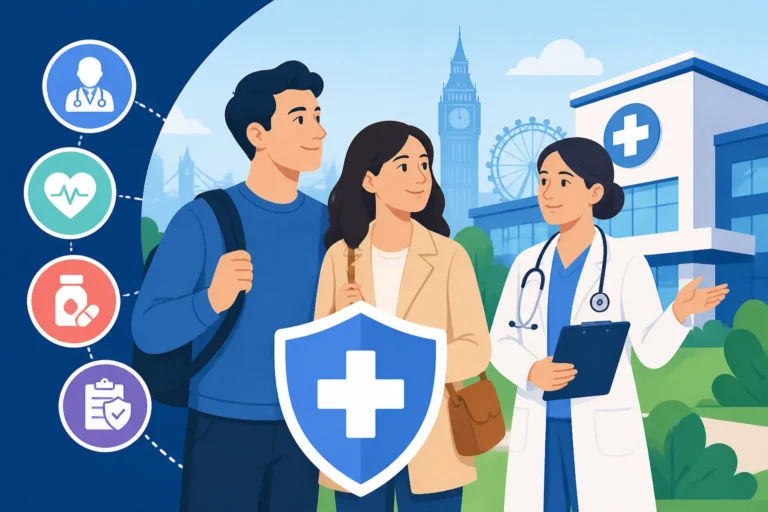
Imagine you've just moved to London and you're struggling with severe anxiety. You pluck up the courage to visit your new GP. You might worry that they'll share this information with your employer, your university, or even your family back home. Rest assured, they absolutely cannot do this without your explicit consent. Your GP’s primary duty is to you, their patient. They understand the sensitivity of mental health issues and the potential impact of information being shared inappropriately. If you're referred to a specialist mental health service within the NHS, such as NHS Talking Therapies, the same principles apply. Information is typically only shared amongst your direct care team on a 'need-to-know' basis, and usually with your knowledge or implied consent for the purpose of your treatment.
However, there's a vital distinction: your consent. In most cases, if there's a need to share your mental health information with other services outside your direct care team (e.g., social services, or even certain government agencies), your healthcare provider will explain why it's necessary and seek your explicit permission first. This is a critical component of patient autonomy in the UK system. They want you to feel empowered and secure in discussing sensitive issues.
Confidentiality in Private Mental Health Services
If you opt for private mental health care in the UK, whether through a private psychiatrist, psychologist, or counsellor, the principles of confidentiality are remarkably similar, and often, professional bodies enforce even stricter codes. Organizations like the British Association for Counselling and Psychotherapy (BACP) or the General Medical Council (GMC) for psychiatrists have clear ethical guidelines that prioritize patient confidentiality above almost all else.
When you engage with a private practitioner, you’ll typically sign a contract or agreement that clearly outlines their privacy policy. This document will detail how your information is stored, who has access to it, and the very specific circumstances under which it might be disclosed without your consent. This often gives expats an added layer of reassurance. For instance, if you're using international health insurance, perhaps through a provider like SafetyWing, to cover your private mental health sessions, they will still respect the confidentiality you have with your private practitioner. While the insurer will need some medical information to process claims, this communication usually occurs directly between you, your provider, and SafetyWing, not broadly disseminated to other UK authorities unless there’s a direct requirement for your continued care or legal imperative. The goal is to ensure you receive the best care while maintaining your privacy.
When Confidentiality Might Be Broken: Essential Exceptions
While confidentiality is paramount, there are specific, legally and ethically defined situations where it might be overridden. These exceptions are in place to protect you or others from serious harm, and understanding them can alleviate fears that your privacy will be casually breached.
Safeguarding and Risk of Harm
This is perhaps the most significant and commonly misunderstood exception. Healthcare professionals in the UK have a "duty of care" which extends not only to you but, in extreme cases, to the wider public. If a healthcare professional believes there is a significant risk of serious harm to yourself or to others, they are legally and ethically obliged to break confidentiality. This isn't taken lightly; it's a last resort in very serious situations.
Consider these scenarios:
- Imminent risk of suicide or severe self-harm: If you express clear intent and have a plan to end your life or seriously harm yourself, your healthcare provider would likely seek to get you immediate help. This could involve contacting emergency services, a crisis team, or a designated next of kin, often attempting to gain your consent first, if it's safe and practical to do so.
- Harm to others: If you disclose a credible and imminent threat to harm another person, especially a child or vulnerable adult, your healthcare provider must act to protect that individual. This might involve contacting the police or social services.
- Serious criminal activity: In very rare circumstances, if you disclose participation in serious criminal activity (e.g., terrorism, drug trafficking), confidentiality could be broken, though this is usually highly specific and linked to legal obligations rather than general medical practice.
It’s important to stress that this isn't about minor issues or expressing general distress. It's about a clear, present, and significant danger. Your healthcare provider will always try to discuss this with you first, explain their concerns, and explore options before breaching confidentiality. They understand that breaching trust can undermine treatment, so it’s only done when absolutely necessary and in your best interest or the public's safety. For expats, there might be a fear that this could impact your visa or immigration status. Generally, mental health disclosures for treatment purposes do not automatically trigger immigration issues unless there are very specific and serious circumstances that directly relate to public safety or national security – situations far beyond typical mental health challenges.
Legal and Administrative Requirements
Beyond safeguarding, there are other, more administrative or legal reasons why information might be shared, but these are usually highly regulated and often involve anonymized data.
- Court orders: A court can issue an order compelling a healthcare professional to disclose specific medical information. This is rare and typically only happens in legal proceedings where your mental health is directly relevant, for example, in certain criminal cases or family law disputes.
- Mental Health Act assessments: If you are deemed to be suffering from a mental disorder of a nature or degree that makes it appropriate for you to be detained in hospital for assessment or treatment, professionals operating under the Mental Health Act might share information to ensure your safety and appropriate care. This is a highly specific legal framework.
- Audit, research, and public health: Your anonymous or de-identified data might be used for national health planning, service improvement, or medical research. For instance, aggregated data might show trends in anxiety among expats in certain areas, which helps the NHS allocate resources better. This data is rigorously anonymised, meaning your personal identity is removed, so you cannot be identified. This allows for system-wide improvements without compromising your individual privacy.
Understanding these exceptions is crucial. They are not arbitrary; they are statutory obligations and ethical duties designed to balance individual privacy with collective safety and the effective functioning of the healthcare system.
Accessing Your Records and Controlling Your Information
One of the most empowering aspects of healthcare in the UK is your right to access and control your own medical information. As an expat, knowing you have these rights can make you feel much more secure and in control of your journey within the UK's healthcare landscape.
Your Rights Under Data Protection Laws
Thanks to the General Data Protection Regulation (GDPR) and the UK Data Protection Act 2018, you have robust rights concerning your personal data, including your medical records. This means you’re not just a passive recipient of care; you’re an active participant in how your information is managed.
Here are your key rights:
- Right to Access (Subject Access Request – SAR): You have the right to request and receive a copy of your medical records. This includes your mental health notes. If you've been seeing a GP, a specialist, or even engaging with private therapy, you can ask for access. The process involves making a formal request to your GP surgery, NHS Trust, or private provider. They usually have a month to respond. This can be incredibly helpful if you want to understand your treatment history, share information with another provider, or simply review what's been recorded.
- Right to Rectification: If you find any inaccuracies in your medical records, you have the right to ask for them to be corrected. This ensures your information is always accurate and up-to-date.
- Right to Object: In certain circumstances, you can object to the processing of your data, or request that it be erased. However, with medical records, there are legal obligations to retain data for specific periods, so this right is sometimes subject to those requirements, especially if the data is essential for your ongoing care.
- Right to Be Informed: Your healthcare providers must be transparent about how they collect, use, and share your personal data. This should be communicated clearly and concisely.
These rights empower you to be an informed and active participant in your healthcare. For instance, if you're exploring different options for your mental health, perhaps looking into private alternatives that might be covered by your global insurance plan like SafetyWing, you can confidently request your NHS records to share with your new private practitioner, ensuring continuity of care on your terms.
Navigating Information Sharing in Multi-Disciplinary Teams
Mental health care, especially within the NHS, often isn't delivered by a single person. You might interact with a GP, a psychiatrist, a mental health nurse, an occupational therapist, or a social worker. This is known as a multi-disciplinary team (MDT). The idea is to provide holistic, coordinated care, but it naturally raises questions about who sees what.
Within an MDT, information is generally shared on a "need-to-know" basis, meaning only the professionals directly involved in your care and who need specific information to treat you effectively will have access. When you are referred from your GP to an NHS mental health service, for example, it's typically understood that information relevant to that referral will be shared to ensure you get the right support. This is usually considered "implied consent" for direct care purposes.
However, if you have specific concerns about certain information being shared, or if you want to limit who sees what, you absolutely have the right to discuss this with your primary clinician (e.g., your GP or lead therapist). They will explain the implications of not sharing certain information and will generally respect your wishes unless there are significant safeguarding concerns (as discussed earlier).
When you move between different NHS services, or even from NHS care to private care, information transfer can occur. For instance, if you switch GPs, your medical records will be transferred. If you decide to transition from NHS talking therapies to a private therapist (perhaps because your Health Insurance in the UK: Private Cover and Options Explained gives you more choice, or through a flexible travel medical plan like SafetyWing), you can request that your records be shared, ensuring your new therapist has a full picture of your journey. This collaboration, always with your involvement, ensures your mental health care remains seamless and effective.
Here's a quick overview of confidentiality in UK mental health services:
| Aspect | NHS Mental Health Services | Private Mental Health Services |
|---|---|---|
| Primary Legislation | GDPR, Data Protection Act 2018, NHS Confidentiality Code of Practice, Professional Ethics | GDPR, Data Protection Act 2018, Professional Ethics (e.g., BACP, GMC), Service Contracts |
| Consent Required? | Generally, yes, especially for sharing outside direct care team. Implied consent for direct care. | Explicit consent typically detailed in service agreement/contract. |
| Who Has Access? | Direct care team (e.g., GP, psychiatrist, therapist, mental health nurse on a need-to-know basis). | Your individual therapist/psychiatrist; administrative staff on a need-to-know basis (e.g., for billing). |
| Key Exceptions | Serious risk of harm to self or others, child protection, court orders, specific legal duties. | Serious risk of harm to self or others, child protection, court orders, specific legal duties. |
| Data Storage | Electronic patient records (e.g., NHS Spine, local systems), highly secure. | Secure electronic or paper records, practitioner-specific systems, often encrypted. |
| Patient Access Rights | Full rights under GDPR (SAR, rectification, objection). | Full rights under GDPR (SAR, rectification, objection). |
| Typical Sharing with Third Parties | With explicit consent for most external parties. Anonymised data for research/planning. | Rarely shared without explicit consent, except for insurer claim processing (with your involvement). |
Practical Tips for Expats and Tourists
Moving to or visiting the UK comes with its own set of stresses, and when mental health challenges arise, feeling lost in the system is the last thing you need. Arming yourself with practical knowledge and proactive steps can make a huge difference in how you experience mental health support.
Open Communication with Your Healthcare Provider
My biggest piece of advice, learned through years of navigating expat life, is to talk openly with your healthcare provider. This sounds simple, but it’s powerful. When you first register with a GP, or start seeing a therapist, don't hesitate to voice any concerns you have about confidentiality. They are used to these questions, especially from new patients or those from different cultural backgrounds.
You might say something like:
- "I'm new to the UK, and I'm a bit unfamiliar with how confidentiality works here. Could you explain who might have access to my mental health records?"
- "I'm comfortable sharing X, Y, and Z, but I'd prefer that A and B are kept strictly between us unless absolutely necessary. Is that something we can agree on?"
- "I’m worried about this affecting my immigration status or employer. How do you handle those situations?"
A good healthcare professional will welcome your questions and take the time to explain their policies and legal obligations clearly. They can make a note on your file about your specific preferences regarding information sharing, which can serve as a guide for your care team. This proactive approach ensures your wishes are known and recorded, giving you greater peace of mind as you begin to Access Mental Health Services and NHS Talking Therapies in the UK.
Insurance and Confidentiality for Visitors
For those of you here on a shorter stay, perhaps as a tourist or on a temporary visa, navigating healthcare and confidentiality can feel even more complex. While expats might eventually get to grips with the NHS, visitors often rely on private care or travel insurance.
If you’re a tourist or a short-term visitor, you generally aren't eligible for free NHS care, except in emergencies. So, many rely on travel insurance. Providers like SafetyWing, which offers flexible travel medical insurance, are designed to cover unexpected medical costs, including some mental health emergencies. However, for an insurance company to process a claim, they will need access to some medical information to verify the treatment and its necessity.
Here’s what to keep in mind:
- Understand your policy: Before you need to make a claim, thoroughly read the terms and conditions of your travel or international health insurance. It will outline how they handle medical information and what you need to provide. Don't wait until you're in a crisis to figure this out.
- Direct communication: Typically, you'll be the one providing information to your insurer, often with supporting documentation from your UK healthcare provider. The sharing is usually between you, the provider, and SafetyWing, for example, directly related to your claim. It's not usually a free-for-all where your mental health records are shared with broad UK government authorities, unless there's a serious legal or safeguarding issue (as covered in the exceptions section) that necessitates official intervention.
- Privacy for treatment, transparency for claims: You still have the right to confidentiality with your treating clinician, whether private or via limited NHS access (e.g., for emergencies). The information shared with your insurer is typically for financial reimbursement, not for monitoring your personal health status by third parties.
Being prepared with a good insurance plan, like those offered by SafetyWing, and understanding its privacy terms can alleviate a lot of stress if you need to access mental health support while in the UK. Remember, healthcare professionals in the UK are generally deeply committed to your privacy, and the systems are designed to protect you, even while ensuring you get the care you need. If you have any questions about your eligibility for care, you might want to read Understanding Who Is Eligible for Free NHS Care in the UK or The Complete Guide to Healthcare in the UK for Expats (2027).
Disclaimer
The information provided in this guide is for general informational purposes only and does not constitute legal or medical advice. While every effort has been made to ensure accuracy, healthcare regulations and policies can change. Always consult with a qualified healthcare professional or legal expert for advice tailored to your specific situation. This article is not a substitute for professional medical or legal guidance.