How Do I Find a Dermatologist in London?
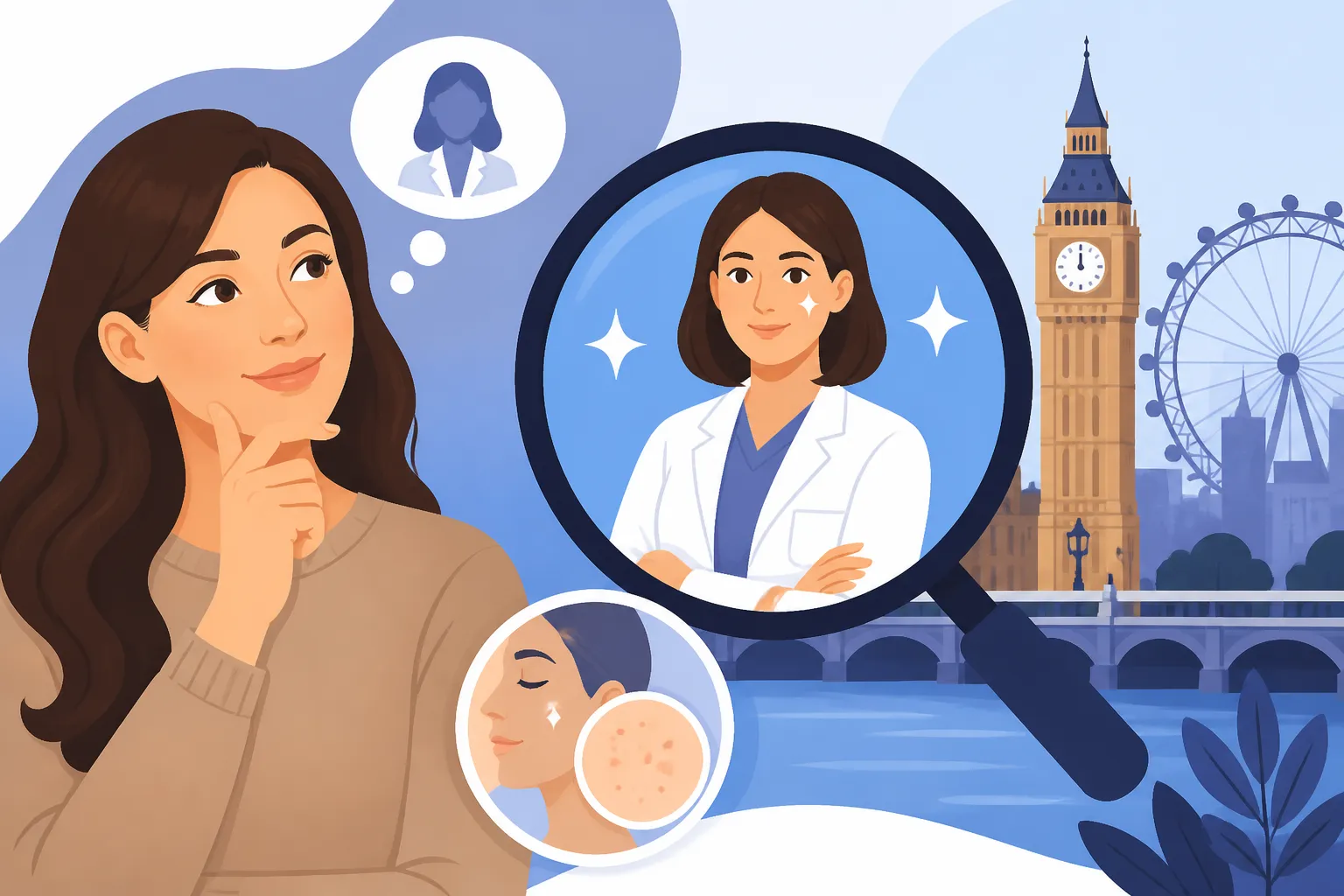
Figuring out how to access specialist medical care in a new country can feel like navigating a maze blindfolded, and finding a dermatologist in London is no exception. You might be dealing with persistent skin issues, worrying about a new mole, or simply seeking routine care, only to be met with an unfamiliar system. This guide is here to untangle the complexities, offering clear, actionable steps on how to find a dermatologist in this bustling city, whether you're leaning on the NHS or exploring private options.
Navigating the NHS for Dermatology Referrals in London
When you first arrive in the UK, the National Health Service (NHS) is your primary point of contact for healthcare. It's a fantastic system that provides care free at the point of use for residents who have paid their Immigration Health Surcharge (IHS) or are otherwise eligible. However, accessing specialist care like dermatology through the NHS isn't always a straightforward "walk-in" affair, especially in a busy city like London.
The Initial GP Hurdle
Your journey to an NHS dermatologist always begins with registering with a General Practitioner (GP). This is your gatekeeper, your first port of call for any non-emergency health concern. You absolutely cannot directly book an appointment with an NHS dermatologist; you need a referral from your GP.
The first challenge many expats face is simply getting registered and then securing that initial GP appointment. London GP surgeries can be swamped, and getting a timely appointment can be frustrating. My advice? Be persistent and clear about your symptoms. When you do get to see the GP (which might be a phone call, video call, or in-person), don't downplay your concerns. Clearly explain your skin condition, how long you've had it, how it impacts your life, and any treatments you've already tried. If you suspect something serious, ensure you convey that urgency. The GP will assess whether your condition warrants a specialist referral. They might initially suggest simpler treatments, or prescribe topical creams, before considering referring you. It's a process of elimination, but you have the right to advocate for yourself. For a detailed walkthrough on this crucial first step, you might want to read our guide on How to Register with an NHS GP After Moving to the UK and generally understand Registering with a GP in the UK: The Complete Expat Guide (2027).
Understanding NHS Waiting Lists for Specialists
Once your GP agrees to refer you to a dermatologist, brace yourself for the reality of NHS waiting lists. These can vary significantly depending on the severity of your condition and the specific London borough or hospital trust you're referred to. For urgent, suspected cancer cases, the NHS aims for a "two-week wait" pathway, meaning you should see a specialist within two weeks. However, for routine dermatology concerns, the wait can stretch from several weeks to many months, or even over a year in some particularly strained areas of London.
It's a tough pill to swallow when you're used to quicker access, but it's the nature of a publicly funded system. Your GP should give you an idea of the expected waiting time, and you can sometimes check approximate waiting times via the NHS My Planned Care website. Don't be afraid to ask your GP for an update on your referral if you haven't heard anything after a reasonable period. The NHS system, while excellent in principle, often requires you to be proactive in following up. If you're wondering about the broader picture, our article on How Long Are NHS Waiting Lists in the UK? delves into this topic in more detail.
The Referral Process and Your Options
After your GP refers you, the referral is sent to a specialist clinic or hospital trust. What happens next depends on the type of referral. In many cases, you'll receive a letter or notification from the hospital directly, offering you an appointment or explaining how to book one. The NHS also operates a "choice" system, meaning you may be given a choice of a few different hospitals or clinics in your area. This can be beneficial if one hospital has a shorter waiting list than another.
It's vital to follow the instructions in any communication you receive carefully. If they ask you to call to book, call promptly. If you miss your appointment without notifying them, you might be removed from the waiting list entirely, and the whole process would have to start over with your GP. This is where a good system for tracking your appointments and communications really pays off. Remember, your GP can only refer you; the management of your specialist appointment then largely sits with the hospital or clinic. Understanding How Do I Get a Referral to a Specialist on the NHS? can shed more light on this journey.
Seeking Private Dermatology Care in London
For many expats, the prospect of long NHS waiting lists, especially for non-life-threatening but impactful conditions, can be daunting. This is often where private healthcare steps in, offering a significantly faster route to seeing a specialist. London, being a global hub, has an extensive network of private dermatology clinics and consultants.
Why Go Private? The Need for Speed and Choice
The primary reason most expats opt for private dermatology care in London is speed. You can often get an initial consultation within days or a few weeks, rather than months. This quick access is invaluable for worrying skin changes, persistent issues causing discomfort, or simply for peace of mind. Beyond speed, private care offers a greater degree of choice. You can often choose your specific consultant, based on their expertise, reviews, or even their availability. You might also find more convenient appointment times, a more comfortable clinical environment, and longer consultation slots, allowing for a more in-depth discussion of your concerns.
Of course, this expedited and personalised care comes at a cost, which we'll delve into shortly. It’s a trade-off that many find worthwhile, especially if their condition is impacting their daily life or causing significant anxiety. The decision between NHS and private often boils down to urgency, budget, and personal preference. If you're weighing this up, our article on NHS vs Private Healthcare in the UK: Which Should Expats Choose? offers a comprehensive comparison.
Finding a Private Dermatologist and Booking an Appointment
Finding a private dermatologist in London is a much more direct process than navigating the NHS. You don't always need a GP referral for private care, though it's often recommended and can be helpful, as your GP can provide a referral letter with your medical history.
Here’s how you can go about it:
- Online Directories: Websites like Doctify, Top Doctors, or Private Healthcare UK allow you to search for dermatologists by specialty, location (e.g., Harley Street, Chelsea, City of London), and even patient reviews. You can often see their available appointments and book directly online.
- Private Hospitals: Major private hospital groups in London, such as London Bridge Hospital (part of HCA Healthcare UK), The Harley Street Clinic, Spire Healthcare, and Nuffield Health, all have extensive dermatology departments. Their websites list their consultants and provide booking information. These are excellent starting points for finding reputable specialists.
- Word of Mouth: Ask fellow expats or colleagues for recommendations. Personal experiences can often lead you to an excellent specialist.
When booking, be prepared to explain your condition briefly. The clinic will confirm if a referral letter is necessary or merely helpful. Most initial private consultations are scheduled as standalone appointments, and any subsequent tests or procedures will be discussed and booked separately.
Costs and Insurance Considerations for Private Treatment
Now, let's talk about the elephant in the room: the cost. Private dermatology in London is not cheap. An initial consultation can range anywhere from £200 to £400, sometimes more, depending on the consultant's seniority and the clinic's location. Follow-up appointments are usually a bit less, perhaps £150-£250.
If your private health insurance covers you, this is where it truly shines. Many expat health insurance plans, like those offered by SafetyWing, are designed to cover private specialist consultations and treatments. It's crucial to check your policy details before booking. You'll need to understand:
- What's covered: Does your policy cover outpatient consultations, diagnostic tests (like biopsies), and procedures?
- Excess: Do you have an excess (deductible) to pay before your insurance kicks in?
- Pre-authorisation: Does your insurer require pre-authorisation for appointments or treatments? Most do, meaning you need to inform them and get approval before proceeding.
- Direct billing: Can the clinic bill your insurer directly, or will you need to pay upfront and claim reimbursement?
Always get a clear breakdown of costs from the private clinic before your appointment. If you plan to have any procedures or diagnostic tests, ask for estimated costs for those too. For more information on private health insurance, check out our guide on Health Insurance in the UK: Private Cover and Options Explained and for cost expectations, see How Much Does Private Health Insurance Cost in the UK in 2026?.
Navigating the Financial Side: NHS vs. Private Costs
Understanding the financial implications is critical, especially when you're trying to manage your budget as an expat in London. While the NHS provides care at the point of use, the private route requires careful financial planning.
Understanding NHS Costs for Dermatology
The core principle of the NHS is that medical care is free at the point of use for eligible residents. This means that once you have been referred to an NHS dermatologist and accepted onto their caseload, the consultation, any diagnostic tests (like biopsies), and most treatments will not incur a direct charge.
However, there are still some costs you might encounter:
- Immigration Health Surcharge (IHS): For most visa holders coming to the UK for more than six months, you will have paid the IHS as part of your visa application. This payment grants you access to the NHS. So, while you don't pay per visit, you've already contributed to the system. Understanding How the Immigration Health Surcharge Gives You NHS Access in the UK is key here.
- Prescription Charges: While the actual dermatology appointment is free, any medication prescribed by an NHS dermatologist (or GP) will usually incur a prescription charge, which is a flat fee per item in England (currently £9.90 per item, as of early 2024). There are exemptions for certain groups, such as those with certain medical conditions, pregnant women, new mothers, and those on specific benefits. Scotland, Wales, and Northern Ireland have different prescription charge policies. Be aware that private prescriptions are generally more expensive as they aren't subsidised. You can learn more about this in Understanding NHS Prescription Charges and Exemptions in the UK.
So, while the clinical aspect is 'free', there are indirect costs and prescription fees to consider.
Typical Private Dermatology Costs in London
Private dermatology costs are transparent but can add up quickly. As mentioned, an initial consultation is typically £200-£400. This fee covers the consultant's time and expertise for that specific appointment. It rarely includes any tests or procedures.
Here’s a rough breakdown of what you might expect for common private dermatology services in London:
| Service | Estimated Cost Range (GBP) | Notes |
|---|---|---|
| Initial Consultation | £200 – £400 | Varies by consultant and clinic. |
| Follow-up Consultation | £150 – £250 | Shorter appointments, usually to review progress or test results. |
| Skin Biopsy (diagnostic) | £300 – £700 | Includes procedure fee and lab analysis. May be charged separately from consultation. |
| Cryotherapy (for warts/lesions) | £150 – £350 per session | Price often depends on the number and size of lesions. |
| Mole Removal (minor excision) | £500 – £1500+ | Depends on size, location, complexity, and whether histology (lab analysis) is included. |
| Allergy Patch Testing | £400 – £800 | Often requires multiple visits over a few days. |
| Laser Treatment (e.g., for scars) | £250 – £800+ per session | Highly variable depending on area treated and type of laser. Usually a course of treatments. |
| Private Prescription | Variable | Cost of medication itself, plus a dispensing fee from the pharmacy. Can be significantly higher than NHS. |
These are just estimates, and prices can change. Always confirm directly with the clinic before committing to any treatment.
Making the Most of Your Health Insurance
If you have private health insurance, whether a comprehensive expat plan like some offered by SafetyWing or a local UK policy, it's essential to understand its full potential. Don't just assume everything is covered.
- Read Your Policy: This sounds obvious, but many people don't. Understand your outpatient limits, your excess, and any exclusions (e.g., pre-existing conditions, cosmetic treatments).
- Pre-authorisation is Key: For most significant treatments, and often even for initial consultations, your insurer will require you to get "pre-authorisation" before you proceed. This means contacting them, explaining what treatment you need, and getting their approval. Skipping this step can lead to your claim being rejected.
- Claiming Process: Keep all receipts and documentation. Understand whether the clinic will bill your insurer directly (a "direct settlement") or if you need to pay and claim reimbursement. The latter means you need funds available upfront.
For those new to the UK, purchasing private health insurance can be a smart move, especially if you anticipate needing specialist care or prefer quicker access. Our guide on How to Buy Private Health Insurance as a Newcomer in the UK can help you get started. Even if you have comprehensive cover, it’s always a good idea to know the emergency numbers; our article on Emergency Medical Care in the UK: What Every Expat Needs to Know covers this critical information.
Beyond the Basics: What Else to Consider
Finding a dermatologist isn't just about booking an appointment; it's about making sure you get the right care, understand your options, and communicate effectively within the UK healthcare landscape.
Online Consultations and Teledermatology
In recent years, especially since the pandemic, online consultations (teledermatology) have become increasingly common, both within the NHS (as initial GP assessments) and, more significantly, in the private sector. For certain conditions, a video call with a dermatologist can be a quick and convenient way to get an initial diagnosis, treatment plan, or advice without needing to travel to a clinic.
Several private companies in London offer online dermatology consultations. This can be particularly useful for:
- Initial assessment: To determine if an in-person visit is truly necessary.
- Monitoring chronic conditions: For follow-ups where a physical examination isn't critical.
- Prescription refills: For stable conditions requiring ongoing medication.
- Second opinions: To get another expert view on a diagnosis or treatment plan.
While teledermatology has its limits (you can't perform a biopsy over video!), it can be a valuable tool for reducing waiting times and accessing expertise, especially for less complex or easily visible skin conditions. Just ensure the platform is reputable and the consulting dermatologist is GMC-registered.
Communicating Your Needs Effectively
Navigating a new healthcare system, even in English, can be challenging. Medical terminology, cultural differences in communication styles, and simply feeling vulnerable can make it hard to articulate your concerns.
Here are a few tips to communicate effectively with your GP or dermatologist:
- Prepare a timeline: Jot down when your symptoms started, how they've progressed, what makes them better or worse, and any treatments you've tried.
- Be specific: Instead of saying "my skin is bad," describe exactly what you're experiencing: "I have persistent itching, redness, and flaky patches on my scalp and elbows."
- Bring photos: If your condition fluctuates or is hard to describe, take clear, well-lit photos of the affected area during a flare-up.
- Don't be afraid to ask questions: If you don't understand something, ask for clarification. Doctors in the UK generally appreciate patients who are engaged in their care. Ask about diagnosis, treatment options, side effects, and what to do if the treatment doesn't work.
- Consider a friend or family member: If you're feeling overwhelmed or if English isn't your first language, having someone accompany you to the appointment can be incredibly helpful for support and understanding.
Remember, this is your health. You have every right to understand your condition and your treatment options.
Specialist Areas Within Dermatology
Dermatology is a broad field, and some dermatologists specialise further. While a general dermatologist can handle most common skin conditions, you might encounter situations where a sub-specialist could be beneficial:
- Paediatric Dermatology: For children with complex skin conditions.
- Dermatological Surgery: For procedures like mole removal, skin cancer excision, or cyst removal.
- Cosmetic Dermatology: For aesthetic concerns, often not covered by the NHS or most private insurance policies.
- Photodermatology: Specialising in light-related skin conditions.
- Hair and Nail Disorders: Dedicated to issues like alopecia or nail infections.
If your GP or initial dermatologist suggests a very specific, rare, or complex condition, they might refer you to a sub-specialist within the NHS or recommend a private expert in that niche. Most private clinics will highlight their consultants' specific areas of interest or expertise on their profiles, which can help guide your choice if you have a particular concern.
Overall, whether you choose the NHS route, brave the private fees, or leverage your private health insurance plan (like those from SafetyWing), London offers a wealth of excellent dermatological expertise. The key is to understand the system, advocate for your needs, and make an informed decision based on your personal circumstances and urgency. For a general overview of the UK healthcare landscape, you might find our main article The Complete Guide to Healthcare in the UK for Expats (2027) a valuable resource.
Disclaimer
The information provided in this guide is for general informational purposes only and does not constitute medical, legal, or professional advice. Healthcare policies, prices, and availability can change rapidly. Always consult with a qualified healthcare professional, immigration expert, or financial advisor for advice tailored to your specific situation.