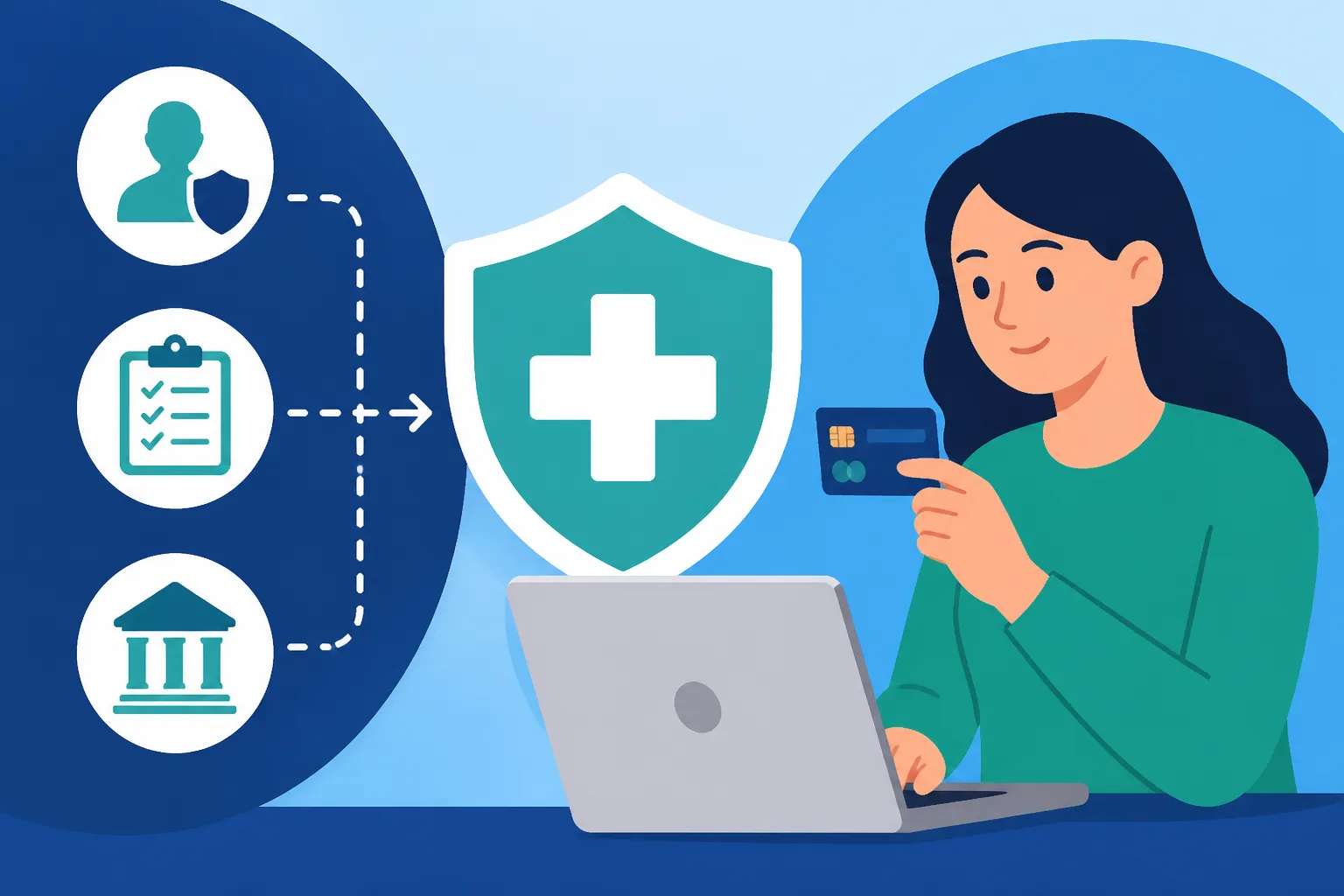
How Do I Pay the Immigration Health Surcharge in the UK?
Navigating the financial labyrinth of moving to a new country can feel like a full-time job, and one of the trickiest hurdles for many newcomers to the UK is understanding and paying the Immigration Health Surcharge (IHS). This mandatory fee, often a significant sum, is a source of much confusion and frustration, especially when you're already grappling with visa applications and logistical nightmares. This guide aims to demystify the IHS payment process, offering clear, step-by-step advice to ensure you secure your access to the cherished National Health Service.
What Exactly is the Immigration Health Surcharge and Why Do I Pay It?
When you first hear about the Immigration Health Surcharge, it might sound like just another hidden fee. Trust me, many of us expats have been there, staring at the total cost of our visa application and wondering what this extra charge is all about. In simple terms, the IHS is a mandatory upfront payment that most non-EEA nationals (and now, post-Brexit, EEA nationals too, in many cases) must pay when applying for a visa to live in the UK for more than six months. It's the UK government's way of ensuring that temporary migrants contribute to the National Health Service (NHS), the publicly funded healthcare system, in advance of using its services.
The Purpose Behind the Payment
Think of the IHS as a pre-payment for access to the NHS. Once you've paid it and your visa is granted, you generally gain the same access to NHS services as a permanent UK resident, without having to pay for individual appointments or treatments (though certain charges, like prescriptions in England or dental care, still apply). It's designed to offset the cost of any potential healthcare you might need during your stay. For a deeper dive into the overall system, you might find our guide on Understanding the Immigration Health Surcharge (IHS) and NHS Access (2027) helpful. Many expats, myself included, initially found this concept a bit perplexing – wasn't the NHS "free at the point of use"? Yes, for eligible residents, but the IHS ensures you become one of those eligible residents for the duration of your visa.
This upfront cost can be a real shock, especially when you're already budgeting for flights, accommodation, and the visa fee itself. It's not a small sum, and it needs to be paid in full before your visa application can even be processed. This is why understanding it thoroughly is so important; you don't want any unexpected delays or rejections due to a misunderstanding of this crucial step.
Who Needs to Pay and Who is Exempt?
The vast majority of individuals applying for a UK visa lasting longer than six months will need to pay the IHS. This includes those on Skilled Worker Visas, Student Visas, Family Visas, and many other routes. The fee is generally calculated based on the length of your visa, with some specific rates for certain categories. For example, if you're coming on a Student Visa or Youth Mobility Scheme Visa, or if you're a child under 18, you usually pay a slightly lower annual rate.
However, there are some important exceptions. You generally won't need to pay the IHS if:
- You're applying for Indefinite Leave to Remain (ILR), as you're seeking permanent residence.
- You're applying for a visitor visa (these are typically for stays of six months or less, which doesn't trigger the IHS requirement).
- You're a diplomat or a member of a visiting armed force.
- You're a BNO (British National (Overseas)) visa holder.
- You're applying as a Health and Care Worker (this visa route specifically exempts you from the IHS, recognising your contribution to the NHS).
It's absolutely critical to double-check your specific visa category and circumstances on the official UK government website to confirm whether you are required to pay the IHS. Missing this step or misunderstanding your exemption status could lead to significant delays or even refusal of your visa application. If you're wondering Is Healthcare Free in the UK for Expats?, the IHS is the answer to that for most long-term visa holders.
The Nitty-Gritty: How to Pay Your Immigration Health Surcharge
Paying the IHS isn't a separate, standalone transaction you complete at your leisure. It's seamlessly integrated into your online visa application process. This integration is both a blessing and a curse: it streamlines things, but it also means you can't really move forward with your visa without dealing with it first. It's often the point where many applicants hit a wall, especially with the sheer volume of information to process.
Step-by-Step Walkthrough of the Payment Process
When you're filling out your online UK visa application form, the system will automatically determine if you need to pay the IHS based on your answers (your visa type, duration of stay, etc.). It will then direct you to a dedicated section to calculate and pay the surcharge. Here's how it generally unfolds:
- Visa Application Completion: You'll complete the initial sections of your visa application form online on the UK government's official website.
- IHS Assessment: The system identifies that you need to pay the IHS. It will then generate a unique IHS reference number for you. This number is crucial, so make sure to write it down or save it digitally. It typically starts with 'IHS' followed by numbers.
- Calculation of Fee: The system automatically calculates the total IHS amount you owe based on the length of your requested visa. If you're applying for a 2-year visa, you'll pay two years' worth of the annual fee, for example. This is where it really hits home how substantial this fee can be.
- Payment Portal Redirection: You will be redirected to a secure payment portal. This is not directly part of the visa application form but a linked, government-approved system.
- Payment Method Selection: You'll typically have options to pay using a debit card or credit card. Most major international cards are accepted, but it's always wise to check with your bank beforehand to ensure your card is enabled for international transactions and to pre-warn them of a large payment to avoid fraud flags. I remember having my payment declined a couple of times because my bank thought it was suspicious activity – so that little heads-up call can save you a lot of grief!
- Confirmation and Return: Once the payment is successfully processed, you'll receive a confirmation, and you'll be automatically redirected back to your visa application to continue or submit.
It's vital that you don't proceed with submitting your visa application until you've received confirmation that the IHS payment has gone through successfully. Your visa application won't be considered valid without it, which would lead to immediate complications.
Timing and Essential Documents
The timing for IHS payment is non-negotiable: it must be paid before you submit your main visa application. You cannot submit one without the other. This means you need to have the funds readily available as you embark on the application process.
The key 'document' you need is your IHS reference number, which the system provides. While you won't typically need to upload a separate 'IHS payment receipt' to your visa application, keeping the payment confirmation email or screenshot is incredibly important for your records. If there's any dispute or query later, this is your proof.
Real-life scenario: A friend of mine was applying for her Skilled Worker Visa. She got to the payment section late at night, and her internet connection was a bit spotty. The payment seemed to go through, but she didn't get a confirmation email. Panicked, she contacted her bank, who confirmed the transaction. The next morning, she tried to submit her visa application, but the system wouldn't let her, stating the IHS hadn't been paid. She had to call the UKVI helpline, provide her IHS reference number and bank statement, and wait for them to manually reconcile it. It was a stressful few days that could have been avoided by ensuring that confirmation email was received and saved.
Common Pitfalls and How to Avoid Them
- Insufficient Funds: This sounds obvious, but the IHS is a significant sum. Ensure your chosen payment card has sufficient funds or credit limit.
- Bank Blocks: As mentioned, your bank might flag a large international transaction as suspicious. Call them in advance!
- Incorrect Visa Duration: The IHS is calculated based on the duration you input for your visa. If you make a mistake here, you might pay too much or too little. Always double-check your intended visa length against the visa requirements.
- Internet Connectivity: A dropped connection during payment can lead to complications, as my friend found. Try to pay from a stable connection.
- Not Saving Confirmation: Always save a screenshot or print out the payment confirmation page, and keep any confirmation emails. This is your undeniable proof.
- Misunderstanding Exemptions: Don't assume you're exempt. Check the official guidance carefully. If you think you might be exempt but the system asks for payment, don't just proceed. Re-check your visa route or contact UKVI for clarification. For more clarity on who gets free access, look at Understanding Who Is Eligible for Free NHS Care in the UK.
Remember, the IHS payment is a critical gatekeeper to your UK visa journey. Treat it with the attention it deserves.
Understanding IHS Costs and Duration
The cost of the Immigration Health Surcharge is often a point of contention and confusion. It's not a flat fee but rather an annual charge, calculated based on the total length of your visa. The rates can and do change, so it's always important to check the very latest figures.
Current Rates and Calculation
As of 6 February 2024, the annual IHS rates are:
- Standard Rate: £1,035 per year (for most applicants, including those on Skilled Worker Visas).
- Reduced Rate: £776 per year (for students, those on the Youth Mobility Scheme, and children under 18).
These rates apply for each year of your visa. For example, if you're applying for a Skilled Worker Visa for three years, you would pay £1,035 x 3 = £3,105. If your visa is for three years and six months, you'd typically pay for four full years, as partial years are usually rounded up. This is a crucial detail many miss. For instance, a visa for 2 years and 1 day will be charged as 3 full years of IHS. It's a system designed to keep things simple, but it can feel a bit unfair if you're just over the threshold. Our article on How Much Is the Immigration Health Surcharge in the UK in 2026? delves into the specific calculations more thoroughly.
This significant upfront cost is a major consideration for many people planning their move. It's important to factor this into your relocation budget right from the start. Many expats find that even with the IHS, having access to the NHS is a huge benefit, but the initial outlay can certainly be daunting.
What Happens if Your Visa Duration Changes? Refunds and Extensions
Life in a new country rarely goes exactly to plan. Your circumstances might change, leading you to extend your visa, switch to a different visa type, or even leave the UK earlier than expected.
- Visa Extension: If you apply to extend your current visa, you will need to pay the IHS again for the duration of the extension. For example, if you initially paid for a two-year visa and now want to extend it for another year, you'll pay one more year's worth of IHS at the current rate.
- Switching Visa Categories: If you switch from one visa category to another (e.g., from a Student Visa to a Skilled Worker Visa), you will need to pay the IHS for the new visa's duration. The previous IHS payment for the remaining time on your old visa might be eligible for a refund, though this isn't always automatic and can take time to process.
- Early Departure or Visa Refusal: This is where refunds come into play. You are usually eligible for a full or partial refund of the IHS if:
- Your visa application is refused.
- You withdraw your visa application.
- You're granted less time on your visa than you applied and paid for.
- You leave the UK before your visa expires, and then apply for and are granted Indefinite Leave to Remain.
Important note on refunds: While you are eligible, the refund process is often not automatic. You don't usually need to apply for it, as the Home Office is meant to process it automatically. However, many expats report significant delays, sometimes months, in receiving their refunds. This can be frustrating, especially if you were relying on that money. The refund is typically paid back to the same card you used for the original payment. Keep good records of your IHS reference number and payment details! For more details on the practicalities of NHS access, consider reading How Your Visa and the IHS Affect Your NHS Entitlement in the UK.
What the IHS Covers (and What It Doesn't)
Having paid a substantial sum for the IHS, it's natural to wonder exactly what benefits it unlocks. While it grants you broad access to the NHS, it's not a magic bullet for all your healthcare needs. Understanding its scope is crucial, especially for planning your healthcare strategy in the UK.
Full Access to NHS Services
Once you've paid the IHS and your visa is granted, you can access most NHS services in the UK just like a permanent resident. This includes:
- GP appointments: Registering with a local General Practitioner (GP) is your first port of call for non-emergency healthcare needs. This is where you'll get referrals to specialists.
- Hospital treatment: This covers emergency care (A&E), planned surgeries, and inpatient stays (excluding certain charges like private rooms).
- Maternity services: Comprehensive antenatal, childbirth, and postnatal care are included.
- Mental health services: Access to NHS talking therapies and other mental health support.
- Sexual health services: Free and confidential STI testing and treatment.
This access to a universal healthcare system, from a simple GP visit to life-saving surgery, is a huge reassurance for expats. Knowing that you won't face astronomical bills for unexpected medical crises is one of the great advantages of living in the UK, even with the upfront IHS cost. Our The Complete Guide to Healthcare in the UK for Expats (2027) provides a comprehensive overview of the system you'll be accessing.
Understanding the Limitations and Gaps
However, it's important to understand what the IHS doesn't cover, or where you might still incur costs:
- Prescription Charges (in England): While prescriptions are free in Scotland, Wales, and Northern Ireland, in England, you will typically pay a flat fee per item (unless you qualify for an exemption, such as being under 16, over 60, pregnant, or on certain benefits).
- Dental Care: NHS dental care is heavily subsidised but not entirely free. You'll pay fixed charges for different bands of treatment. Finding an NHS dentist taking new patients can also be a challenge, with long waiting lists in many areas.
- Eye Tests and Glasses: These are generally not covered by the NHS unless you meet specific criteria.
- Private Healthcare: The IHS grants you access to the public NHS. It does not give you access to private hospitals or clinics, nor does it cover private consultations or treatments. If you want to bypass NHS waiting lists or access specific private specialists, you will need to pay for this out of pocket or through private health insurance.
- Pre-existing Conditions: While the NHS will treat pre-existing conditions, the IHS doesn't mean you automatically get immediate specialist care. You'll still go through the standard NHS referral process, which can involve waiting lists.
This is where many expats choose to consider supplementary private health insurance. Even after paying the IHS, some feel the need for additional coverage to get quicker access to specialists, avoid prescription charges, or ensure access to dental care without long waits. Companies like SafetyWing offer various plans that could bridge these gaps, providing peace of mind for unexpected medical costs or covering you during the initial waiting period before you've fully set up your NHS access. It’s worth exploring options for Health Insurance in the UK: Private Cover and Options Explained if these limitations are a concern for you.
For example, imagine you arrive in the UK, pay your IHS, but then discover a recurring back problem. While the NHS will absolutely treat you, getting a quick referral to a physiotherapist or specialist might involve a wait. If you have private insurance, you might be able to see a specialist much sooner. Some expats choose a combination approach: relying on the NHS for most care but having something like SafetyWing for specific needs or emergencies where private care could be beneficial, especially if their job requires frequent travel outside the UK. Knowing the differences can help you decide if NHS vs Private Healthcare in the UK: Which Should Expats Choose? for your situation.
Common Questions and Troubleshooting Your IHS Payment
The Immigration Health Surcharge can be a tricky beast, and it's normal to have a plethora of questions. From dealing with payment issues to proving you've paid, here's a rundown of common scenarios and how to navigate them.
What Happens If You Cannot Pay the IHS?
This is a stark reality for some applicants. If you cannot pay the IHS, your visa application simply cannot proceed. The UKVI system is designed such that payment is mandatory before submission. It will not allow you to submit your application without a successful IHS transaction.
If you find yourself in this situation, you essentially have a few options:
- Delay Your Application: If possible, postpone your visa application until you have saved enough funds.
- Seek Financial Assistance: Explore options for loans or support from family or friends. Some employers sponsoring Skilled Worker Visas might offer to cover the IHS cost, either as a benefit or as an advance that you repay – it's always worth asking during job negotiations.
- Re-evaluate Visa Plans: In some unfortunate cases, if the IHS is truly prohibitive, it may force a reconsideration of your plans to move to the UK.
There are no waivers or installment plans for the IHS for standard visa applicants. It's an all-or-nothing upfront payment. This can be one of the most stressful aspects of the entire relocation process for many.
Payment Issues and How to Resolve Them
Even with sufficient funds, payment issues can crop up. As I mentioned earlier, dealing with a declined card is common. Here's what to do:
- Declined Card:
- Contact your bank immediately: This is the most common reason. Your bank's fraud detection system might have blocked the transaction due to its size or it being an international payment.
- Check card limits: Ensure you haven't exceeded daily transaction limits on your debit card or credit limit on your credit card.
- Try a different card: If you have access to another debit or credit card, try that.
- Technical Glitches:
- Clear browser cache and cookies: Sometimes old data interferes with payment portals.
- Try a different browser or device: What works on Chrome might fail on Safari, or vice versa.
- Wait and retry: If it seems like a system-wide error, sometimes waiting a few hours and trying again can resolve it. The payment portals are usually very robust, but even the best systems have hiccups.
- Uncertain Payment Status: If you're unsure if the payment went through (no confirmation email, application not progressing), check your bank statement. If the money has been debited, but your application isn't updated, immediately contact UKVI and be ready to provide your IHS reference number and bank proof of payment. This might take some time to resolve, so factor that into your timeline.
Proving Your IHS Payment and NHS Access
Once your visa is granted and you arrive in the UK, your IHS payment is what officially grants you access to the NHS. You typically won't need to carry a physical 'receipt' around with you.
- IHS Reference Number: This unique number is your key. It's linked to your visa application and recorded by UKVI.
- Biometric Residence Permit (BRP) or eVisa: Your BRP (for those issued one) or the digital status of your eVisa confirms your immigration status and, by extension, your eligibility for NHS services. When you register with a GP, they will usually ask for your BRP or view your digital immigration status to confirm your entitlement.
- Proof of Address: When registering with a GP, you'll generally need proof of your UK address, not directly IHS payment proof. However, your BRP or eVisa will show your visa duration, which confirms your IHS-paid status.
It's still prudent to keep a copy of your IHS payment confirmation email or screenshot with your other important immigration documents. While not usually requested, it's your definitive proof if any queries arise. In a medical emergency, you'll receive care regardless, but for routine services, your visa status and IHS payment are what enable your access. For critical information on what to do in emergencies, check out Emergency Medical Care in the UK: What Every Expat Needs to Know.
Ultimately, paying the Immigration Health Surcharge is a non-negotiable part of moving to the UK for many. While it can be expensive and sometimes confusing, understanding the process, planning ahead, and knowing what to expect can significantly ease the burden.
Disclaimer
The information provided in this guide is for general informational purposes only and does not constitute legal or immigration advice. UK visa and immigration rules, including the Immigration Health Surcharge rates and policies, are subject to change without notice. Always refer to the official UK government (GOV.UK) website for the most up-to-date and accurate information regarding your specific circumstances. It is highly recommended to seek professional advice from a qualified immigration lawyer or advisor for your individual visa application needs.