Understanding the MOT Test and Car Insurance in the UK
Moving to a new country like the UK often means grappling with a whole new set of rules and regulations, especially when it comes to something as fundamental as owning and driving a car. The sheer volume of jargon and bureaucratic steps can feel overwhelming. This guide aims to clear up the confusion surrounding two absolutely crucial aspects: the annual MOT test and understanding car insurance, making sure you stay legal and safe on UK roads.
Demystifying the MOT Test for Expats
When you first arrive, you might hear the term "MOT" thrown around, and if you're not from a country with an equivalent annual vehicle safety check, it can sound like another baffling acronym. But trust me, it's something you absolutely need to get your head around if you plan on driving.
What Exactly is an MOT Test and Why is it Necessary?
Simply put, the MOT (Ministry of Transport) test is an annual inspection of vehicles over three years old in the UK to ensure they meet minimum road safety and environmental standards. It's not a service, it doesn't check the mechanical condition of the engine, clutch, or gearbox in detail, but it's a non-negotiable legal requirement. You cannot drive a vehicle on public roads without a valid MOT certificate, unless you're driving it to a pre-booked MOT test or to get repairs done to fix a failure.
The government introduced the MOT to keep unsafe vehicles off the road. Imagine the chaos and danger if cars were allowed to drive around with faulty brakes, worn-out tyres, or broken lights. The MOT is there to prevent that. It checks critical components like brakes, steering, suspension, tyres, lights, emissions, and even the structural integrity of the vehicle. Failing to have a current MOT certificate can lead to hefty fines, points on your licence, and even your car being seized by the police. It also invalidates your car insurance, which is a whole other level of trouble you don't want to get into.
The MOT Process: What to Expect and How to Prepare
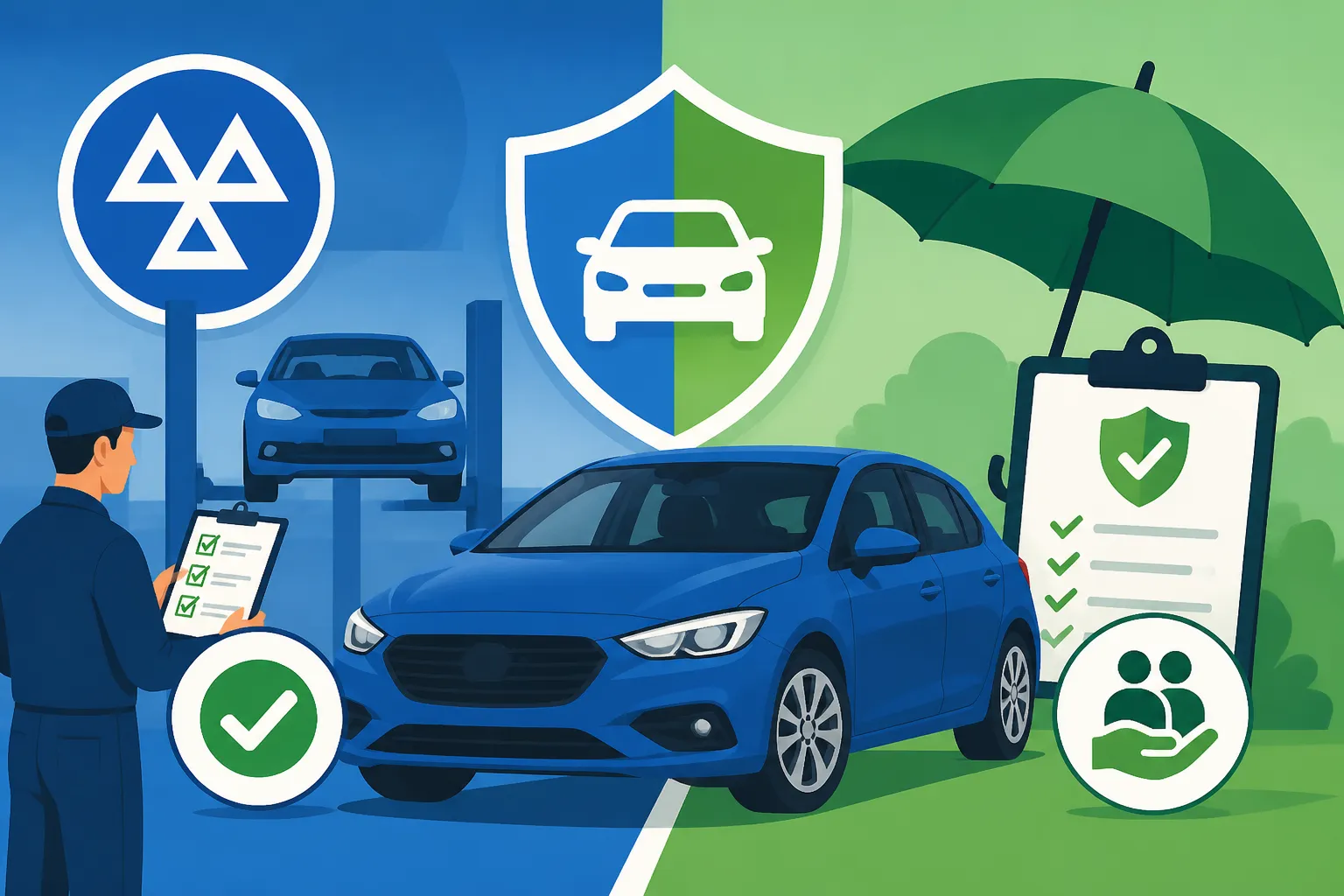
The thought of an annual inspection might seem daunting, but once you understand the process, it's fairly straightforward. You need to book your car into an approved MOT test centre – you'll recognise them by the blue sign with three white triangles. You can book up to a month before your current MOT expires, and the remaining days will be added to your new certificate, so you don't lose out.
Before you take your car in, it's wise to do some basic pre-checks yourself. This isn't about being a mechanic, it's about checking the simple things that could cause a silly fail. Are all your lights working (headlights, brake lights, indicators, number plate lights)? Is your horn working? Do your windscreen wipers clear the screen effectively, and is there enough screenwash? Check your tyre pressure and tread depth – the legal minimum is 1.6mm across the central three-quarters of the tread. Make sure your seatbelts are visible and click in properly. These small fixes can save you a retest fee and a lot of hassle.
During the test, a qualified MOT tester will go through a checklist of items. They'll examine everything from your exhaust emissions and brake performance to your vehicle's structure and electrical systems. It typically takes between 45 to 60 minutes. You can wait at the garage or pick it up later. Remember, they are looking for minimum safety standards, not for perfect mechanical condition. For more detailed insights into what exactly is checked, you might want to look at a guide on the process of the MOT Test.
Understanding MOT Certificates, Failures, and Repairs
Once the test is complete, you'll receive an MOT certificate or a refusal of an MOT certificate. There are a few possible outcomes:
- Pass: Excellent! Your vehicle has met the minimum safety standards. You'll get a pass certificate, and you're good to go for another year. The certificate will also list any "advisories" – these are items that aren't a failure now but might need attention soon, like slightly worn tyres or brake pads. It's really wise to address these promptly to avoid issues down the line.
- Minor Faults: These are similar to advisories but are more serious and need to be repaired, though your car will still pass the MOT. You won't get a retest fee for these, but you'll get a document listing them. It's still your responsibility to get them fixed.
- Major Faults: If your vehicle has major faults, it will fail the MOT. These faults pose a significant risk to safety or the environment and must be repaired immediately. You cannot legally drive the vehicle until these are fixed and it passes a retest.
- Dangerous Faults: These are the worst-case scenario. Dangerous faults mean there is a direct and immediate risk to road safety or the environment. You absolutely cannot drive a vehicle with dangerous faults on public roads, even to get it repaired. It must be towed or transported to a garage for repair and a subsequent retest.
If your car fails with major or dangerous faults, you'll be given a refusal certificate. You then have a choice: get the repairs done at the same test centre within 10 working days for a free partial retest, or take it elsewhere for repairs and pay for a full retest. Be cautious about driving a failed vehicle – if caught, it's a serious offence. Understanding how much the MOT Test Costs in the UK might help you budget for potential repairs too.
Navigating Car Insurance in the UK as a Foreigner
Car insurance in the UK can feel like a labyrinth, especially for expats. You might be a seasoned driver from your home country, with years of accident-free driving, only to find yourself quoted astronomical premiums here. It's a common frustration, and you're not alone in feeling it.
The Legal Imperative: Why Car Insurance is Non-Negotiable
Just like the MOT, car insurance is a legal necessity if you're driving in the UK. It is against the law to drive a vehicle on public roads without at least third-party insurance. This isn't a suggestion; it's a hard and fast rule, and the penalties for breaking it are severe. The police have systems to check if a vehicle is insured almost instantly. If you're caught, you face an unlimited fine, 6-8 penalty points on your licence (which can lead to disqualification), and your car could be seized and crushed. It's simply not worth the risk.
There are three main types of car insurance available in the UK:
- Third-Party Only (TPO): This is the minimum legal requirement. It covers damage or injury to other people, vehicles, or property if you're involved in an accident that's deemed your fault. It does not cover any damage to your own vehicle. While it sounds basic, it can sometimes be more expensive than comprehensive for younger or riskier drivers, as insurers see those opting for TPO as potentially higher risk.
- Third-Party, Fire and Theft (TPFT): This builds on TPO by adding cover for your own vehicle if it's stolen or catches fire. Again, it won't cover damage to your car if you're at fault in an accident.
- Comprehensive: As the name suggests, this is the most extensive level of cover. It includes everything from TPFT, but crucially, it also covers damage to your own vehicle, even if the accident was your fault. It often includes other benefits like windscreen repair, a courtesy car, or personal accident cover. For most expats, especially those relying on their car, comprehensive cover offers the best peace of mind, though it is usually the most expensive upfront option.
Factors Affecting Your Car Insurance Premium
This is where many expats hit a wall. Your car insurance premium isn't just a random number; it's calculated based on a multitude of risk factors. As an expat, several of these can unfortunately work against you initially.
- Your Age and Driving Experience: Younger drivers typically pay more, but even experienced drivers from abroad can see high premiums. Insurers are very keen on UK driving experience. If you've just converted your foreign licence to a UK one, or are still driving on your foreign licence (if permitted), you might be considered a higher risk simply because you lack a proven UK driving history. You might find some helpful details in our guide on How to Exchange a Foreign Driving Licence in the UK.
- Your No Claims Discount (NCD): This is probably the biggest factor. In the UK, if you don't make a claim, your insurer rewards you with a discount, which can grow significantly over several years. If you're new to the UK, you might not have a UK NCD, making your premiums much higher.
- Your Vehicle: The make, model, age, engine size, and value of your car all play a part. High-performance, luxury, or older, less secure vehicles tend to cost more to insure.
- Your Location: Where you live and park your car significantly influences your premium. Areas with higher rates of theft or accidents will result in higher costs. Parking your car on a driveway or in a garage can often reduce costs compared to parking on the street.
- Your Occupation: Some jobs are perceived as higher risk than others, leading to different premiums.
- Excess: This is the amount you agree to pay towards a claim before your insurer pays the rest. A higher voluntary excess can reduce your premium, but make sure it's an amount you can realistically afford.
- Annual Mileage: The more miles you drive, the higher the risk of an accident, so higher mileage generally means higher premiums.
The initial shock of high premiums is real. I remember when I first arrived, getting quotes that made my eyes water, despite having driven for decades in my home country. It really feels like you're being penalised for being new, but it's purely how the risk algorithms work.
Building Your No Claims Discount and Proving Foreign Driving History
One of the biggest hurdles for new arrivals is the lack of a UK No Claims Discount (NCD), often called a No Claims Bonus (NCB). This discount is built year by year, and it's a significant factor in reducing your premium. Most UK insurers won't automatically recognise NCD earned abroad, which can make your first few years of insurance incredibly expensive.
However, there's hope! Many insurers, particularly those who specialise in expat insurance, will consider NCD earned in certain countries, especially EU countries, the USA, Canada, Australia, and New Zealand. To prove your foreign driving history and NCD, you'll typically need to provide:
- A letter from your previous insurer: This letter should be on official letterhead, state the period of your insurance cover, confirm the number of years you were claim-free, and list any claims made during that period. It should ideally be in English or officially translated.
- Proof of driving experience: Your foreign driving licence, and potentially your driving abstract, can help establish your driving history.
It's crucial to gather these documents before you start looking for insurance, as it can significantly impact your quotes. Even if an insurer doesn't accept your foreign NCD directly, providing this evidence might still help them assess you as a lower risk, potentially leading to a slightly better quote than if you provided nothing. Sometimes, even if they don't apply the full NCD, they might offer a "protected" NCD after a year or two of claim-free driving in the UK, which means your first claim won't wipe out all your accrued discount. Be proactive and call insurers directly; don't just rely on comparison websites for this specific nuance. For general advice on how much car insurance costs in the UK, it’s always good to be informed.
Practicalities: Costs, Penalties, and Staying Legal
Beyond the initial setup, there are ongoing costs and legal requirements that you absolutely need to be aware of to drive legally in the UK. Ignoring these can lead to serious consequences, not just financially, but also legally.
The Financial Realities: Average Costs for MOT and Insurance
Let's talk numbers, because that's often where the rubber meets the road (pun intended!).
- MOT Costs: The maximum fee a test centre can charge for an MOT is set by the government. For cars and motorbikes, this is currently £54.85. Most garages will charge close to this maximum, though you might find slight variations. Remember, this is just the test fee. If your vehicle fails, any repairs needed will be an additional cost. Advisories, though not a fail, also represent potential future costs if you choose to address them preemptively.
- Car Insurance Premiums: This is a much more variable cost. As an expat, your initial premiums will likely be higher than a UK-born driver with years of NCD. For a general idea, average comprehensive car insurance premiums in the UK are often cited around £500-£700 per year, but for a new expat, it's not uncommon to see quotes upwards of £1,000, £1,500, or even more for the first year. Factors like your car, where you live, and crucially, your ability to prove foreign NCD, will heavily influence this. It's a significant annual expense you must factor into your cost of living.
These costs are on top of other expenses like road tax (Vehicle Excise Duty), fuel, maintenance, and parking. It really adds up, and it's a common mistake for newcomers to underestimate the true cost of car ownership in the UK. Before you even think about buying, ensure you've got a handle on the overall financial picture. You might find our guide on How to Buy a Car as a Newcomer in the UK useful for broader context.
The Stern Hand of the Law: Penalties for Non-Compliance
The UK takes road safety and legal compliance very seriously. Driving without a valid MOT or insurance is not a minor infraction; it carries significant penalties designed to deter non-compliance.
- Driving without a valid MOT:
- Fine: Up to £1,000.
- Insurance Invalidated: Your car insurance is usually invalidated if you don't have a valid MOT, meaning you're also effectively driving without insurance.
- Driving a dangerous vehicle: If your vehicle has a 'dangerous' fault and you're caught driving it, the fine can be up to £2,500 and three penalty points on your licence.
- Driving without car insurance: This is one of the most severe driving offences.
- Fixed Penalty: £300 fine and 6 penalty points on your licence.
- Court Prosecution: If the case goes to court, you could face an unlimited fine and disqualification from driving.
- Vehicle Seizure: The police have the power to seize, and even destroy, your vehicle if it's found to be uninsured. This can happen on the spot.
These penalties are not to be taken lightly. As an expat, any legal trouble, especially involving driving offences, can have broader implications for your visa status and future in the UK. Always make sure your car is taxed, has a valid MOT, and is insured before you even turn the ignition.
Important Documents and Digital Services
Keeping track of your documents and knowing how to access official services digitally will make your life much easier in the UK. The Driver and Vehicle Licensing Agency (DVLA) is the government body responsible for maintaining vehicle and driver records, and many of their services are now online.
- Vehicle Logbook (V5C): This is the registration document for your car. It proves you are the registered keeper (not necessarily the owner). Keep it safe, as you'll need it for taxing your car, selling it, or making changes to the vehicle's details. Never give the full V5C to anyone else except when selling the car; only send the appropriate tear-off section to the DVLA.
- MOT Certificate: You'll receive this digitally, but you can also get a printout from the test centre. You can check your vehicle's MOT history and its current MOT status online via the government's official website – a very handy tool.
- Insurance Certificate: This is your proof of insurance. It details your vehicle, policy number, and the dates your cover is valid. Keep a digital or physical copy accessible.
- Driving Licence: Whether it's your exchanged UK licence or your valid foreign licence (if permissible), you must carry it when driving.
- DVLA Online Services: The DVLA website is a treasure trove of information and services. You can renew your road tax, check your MOT status, update your address, and much more, all online. This saves trips to the Post Office and is generally very efficient. For new arrivals, learning How to Register and Tax a Vehicle with the DVLA in the UK is one of the first steps.
Staying organised with these documents and utilising online services is key to hassle-free driving in the UK.
Choosing the Right Providers and Getting the Best Deals
Finding the right MOT centre and, more importantly, the right car insurance provider can feel like a game of chance. But with a bit of savvy, you can navigate the options and hopefully land a good deal.
Finding a Reputable MOT Centre
When it comes to the MOT, you want a centre that is fair, thorough, and trustworthy. You don't want somewhere that will "find" faults just to make more money from repairs.
- Government Website: The UK government website has a tool to "Find an MOT Test Centre" by postcode. This lists all approved centres near you.
- Independent Garages vs. Dealerships: Both have pros and cons. Independent garages often have lower labour rates and can be more flexible, building a personal relationship. Dealerships might seem more expensive, but they often have brand-specific expertise and use genuine parts if repairs are needed. Many people choose to have their MOT done at a reputable independent garage.
- Word of Mouth and Reviews: Ask other expats or locals for recommendations. Online reviews on Google Maps or specialist automotive forums can also be very insightful. Look for places with consistently positive feedback, particularly regarding honesty and fair pricing for repairs if a test fails.
- Avoid Repair-Heavy Centres: Some centres are known for being very strict or for always finding a long list of repairs. While you want a thorough check, a reputable centre should primarily be focused on the test itself, and only then discuss necessary repairs clearly and transparently.
Remember, you can always take your car for repairs elsewhere if you're not happy with the quote from your MOT centre. You're not obliged to use their services.
Shopping for Car Insurance: Tips for Expats
This is where the real effort comes in for expats. Don't just accept the first quote you get, especially if it's from a comparison website that might not fully grasp your unique expat situation.
- Comparison Websites: Sites like Compare the Market, GoCompare, Confused.com, and MoneySuperMarket are great starting points. They allow you to get multiple quotes quickly. However, be very careful when filling out your details. Accuracy is paramount. Even a small error can invalidate your policy or lead to much higher premiums later. For expats, the challenge is that these sites often struggle with foreign driving history and NCD, so the quotes they provide might not be the absolute best you can get.
- Insurance Brokers: Consider using a specialist insurance broker. These professionals work with multiple insurers and can often find deals that aren't available directly to the public or on comparison sites. Crucially, they understand the nuances of expat situations and can advocate for you, helping to prove foreign NCD and find insurers more sympathetic to your circumstances. They can save you a lot of time and potentially money.
- Direct Insurers: Don't forget to check quotes directly with some of the larger insurers like Aviva, Direct Line (which isn't on comparison sites), Churchill, and Admiral. Sometimes, they offer better deals directly.
- Specialist Expat Insurers: Some smaller insurers or brokers specifically cater to expats. They might be more willing to recognise foreign NCD and offer more tailored policies. A quick online search for "expat car insurance UK" can yield some good options.
- Be Honest and Detailed: Always provide accurate information about your driving history, any claims, points, or convictions. Lying or omitting information will lead to your policy being invalidated, which is the worst possible outcome if you ever need to make a claim.
- Consider a Black Box Policy: For younger drivers or those with very high premiums, a "black box" or telematics policy might be an option. A device is fitted to your car (or an app used), which monitors your driving style. Safe driving can lead to lower premiums.
- Payment Options: Paying annually in one lump sum is almost always cheaper than paying monthly, as monthly payments often include interest.
Finding the best car insurance as an expat requires diligence and perhaps a few more phone calls than a typical UK resident. It's a pain, I know, but it's worth the effort to save hundreds of pounds.
Leveraging Technology for Car Management
In today's digital age, there are plenty of technological tools that can help you manage your car ownership in the UK more effectively, reducing stress and ensuring you don't miss crucial deadlines.
- Reminders for MOT and Tax: Many services and apps can send you reminders when your MOT and road tax are due. The government's own service can even email or text you. Set up calendar reminders on your phone too – never rely solely on one method.
- Fuel Apps: Apps like PetrolPrices.com can help you find the cheapest fuel nearby, which is a small but regular saving.
- Parking Apps: In many UK towns and cities, you can pay for parking via an app (e.g., PayByPhone, RingGo), eliminating the need for cash and making it easier to extend your parking session remotely.
- Breakdown Cover Apps: If you have breakdown cover (highly recommended!), most providers like AA, RAC, or Green Flag have apps that allow you to request assistance quickly and track your recovery vehicle.
- General Expat Tools: Beyond car specifics, staying connected is vital for expat life. If you're constantly on the go or moving between locations, a service like Airalo for eSIMs can be incredibly handy for maintaining internet access without faffing with physical SIM cards. Similarly, for those planning larger moves or even shipping a car, resources like Sirelo can help streamline the relocation logistics, ensuring you have reliable services for various aspects of your life abroad. These digital tools, while not directly related to MOT or insurance, simplify the overall expat experience, giving you more time to focus on the essential car administration.
Car Insurance Cover Types: A Quick Comparison
| Feature | Third-Party Only (TPO) | Third-Party, Fire and Theft (TPFT) | Comprehensive |
|---|---|---|---|
| Legal Minimum | Yes | Yes | Yes |
| Covers Others' Damage | Yes (vehicles, property) | Yes (vehicles, property) | Yes (vehicles, property) |
| Covers Others' Injury | Yes | Yes | Yes |
| Covers Your Car (Fire) | No | Yes | Yes |
| Covers Your Car (Theft) | No | Yes | Yes |
| Covers Your Car (Accident) | No | No | Yes (even if you're at fault) |
| Personal Accident Cover | Usually No | Usually No | Often Yes |
| Windscreen Cover | Usually No | Usually No | Often Yes |
| Courtesy Car | Rare | Rare | Often included or as an optional add-on |
| Typical Cost | Can be surprisingly high for high-risk drivers, otherwise low | Mid-range | Highest upfront, but best value for peace of mind and benefits |
| Suitability | Drivers on a tight budget, older cars of low value | Drivers on a budget, concerned about fire/theft, older cars | Most drivers, especially with newer or valuable cars, peace of mind |
This table provides a simplified overview, and specific policy details can vary significantly between providers. Always read the policy documents carefully before committing.
Disclaimer
The information provided in this guide is for general informational purposes only and does not constitute legal, financial, or professional advice. While we strive to keep the information up-to-date and correct, rules and regulations in the UK, particularly concerning visas, driving, and finance, can change frequently. You should consult with relevant official sources or qualified professionals for advice tailored to your specific situation. We accept no liability for any loss or damage incurred as a result of relying on the information presented here.