How Do I Change My Address After Moving to the UK?
Landing in the UK is a huge step, filled with excitement and, let’s be honest, a good dose of administrative overwhelm. One of those nagging tasks that can feel like a never-ending cycle is changing your address. It’s not just a quick update here and there; it’s a systematic overhaul of your personal information across a myriad of institutions, and missing even one can cause headaches down the line. This guide will walk you through every critical step, offering practical, expat-specific advice to ensure you tackle this essential process smoothly.
Getting Your Personal Essentials in Order: Driving Licence and Vehicle
When you first land in the UK, your temporary accommodation might be your first "official" address, but once you've settled into your proper home, the real work begins. Top of the list for many expats with cars, or those planning to drive, is updating their driving licence and vehicle registration. The UK government takes this seriously, and failing to update these details can lead to fines and complications, which is the last thing you need when trying to settle in.
Updating Your Driving Licence with the DVLA
The Driver and Vehicle Licensing Agency (DVLA) is the body responsible for maintaining driving records in the UK. If you've exchanged your foreign driving licence for a UK one, or if you're holding a provisional licence, you must notify the DVLA of any address change immediately. This isn't just a suggestion; it's a legal requirement. Imagine getting pulled over and your licence showing an old address – it could raise unnecessary questions and make a simple stop much more complicated.
The good news is that updating your driving licence address is typically free of charge, but you must do it promptly. You can usually do this online via the GOV.UK website, which is often the quickest and most straightforward method. You'll need your current driving licence number and your National Insurance number. If you have a photocard licence, they'll send you a new one with the updated address, but your photo and signature will remain the same. If you have an old paper licence, they might issue you a new photocard version with the updated details. Don't forget, if you’re still in the process of getting your UK licence, our guide on How Do I Get a UK Driving Licence? might be really helpful. This seemingly small detail is one of the foundational steps in making your presence in the UK officially recognised, so don’t put it off.
Changing Address for Your Vehicle Registration (V5C)
If you've brought your car to the UK or purchased one locally, the vehicle's registration document (V5C or logbook) also needs to reflect your current address. Again, this falls under the DVLA's remit. Your V5C contains vital information about your vehicle and its registered keeper, and it's essential for things like vehicle tax, MOT reminders, and insurance.
To change the address on your V5C, you'll need the document itself. Locate section 6 of your V5C – it's specifically for changes to your name or address. Fill in your new address clearly and accurately, then sign and date the declaration. Once completed, you'll need to send the entire V5C document back to the DVLA. They will then send you an updated V5C within a few weeks. The process is free, but you must keep the proof of postage when you send it, just in case it gets lost. You should not send off any other documents with it unless specifically requested. While waiting for your updated V5C, you can still drive your car, but make sure all other details, especially your car insurance, are updated with your new address. For more on the logistics of vehicle ownership, check out our guide on How Do I Tax a Car in the UK?. Keeping these documents up-to-date helps avoid a lot of hassle and ensures you're complying with UK road laws.
Financial Foundations: Banks, Credit Cards, and Pensions
Your financial life in the UK revolves around your address. Banks are notoriously strict about knowing where you live, and for good reason: it’s crucial for security, fraud prevention, and complying with financial regulations. Updating your address with your bank and other financial institutions should be one of your very first priorities after moving, right up there with unpacking your favourite tea mugs.
Informing Your Bank and Credit Card Providers
When you first arrived, perhaps you managed to open a UK bank account with a temporary address or even with an overseas address through one of the challenger banks. Now that you have a permanent place, it's absolutely vital to get this updated. Without a correct address, your bank statements won't reach you, important notices might be missed, and you could even find your account temporarily frozen if they suspect unusual activity linked to an outdated address.
Most UK banks, whether it's a high street giant like Barclays or a newer digital bank, allow you to update your address through their online banking portal or mobile app. This is usually the quickest way. However, some might require you to call their customer service line, or even visit a branch with proof of your new address (like a utility bill or tenancy agreement). If you haven't yet mastered the art of UK banking, our comprehensive guide, The Expat Guide to Opening a Bank Account in the UK, is an excellent resource to get you started. Remember, many banks like to cross-reference your details with credit reference agencies, so having your address consistent across all your financial records helps build your credit history here, which is critical for everything from getting a mobile phone contract to applying for a mortgage down the line.
Updating Investment and Pension Providers
If you have any investments or a personal pension plan set up in the UK, informing these providers of your new address is equally important. This includes ISAs (Individual Savings Accounts), workplace pensions, or any other financial products you might hold. These institutions also need your current address for regulatory compliance, sending out annual statements, and communicating important changes to your investments.
Unlike banks, which often have slick online portals, some investment and pension providers might require a more traditional approach. You might need to send a letter, fill out a specific form, or call their dedicated customer service line. Always check their website or contact them directly for their preferred method. Missing an update here could mean you miss crucial information about your retirement savings or investment performance, which could have long-term financial implications. It might not feel as urgent as updating your bank, but for your future financial health, it’s a crucial step that needs to be taken seriously.
Government & Public Services: HMRC, NHS, and Local Authorities
Navigating the labyrinth of UK government services can feel like a full-time job, and changing your address across all of them is a significant chunk of that work. From your taxes to your healthcare, your address is a key piece of information that ties you into the system. Don't underestimate the importance of these updates; they directly impact your access to services and your legal obligations.
Informing HM Revenue & Customs (HMRC)
HMRC is the UK's tax authority, and they absolutely need to know where you live. Your address directly affects your tax code, any tax refunds you might be due, or even the correspondence regarding your Self Assessment tax returns if you're self-employed. If you're employed, your employer will typically inform HMRC of your address change through their payroll system, but it's always wise to double-check this with your HR department.
If you're self-employed, receive a state pension, or have other income that requires you to complete a Self Assessment tax return, you must update your address directly with HMRC. The easiest way to do this is through your Personal Tax Account on the GOV.UK website. This online portal allows you to manage most of your tax affairs in one place. If you haven't set one up yet, now is the time. For those delving into the intricacies of UK taxes, our guide, Filing a Self Assessment Tax Return with HMRC in the UK: The Complete Walkthrough (2027), provides detailed steps. Failing to update HMRC can lead to important tax documents being sent to an old address, potentially resulting in missed deadlines or penalties, which nobody wants.
Updating Your GP and NHS Records
Your health is paramount, and ensuring your General Practitioner (GP) surgery and broader NHS records reflect your current address is incredibly important. Being registered with a local GP is your gateway to most healthcare services in the UK, from routine check-ups to specialist referrals. If your GP surgery is now too far from your new home, you'll need to register with a new one closer to you.
The process usually involves contacting your current GP surgery to inform them you're moving and then registering with a new practice in your new area. The new practice will typically request your medical records from your old one. You’ll need to provide proof of your new address when registering with a new GP. This ensures continuity of care and that you can quickly access medical help when needed. Remember, understanding Registering with a GP in the UK: The Complete Expat Guide (2027) is crucial for every newcomer. Don't leave this until you're feeling unwell – proactively managing your healthcare registration saves a lot of stress during emergencies.
Local Council and Electoral Roll Updates
When you move, your local council is another key authority to inform. This is crucial for several reasons, primarily Council Tax, which is a local tax levied on residential properties. You'll need to deregister from your old council and register with your new one. Each local authority has its own online portal for these updates, and it's fairly straightforward.
Beyond Council Tax, updating your address with the local council also means you can update your details on the electoral roll. While voting rights for non-UK citizens vary depending on nationality (e.g., Commonwealth citizens and Irish citizens can vote in all elections), being on the electoral roll is also important for building your credit score. Many financial institutions use the electoral roll to verify your address. While it might not feel like a top priority, a strong credit score can open doors to better deals on loans, mortgages, and even mobile phone contracts. Take the time to ensure you are listed, and you'll thank yourself later when applying for credit. For more details on this often-confusing tax, check out our guide to Understanding Council Tax and Bands for Residents in the UK.
Utilities, Services, and Connecting Your Home
Imagine moving into your new UK home, ready to unwind, only to find you have no electricity, no internet, and your phone signal is patchy. Preventing this scenario is why updating your utilities and home services is so critical. This part of the address change saga is all about ensuring your new abode is comfortable, connected, and compliant.
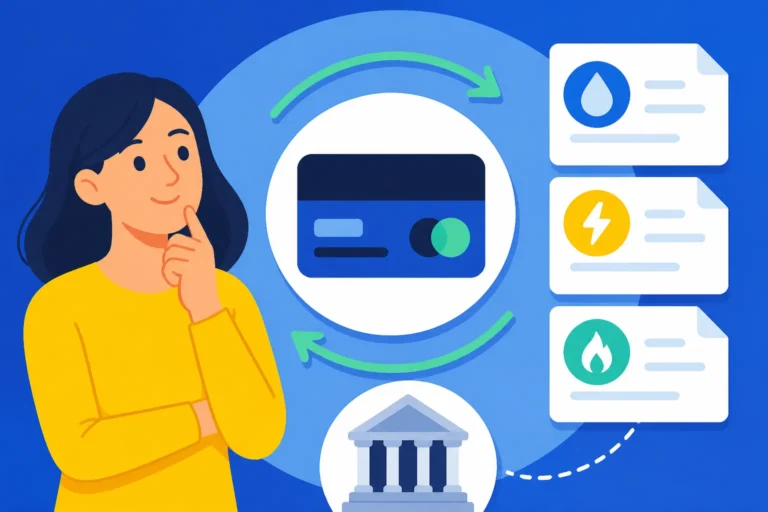
Energy, Water, Broadband, and TV Licence
These are the absolute essentials for modern living. As soon as you have your new address, you need to inform your energy (gas and electricity) and water suppliers. If you’re staying with the same providers, it’s usually a simple transfer. If you’re switching, you’ll need to set up new accounts. The UK has a competitive market for energy and broadband, so take this opportunity to shop around for the best deals.
- Energy: Take meter readings on the day you move in and out of both properties. Provide these to your old and new suppliers to ensure you're only paying for what you use.
- Water: Your water supplier is typically determined by your geographic location and is less flexible than energy.
- Broadband: Setting up broadband can take a couple of weeks, so arrange this well in advance. While you're waiting, having a reliable mobile data plan is a lifesaver. Providers like Airalo offer eSIMs that can get you connected instantly, ensuring you don't miss any important emails or calls while your home internet is being sorted.
- TV Licence: If you watch live TV or use BBC iPlayer, you need a TV Licence. This is tied to your address, so it needs to be updated or transferred.
Our detailed guide, The Expat Guide to Setting Up Utilities (Energy, Water, Broadband) in the UK, will walk you through each step. Getting these set up properly avoids nasty surprises in the form of unexpected bills or, worse, disconnection.
Mobile Phone Contracts and Postal Services
Your mobile phone contract is often tied to your billing address. If you're on a pay-monthly contract, you'll need to update your network provider (e.g., Vodafone, EE, O2, Three) with your new address. This ensures your bills go to the right place and can help maintain your credit score. If you're new to the UK and still finding your feet with mobile plans, using an eSIM from a provider like Airalo can offer great flexibility, allowing you to get immediate data access without committing to a long-term contract or waiting for a physical SIM to arrive at your new, unconfirmed address. This is especially handy during those chaotic first few weeks when everything feels like it's up in the air.
Thinking about mail? While most things are digital now, some important documents still arrive via post. Royal Mail offers a redirection service for a fee, which can be incredibly useful for catching any stray letters sent to your old address. It typically redirects mail for a period of 3, 6, or 12 months, giving you a buffer to ensure every single person and organisation has your new details. This service is a small investment that can prevent big headaches, especially during the initial transition period.
The Nitty-Gritty and Why It All Matters: Subscriptions, Insurance, and Connecting with Your Community
Beyond the big-ticket items, there's a myriad of smaller, but still significant, updates that need your attention. These seemingly minor details contribute to a smooth transition and ensure you're fully integrated into your new life in the UK. Neglecting them can lead to unexpected costs, missed services, and a general feeling of disorganisation.
Updating Subscriptions, Deliveries, and Online Accounts
In today's digital world, many of us rely on a host of online services and subscriptions. Think about your streaming services (Netflix, Amazon Prime), online shopping accounts (Amazon, ASOS), food delivery apps (Deliveroo, Uber Eats), and even gym memberships or newspaper subscriptions. Each of these needs to be updated with your new address. Imagine ordering a late-night takeaway only for it to be delivered to your old flat – a truly tragic expat tale!
Most online platforms have a "my account" or "settings" section where you can easily update your billing and delivery addresses. While it might seem tedious, going through this list systematically will save you from missed parcels, incorrect charges, and the frustration of having to chase things up later. If you've just arrived and are still figuring out the best places to order things from, keep in mind that many UK retailers offer handy delivery tracking, so ensuring your address is correct from the start will prevent any logistical nightmares.
All Your Insurance Policies
Beyond car insurance (which we've already covered), you likely have other insurance policies that need an address update. This could include:
- Home insurance: If you own your home, this is critical.
- Tenant's insurance: If you're renting, you might have insurance for your contents.
- Health insurance: Your private health insurance provider (if you have one, perhaps from a global provider or a UK-based one like Bupa or AXA) needs your current address for correspondence and to ensure you're covered correctly in your new location.
- Travel insurance: Even if you’re living in the UK, your travel insurance policy will be based on your UK residential address.
For each policy, contact your provider directly. Some might allow online updates, while others may require a phone call or even a form. It's not just about getting mail; your address can impact your premiums or even the validity of your policy if you make a claim. For instance, moving to a higher-crime area might increase your home insurance premium, and if you haven't declared the change, your insurer could refuse a payout. For those looking into broader health coverage, understanding Health Insurance in the UK: Private Cover and Options Explained is highly recommended.
Informing Your Family, Friends, and Contacts
Last but not least, don't forget the human element! While not an official institution, your family, friends, and other personal contacts need to know your new address. This is especially true if you have loved ones who might send you letters, cards, or care packages. It's a simple courtesy and ensures you stay connected.
This also extends to any clubs, societies, or community groups you've joined. If you’re like many expats, you might have used services like Sirelo to help you get your belongings settled in your new home, and part of that settling is ensuring your personal network knows your new physical location. Make a list, send out a mass email, or use social media to update everyone. A smooth move isn't just about bureaucracy; it's about feeling settled and connected in your new home.
Summary Table: Key Institutions and When to Update Your Address
To help you keep track, here's a handy table outlining the key institutions and the ideal timeframe for notifying them of your address change.
| Institution / Service | When to Update | How to Update (Common Methods) | Why It's Important |
|---|---|---|---|
| DVLA (Driving Licence) | Immediately after moving to permanent address | Online (GOV.UK), Post | Legal requirement, avoids fines, ensures licence validity |
| DVLA (Vehicle V5C) | Immediately after moving to permanent address | Post (Section 6 of V5C) | Legal requirement, vehicle tax, MOT reminders |
| Bank & Credit Cards | Within 1-2 weeks of moving | Online banking, App, Phone, In-branch | Security, statements, credit score, account access |
| HMRC | Within 1-2 weeks (especially if self-employed) | Personal Tax Account (GOV.UK), Phone | Tax code, refunds, Self Assessment, legal compliance |
| GP Surgery / NHS | Within 1-2 weeks (or ASAP if changing practices) | In-person (new practice), Phone (old practice) | Continuity of care, access to healthcare services |
| Local Council (Council Tax) | Within 1-2 weeks of moving | Local council website, Phone | Council Tax liability, electoral roll, local services |
| Energy & Water Suppliers | On move-in/move-out day | Online account, Phone | Accurate billing, service continuity |
| Broadband & TV Licence | ASAP (before moving for broadband) | Online account, Phone | Internet access, legal compliance for TV viewing |
| Mobile Phone Provider | Within 1-2 weeks | Online account, App, Phone | Billing, contract validity, credit score |
| Other Insurance | Within 1-2 weeks | Online account, Phone, Post | Policy validity, accurate premiums, claim eligibility |
| Subscriptions/Deliveries | As needed for each service | Online account settings | Correct deliveries, uninterrupted service |
| Friends & Family | Once settled | Phone, Email, Social Media | Personal connections, receiving mail |
Disclaimer
The information provided in this guide is for general informational purposes only and does not constitute legal, financial, or immigration advice. While we strive to keep the information up-to-date and accurate, regulations and procedures in the UK can change rapidly. Always consult official government websites (like GOV.UK) or seek professional advice for your specific situation before making any decisions.