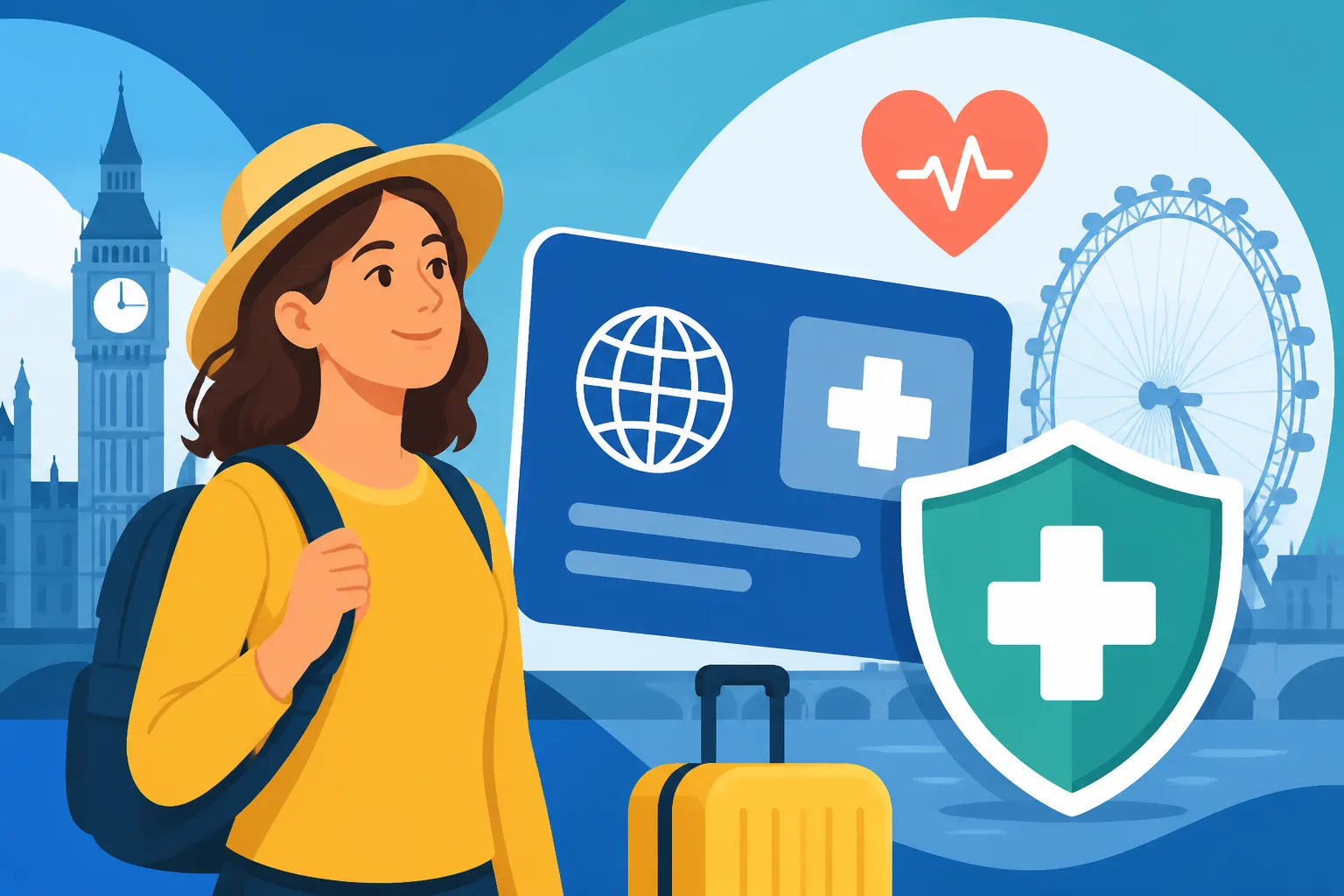
Understanding the GHIC and Travel Health Cover from the UK
Navigating healthcare in a new country is already a monumental task, but figuring out what happens when you decide to travel from the UK to other destinations? That’s another layer of complexity entirely, especially when trying to understand what exactly covers you abroad. Many expats, myself included, have found themselves scratching their heads over the differences between a GHIC and dedicated travel health insurance, wondering if one is enough. This guide is here to untangle that confusion, offering clear, realistic advice on ensuring you're properly covered for your adventures outside the UK.
The GHIC: Your European Healthcare Lifeline Explained
Ah, the GHIC – the UK's answer to continued reciprocal healthcare arrangements post-Brexit. For many expats who’ve settled into life in the UK, it’s a familiar card, or at least a familiar concept. But what it actually does, and more importantly, what it doesn't do, often gets lost in translation. It’s easy to assume it’s a catch-all, but that’s where many can get tripped up.
What Exactly Is the GHIC and How Does It Work?
The Global Health Insurance Card (GHIC) is essentially the successor to the old European Health Insurance Card (EHIC) for UK residents. Think of it as your passport to accessing medically necessary state-provided healthcare when you're visiting EU countries, Switzerland, Norway, Iceland, or Liechtenstein. 'Medically necessary' is the key phrase here. It means you’ll receive the same level of care that a resident of that country would get, under the same terms, which often means for free or at a reduced cost.
Let’s say you’re on a holiday in Spain, enjoying the sun, and suddenly come down with a nasty ear infection that needs immediate attention. With a valid GHIC, you could go to a public health centre, present your card, and receive treatment. You’d be treated just like a Spanish national, which usually means paying nothing or a minimal co-payment, much like an NHS prescription charge. This is a huge relief when you’re already feeling unwell and far from home. However, it's crucial to remember that this applies to state-provided healthcare. If you decide to pop into a private clinic because it's closer or has shorter waiting times, your GHIC won't cover a penny of that. That’s a common misconception, leading to some hefty, unexpected bills. It’s about access to local public healthcare, not carte blanche for any medical service you choose.
Who Is Eligible for a GHIC and How Do You Apply?
If you’re a resident of the UK, you’re generally eligible to apply for a GHIC. This includes most expats who have made the UK their home, pay taxes here, and are registered with a GP. The definition of 'resident' usually aligns with how HMRC sees you for tax purposes, meaning you live here for the majority of the year. If you're a new expat, you'll first need to make sure you're properly integrated into the UK healthcare system, perhaps by understanding your eligibility for free NHS care in the UK or by knowing how to register with an NHS GP after moving to the UK.
Applying for a GHIC is surprisingly straightforward, thankfully. You do it online via the official NHS website. You'll need your National Insurance number, your full name, address, and date of birth. It’s absolutely vital that you use the official government website (gov.uk) and not a third-party site that might charge you a fee for a service that is completely free. We’ve heard far too many stories of people falling for those scams, and it’s a frustrating waste of money. Once applied for, the card usually arrives within 1-2 weeks. It’s a physical card, so make sure to keep it safe and remember to pack it when you travel! There are some specific nuances for different visa types or if you're a student, but generally, if you're living and working here legally, you should be fine. For instance, if you're here on a Skilled Worker Visa and paying your Immigration Health Surcharge (IHS), you're firmly rooted in the UK's public healthcare system and thus eligible.
Limitations and Misconceptions of the GHIC
Now, this is where many expats get caught out. The GHIC is not a substitute for travel insurance. I repeat, it is not travel insurance. This is probably the most significant misconception out there. While it covers emergency and necessary state healthcare, it absolutely does not cover other crucial aspects of travelling abroad that travel insurance typically does.
Imagine you're on a hiking trip in the Alps, slip, and break your leg. The GHIC will help with the immediate medical treatment at a local public hospital. However, it won't cover the cost of mountain rescue to get you off the peak. It won't cover the cost of a specially adapted flight to get you back to the UK if you're unfit to fly commercially (known as medical repatriation). These costs can run into tens of thousands of pounds, completely wiping out your savings and then some. Nor will the GHIC cover non-medical emergencies, like if your luggage goes missing, your passport is stolen, or your flight is cancelled. It doesn't offer any financial protection for trip interruptions or cancellations either. So, while having a GHIC is fantastic for those unexpected doctor visits or hospital stays in Europe, thinking it's your only necessary safeguard for international travel is a risky gamble.
Demystifying Travel Health Insurance: Why It's Crucial
Given the limitations of the GHIC, a robust travel health insurance policy becomes not just a nice-to-have, but a crucial component of your travel plans from the UK. It’s about filling in those gaping holes that the GHIC leaves open, providing a comprehensive safety net when you’re far from home.
Beyond the GHIC: The Gaps Travel Insurance Fills
Where the GHIC stops, comprehensive travel health insurance kicks in. It's designed to protect you from a much wider array of potential financial catastrophes and inconveniences that can occur when you travel. Let's revisit that broken leg scenario in the Alps. Your travel insurance policy would likely cover the search and rescue operation, which can be astronomically expensive depending on where you are. Critically, it would cover the cost of medical repatriation – getting you home safely, possibly with a medical escort, without bankrupting you. This is a huge one, as the NHS won't pay for your journey home if you're injured abroad.
Beyond medical emergencies, travel insurance often provides cover for a multitude of other travel-related issues. Think about your expensive camera being stolen from your hotel room, or your airline losing your carefully packed suitcase with all your essentials. Travel insurance can cover lost luggage, stolen personal belongings, and even provide emergency cash if your wallet disappears. Furthermore, if you suddenly have to cancel your trip due to a family emergency or illness, many policies will reimburse your pre-paid, non-refundable expenses like flights and accommodation. For expats who might have family scattered across the globe, the ability to cancel and be reimbursed for unforeseen circumstances is a huge peace of mind. Some policies even offer legal assistance cover or personal liability cover if you accidentally injure someone or damage property while abroad. These are protections the GHIC simply doesn't touch.
Types of Travel Health Insurance for Expats in the UK
When you start looking at travel insurance, you'll quickly realise it's not a one-size-fits-all product. There are various types tailored to different travel habits and needs, and as an expat in the UK, understanding these differences is key to finding the right fit.
- Single-Trip Policies: As the name suggests, these cover you for one specific trip for a defined period. If you only travel once a year, or perhaps have a very long, unique trip planned, a single-trip policy might be the most cost-effective option. You specify your destination, dates, and activities, and the policy is priced accordingly.
- Multi-Trip or Annual Policies: These are often fantastic for expats who travel frequently throughout the year, perhaps visiting family in their home country, taking regular European mini-breaks, or going on several business trips. An annual policy covers all your trips (usually up to a certain duration per trip, e.g., 31 or 60 days) within a 12-month period, often proving cheaper than buying multiple single-trip policies.
- Long-Stay or Backpacking Policies: If you're planning an extended adventure, perhaps a gap year or several months exploring Southeast Asia, standard single or multi-trip policies won't cut it. Long-stay policies are specifically designed for longer durations, sometimes up to 18-24 months. These often cater to the type of activities associated with extended travel, like trekking or volunteer work.
- Digital Nomad Insurance: This is a growing niche, perfect for location-independent expats or those who spend significant time working and travelling abroad. Providers like SafetyWing specialise in flexible, subscription-based travel medical insurance that can be bought and renewed on the go, often without needing a fixed return date. These plans are designed for the truly global expat, offering continuous coverage for those who might not have a solid "home" base for traditional insurance purposes. For expats whose lifestyle means they’re constantly on the move, these types of policies are a real game-changer. They understand that you might not be returning to the UK every few weeks, and offer the flexibility that traditional insurers might lack.
Key Considerations When Choosing a Policy
Choosing the right travel insurance isn't about picking the cheapest option; it's about finding the one that genuinely meets your needs and offers adequate protection. This requires a bit of homework, but believe me, it's worth the effort.
First and foremost, always read the fine print. I know, it's boring, but it's where the crucial details are hidden. Look closely at the coverage limits for medical expenses. While an eye-watering £1 million might seem excessive, major medical emergencies or repatriation costs can easily chew through lower limits. Ensure it covers emergency dental treatment and optical care too, as these are often overlooked.
Next, pay close attention to exclusions. What activities are not covered? If you're planning a skiing trip, you'll need winter sports cover; if you're diving, you'll need specific diving cover. Standard policies often exclude adventurous sports or extreme activities. Also, be mindful of geographical exclusions; some policies cover "Worldwide excluding USA, Canada, and the Caribbean" due to the incredibly high healthcare costs in those regions, or offer a "Worldwide" option for a higher premium.
The excess is another important factor – this is the amount you have to pay towards any claim yourself. A lower excess might mean a higher premium, and vice-versa. Decide what you're comfortable with. And for us expats, consider the "return home" clause. Some annual multi-trip policies require you to return to your home country (the UK) between trips for a certain period, which might not fit your travel style if you're constantly on the road.
Finally, and this cannot be stressed enough, declare all pre-existing medical conditions. Failing to do so can invalidate your entire policy, leaving you completely exposed should you need medical attention. This takes us nicely into the next section.
Navigating Pre-Existing Conditions and Specialist Needs
For many expats, leaving our home country often means leaving behind a familiar healthcare system and doctors who know our medical history inside out. Adding a layer of existing health conditions into the mix for travel insurance can feel like a daunting task, but it’s a non-negotiable step to ensure you’re truly protected.
Declaring Conditions: Why Honesty Is the Best Policy
Trying to hide a pre-existing medical condition from your travel insurer is like trying to build a house on sand – it's going to collapse eventually, and when it does, the consequences can be catastrophic. Insurers are very clear: you must declare all conditions you have, or have had, that required treatment, medication, or consultation within a specified period (usually 1-5 years). This includes anything from diabetes and heart conditions to asthma, anxiety, and even past injuries that still affect you.
Why is this so important? Because if you fall ill or have an accident abroad, and it's even remotely linked to an undeclared condition, your insurer will likely invalidate your claim. This means you'll be personally responsible for all medical bills, which, as discussed, can be crippling. I've heard horror stories from fellow expats who thought they could get away with not mentioning a mild condition, only to end up with a huge hospital bill because their policy was voided. It’s not worth the risk for the sake of a slightly cheaper premium. Honesty truly is the best policy here. While it might feel intrusive, giving them the full picture allows them to assess the risk accurately and offer you appropriate cover, even if it means a higher premium or specific exclusions for that condition.
Finding the Right Cover for Specific Health Needs
So, you have a pre-existing condition, or perhaps you're planning a trip that involves activities beyond the usual tourist traps. Finding the right cover means looking for specialist insurers or ensuring your chosen provider offers specific add-ons.
For pre-existing conditions, not all insurers are created equal. Some mainstream providers might decline to cover certain complex conditions, or apply very high excesses. This is when you should turn to specialist medical travel insurance providers. These companies focus specifically on covering individuals with a range of health issues, understanding the nuances and risks better. They might ask for more detailed medical information, possibly a letter from your GP, or a phone assessment, but this diligence ensures they can offer you a policy that will actually pay out if needed. Remember, getting your medical records in order is part of preparing for travel, just like ensuring your UK healthcare is in order.
Similarly, if your travel plans involve specific activities like scuba diving, climbing, or even certain water sports, you'll need to check if your policy automatically covers them. Most standard policies do not, and you'll need to purchase an "adventure sports" or "hazardous activities" add-on. For example, if you're planning to cycle extensively, ensure that your policy covers both medical emergencies related to cycling accidents and also theft or damage to your bicycle if it's high value. Many policies have limits on single item values, so a very expensive bike might need separate cover.
Emergency Medical Care Abroad: What to Do
Despite all the planning, emergencies can still happen. Knowing what to do in a medical crisis when you’re abroad can make a stressful situation much more manageable.
First and foremost, if it's a life-threatening emergency, get immediate medical help. Don't worry about insurance paperwork in that moment – dial the local emergency number (which is 112 across the EU, but worth checking for other countries you visit). Once you're safe and stable, or a family member can, contact your travel insurance provider's 24/7 emergency assistance helpline. This number should be prominently displayed on your policy documents, which you should always carry (or have access to digitally).
The assistance team can guide you through the local healthcare system, advise on whether to go to a public or private facility, arrange for direct payment to hospitals where possible, and even coordinate your medical repatriation if necessary. They are your lifeline in a foreign land. Make sure to keep all relevant documents: medical reports, receipts for treatment, medication, and any police reports if something was stolen. The more documentation you have, the smoother the claims process will be. If you're using a flexible provider like SafetyWing, their online portal or app will usually have clear instructions on how to initiate a claim and what documentation they require, simplifying the process even when you're away from home.
Practical Steps for Expats: Preparing for Your Journey
As expats living in the UK, we're already seasoned pros at navigating new systems, but preparing for travel from the UK requires its own unique checklist. It’s about leveraging what you have (like your GHIC) and complementing it with smart choices (like robust travel insurance) to ensure seamless, worry-free journeys.
Before You Go: A Pre-Travel Checklist
A little planning goes a long way, especially when your health is on the line. Before you even think about packing your bags, run through this essential checklist:
- Check your GHIC: Is it valid? Does it expire soon? If so, apply for a new one well in advance. Remember, it only covers you in the EU, Switzerland, Norway, Iceland, and Liechtenstein.
- Purchase Travel Insurance: This is non-negotiable for travel outside the GHIC zone, and highly recommended even within it. Ensure it covers your destinations, activities, and importantly, any pre-existing medical conditions. Compare policies, checking details like medical coverage limits, exclusions, and the excess.
- Digital and Physical Copies: Make photocopies or take photos of your passport, visa (if applicable), GHIC, and insurance policy documents. Store digital copies securely online (e.g., in a cloud service) and keep physical copies separate from your originals. This is a lifesaver if anything gets lost or stolen.
- Medication Check: If you take prescription medication, ensure you have enough for your trip, plus a little extra for unforeseen delays. Carry a doctor's letter explaining your prescriptions, especially if they are controlled substances. Check if your medication is legal in your destination country. This is vital, as some common UK prescriptions are banned elsewhere. You can learn more about prescriptions and pharmacies in the UK before you leave.
- Emergency Contacts: Have a list of emergency contacts, both locally at your destination and back in the UK. Include your GP's number and your insurance provider's 24/7 helpline.
- Vaccinations: Check if any vaccinations are recommended or required for your destination. It's always better to be safe than sorry, and some tropical destinations require specific inoculations. Your local GP surgery can advise on this.
Understanding Claims and Assistance While Abroad
Let’s be honest, making a claim on insurance is never fun, but understanding the process before you need it can massively reduce stress. Each insurer will have slightly different procedures, but the core steps are usually similar.
Firstly, if you face a medical emergency, as mentioned, get help first, then contact your insurer's assistance team. For non-medical claims, such as lost luggage or stolen items, contact your insurer as soon as reasonably possible. They will typically provide a claim form and outline the required documentation. For theft, you'll need a police report, usually filed within 24 hours of the incident. For lost luggage, you'll need a Property Irregularity Report (PIR) from the airline.
Keep detailed records of everything: dates, times, names of people you spoke to, reference numbers, and all receipts. If you had to pay for a doctor's visit or medication, keep those receipts. Photos can also be useful evidence. Many modern insurers, including digital-first ones like SafetyWing, allow you to submit claims and upload documents via an online portal or mobile app, making the process more streamlined. They typically have a clear, step-by-step guide to help you navigate the claims process, which can be invaluable when you're feeling overwhelmed in a foreign country. The key is to act promptly, document everything thoroughly, and communicate clearly with your insurer.
The Cost vs. Peace of Mind Debate
When it comes to GHIC and travel health insurance, the choice often boils down to a cost versus peace of mind equation. While the GHIC is free and provides a basic safety net in Europe, relying solely on it is a gamble with potentially devastating financial consequences. Medical repatriation costs alone can easily exceed the cost of even the most premium travel insurance policies.
Think of it this way: you've made the leap to move to the UK, navigate its complexities, and build a life here. Investing a relatively small amount in comprehensive travel health insurance is an extension of that self-care and planning. It's not just about covering big medical bills; it's about avoiding the stress and logistical nightmare of dealing with an emergency abroad without support. It ensures that if something goes wrong, you can focus on your recovery rather than worrying about how to pay for a private ambulance from a remote village to a major city hospital, or arranging a flight home when you're incapacitated.
For expats, particularly those with a history of travel or plans for adventurous trips, the peace of mind that comes from knowing you’re fully covered is invaluable. It transforms potential catastrophes into manageable inconveniences, allowing you to truly enjoy your time away from your UK home. Remember, while the NHS offers incredible support for those living here, Emergency Medical Care in the UK: What Every Expat Needs to Know, that protection often doesn't extend beyond its borders without proper travel insurance.
In summary, the GHIC is a fantastic, free tool for basic reciprocal healthcare in Europe, but it's a foundation, not the whole house. For true peace of mind, especially when travelling from your UK base, comprehensive travel health insurance is an indispensable investment.
| Feature | GHIC (Global Health Insurance Card) | Travel Health Insurance (Private) |
|---|---|---|
| Purpose | Access to state-provided medically necessary healthcare in EU/EEA/Switzerland | Comprehensive cover for various travel risks, including health emergencies |
| Cost | Free for eligible UK residents | Varies significantly based on coverage, destination, duration, age, health |
| Coverage Area | EU countries, Switzerland, Norway, Iceland, Liechtenstein | Typically worldwide (options vary), can include or exclude specific regions |
| Medical Coverage | Public healthcare at local rates/free, as available to residents | Private and public medical treatment, usually higher limits |
| Repatriation | Not covered | Typically covered (medical emergency transport back to UK) |
| Trip Cancellation | Not covered | Often covered |
| Lost Luggage | Not covered | Often covered |
| Theft of Belongings | Not covered | Often covered |
| Pre-existing Conditions | May apply to local reciprocal agreements but not guaranteed or comprehensive | Must be declared and often covered (may incur higher premium/specific terms) |
| Private Healthcare | Not covered | Often covered as an option |
| Emergency Assistance | No dedicated assistance service (rely on local services) | 24/7 helpline, medical coordination, direct payment arrangements |
Disclaimer
Please note that the information provided in this guide is for general informational purposes only and does not constitute financial, medical, or legal advice. While we strive to keep the information up-to-date and accurate, policies and regulations related to the GHIC and private health insurance can change. Always consult official government websites, qualified insurance providers, or independent financial advisors for the most current and personalised advice based on your specific circumstances before making any travel or insurance decisions.