What Should I Pack in a Home Medical Kit for the UK?
Moving to the UK, or even just visiting, throws a lot of exciting challenges your way, but nothing quite puts a damper on the adventure like a sudden bout of illness or a minor injury when you're far from home and your usual comfort zone. It’s easy to feel a bit lost when you first arrive, trying to navigate everything from setting up utilities to understanding the local lingo, and thinking about what to do if you get sick often takes a backseat. This guide is here to walk you through exactly what you should consider packing in your home medical kit for the UK, ensuring you’re prepared for those inevitable sniffles, headaches, or scrapes without a frantic dash to an unfamiliar pharmacy.
Essential Over-the-Counter Medications for Your UK Medical Kit
One of the first things you'll notice when you move to a new country is that even the most basic medications might have different names or be stocked in unexpected places. While the UK has fantastic pharmacies, sometimes you just want the familiar relief you know works, or you don't want to explain your symptoms in a new language while feeling under the weather. Having a few go-to items can make a huge difference, especially in those first few weeks.
Pain Relief and Fever Reducers
Let’s be honest, headaches, muscle aches, and fevers are universal party crashers. In the UK, you'll find plenty of options, but it's good to have your preferred brand on hand. The most common over-the-counter pain relievers here are paracetamol (which is Tylenol in some countries) and ibuprofen (Advil or Motrin elsewhere). You can find these practically everywhere, from supermarkets to dedicated pharmacies.
Packing a small supply of your preferred painkiller is a smart move. Think about how many tablets you'd typically use for a few days of a bad cold or flu. While you can easily buy more, having a starter pack means you don't have to venture out when you're feeling miserable. Remember, if you have children, bringing their specific dose and type of pain relief (like infant paracetamol suspension) is absolutely crucial, as finding the exact equivalent can take a little hunting. Always check the active ingredients to ensure you're not mixing different types of medication inadvertently when you do buy locally.
Cold, Flu, and Allergy Remedies
The UK weather can be famously unpredictable, and even the hardiest among us can succumb to a sniffle or a full-blown cold. Seasonal allergies are also a big thing here, especially in spring and summer when pollen counts soar.
Your home medical kit for the UK should definitely include some relief for these common woes. Consider bringing a decongestant, cough syrup (for both dry and chesty coughs), and lozenges for a sore throat. For allergies, antihistamines are widely available, but again, having your familiar brand, especially if you have chronic allergies, is a comfort. Medications like Cetirizine or Loratadine are common and can be found under various brand names, but if you rely on something stronger or specific, bring a month's supply. This foresight will save you from trying to decipher unfamiliar packaging when your nose is running and your eyes are itching. It’s not just about the cost, but the peace of mind in knowing you have what you need when you really need it.
Digestive Health Support
Changes in diet, stress from moving, or even just trying new foods can sometimes wreak havoc on your digestive system. Trust me, an upset stomach in a new country is no fun at all.
Having a few digestive aids can be a lifesaver. This could include anti-diarrhoea medication (like Loperamide, often sold as Imodium), antacids for heartburn or indigestion, and maybe even a gentle laxative if you're prone to constipation. Some expats also swear by bringing a small supply of probiotics to help their gut adjust to new environments. While these are all readily available in UK pharmacies and supermarkets, having them tucked away in your medical kit means you’re not caught off guard if an issue arises in the middle of the night or on a public holiday when shops might be closed.
First Aid Kit Essentials: Beyond the Basics
Beyond the internal issues, minor cuts, scrapes, and burns are a part of life. While you won't need anything for major emergencies – that's what 999 is for, or the fantastic services of the NHS 111 non-emergency line – a well-stocked first aid kit for everyday mishaps is invaluable. It saves you from rummaging through unfamiliar aisles for a simple plaster.
Wound Care and Minor Injuries
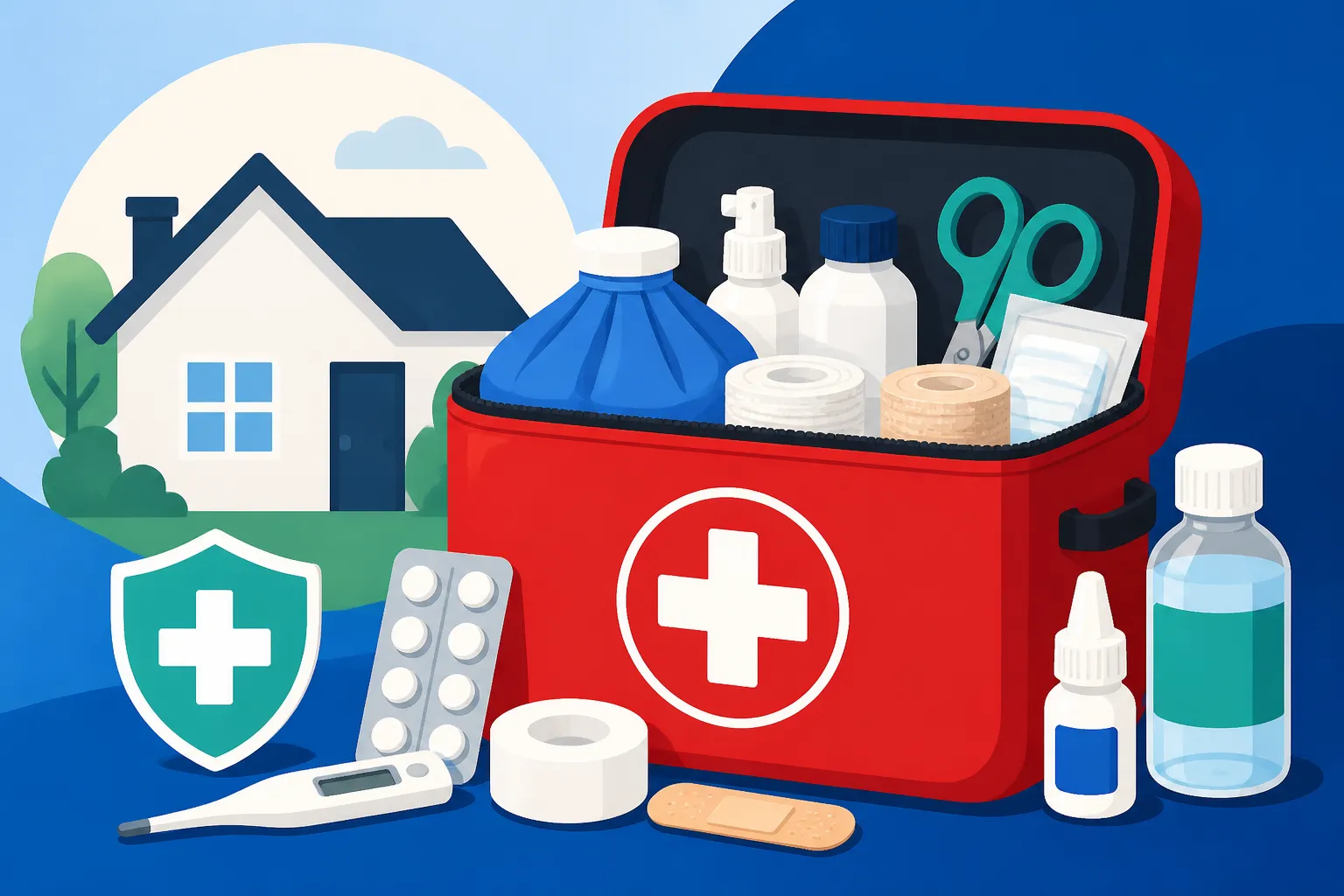
A good basic first aid kit is non-negotiable. Start with a variety of adhesive bandages (plasters in UK English) in different shapes and sizes. You'll want some antiseptic wipes or spray, a small tube of antiseptic cream (like Savlon or Germolene, which are common here), and sterile gauze pads.
Don't forget some medical tape to secure dressings, and a pair of small, sharp scissors to cut bandages or tape. Tweezers are always handy for splinters. Having a few blister plasters can also save your feet, especially if you're doing a lot of walking or sightseeing in new shoes. Remember, these items are for minor injuries only. For anything more serious, or if a wound isn't healing properly, you should definitely seek professional medical advice.
Burns and Muscle Strains
Minor burns from cooking or accidental contact with hot surfaces are also common household occurrences. A small tube of burn cream or aloe vera gel can provide immediate relief. For muscle strains, sprains, or general aches from overexertion (perhaps from all that heavy lifting during your move!), a topical pain relief gel or cream can be very soothing.
Hot and cold packs are also excellent additions. Instant cold packs can be activated on the spot for sudden swelling, while reusable gel packs can be heated or frozen for ongoing relief. These are easily available in UK pharmacies, but having them on hand from day one can prevent unnecessary discomfort. For anything that feels like a serious injury, don't hesitate to contact a medical professional; your home kit is just for immediate, minor relief.
Personal Prescription Medications and Considerations
This is arguably the most crucial section of your medical kit. If you rely on prescription medications, careful planning is paramount before you even set foot on UK soil. The UK has strict regulations, and you can't just walk into a pharmacy and get a refill for an overseas prescription.
Bringing Your Current Prescriptions
Always, always, always bring a sufficient supply of any prescription medications you regularly take. The general advice is to bring at least a one to three-month supply to give you ample time to Registering with a GP in the UK: The Complete Expat Guide (2027) and get a new UK prescription. This can take a little while, as GP surgeries often require you to have an initial appointment before they'll issue prescriptions.
Make sure all your prescription medications are in their original packaging with clear labels, and carry a copy of your prescription from your doctor, ideally translated into English if it's not already. A letter from your prescribing doctor detailing your condition, the medication, and the dosage is also incredibly helpful, especially if you're bringing controlled substances. Check the UK government's guidelines on bringing medicines into the country to ensure you comply with all regulations. Some medications considered common in your home country might be restricted or require special permission in the UK.
The Process for Getting UK Prescriptions
Once you've arrived, one of your absolute first priorities should be to How to Register with an NHS GP After Moving to the UK. Without registering with a General Practitioner (GP), accessing routine prescriptions and specialist care through the NHS is nearly impossible. Once registered, you'll typically need an appointment with your new GP to discuss your existing medications. They will then assess your needs and issue a new UK prescription.
Understanding Prescriptions and Pharmacies in the UK: The Complete Guide is vital. Most prescriptions in England carry a charge, though there are many exemptions (e.g., for those under 16, over 60, or on certain benefits). Wales, Scotland, and Northern Ireland have abolished prescription charges. If you don't qualify for an exemption and need multiple prescriptions, a Prescription Prepayment Certificate (PPC) can save you money. It's essentially a season ticket for prescriptions.
Unique UK-Specific Health Items and Advice
Beyond the universal basics, there are a few UK-specific considerations that will help you feel more prepared and less overwhelmed when it comes to your health.
Understanding NHS Services and Numbers
It's tempting to think your home medical kit is your primary line of defence, but for anything beyond the most minor issues, you need to know how to access UK healthcare.
- NHS 111: This is your first port of call for non-emergency medical advice or if you're unsure whether you need to see a doctor. You can call 111 (it's free from landlines and mobiles) or use the NHS 111 online service. They can direct you to the most appropriate service, whether that's an out-of-hours GP, a walk-in centre, or simply advice on self-care. It's truly a fantastic service and can save you a trip to A&E (Accident & Emergency, which is what the emergency room is called here) for something that isn't truly an emergency. You can learn more about Understanding NHS 111 and When to Use It in the UK.
- 999: This is for genuine life-threatening emergencies only. If someone is seriously ill or injured and their life is at risk, this is the number to call for an ambulance, police, or fire brigade. Don't be shy about using it if you truly believe it's an emergency. For more details, refer to Emergency Medical Care in the UK: What Every Expat Needs to Know.
The Importance of Travel Health Insurance
While your home medical kit handles the small stuff and the NHS covers eligible residents for more serious issues (especially if you've paid the Immigration Health Surcharge), there can be gaps, especially for new arrivals or short-term visitors. This is where travel health insurance becomes absolutely critical.
Even if you're covered by the NHS, some people opt for private health insurance for faster access to specialists or private hospital rooms, which you can learn about in NHS vs Private Healthcare in the UK: Which Should Expats Choose?. However, for tourists or those initially awaiting GP registration, a robust travel health insurance plan is your safety net. Companies like SafetyWing offer comprehensive travel insurance designed for digital nomads and long-term travellers, which can provide peace of mind for unexpected medical emergencies or urgent care needs before you're fully integrated into the NHS system. Having a policy from providers like SafetyWing can cover things like emergency dental treatment, doctor visits, and even hospital stays, which can otherwise rack up significant bills if you're not fully covered by the NHS at the time of need or if you're travelling.
General Wellness and Comfort Items
Beyond the purely medical, a few items can just make you feel generally better when you're not at 100%.
Basic Comforts for Illness
Sometimes, when you're feeling under the weather, it's the simple things that bring the most comfort. A good quality thermometer is essential for monitoring fevers, especially with children. A hot water bottle can be incredibly soothing for aches, cramps, or just warming up on a chilly day.
Consider bringing some rehydration salts. If you get a stomach bug, these sachets mixed with water can quickly replenish electrolytes and prevent dehydration, which can be particularly nasty when you're already feeling weak. And honestly, a good lip balm and hand cream can do wonders for dry skin, especially if you're adjusting to a new climate.
Mental Health and Wellbeing
Moving abroad is incredibly exciting, but it also comes with its fair share of stress, loneliness, and adjustment challenges. Don't underestimate the impact this can have on your mental health. While not strictly "medical," including items that support your wellbeing is crucial.
This might be a favourite essential oil for relaxation, a good quality eye mask for better sleep in a new environment, or even just a small journal to process your thoughts and feelings. Knowing where to access mental health support in the UK is also important. The NHS offers various talking therapies and services, and your GP can be your first point of contact for these. Having your own coping mechanisms in your kit, alongside knowing about official services like How to Access Mental Health Services and NHS Talking Therapies in the UK, provides a holistic approach to managing your health abroad. For any longer-term or more serious mental health concerns, professional help is vital. Don't hesitate to reach out to your GP or explore options for private care.
Here’s a quick summary of the key items to consider:
| Category | Essential Items to Pack | UK Equivalents (where applicable) | Notes |
|---|---|---|---|
| Pain & Fever | Paracetamol, Ibuprofen, Children's liquid pain relief | Panadol, Nurofen | Familiar brands are a comfort. |
| Colds & Flu | Decongestant, Cough syrup (dry/chesty), Sore throat lozenges, Antihistamines | Sudafed, Covonia, Strepsils, Piriteze | UK weather can be unpredictable. Be ready for seasonal sniffles. |
| Digestive Health | Anti-diarrhoea medication, Antacids, Laxatives, Probiotics | Imodium, Gaviscon | New diets and stress can affect your stomach. |
| First Aid | Assorted plasters, Antiseptic wipes/spray/cream, Sterile gauze, Medical tape, Scissors, Tweezers, Blister plasters | Elastoplast, Savlon | For minor cuts, scrapes, and blisters. |
| Burns & Strains | Burn cream/Aloe vera, Topical pain relief gel, Hot/Cold packs | Germolene, Deep Heat | For minor burns and muscle aches. |
| Prescription Meds | 1-3 month supply of all regular meds | N/A | CRITICAL. Keep in original packaging with doctor's letter/prescription. Seek GP registration immediately upon arrival to get new UK prescriptions. |
| Wellness & Comfort | Thermometer, Rehydration salts, Lip balm, Hand cream, Eye mask, Comfort items | Dioralyte | Hydration is key during illness. |
| Important Contacts/Docs | Copy of insurance policy (e.g., SafetyWing), Doctor's letter, Emergency contacts | N/A | Carry digital and physical copies. Know What Is the Emergency Phone Number in the UK? (999 for emergencies, 111 for non-emergencies). |
Packing a comprehensive home medical kit for the UK isn't about being paranoid; it's about being pragmatic and kind to your future self. It allows you to tackle minor health issues with confidence, giving you time to settle in, understand the local healthcare system, and connect with a GP for your ongoing needs. Remember, for anything serious, the UK has robust emergency services and the NHS. But for those little bumps and sneezes, your thoughtful medical kit will be a true comfort. So, pack wisely, enjoy your new adventure, and stay healthy!
Disclaimer
The information provided in this guide is for general informational purposes only and does not constitute medical advice. While we strive to provide accurate and up-to-date information, individual health situations vary. Always consult with a qualified healthcare professional, such as a doctor or pharmacist, for any medical concerns or before making any decisions related to your health or treatment. The UK healthcare system has specific regulations and procedures, and personal circumstances may affect your eligibility for certain services. We recommend verifying all health and medical information with official UK government and NHS sources.