Prescriptions and Pharmacies in the UK: The Complete Guide
Arriving in the UK often involves a steep learning curve regarding the simplest daily tasks, and managing your health is no exception. Many expats feel overwhelmed by the transition from private insurance models to the NHS, particularly when they realize that "free at the point of use" does not always apply to the local chemist. This guide provides a deep, practical dive into the British prescription system, ensuring you can secure your medication without administrative delays or unexpected costs.
Understanding the UK Prescription Landscape
When you first walk into a British pharmacy—often referred to as a chemist—the experience might seem familiar, but the underlying logistics are unique to the United Kingdom. Unlike systems where you pay a percentage of a drug's cost, the NHS operates on a flat-fee basis for most adults in England. However, this system varies significantly depending on whether you are in England, Scotland, Wales, or Northern Ireland. While the latter three nations have largely abolished prescription charges, England maintains a standard fee per item. This can be a shock to those used to subsidized "co-pays" or, conversely, those coming from countries where all medication is out-of-pocket.
NHS Prescription Charges and Exemptions
In England, the current cost for a single prescription item is fixed at a flat rate, regardless of whether the drug itself costs the NHS five pounds or five hundred pounds. This fee is adjusted annually, usually in April, and it is important to note that "one item" refers to one specific medication on your script. If your doctor prescribes two different types of blood pressure medication, you will pay the fee twice. This flat-rate system is designed to simplify the billing process for the Understanding NHS Prescription Charges and Exemptions in the UK framework, but it requires expats to be strategic about how they manage their refills.
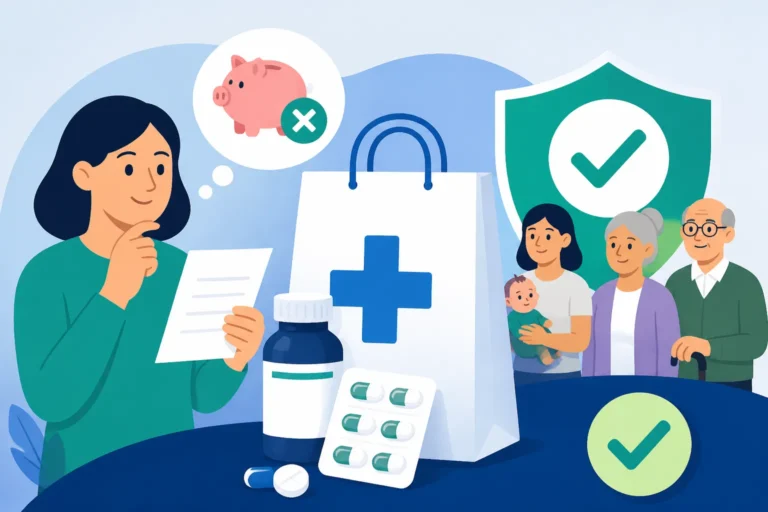
There are, however, broad categories of people who do not have to pay these charges. This includes individuals under the age of 16, those aged 16 to 18 in full-time education, and everyone over the age of 60. Additionally, pregnant women or those who have had a baby in the last 12 months are exempt, provided they have a valid Maternity Exemption Certificate. If you suffer from specific long-term medical conditions, such as diabetes or epilepsy, you can apply for a Medical Exemption Certificate. It is a common mistake for newcomers to assume their condition automatically makes them exempt; you must proactively apply through your GP to avoid heavy fines for claiming "free" prescriptions without the physical card.
For those who do not fall into these categories but have low income, the NHS Low Income Scheme provides a way to reduce or eliminate these costs. You will need to fill out an HC1 form, which assesses your savings, income, and outgoings. For an expat who might be between jobs or waiting for a first paycheck, this can be a lifesaver. Navigating this bureaucratic hurdle is part of Understanding the Immigration Health Surcharge (IHS) and NHS Access (2027), as your visa status and payment of the IHS usually grant you the right to access these safety nets.
Private Prescriptions When and Why You Might Need Them
While the NHS is the backbone of British healthcare, private prescriptions are common for expats who choose to see consultants outside the state system. A private prescription does not follow the flat-fee rule. Instead, you pay the actual cost of the medication plus a dispensing fee determined by the pharmacy. In some cases, if the drug is a common generic, the private cost might actually be cheaper than the standard NHS charge. However, for specialized or branded medications, the private cost can be hundreds of pounds.
Expats often use private prescriptions when they first arrive if they have not yet managed the task of Registering with a GP in the UK: The Complete Expat Guide (2027). If you have an urgent need for medication and can only secure a private appointment with a digital doctor or a specialist in Harley Street, they will issue a private script. You can take this to any high street chemist, but be prepared for the price tag. It is also worth noting that many travel insurance policies or international health plans, such as those offered by SafetyWing, can be invaluable during this transition period before your NHS records are fully established.
Another reason to opt for private is speed and choice. The NHS has a "formulary," which is a list of approved medications they will fund. If your preferred brand or a specific new drug is not on that list, an NHS doctor might be unable to prescribe it. A private consultant has more flexibility, though you bear the full financial burden. If you are balancing these two systems, it is vital to understand NHS vs Private Healthcare in the UK: Which Should Expats Choose? to ensure your long-term medication strategy is sustainable.
The Role of the Electronic Prescription Service EPS
The UK has largely moved away from the traditional green paper prescriptions. The Electronic Prescription Service (EPS) allows your GP to send your prescription directly to a "nominated" pharmacy of your choice. This means you no longer have to visit the surgery to pick up a physical piece of paper. Instead, you can simply go to the chemist near your office or home, and your medication will be waiting for you. For a busy expat, setting this up is one of the most efficient ways to manage health logistics.
To set up EPS, you simply tell your GP surgery or your local pharmacist which branch you prefer. This "nomination" can be changed at any time via the NHS App or by speaking to a pharmacist. This is particularly useful if you are moving between temporary accommodations or traveling within the UK. Once the doctor signs the digital script, it sits on a central NHS spine until the pharmacy "downloads" it. This system significantly reduces errors and prevents the loss of paper documents that used to plague the old system.
However, the EPS isn't perfect. If there is a technical glitch at the surgery or a "ghost" script that hasn't been downloaded, you might find yourself standing at the pharmacy counter with no record of your medicine. In these cases, knowing How Do I Access My NHS Medical Records in the UK through the NHS App can help you prove to the pharmacist that the script was indeed issued, allowing them to troubleshoot the issue with the GP surgery more effectively.
Navigating the Pharmacy System
The British high street is dotted with pharmacies, ranging from massive retail chains to tiny, family-owned shops. Understanding the difference between these can save you a lot of time. While all pharmacies dispense the same regulated medications, their stock levels, opening hours, and additional services vary wildly. For an expat, the pharmacy is often the first line of defense for minor illnesses, especially when GP appointments are hard to come by.
High Street Giants vs Local Independent Pharmacies
Boots and Superdrug are the dominant names in the UK. Boots, in particular, is an institution; the larger branches often house "Midnight Pharmacies," opticians, and even hearing care centers. The advantage of a large chain is their sophisticated supply chain. If one branch is out of a specific medication, they can often check the stock of a nearby branch or have it delivered by the next morning. They also have excellent apps that allow you to track your How Do I Get Repeat Prescriptions Delivered in the UK status and earn loyalty points on other purchases.
On the other hand, local independent pharmacies offer a level of personal service that the giants often lack. If you have a complex chronic condition, the pharmacist at a local "mom-and-pop" chemist is more likely to get to know you and your history. They can be more flexible with emergency supplies or providing advice tailored to your specific needs. In many suburban and rural areas, these local shops are the heart of the community. They are also often less crowded than the Boots in a major train station or shopping center.
Deciding which to use depends on your lifestyle. If you work in a city center like London or Manchester, a major chain near your office might be the most convenient. If you have a young family, a local chemist near your home might be better for building a relationship with a healthcare professional who knows your children. Regardless of your choice, ensuring you have How Do I Find and Register with a Local GP Surgery in the UK completed is the prerequisite for using either effectively.
Over-the-Counter vs Behind-the-Counter Medicines
In the UK, medicines are categorized into three main groups: General Sales List (GSL), Pharmacy (P), and Prescription Only Medicines (POM). GSL medicines are those you can pick up off the shelf in a supermarket or a corner shop, like basic paracetamol or throat lozenges. These are for self-treatment of minor ailments and have a very high safety profile. However, there are limits on the quantity you can buy at once—for instance, you can typically only buy two packs of paracetamol in one transaction to prevent accidental overdose.
"P" medicines are "behind-the-counter." You don't need a prescription for these, but you do need to speak to the pharmacist or a trained assistant. They will ask you a few screening questions to ensure the medicine is appropriate for you and doesn't interact with other drugs you might be taking. Common "P" medicines include stronger hay fever tablets, some migraine medications, and certain eye drops. This is a level of gatekeeping that many expats find surprising, but it serves as a vital safety check.
Finally, Prescription Only Medicines (POM) require a signature from a qualified prescriber, such as your GP or a nurse practitioner. You cannot simply ask for these, even if you have used them in your home country for years. This often includes antibiotics, strong painkillers, and most long-term medications for chronic conditions. If you are wondering Can I Buy Antibiotics Over the Counter in the UK, the answer is a firm no, which is a significant change for people moving from countries where these are more readily available.
Late Night and 24-Hour Pharmacy Access
One of the biggest frustrations for newcomers is the restricted opening hours of British shops. While supermarkets often stay open late, many pharmacies close at 5:30 PM or 6:00 PM. If you have a medical emergency or a sudden fever at 9:00 PM, you need to know where your nearest "100-hour pharmacy" is located. These are specifically licensed to stay open late into the night and on weekends. Most major cities will have at least one or two that are open until midnight, and some are situated near major hospitals.
If you are in a situation where no pharmacy is open and you have a life-threatening emergency, you should call 999. For urgent but non-life-threatening issues, dial 111. The operators can direct you to an out-of-hours pharmacy or an Urgent Care Centre. Understanding the difference between these services is covered in Understanding NHS 111 and When to Use It in the UK. It is always a good idea to keep a small supply of essentials like ibuprofen and an antihistamine at home so you aren't caught out by early closing times.
Visitors to the UK should also be aware that their domestic health coverage might not cover these late-night pharmacy runs or urgent consultations. Utilizing a service like SafetyWing can provide a buffer of protection during your first few months. They are particularly useful if you need to access private urgent care because you haven't yet received your NHS number. For more on the specifics of initial emergency access, see Can Tourists Access Emergency Care in the UK.
How to Get and Renew Your Prescriptions
The process of getting your first prescription in the UK is tied directly to your GP registration. Once you are in the system, managing your medication becomes much easier through the use of repeat prescriptions. However, the initial setup requires patience and a bit of administrative heavy lifting.
Registering for Repeat Prescriptions via the NHS App
If you have a chronic condition, you don't want to book a GP appointment every time you need a refill. This is where "repeat prescriptions" come in. Once your GP has authorized a medication for long-term use, it is added to your repeat list. You can then request a new supply without seeing the doctor. The most efficient way to do this is through the NHS App. You simply log in, select the medications you need, and hit "request." The request is sent to the GP for approval and then automatically forwarded to your nominated pharmacy.
It is a good habit to request your repeat prescription at least 7 to 10 days before you run out. This allows time for the GP to authorize it and for the pharmacy to order the stock if it isn't on the shelf. Some pharmacies also offer a "managed repeat" service where they handle the request for you, but the NHS App remains the most transparent way for you to see exactly where your request is in the pipeline.
For those who find the digital transition difficult, most surgeries still allow you to drop a paper request into a dedicated box at the clinic. However, these are often processed slower than digital requests. If you are struggling with the process, you might find it helpful to read How Do I Get an NHS Number in the UK, as this number is the key that unlocks all digital health services in the country.
Requesting Emergency Prescription Supplies
We have all been there: it’s Friday evening, you’ve just realized you’re on your last tablet, and the GP surgery is closed for the weekend. In the UK, pharmacists have a limited "Emergency Supply" power. If you have been prescribed the medication before in the UK and the pharmacist is satisfied that you have an immediate need, they can dispense a small supply (usually 3 to 5 days' worth) to tide you over.
Be aware that there is usually a charge for this service, even if you normally get free prescriptions, as it is a private transaction between you and the chemist. You will need to provide proof of your identity and, if possible, your empty medication packaging with your name and the GP's details on the label. This service is not guaranteed; the pharmacist must use their professional judgment to decide if it is safe to provide the medicine without a current script.
In more serious cases, where a pharmacist cannot help, calling 111 is your best bet. They can often arrange for a clinical assessment over the phone and send an electronic prescription to an out-of-hours pharmacy. This is a vital part of Emergency Medical Care in the UK: What Every Expat Needs to Know. During these stressful times, having your records accessible on your phone or having a backup plan through SafetyWing can reduce the friction of the encounter.
The Waiting Game Delivery and Collection Timelines
Once your prescription has been sent to the pharmacy, the "waiting game" begins. If you are picking up a "one-off" script (like a course of antibiotics), it is usually ready within 15 to 20 minutes if they have it in stock. However, for repeat medications, pharmacies often prefer a 48-hour window. This allows them to manage their workload and ensure they have all items ready at once.
Many modern pharmacies now offer home delivery. This is a fantastic service for those with mobility issues or busy work schedules. Large online-only pharmacies, such as Pharmacy2U or LloydsDirect (now part of Pharmacy2U), handle everything digitally and mail your medication through your letterbox. While convenient, the downside is the lack of face-to-face interaction with a pharmacist. If you have questions about side effects or how to take a new pill, a physical chemist is always superior.
If you choose to collect in person, try to avoid the "lunchtime rush" between 12:00 PM and 2:00 PM, when high street pharmacies are often swamped with office workers. Going early in the morning or late in the afternoon usually results in a shorter wait. If your medication requires refrigeration (like insulin), you must collect it in person; these items are generally not sent via standard mail delivery for safety reasons.
Specialist Services Provided by UK Pharmacies
In recent years, the role of the UK pharmacist has expanded significantly. They are no longer just dispensers of pills; they are highly trained clinical professionals who can diagnose and treat a variety of conditions. For an expat, utilizing these services can be much faster than waiting weeks for a GP appointment.
The Pharmacy First Scheme Bypassing the GP
Launched to take the pressure off GP surgeries, the "Pharmacy First" scheme allows pharmacists to provide advice and, where appropriate, prescription-only medicines for seven common conditions. These include:
- Sinusitis
- Sore throat
- Earache (for children)
- Infected insect bites
- Impetigo
- Shingles
- Urinary tract infections (UTIs) in women
If you have any of these, you can walk into a participating pharmacy and ask for a consultation. You will be seen in a private consultation room, and if the pharmacist agrees you need treatment—such as antibiotics for a UTI—they can issue it on the spot. You will only pay the standard NHS prescription charge. This is a game-changer for expats who are often frustrated by the How Long Are NHS Waiting Lists in the UK? for simple ailments.
Minor Ailment Services and Diagnostic Testing
Beyond the Pharmacy First scheme, many pharmacies offer a "Minor Ailments Service." This covers things like head lice, hay fever, and cold sores. In some parts of the UK, if you are eligible for free prescriptions, you can get the treatments for these minor ailments for free directly from the pharmacist. Even if you have to pay, the advice you receive is equivalent to what a GP would tell you, saving you a trip to the doctor's office.
Many pharmacies also provide diagnostic services. You can get your blood pressure checked, undergo a diabetes screening, or even get a cholesterol test. Some larger Boots branches offer more advanced services like mole scanning (for skin cancer concerns) or sore throat swabs to check if an infection is bacterial or viral. These services are often paid for out-of-pocket, but they provide immediate peace of mind.
If you find that a pharmacist suggests you need more specialized help, they will provide a "referral" or advise you on how to book with your doctor. Understanding How Specialist and Consultant Referrals Work in the NHS is helpful here, as it ensures you don't get lost in the system after your initial pharmacy visit.
Vaccination Clinics Flu Jabs Travel and Beyond
The pharmacy is the primary destination for vaccinations in the UK. Every autumn, the NHS runs a massive flu and COVID-19 booster campaign. If you are in a high-risk group (over 65, pregnant, or with certain health conditions), you can get these for free at almost any chemist. If you aren't in a high-risk group, you can still pay a small fee (usually around £15-£20) to get a private flu jab, which is highly recommended for those working in busy offices or schools.
Travel vaccinations are another specialty. If you are planning a trip to a tropical destination, a pharmacist can consult on which vaccines you need (such as Typhoid, Hepatitis A, or Yellow Fever) and provide malaria prophylaxis. While some travel vaccines are available for free on the NHS, most are private. It is worth shopping around, as prices can vary between different pharmacy chains.
For newcomers, keeping up with the Understanding Childhood Vaccination Schedules in the UK is essential if you have children. While most childhood immunizations are done at the GP surgery, some catch-up doses or teen vaccinations might be facilitated through community pharmacy programs.
Prescriptions for Expats and Visitors
Navigating the transition period is the hardest part of moving to the UK. Whether you are here on a visitor visa or just starting your life as a resident, you need a plan for when your home-country meds run out.
Can I Use a Foreign Prescription in the UK?
The short answer is: generally, no. A pharmacist in the UK cannot legally dispense a prescription issued by a doctor outside the UK, the EEA, or Switzerland. Even then, there are strict rules about the type of medication and the format of the script. If you arrive with a prescription from the USA, Canada, Australia, or India, a British pharmacist will have to turn you away.
To get your medication, you will need to see a UK-registered doctor to have the prescription "converted" into a British one. This involves a consultation where the doctor will review your history and ensure the medication (or a British equivalent) is appropriate. If you are a visitor, this might mean paying for a private GP appointment. For this reason, always bring at least a two-month supply of your essential medications when you first move.
During this gap, having a health plan like SafetyWing can provide significant relief. While they don't "pay" for the prescription at the counter in a direct-billing sense like some US plans, they can help cover the costs of the consultations needed to get your British scripts started. For more information on what to expect as a non-resident, see Can Tourists Access Emergency Care in the UK.
Accessing Meds Before Your GP Registration is Final
It can take several days or even weeks for a GP surgery to process your registration and for your records to be synced. If you run out of medication during this window, don't panic. You can visit any GP surgery as a "Temporary Resident" if you are staying in the area for more than 24 hours but less than three months. They can issue a one-off prescription to bridge the gap.
Alternatively, some private digital health providers (like Babylon or Livi) can issue prescriptions after a video consultation. These are private scripts, meaning you pay the full cost of the drug, but they are a very fast way to get what you need while you wait for the NHS bureaucracy to grind through your paperwork. This is a common strategy for expats who need to hit the ground running in their new jobs.
When you finally do get your appointment, make sure you bring your original packaging or a letter from your previous doctor. This makes it much easier for the UK GP to add the medication to your new records. This is a core part of Navigating the UK Healthcare System: An Expat's Roadmap (2027), ensuring your continuity of care is maintained across borders.
Managing Chronic Conditions as a Newcomer
For those with complex health needs, the UK system can feel a bit rigid. The NHS often uses generic versions of drugs rather than the expensive brand names you might be used to. Chemically, they are identical, but the fillers or the shape of the pill might be different. Most patients transition without issue, but if you have a specific reason for needing a brand name, you will need to discuss this extensively with your new GP.
It is also worth noting that the "dosage" of some common meds might be slightly different in the UK compared to your home country. Pharmacists are excellent at helping you understand these conversions. If you are managing something like mental health, you should also look into How to Access Mental Health Services and NHS Talking Therapies in the UK, as prescriptions are often just one part of the treatment plan offered here.
Cost-Saving Strategies and Subscription Models
While the NHS flat fee is relatively affordable compared to some countries, if you are on multiple medications, the costs can add up quickly. Fortunately, there are several "hacks" to keep your pharmacy bills under control.
The NHS Prescription Prepayment Certificate PPC
If you need more than three prescription items in three months, or more than eleven items in a year, you should buy a Prescription Prepayment Certificate (PPC). Think of this as a "season ticket" for your medication. You pay a fixed price upfront, and then all your prescriptions are covered for either a 3-month or a 12-month period.
| PPC Type | Duration | Estimated Cost (2026) | Best For |
|---|---|---|---|
| 3-Month PPC | 3 Months | ~£32.05 | Short-term illnesses requiring multiple meds |
| 12-Month PPC | 12 Months | ~£114.50 | Chronic conditions with monthly refills |
| HRT PPC | 12 Months | ~£19.80 | Menopause-related Hormone Replacement Therapy |
The HRT PPC is a newer initiative that specifically covers Hormone Replacement Therapy for a very low annual cost. This has been a huge win for women's health in the UK. You can buy these certificates online, and they are linked digitally to your NHS number. When you go to the pharmacy, you just tell them you have a PPC, and you don't have to pay anything at the counter.
Store Loyalty Cards and Discount Schemes
While you cannot get "points" on the cost of the prescription fee itself (as that is a tax collected by the government), you can get significant value on everything else in the pharmacy. Boots has the "Advantage Card," which is widely considered one of the best loyalty schemes in the UK. You earn points on every pound spent on over-the-counter meds, vitamins, and toiletries.
Many pharmacies also offer their own "health clubs" or subscription services for vitamins and supplements. If you take a daily multivitamin or fish oil, subscribing through a pharmacy can often save you 20% compared to buying a bottle every month. Some also offer free delivery on these non-prescription items if you are already a regular customer.
For those looking at The Cost of Healthcare in the UK: A Complete Breakdown for Foreigners (2026), these small savings can help balance the budget. It is always worth asking your pharmacist if there are any current promotions on the "front of shop" items you use regularly.
Generic vs Branded Medications in the UK
The UK's healthcare system is a world leader in the use of generic medications. This is how the NHS stays financially viable. When a doctor writes a prescription, they are encouraged to use the "generic name" (e.g., Ibuprofen) rather than the "brand name" (e.g., Nurofen). This allows the pharmacist to dispense the most cost-effective version available that day.
As a consumer, you should do the same for over-the-counter meds. If you look at the back of a box of branded hay fever tablets and a box of the supermarket's own-brand version, the active ingredient is often identical in strength and quality. The only difference is the price, which can be five times higher for the brand name. Always ask the pharmacist: "Is there a generic version of this?" You will be surprised by how much you can save.
Troubleshooting Common Pharmacy Problems
Even with a highly efficient system, things can go wrong. Stock shortages, lost prescriptions, and communication breakdowns between the surgery and the chemist are common frustrations for expats.
Dealing with Medication Stock Shortages
Global supply chain issues occasionally affect the UK, leading to "Serious Shortage Protocols" (SSPs). If a specific drug is unavailable, an SSP allows pharmacists to provide an alternative medication or a different strength without you having to go back to the GP. This is a vital safety valve that prevents patients from going without treatment.
If your pharmacy is out of stock, the first thing to do is ask them to check the "central system" to see if another nearby branch has it. If you are using a chain like Boots, they can often hold a box for you at a branch two miles away. If it is a nationwide shortage, you may need to speak to your GP about changing your treatment plan to something that is currently available.
What to Do if You Lose Your Prescription
If you have a physical paper prescription and you lose it, you must contact the issuing GP surgery to ask for a replacement. They will likely need to cancel the old one first to prevent fraud. If it was an electronic prescription, it is much harder to "lose," but it can sometimes get "stuck" in the system.
If the pharmacy says they can't find your electronic script, ask them to "pull it from the spine" using your NHS number. If they still can't find it, call your GP surgery and ask for the "unique prescription ID number." With this number, any pharmacist in England can find your medication. This is a handy tip that many locals don't even know.
Resolving Issues with Your GP or Pharmacist
If you feel you are getting a poor service, you have the right to complain. Every pharmacy has a formal complaints procedure. Most issues are simply down to communication. For example, if your doctor said they sent the script but the pharmacy says it's not there, it's often because the doctor "signed" it but didn't "send" it—a common technical error.
Being polite but firm is the best way to get results in the UK. If you are consistently having trouble with one pharmacy, don't be afraid to change your nomination. You are not tied to any one chemist, and finding one that works for you is a key part of Navigating the UK Healthcare System: An Expat's Roadmap (2027).
Comparison of Medication Costs and Options
The following table summarizes the different ways you might pay for medication in the UK, helping you choose the most cost-effective path for your situation.
| Option | Cost Basis | Best For | Requirement |
|---|---|---|---|
| NHS Prescription | Flat fee (~£9.90/item) | Most residents in England | NHS GP Registration |
| Private Prescription | Market price + fee | Urgent needs or non-NHS drugs | Private consultation |
| 12-Month PPC | ~£114.50 per year | Chronic conditions (12+ items) | Online application |
| Pharmacy First | Flat fee or free | Minor infections (UTI, earache) | Walk-in consultation |
| Over-the-Counter | Retail price | Colds, mild pain, allergies | No script needed |
Disclaimer
The information provided in this guide is for informational purposes only and does not constitute medical or legal advice. Healthcare regulations, prescription charges, and NHS policies are subject to change. Always consult with a qualified healthcare professional or a licensed pharmacist in the UK regarding your specific medical needs and the most up-to-date costs. For the latest official information, visit the NHS website or contact your local GP surgery.