Understanding NHS 111 and When to Use It in the UK
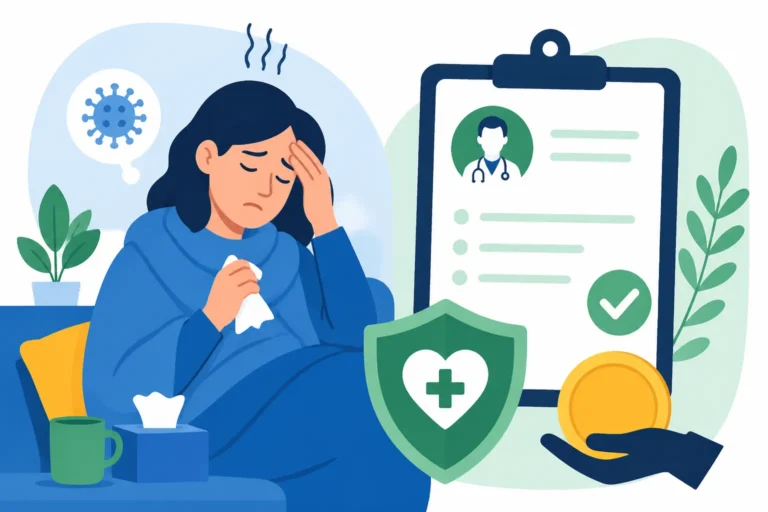
Sitting in your flat at 3 AM with a skyrocketing fever or a child who won't stop crying can be one of the most isolating experiences of expat life. You know the emergency room is for life-and-death situations, but your GP surgery won't open for another five hours. This guide demystifies the NHS 111 service, explaining exactly how to navigate this vital middle ground to get the medical help you need without the unnecessary stress of a twelve-hour wait in a hospital corridor.
What is NHS 111 and Why Does It Exist
The NHS 111 service is essentially the "front door" to the UK healthcare system when your GP is closed or when you aren't sure where to turn. For those of us who grew up in countries with different medical structures, the idea of a non-emergency helpline can feel a bit redundant. You might think, "If it's bad, I'll go to the hospital; if it's not, I'll wait." However, in the UK, the system is designed to prevent Accident and Emergency (A&E) departments from becoming overwhelmed. Understanding NHS 111 and When to Use It in the UK is the first step in being a responsible and savvy resident.
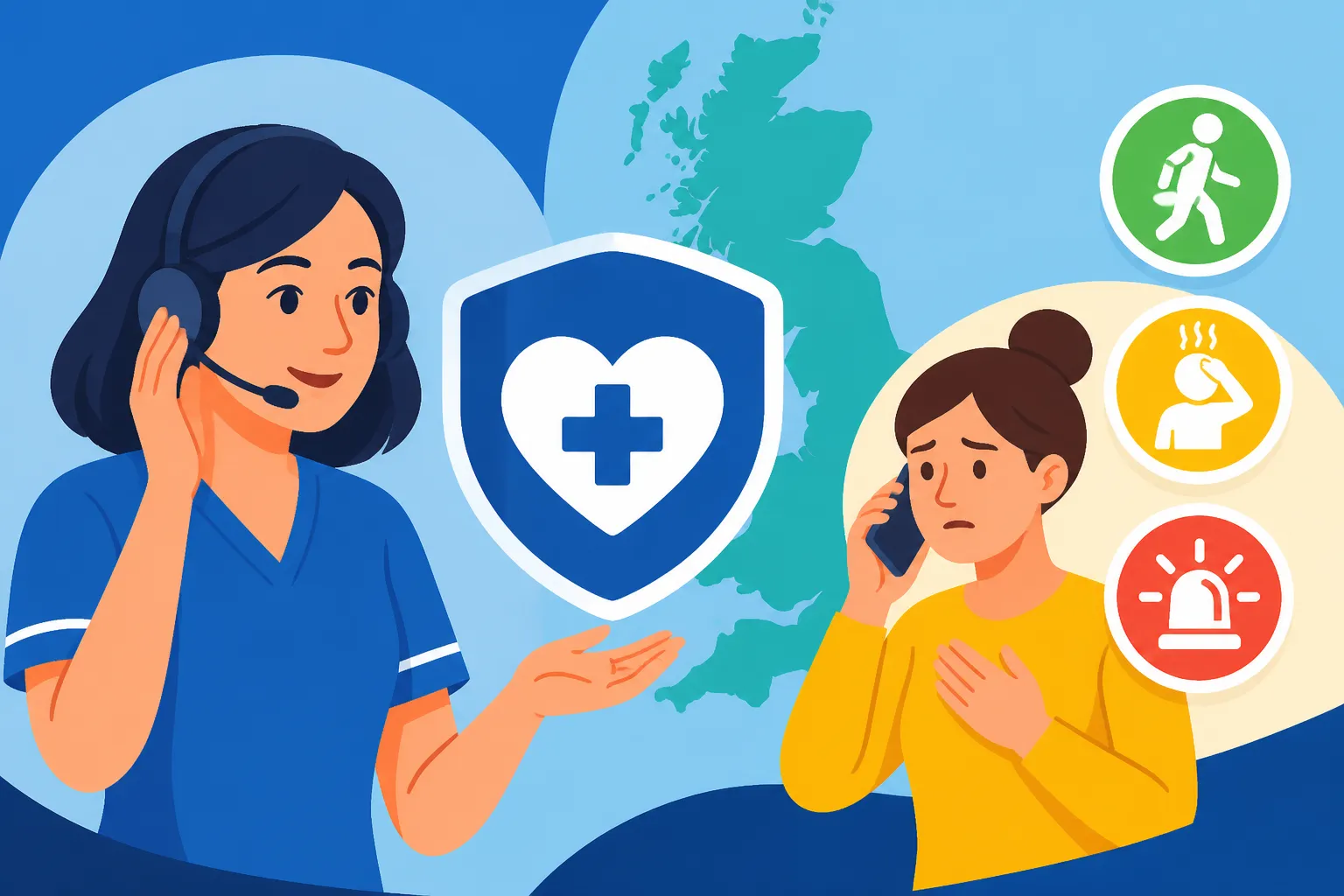
The service is staffed by a mix of highly trained advisors and clinical staff, including nurses and occasionally doctors. When you call 111 or use the online service, you aren't just talking to a receptionist; you are entering a sophisticated triage system. This system is designed to assess your symptoms and direct you to the most appropriate point of care. For many expats, especially those still Understanding How to Get an NHS Number in the UK, 111 acts as a crucial safety net.
The Bridge Between Self-Care and A&E
NHS 111 fills a massive gap in the UK healthcare journey. Imagine you’ve just moved to London and haven't quite figured out How to Find and Register with a Local GP Surgery in the UK. You wake up with a severe migraine that is unlike anything you’ve had before. It isn't a heart attack, but you can’t exactly ignore it. 111 provides a middle path. Instead of guessing whether you need a hospital or a paracetamol, the service uses a clinical algorithm to decide for you.
This bridge is vital because it often provides access to "Out-of-Hours" doctors. These are GPs who work when regular surgeries are closed. If 111 determines that you need to see a doctor before Monday morning, they can actually book you an appointment at a local clinic or even arrange for a home visit in specific circumstances. This prevents the "wait and see" anxiety that often leads expats to head to A&E unnecessarily, only to be told they should have seen a pharmacist.
How the Triage System Works
The triage process is methodical. When you call, you will first speak to an advisor who will ask for basic details: your location, your age, and the main reason for your call. Then, they will go through a series of "yes or no" questions. It can feel a bit repetitive, and as an expat, you might find the directness a bit jarring. They will ask about your breathing, any chest pain, or loss of consciousness. They are essentially ruling out a 999 emergency first.
If the automated questions don't provide a clear answer, your case is escalated to a clinician. This is where the service truly shines. You might get a call back from a nurse who will delve deeper into your symptoms. For newcomers, this is often the moment where the confusion ends and a plan begins. They can provide immediate advice on "self-care" (what to do at home) or tell you exactly which local facility is best equipped to handle your specific issue.
When Should You Actually Call 111
Knowing when to pick up the phone is half the battle. A common mistake foreigners make is assuming that 111 is only for "minor" things like a cold. In reality, it is for anything "urgent" but not "life-threatening." This includes things like suspected broken bones that aren't protruding, high fevers that won't come down with over-the-counter meds, or sudden rashes. If you are unsure, it is always better to call 111 than to do nothing.
For those of us traveling or waiting for our long-term visa paperwork to clear, healthcare access can feel precarious. Many expats use services like SafetyWing to cover gaps in their initial weeks before their NHS registration is fully processed. While SafetyWing provides excellent peace of mind for unexpected medical costs, 111 remains the primary way to access the physical infrastructure of the NHS for advice and direction.
Non-Emergency Situations and Minor Injuries
The most common reason to use 111 is for minor injuries that require more than a bandage but less than a surgeon. If you’ve taken a tumble while exploring a new city and think you might have sprained your ankle, 111 can tell you the location of the nearest Minor Injuries Unit (MIU) or Urgent Treatment Centre (UTC). These facilities are much faster than A&E and are specifically designed for things like minor burns, stitches, and X-rays.
Using 111 for these situations is also beneficial because they can often "announce" your arrival to the UTC. While it isn't exactly a timed appointment, it puts you in the system, which can sometimes streamline the process. For those who are still Understanding the Role of the NHS and Your Local GP in the UK, using 111 for minor injuries is a great way to see how the system prioritizes care based on severity rather than just "first come, first served."
Mental Health Crises and 111
A significant and relatively recent development in the UK is the "111 Select Option 2" service. This is a dedicated line for mental health crises. Moving to a new country is incredibly taxing, and the "expat blues" can sometimes spiral into something more serious. If you or someone you know is experiencing a mental health crisis, calling 111 and selecting the mental health option connects you directly to a local mental health hub.
This service is available 24/7 and is staffed by mental health professionals. They can offer immediate support over the phone and, if necessary, refer you to a local crisis team for a face-to-face assessment. It is a much more dignified and effective route than sitting in a busy, brightly lit A&E waiting room while in emotional distress. It is helpful to know How to Access Mental Health Services and NHS Talking Therapies in the UK for long-term support, but for immediate, middle-of-the-night crises, 111 is your first port of call.
Out-of-Hours GP Services
One of the biggest frustrations for expats is the "8 AM scramble" to get a GP appointment. If you miss that window and develop symptoms later in the day, you might feel stuck. NHS 111 has the power to refer you to Out-of-Hours GP services. These operate on weekday evenings, weekends, and bank holidays.
If you have a persistent infection or an issue that needs a prescription—like a UTI or an ear infection—111 can often arrange for a phone consultation with an Out-of-Hours doctor. They can even send an electronic prescription to a local pharmacy that is open late. This is an absolute lifesaver when you are trying to manage Prescriptions and Pharmacies in the UK: The Complete Guide while feeling unwell.
111 vs 999 Knowing the Critical Difference
The distinction between 111 and 999 is one that the UK government spends millions of pounds educating the public on, yet it remains a point of confusion for many newcomers. In some countries, there is only one emergency number for everything. In the UK, 999 is strictly for life-threatening emergencies. If you call 111 when you should have called 999, the advisor will immediately transfer you or dispatch an ambulance themselves, but those few seconds can be critical.
Conversely, calling 999 for a non-emergency—like a sore throat or a twisted thumb—takes resources away from people who are having strokes or heart attacks. As an expat, it’s important to familiarize yourself with Understanding Emergency Numbers (999 and 111) and Ambulances in the UK to ensure you are using the system correctly.
| Situation | Recommended Service | Action Taken |
|---|---|---|
| Difficulty breathing or chest pain | 999 | Immediate ambulance dispatch |
| Severe bleeding that won't stop | 999 | Immediate ambulance dispatch |
| Sudden confusion or stroke symptoms | 999 | Immediate ambulance dispatch |
| High fever not responding to meds | 111 | Clinical assessment/GP referral |
| Minor burns or small cuts | 111 | Direction to Urgent Treatment Centre |
| Mental health crisis | 111 (Option 2) | Connection to Mental Health Hub |
| Need a repeat prescription | GP Surgery | Contact your regular doctor |
Recognizing Life-Threatening Emergencies
When should you ignore 111 and go straight to 999? The general rule is: if you think the person might die or suffer permanent damage within the next few minutes or hours, it is a 999 call. This includes symptoms like a "crushing" pain in the chest, signs of a stroke (facial drooping, inability to lift arms, slurred speech), or a severe allergic reaction where the throat is closing.
For parents, it is also vital to know when to escalate. If a child has a non-blanching rash (one that doesn't disappear when you press a glass against it), is unusually floppy, or has a seizure for the first time, do not call 111. Call 999 immediately. You should also check Emergency Medical Care in the UK: What Every Expat Needs to Know for a more exhaustive list of these red-flag symptoms.
The Wait and See Trap
A common problem among the expat community is the "I don't want to be a bother" mentality. Many foreigners, especially those from cultures where medical care is expensive, tend to wait until a situation is dire before seeking help. They might think they are being "tough," but in the UK system, this often leads to complications that could have been avoided.
If you are in pain or worried, call 111. Even if you feel silly, the advisors are trained to handle "the worried well" just as much as the "truly sick." They would much rather tell you to stay home and drink water than have you show up at A&E three days later with a full-blown kidney infection because you ignored a UTI. If you are here on a visitor visa and haven't secured coverage yet, having a plan through SafetyWing can mitigate the financial fear, but 111 provides the clinical guidance you need to act before a situation becomes a 999 emergency.
What to Expect During the Call or Online Assessment
If you've never used the service, the process can feel a bit like an interrogation. It’s important to stay calm and answer as accurately as possible. You can access the service via the phone (dial 111) or online at 111.nhs.uk. The online service is often faster for non-complex issues and is great if you are Understanding the Difference Between NHS and Private Hospitals in the UK and just want to know where to go for a minor fix.
The phone service is generally better if you are calling for someone else, like a child or an elderly relative, as the advisor can hear the patient's breathing or the sound of their voice in the background, which provides additional clinical context.
The Triage Questionnaire
The questionnaire is designed to be exhaustive. You will be asked about your past medical history, any allergies, and specifically about "red flag" symptoms. Be prepared to give your exact location, including the postcode. If you are in a temporary airbnb or hotel, have the address written down before you call.
One thing that surprises many expats is that the advisors will often ask if you are alone. This is for your safety—if they think you might lose consciousness, they need to know if there is someone there to let the paramedics in. For people who have just arrived and are Navigating the UK Healthcare System: An Expat's Roadmap (2027), this level of detail can be a bit overwhelming, but it is all part of a very successful safety protocol.
Potential Outcomes and Referrals
Once the assessment is complete, there are several possible outcomes. The most common is "Self-care," where they advise you on which over-the-counter medicines to take and what symptoms would mean you need to call back. Alternatively, they might direct you to a local pharmacy for a consultation under the "Pharmacy First" scheme.
If the situation is more urgent, they might:
- Book an appointment for you at an Urgent Treatment Centre.
- Arrange for a GP to call you back within a few hours.
- Tell you to go to A&E immediately (and sometimes they will alert the hospital you are coming).
- Dispatch an ambulance if the assessment triggers an emergency response.
For those concerned about costs, remember that calling 111 is free. While some visitors may face charges later at a hospital, Understanding Hospital Admission and NHS Billing for Visitors in the UK will help you understand the financial side. However, the advice from 111 never costs a penny.
Special Considerations for Expats and Visitors
Navigating a medical system in a second language or under a different legal status adds a layer of complexity. The NHS is a universal service, but "universal" doesn't always mean "free for everyone for every thing." However, 111 is the most inclusive part of the system. It is available to anyone currently on British soil, regardless of their visa status or whether they have paid the Immigration Health Surcharge.
If you are a digital nomad or a long-term traveler, having a policy with SafetyWing is a smart move. While 111 will help you navigate the NHS, SafetyWing can help cover the costs if you are referred to a private clinic or if you need to be repatriated for specialized treatment that isn't covered for non-residents.
Language Support and Interpretation
If English isn't your first language, don't let that stop you from calling. When the 111 advisor answers, you can simply state the name of your language in English (e.g., "Spanish interpreter please" or "Mandarin interpreter please"). The NHS uses a service called LanguageLine which provides over-the-phone interpretation in over 200 languages.
This is a vital service for the expat community. It ensures that clinical details aren't "lost in translation." I’ve known many newcomers who waited for a friend to come home to help them call, only for their condition to worsen. Use the interpreter service; it is professional, confidential, and incredibly efficient. It’s also worth checking How to Find an English-Speaking Dentist in the UK if you have a dental emergency, though 111 can also direct you to emergency dental care.
Navigating Costs and Eligibility
A common fear among expats is that calling the NHS will somehow flag their immigration status or result in a massive bill. Let’s be clear: 111 advisors are not immigration officers. Their job is clinical safety. They will ask for your NHS number if you have one, but if you don't, they will still help you.
While the 111 call and initial advice are free, what happens after the call depends on your status. If you are on a work or student visa and have paid your surcharge, you are entitled to NHS care. If you are a tourist, you might be billed for hospital treatment. This is why Understanding How Your Visa and the IHS Affect Your NHS Entitlement in the UK is so important. For those without IHS coverage, using a secondary insurance like SafetyWing is the best way to handle any potential invoices from the NHS Trust.
Practical Tips for Using NHS 111 Efficiently
To get the most out of the service, you need to be prepared. The system works best when the advisor has high-quality information. If you are calling for a child, try to have their temperature and a list of any medications they’ve taken in the last 24 hours ready.
If you are a newcomer still figuring out What Documents Do I Need to Register with an NHS GP, you might not have a permanent NHS number yet. That’s okay. You can still use the service. Just explain that you are a new arrival and provide your date of birth and current address.
Preparation Before You Connect
Before you pick up the phone or open your laptop, do a quick "kit check."
- Postcode: Know exactly where you are.
- Phone Number: Ensure you have enough battery and signal for a callback.
- Symptoms: Write down when the pain started, its severity (1-10), and what makes it better or worse.
- Medication: Have any pill packets or prescriptions nearby so you can read the exact names and dosages to the advisor.
This level of preparation is especially important if you are feeling distressed. It's easy to forget basic details when you're in pain. If you've been Understanding the Immigration Health Surcharge (IHS) and NHS Access (2027), you might already be in the system, but having your BRP (Biometric Residence Permit) card nearby is always a good idea just in case they need to verify your details.
Using the Online Service vs Phone Call
The 111 online service is incredibly user-friendly. It uses the same clinical algorithms as the phone service but allows you to move at your own pace. It is particularly useful for things like "I have a weird rash" or "I think I have a minor infection." At the end of the online journey, you will receive a summary and clear instructions on what to do next.
However, the phone service is superior if the patient is under the age of five, over the age of 85, or if you are dealing with a complex chronic condition. The human element of the phone call allows for "gut feeling" assessments that a computer can't always catch. If you are ever in doubt after an online assessment, don't hesitate to pick up the phone and speak to a person.
Alternatives to NHS 111
While 111 is the primary urgent care route, it isn't the only one. Depending on your situation, there might be faster or more direct ways to get help. For example, if you have a minor eye issue, going to a local optician who offers the Minor Eye Conditions Service (MECS) can be faster than waiting for a 111 referral.
For expats who prefer the speed and comfort of the private sector, knowing How to Use Private Hospitals Like Bupa, Spire and Nuffield in the UK can provide an alternative for non-urgent issues. However, even for private patients, 111 is often the best way to triage an urgent problem in the middle of the night.
Pharmacies and Self-Referrals
Many minor ailments can be handled by a pharmacist. Under the "Pharmacy First" scheme in England, pharmacists can now prescribe antibiotics for seven common conditions, including earaches, sore throats, and uncomplicated UTIs in women. You don't always need a GP or a 111 call for these; you can simply walk into a pharmacy and ask to speak to the pharmacist.
This is a massive time-saver for busy expats. If you are Understanding NHS Prescription Charges and Exemptions in the UK, you’ll find that the cost of these medicines is the same as if a GP had prescribed them. It’s a highly efficient way to get treated for routine issues without entering the wider NHS infrastructure.
Private Healthcare Options
Some expats choose to bypass the NHS queues by maintaining private medical insurance. While this won't help you in a 999 emergency (ambulances always go to NHS hospitals), it can be very useful for urgent but non-emergency consultations. Some private insurance providers offer their own 24/7 GP helplines or video consultation apps.
If you are Understanding Private Health Insurance Plans in the UK, you’ll see that they often include a "Digital GP" service. This can sometimes be faster than waiting for a 111 callback. However, for physical injuries or anything requiring a diagnostic test like an X-ray on a Sunday night, you will likely still end up at an NHS Urgent Treatment Centre via 111. Having a blend of NHS access and a safety net like SafetyWing ensures you are protected regardless of which route you choose.
Disclaimer
The information provided in this guide is for informational purposes only and does not constitute professional medical or legal advice. Healthcare policies in the UK can change frequently. Always consult the official NHS website or a qualified medical professional for specific health concerns. In a life-threatening emergency, always dial 999 immediately.