Can I Get a GP Appointment by Video in the UK?
Moving to a new country like the UK means navigating a whole new healthcare system, and let's be honest, it can feel like a labyrinth at times. One of the biggest hurdles expats and tourists often face is simply getting to see a doctor when they need one, especially with traditional GP appointments sometimes requiring a wait. This guide is here to shed light on a modern solution: video GP appointments, explaining how they work in the UK and if they can be a viable option for you.
The Reality of GP Access in the UK for Expats
When you first arrive in the UK, the excitement is palpable, but then the reality of settling in hits. One of the first things on your mind, after figuring out how to get a decent cup of tea, is often healthcare. Many new arrivals find themselves scratching their heads, wondering how to even begin. "Can I just walk into a doctor's office?" you might ask. The short answer, for the most part, is no. The UK operates predominantly on a GP-led system, meaning your first port of call for most health issues is your General Practitioner.
The process of Registering with a GP in the UK: The Complete Expat Guide (2027) can be a bit of a bureaucratic dance. You need proof of address, ID, and often patience, especially in densely populated areas. It's not uncommon to hear stories from fellow expats about surgeries being full or having long waiting lists to even register, let alone get an appointment. This initial barrier can be incredibly frustrating, leaving you feeling vulnerable if you fall ill before you're fully integrated into the system. It’s a completely different experience for many, especially those from countries with more direct access to specialists or walk-in clinics.
Even once you're registered, securing a timely face-to-face appointment can sometimes be a challenge. The NHS, while a fantastic system, is under immense pressure, and routine GP appointments can have waiting times. This is precisely why digital solutions and remote consultations have become increasingly popular and, frankly, essential. They've emerged as a crucial way to bridge the gap, offering a more immediate point of contact for many health concerns that don't necessarily require a physical examination. For expats and tourists alike, understanding these options can provide a much-needed safety net. If you're looking for a detailed walkthrough, you can find more information on How to Register with an NHS GP After Moving to the UK.
Navigating Video GP Appointments in the UK: What's Available?
The landscape of GP appointments in the UK has certainly evolved, with video consultations now a mainstream option. This shift has been driven by a combination of technological advancements and the practical need to manage demand, offering more flexibility for patients, particularly those with busy lives or those who struggle with traditional access. For expats, this can be a godsend, offering a convenient alternative to navigating unfamiliar clinics.
NHS Digital First Approach
The National Health Service (NHS) has embraced a "digital first" approach for many of its primary care services, which includes offering video consultations. If you are a registered patient with an NHS GP surgery, there's a good chance they will offer video appointments as part of their service. These aren't just for emergencies; they're increasingly used for routine check-ups, follow-up appointments, or discussing symptoms that don't require a physical examination. Most practices use secure, NHS-approved platforms, which might be integrated into their own patient management systems, or they might use common tools like AccuRx, or even the NHS App itself.
Who is eligible for these? Crucially, you need to be a registered patient with an NHS GP surgery. Once you are, when you contact your practice for an appointment, they will often triage your request and determine if a video consultation is appropriate. For instance, if you have a new rash, persistent cough, or need to discuss medication, a video call could be the first step. The doctor can see you, ask questions, and decide if a physical examination is necessary or if they can provide advice, a prescription, or a referral directly. One of the major pros is that if it's determined you need to be seen in person, you'll already be in the system and the GP can arrange this. The main con is that these are still subject to NHS waiting times, though often shorter than in-person appointments for minor issues. Understanding this system is part of Navigating the UK Healthcare System: An Expat's Roadmap (2026).
Private Video GP Services
Beyond the NHS, a thriving ecosystem of private video GP services has emerged in the UK. These are often invaluable for expats and tourists who might not yet be registered with an NHS GP, or who simply want faster, more flexible access to a doctor. Companies like Babylon Health, Push Doctor, and Livi, as well as many independent private GP practices, offer video consultations, often available within minutes or hours, rather than days. These services operate on a pay-as-you-go model or via subscription, providing an immediate solution for many health concerns.
The benefits of these private services are numerous. Speed and convenience are paramount; you can often book an appointment and be speaking to a doctor from your phone or laptop in under an hour. This can be a huge relief if you're feeling unwell and anxious. You also often have more choice over the doctor you see, and some services can even ensure you speak to an English-speaking doctor, which can be a comfort for those still getting to grips with local accents. While these services come with a fee, many expats find the peace of mind and swift access worth the cost. For those with private health insurance, it's worth checking if these consultations are covered, potentially making them even more accessible. If you're on an extended trip or a temporary work assignment, travel insurance or expat health insurance providers like SafetyWing often cover private GP consultations, which can be a real game-changer when you're far from home. It's a key part of exploring your Health Insurance in the UK: Private Cover and Options Explained options.
Costs for a private video GP appointment can vary, typically ranging from £20 to £60 per consultation, though some premium services might charge more. For example, How Much Does a Private GP Appointment Cost in Manchester? will give you an idea of typical pricing. This might seem steep if you're used to free healthcare, but consider it an investment in immediate peace of mind and rapid medical advice. These private platforms can be particularly useful for things like getting repeat prescriptions, quick diagnoses for minor illnesses, or a medical certificate for work. They are generally very straightforward to use, requiring a simple app download and a few details to get started.
The Practicalities of Booking a Video GP Appointment
The thought of a video appointment might sound a bit futuristic or complicated, but in reality, it's designed to be as user-friendly as possible. Whether you're going through the NHS or a private provider, the steps are generally quite intuitive. The key is to know which route is available to you and what to prepare.
For Registered NHS Patients
If you're already registered with an NHS GP, accessing a video consultation usually starts the same way you'd book any other appointment: by contacting your surgery. Many practices now have online portals or use the NHS App, which allow you to request appointments or submit e-consultation forms directly.
Here's a typical step-by-step guide:
- Contact Your GP Surgery: Call your practice or use their online system (e.g., Patient Access, Engage Consult, or their specific website portal).
- Explain Your Symptoms: You'll usually be asked to describe your symptoms or reason for the appointment. This helps the practice triage your request and decide if a video, phone, or in-person consultation is most appropriate.
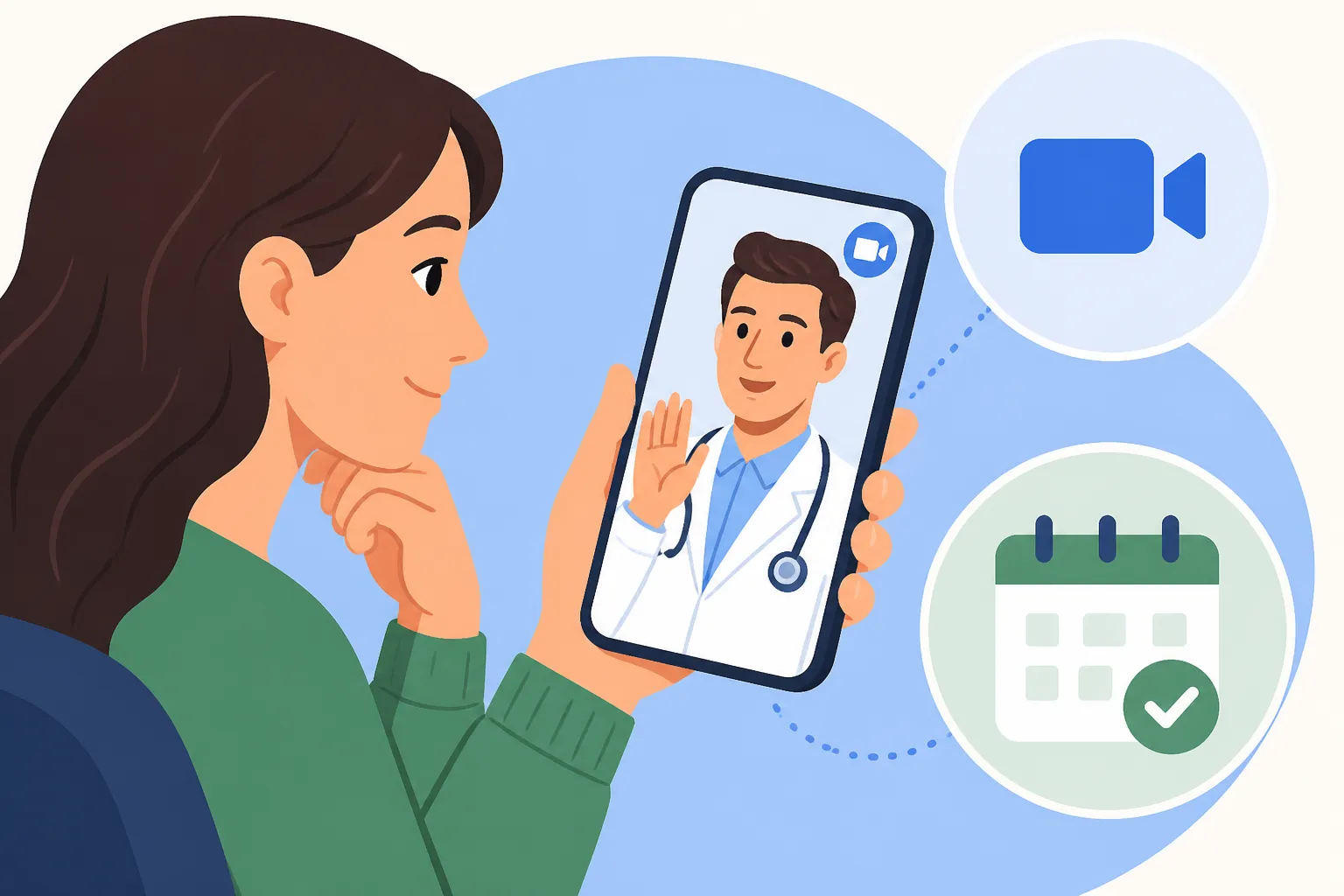
- Receive a Video Link: If a video consultation is deemed suitable, you'll be sent a link via text message or email for your scheduled appointment time. This link will direct you to a secure video platform.
- Prepare for Your Appointment: Find a quiet, private space with good internet connection before your appointment. Ensure your device (smartphone, tablet, or computer) has a working camera and microphone.
- Join the Call: At your appointment time, click the link. You might be placed in a virtual waiting room until the doctor is ready.
During the appointment, the GP will ask you questions, just like a face-to-face consultation. They'll assess your condition visually (if appropriate) and discuss next steps, which could include a prescription, advice, or a referral for further investigation. For instance, if you need a specialist, the GP will guide you through How Do I Get a Referral to a Specialist on the NHS?. Remember, these are legitimate medical consultations, so treat them with the same seriousness and preparation as you would an in-person visit.
Let's look at a quick comparison:
| Feature | NHS Video GP | Private Video GP (e.g., Babylon, Livi) |
|---|---|---|
| Eligibility | Registered patients only | Anyone (expat, tourist, non-registered) |
| Cost | Free at the point of use | Per consultation fee (e.g., £20-£60) or subscription |
| Availability | Subject to practice capacity, often same-day/next-day for appropriate cases | Often within minutes/hours, 24/7 |
| Prescriptions | Sent to your nominated NHS pharmacy | Sent to your chosen pharmacy (NHS or private), or digitally |
| Referrals | To NHS specialists/services | To private specialists (you pay), or recommendation for NHS GP referral |
| Continuity of Care | Doctor has access to your full NHS medical record | Limited access to NHS records unless shared by you |
For Non-Registered Patients or Those Seeking Private Care
If you're new to the UK, haven't yet registered with an NHS GP, or simply prefer the speed and flexibility of private options, accessing a private video GP is generally very straightforward.
Here's how it usually works:
- Choose a Provider: Research private video GP services like Babylon Health, Push Doctor, Livi, or local private GP clinics that offer remote consultations.
- Download the App/Visit Website: Most services operate through a dedicated mobile app or a secure website portal. Download the app or navigate to their booking page.
- Create an Account: You'll need to set up an account, providing basic personal details, an email address, and often proof of identity (passport or driving licence). This is usually a quick process.
- Select Your Service and Book: Choose the type of appointment you need (e.g., general consultation, prescription request) and select an available time slot. Many platforms show real-time availability, and you can often see a doctor within a few minutes.
- Provide Payment: You'll pay for the consultation at the time of booking. If you have private health insurance, check if you can claim back the cost, or if your plan directly covers it. For travellers, services like SafetyWing can be a valuable partner here, often covering acute illnesses and injuries which might include these private consultations.
- Join the Call: Just like with NHS services, you'll receive a link to join your video consultation at the appointed time. Ensure you have a stable internet connection and a private space.
One key thing to remember when using private services is that they might not have immediate access to your full NHS medical history, especially if you're not registered with a GP or if you explicitly request privacy. However, you can often share relevant information with them during your consultation. If you're wondering Do I Need Private Health Insurance in the UK?, for this very reason, it offers a distinct advantage in accessing quick care.
Benefits and Limitations of Video GP Consultations
While video GP appointments offer incredible convenience, they are not a one-size-fits-all solution. Understanding their strengths and weaknesses is crucial, especially for expats and tourists who might be unfamiliar with the nuances of the UK healthcare system.
Advantages for Expats and Tourists
For those new to the UK, or just visiting, video GP appointments bring a host of benefits that can significantly ease the burden of accessing healthcare.
- Unmatched Convenience: Imagine waking up with a sore throat but not having to brave the London Tube or navigate unfamiliar streets to see a doctor. With a video consultation, you can speak to a GP from the comfort of your home, office, or even your hotel room. This saves travel time, reduces exposure to other illnesses in waiting rooms, and allows for much more flexible scheduling, often outside traditional working hours. This is especially useful when you're trying to figure out where the nearest Where Is the Nearest NHS Walk-In Centre in London? might be.
- Overcoming Language Barriers: While the UK is English-speaking, sometimes explaining complex medical symptoms in a new accent or when feeling unwell can be challenging. Some private video GP services offer options for doctors who are fluent in various languages or who are specifically accustomed to treating international patients, which can provide an extra layer of comfort.
- Rapid Access to Care: This is perhaps the biggest draw, especially for private services. Instead of waiting days for an appointment, you can often get a consultation within hours, sometimes even minutes. For minor ailments, unexpected symptoms, or simply needing quick medical advice, this immediate access is invaluable. It can be particularly reassuring when you’re dealing with an illness in an unfamiliar environment.
- Initial Triage for Minor Ailments: For many common issues like colds, minor infections, skin rashes, or prescription refills, a video consultation can be perfectly adequate for diagnosis and treatment. The doctor can assess your symptoms, provide advice, and issue a prescription if necessary, saving you an unnecessary trip to a physical clinic.
- Peace of Mind with Travel/Expat Insurance: If you're travelling or on a short-term visa, many travel insurance policies, like those offered by SafetyWing, include coverage for private GP consultations. This means you can access quick, private care without worrying about the upfront cost, making the entire experience smoother and less stressful when an unexpected illness strikes abroad.
When Video Won't Cut It
Despite the many advantages, there are clear limitations to video GP appointments. They are not suitable for every medical situation, and knowing when to seek in-person or emergency care is critical.
- Physical Examinations are Required: This is the most obvious limitation. If a doctor needs to listen to your lungs, feel your abdomen, check your blood pressure, or perform any kind of physical assessment, a video call simply isn't sufficient. Conditions like chest infections, severe abdominal pain, or injuries often necessitate an in-person examination to accurately diagnose.
- Emergency Situations: For severe symptoms such as sudden, acute chest pain, difficulty breathing, suspected stroke, major injuries, or heavy bleeding, never rely on a video GP appointment. These are emergencies that require immediate, in-person medical attention. You should call 999 for an ambulance or go to the nearest A&E (Accident & Emergency) department. For less urgent but still pressing concerns outside of GP hours, you should call Understanding NHS 111 and When to Use It in the UK for advice. More details can be found on Emergency Medical Care in the UK: What Every Expat Needs to Know.
- Serious Mental Health Crises: While video calls can be useful for initial mental health assessments or follow-ups for stable conditions, acute mental health crises (e.g., severe suicidal thoughts, psychosis) require immediate, specialist in-person support. Always seek emergency mental health services or go to A&E in such situations.
- Prescriptions for Controlled Substances: GPs, whether via video or in-person, are highly regulated regarding prescriptions for controlled substances (certain strong painkillers, some psychiatric medications). It's unlikely you'll get these prescribed via an initial video consultation, especially from a private service without a pre-existing medical history.
- Complex or Chronic Conditions: While video can facilitate follow-ups for chronic conditions, initial diagnoses or managing complex, fluctuating health issues often benefits from a consistent, in-person relationship with a GP who has access to your full medical history and can conduct necessary physical checks.
In summary, video GP appointments are excellent for convenience and speed for minor, non-emergency issues. However, if there's any doubt about the severity of your condition, if you feel truly unwell, or if a physical examination is clearly needed, always opt for in-person care or emergency services.
Integrating Video GP Services with Your UK Healthcare Journey
Making the most of video GP appointments means understanding how they fit into the broader UK healthcare landscape, whether you're relying primarily on the NHS or supplementing with private care. For expats, this strategic integration can significantly improve your access and experience.
First and foremost, whether it's an NHS or private video call, preparation is key. Before your appointment, jot down your symptoms, when they started, what makes them better or worse, and any medications you're currently taking. Have your personal details and any relevant medical history handy. This allows you to communicate clearly and efficiently, ensuring the doctor has all the information they need to provide accurate advice. Ensure you have a strong internet connection and a quiet, private space where you won't be interrupted.
For expats who are awaiting NHS registration or find themselves in a temporary living situation, private video GPs can serve as an invaluable first point of contact. While you're working through the process of How Your Visa and the IHS Affect Your NHS Entitlement in the UK and finding a local NHS GP taking new patients, a private video consultation allows you to address immediate health concerns without delay. For example, if you develop a nasty cough shortly after arriving, a private video GP can offer a quick diagnosis and prescription, allowing you to recover faster while you sort out your NHS registration. This can be a vital bridge to care, ensuring you don't feel stranded without medical support.
Furthermore, these services can complement your NHS care. Perhaps your NHS GP has a long waiting list for a routine follow-up, but you have a quick question or need a rapid re-evaluation of a minor ongoing issue. A private video GP can often step in to provide that immediate reassurance or advice. It’s a dynamic approach, utilising the best aspects of both systems. For a deeper dive into these choices, refer to NHS vs Private Healthcare in the UK: Which Should Expats Choose?.
If you're a tourist or on a short-term visit, services like SafetyWing can be particularly beneficial. Their travel medical insurance is designed with digital nomads and long-term travellers in mind, often covering these quick, efficient private video consultations for unexpected illnesses or injuries. This means you can get professional medical advice without the hassle of navigating an unfamiliar system or worrying about out-of-pocket costs that might not be covered by standard travel insurance. It offers a level of certainty and ease that can be incredibly comforting when you're away from home and feeling unwell. Ultimately, integrating video GP services, both NHS and private, into your healthcare strategy empowers you with faster access, greater convenience, and more control over your health in the UK.
Disclaimer
The information provided in this guide is for general informational purposes only and does not constitute medical advice. Healthcare regulations and availability can change, so always verify information with official sources or a qualified healthcare professional. For specific medical concerns, always consult with your registered GP or an appropriate medical service. In an emergency, please call 999 immediately.