Understanding NHS Prescription Charges and Exemptions in the UK
Moving to the UK often comes with the comforting thought that healthcare is "free at the point of use," but many expats are blindsided the first time they hand over a prescription at a pharmacy counter in England. This guide demystifies the complex world of NHS prescription charges, explaining exactly what you will pay, who qualifies for exemptions, and how to avoid overpaying for your essential medications.
How the NHS Prescription System Works for Expats
When you first arrive in the UK, you might assume that your payment of the Immigration Health Surcharge (IHS) covers every aspect of your medical needs. While the IHS does grant you access to the National Health Service, the way prescriptions are handled depends heavily on which part of the UK you are living in. This is one of those administrative quirks that catches many newcomers off guard, especially if they have moved from a country with a strictly private or strictly subsidized system.
In England, the NHS operates on a "per item" charge system. This means that if your GP writes a prescription for two different types of medication—say, an antibiotic and a steroid cream—you will be charged twice, even if they are on the same piece of paper. It is a flat fee that is adjusted annually by the government. For many expats, this feels like a small, unexpected tax on being unwell, and it can add up quickly if you have a chronic condition requiring multiple monthly medications.
The Regional Divide in Prescription Costs
One of the most important things to understand is that the UK’s healthcare systems are devolved. This means Scotland, Wales, and Northern Ireland set their own rules, which differ significantly from England. If you are living in Edinburgh, Cardiff, or Belfast, you will likely find that prescriptions are free for everyone registered with a local GP. This is a major point of relief for expats in those regions, as it removes a layer of financial stress from the healthcare experience.
However, if you are based in England, you are subject to the standard charge unless you fall into a specific exempt category. Many expats who moved from Glasgow to London and were shocked to suddenly start paying nearly ten pounds per item. It is vital to check your local regulations, but for the vast majority of foreigners moving to the UK's capital or major English cities like Manchester and Birmingham, the English charging system will be your daily reality. Knowing this early helps you budget and prevents that awkward moment of confusion at the pharmacy till.
How the Immigration Health Surcharge Plays Into Medication
There is a common misconception that paying the IHS entitles you to free prescriptions in England. It is important to clarify that the How the Immigration Health Surcharge Gives You NHS Access in the UK explains that the surcharge covers your right to see a doctor and receive hospital treatment without further charge. It does not, however, grant an automatic exemption from the standard £9.90 (current rate) per-item prescription fee in England.
You are treated exactly like a British citizen in this regard. If a British citizen of your age and health status has to pay, you will too. This often feels unfair to newcomers who have already paid thousands of pounds for their visas, but the system is designed to be egalitarian in its application of charges. If you are struggling with the transition or waiting for your NHS records to update, having a plan like SafetyWing can provide a safety net for private needs, but for standard NHS scripts, the IHS simply gets you into the system. It is also worth noting that until you are fully registered with a GP, you might find it difficult to get any prescriptions at all.
The Role of the GP in the Prescription Process
Before you can even worry about the cost, you must have a valid prescription from a doctor registered in the UK. Many expats arrive with a suitcase full of medication from back home, only to realize that UK pharmacists cannot legally fulfill a foreign prescription. You must go through the process of Registering with a GP in the UK: The Complete Expat Guide (2027) to ensure a local doctor can review your medical history and issue a UK-compliant "green slip" or electronic prescription.
The GP acts as the gatekeeper. They will decide if the medication you were taking abroad is available on the NHS or if a UK equivalent is more appropriate. Sometimes, the NHS uses generic versions of drugs rather than the brand names you might be used to. This is a cost-saving measure for the taxpayer and generally does not affect the efficacy of the treatment, but it can be a point of cultural adjustment for those coming from more brand-heavy medical markets. Once the GP issues the script, it is sent electronically to your chosen pharmacy via the Electronic Prescription Service (EPS).
Who Gets Prescriptions for Free? Understanding Exemptions
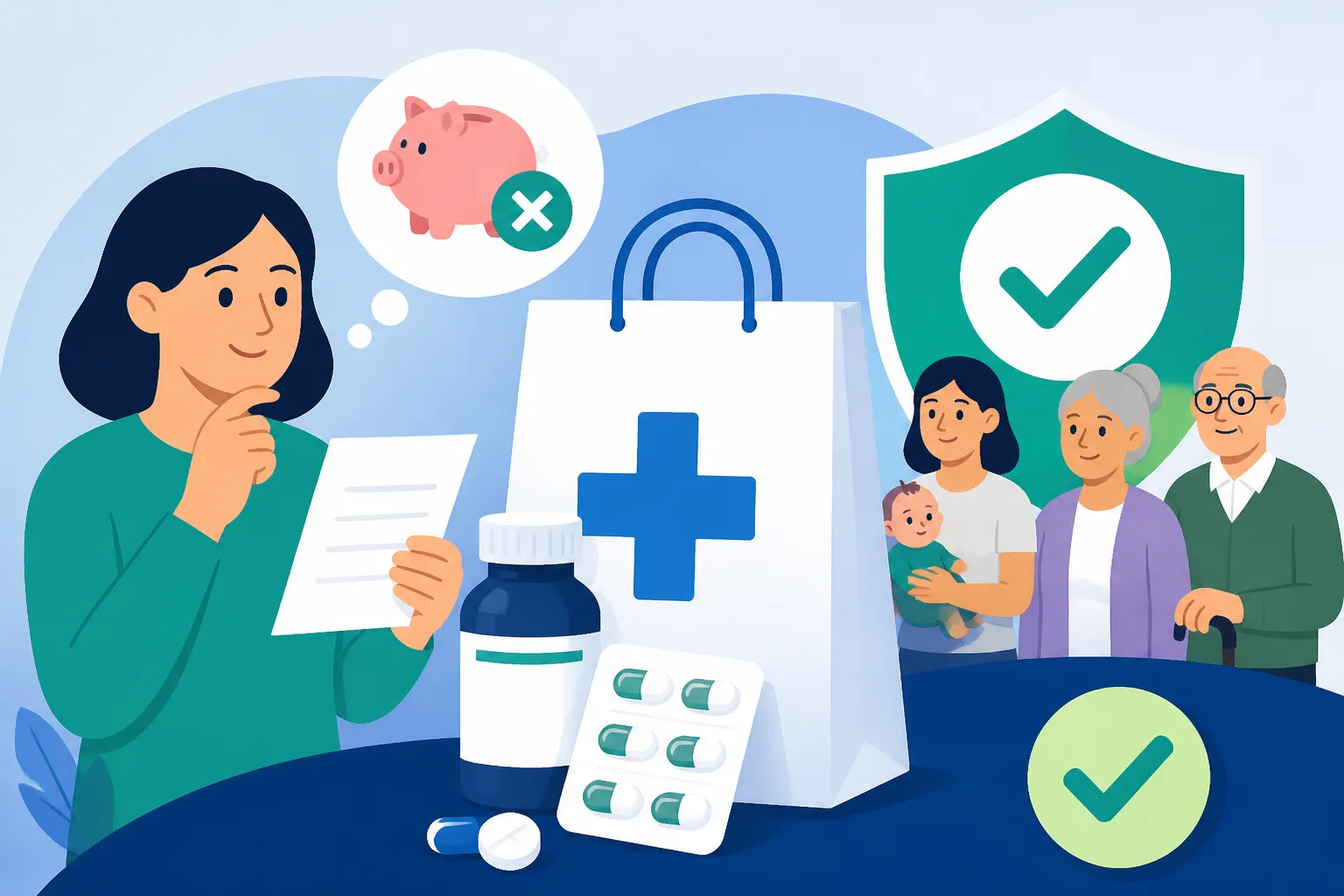
While the base rule in England is that you pay, there is an extensive list of exemptions. The NHS recognizes that certain groups of people should not be burdened with these costs due to their age, financial situation, or specific medical conditions. As an expat, you are eligible for these exemptions as long as you meet the criteria and have the necessary documentation to prove it.
Applying for an exemption is not always automatic. For some categories, like age, your date of birth on your NHS record is enough. For others, particularly medical conditions, you must proactively apply for a Medical Exemption Certificate (MedEx). Newcomers are often advised to look into this immediately if they have a long-term illness, as the savings over several years can be substantial. For those still navigating their status, Understanding Who Is Eligible for Free NHS Care in the UK provides a broader look at how these rights are established.
Age-Based and Medical Exemptions
The most straightforward exemptions are based on age. If you are under 16, or aged 16, 17, or 18 and in full-time education, your prescriptions are free. Similarly, once you reach the age of 60, you no longer have to pay. This is handled automatically by the pharmacy system using your NHS number and date of birth. However, the "medical exemption" is where it gets a bit more specific.
If you have a chronic condition such as diabetes (specifically if it requires insulin or medication), epilepsy, or certain forms of physical disability, you are entitled to a MedEx card. This card lasts for five years and covers all your prescriptions, not just the ones related to your specific condition. You need to ask your GP for a form (usually form FP92A) to apply. It is a common frustration for expats that not every chronic illness qualifies; for instance, many mental health conditions and high blood pressure do not currently grant an exemption, which often feels illogical to those managing those conditions daily.
Income-Based Exemptions and Support
If you are on a low income, you may be eligible for help through the NHS Low Income Scheme. This is particularly relevant for international students or those on specific types of visas who might be struggling with the UK’s high cost of living. You will need to fill out an HC1 form, which asks for detailed information about your weekly income, savings, and outgoings. Depending on your situation, you will receive either an HC2 certificate (full help) or an HC3 certificate (partial help).
This scheme is a lifesaver for many, but the application process is rigorous. You must disclose all global income, which can be a tedious administrative hurdle for expats. If you are receiving certain UK benefits, such as Income Support or Jobseeker's Allowance, you are automatically exempt. However, many visa holders are subject to the "No Recourse to Public Funds" (NRPF) condition, meaning they cannot claim these benefits. In these cases, the HC1 form is your only route to income-based support.
Maternity and New Parent Exemptions
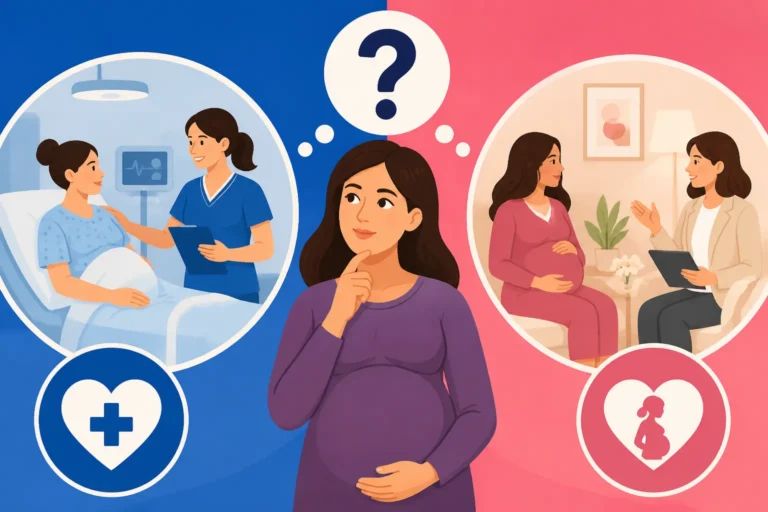
The UK is quite generous toward expectant and new mothers. If you are pregnant or have had a baby in the last 12 months, you are entitled to free prescriptions through a Maternity Exemption Certificate (MatEx). This is something your midwife or GP should help you apply for as soon as your pregnancy is confirmed. It is worth noting that this covers all prescriptions, including dental care, which is a massive financial relief during an expensive life stage.
The MatEx card is valid until 12 months after your expected due date. If the baby arrives late or early, the expiry date remains the same unless you apply for an extension. For many expat families, Understanding Maternity and Antenatal Care Under the NHS in the UK is a vital part of their journey, and the prescription exemption is a cornerstone of that support. Even if you are used to a private system where everything is billed, this is one area where the NHS truly shines in its support for families.
Saving Money with Prescription Prepayment Certificates (PPCs)
If you do not qualify for any of the exemptions mentioned above but you know you will need regular medication, do not despair. The NHS offers a "season ticket" for prescriptions known as the Prescription Prepayment Certificate (PPC). This is the single best way to save money if you find yourself at the pharmacy more than once a month.
The logic is simple: you pay a fixed price upfront, and all your prescriptions for a set period are covered. For expats who are not used to the "per item" charge, this can turn a monthly bill of £30 or £40 into a much more manageable annual fee. Many people waste hundreds of pounds because they don't know the PPC exists or assume it isn't for "foreigners." Rest assured, if you have an NHS number, you can buy a PPC.
The 3-Month vs. 12-Month PPC
There are two main types of PPC available. The 3-month certificate is great if you have a short-term health issue that requires a burst of different medications. The 12-month certificate is the gold standard for those with permanent conditions that don't qualify for a medical exemption.
| Option | Cost (Approx 2026) | Break-Even Point |
|---|---|---|
| Single Prescription Item | £9.90 | N/A |
| 3-Month PPC | £32.25 | More than 3 items in 3 months |
| 12-Month PPC | £114.50 | More than 11 items in 12 months |
As you can see from the table, if you need just one item every month, the 12-month PPC already saves you money. If you need two or three items per month, the savings become significant—potentially hundreds of pounds over the course of a year. You can even pay for the 12-month PPC via 10 monthly direct debit installments, which helps spread the cost if you are on a tight budget.
Is a PPC Worth It for You?
Determining if a PPC is worth it requires a bit of honesty about your health needs. Many expats are advised to wait a month or two after arrival to see how their GP handles their scripts. Sometimes, a GP might give you a "double pack" of medication (e.g., two months' supply in one go), which counts as one item charge. If your GP is willing to do this, you might not need a PPC.
However, if you are prescribed multiple different tablets, inhalers, or creams, the "per item" rule is strictly enforced. For example, if you are an asthmatic using a preventer and a reliever inhaler, that is two charges every time you refill. In this scenario, a PPC is a no-brainer. It is also worth checking Prescriptions and Pharmacies in the UK: The Complete Guide for more nuanced tips on how different medications are categorized. Remember, while SafetyWing is excellent for travel and unexpected private needs, it won't cover your standard NHS prescription costs, so the PPC remains your primary tool for cost control.
How to Apply for a PPC
Applying for a PPC is one of the few administrative tasks in the UK that is actually quite easy. You can do it online via the NHS Business Services Authority website, and the certificate is usually active immediately. You don't get a physical card anymore; your details are simply stored in a central database that pharmacists can access when they scan your prescription.
If you are at a pharmacy and realize you've been overpaying, you can actually buy a PPC and sometimes claim back the cost of prescriptions you paid for in the previous few days, provided you get an FP57 refund receipt from the pharmacist at the time of payment. This level of flexibility is rare in UK bureaucracy, so take advantage of it if you’ve had a sudden change in your health requirements.
Practical Tips for Navigating UK Pharmacies
Once you have your prescription and your payment method sorted, the next step is actually visiting the pharmacy. In the UK, pharmacies range from small independent shops to massive chains like Boots and Superdrug. Navigating these can be a cultural experience in itself.
One thing that surprises many expats is the "wait time." Unlike some countries where you can walk in and out in two minutes, UK pharmacies often have a 10-to-15-minute wait while the pharmacist performs "clinical checks." They aren't just putting pills in a bag; they are legally required to ensure the dosage is safe and that there are no dangerous interactions with other medications you might be taking. This is why having a consistent "nominated" pharmacy is so helpful.
Finding the Right Pharmacy and Opening Hours
While large chains are convenient, it is often the case that local, independent pharmacies offer a more personal service for expats. They get to know you, they remember your history, and they are often more patient when explaining how the NHS system works. Most pharmacies are open from 9:00 AM to 6:00 PM, but many in larger cities have extended hours or are "100-hour pharmacies."
If you find yourself in need of medication late at night or on a Sunday, you’ll need to look for a "duty pharmacy." These operate on a rota basis. You can use the NHS website to find your nearest open pharmacy at any hour. This is particularly important for those who might be dealing with a sudden illness and haven't yet mastered the Emergency Medical Care in the UK: What Every Expat Needs to Know protocols.
Understanding Repeat Prescriptions
For those with long-term conditions, you won't need to see your GP every single time you need a refill. This is handled through the "repeat prescription" system. Once your GP has stabilized your medication, they will put it on your "repeats" list. You can then request a new supply through the NHS App or your pharmacy’s online portal.
This system is incredibly efficient, but it does require forward planning. You should usually request your next batch about 7 to 10 days before you run out. Many expats get caught out by bank holidays or system delays, leading to a stressful weekend without medication. If you are working, you might also need to know about Understanding Statutory Sick Pay and Sick Notes in the UK in case your condition flares up while you are waiting for a refill, as your GP is the one who will need to provide that documentation.
Generic vs. Branded Medicines
As mentioned earlier, the NHS almost exclusively uses generic names (e.g., Ibuprofen) rather than brand names (e.g., Advil). If you insist on a specific brand, you might have to pay for a private prescription, which can be much more expensive than the standard NHS charge. The pharmacist is legally bound to dispense what is written on the script.
If your doctor writes the generic name, the pharmacist will give you whatever they have in stock that meets that requirement. If you have a specific allergy to a filler or binder in a certain generic brand, you must tell your GP so they can specify the exact brand on the prescription. Understanding these small details can prevent a lot of frustration at the counter. For more on the paperwork side of things, see How Do I Get a Sick Note (Fit Note) from a GP in the UK? if your medication transition is affecting your ability to work.
Over-the-Counter Alternatives and Private Options
Sometimes, the best way to save money on prescriptions is to not get one at all. There is a wide range of medications available over-the-counter (OTC) in the UK that are significantly cheaper than the £9.90 prescription charge.
A classic example is basic painkillers or hay fever medication. If a GP writes you a prescription for 16 paracetamol, you will be charged £9.90 at the pharmacy. However, you can buy the exact same packet for about 30 pence at any supermarket or pharmacy. Pharmacists are often very good at pointing this out to you, but it’s always worth asking: "Is it cheaper for me to buy this over the counter?"
When to Skip the Prescription (Minor Ailments)
The "Pharmacy First" scheme in England allows pharmacists to treat and prescribe for seven common conditions without you needing to see a GP. These include things like earaches, sore throats, and uncomplicated urinary tract infections. If you are eligible for free prescriptions, the medicine the pharmacist gives you under this scheme will also be free.
If you have to pay for prescriptions, the pharmacist will help you decide if an OTC product is better. This saves you the time of booking a GP appointment and saves the NHS money. It is a fantastic resource for expats who are still Navigating the UK Healthcare System: An Expat's Roadmap (2027) and are frustrated by the difficulty of getting a same-day doctor's appointment.
The Role of Private Health Insurance and SafetyWing
For some expats, the wait times for NHS specialists or the limitations on what medications are available can be a deterrent. In these cases, private health insurance becomes a valuable asset. While private insurance in the UK doesn't typically cover the cost of the medications themselves—you still pay the pharmacy for the actual drugs—it can give you access to a private GP who might prescribe medications not yet approved for widespread NHS use.
Companies like SafetyWing are particularly useful for those in the "gap" period—perhaps you’ve just arrived, your visa is being processed, or you haven't yet secured a permanent address to register with a GP. Having that supplemental layer of protection ensures that you can see a doctor privately if the NHS queues are too long. You can learn more about these options in the guide to Health Insurance in the UK: Private Cover and Options Explained. It’s about having a multi-layered approach to your health: NHS for the long-term, OTC for the small things, and private/SafetyWing for the gaps and specialists.
Emergency Prescriptions and Out-of-Hours Care
If you run out of medication over a weekend or a holiday and your GP surgery is closed, do not panic. You can often get an "emergency supply" from a pharmacist, though they may charge a fee for the service and the medicine. Alternatively, you can call 111, the NHS non-emergency number.
The 111 service can arrange for an out-of-hours prescription to be sent to a duty pharmacy. You will still have to pay the standard prescription charge (unless exempt), but it ensures you don't go without vital treatment. Long-term expats often keep a photo of their prescription labels on my phone. If you are ever in an emergency situation, being able to show a pharmacist exactly what you take and at what dosage makes the process of getting an emergency supply much smoother.
Disclaimer
The information provided in this guide is for educational and informational purposes only and does not constitute professional medical or legal advice. Healthcare policies, prescription charges, and exemption criteria in the United Kingdom are subject to frequent change by the NHS and the Department of Health and Social Care. While we strive to keep this information up to date for 2026, always verify current rates and eligibility requirements with your local GP surgery, pharmacy, or the official NHS website. Individuals should consult with a qualified healthcare provider regarding their specific medical needs and a legal professional regarding their visa and residency rights. Neither the author nor this publication accepts any liability for actions taken based on the content of this article.