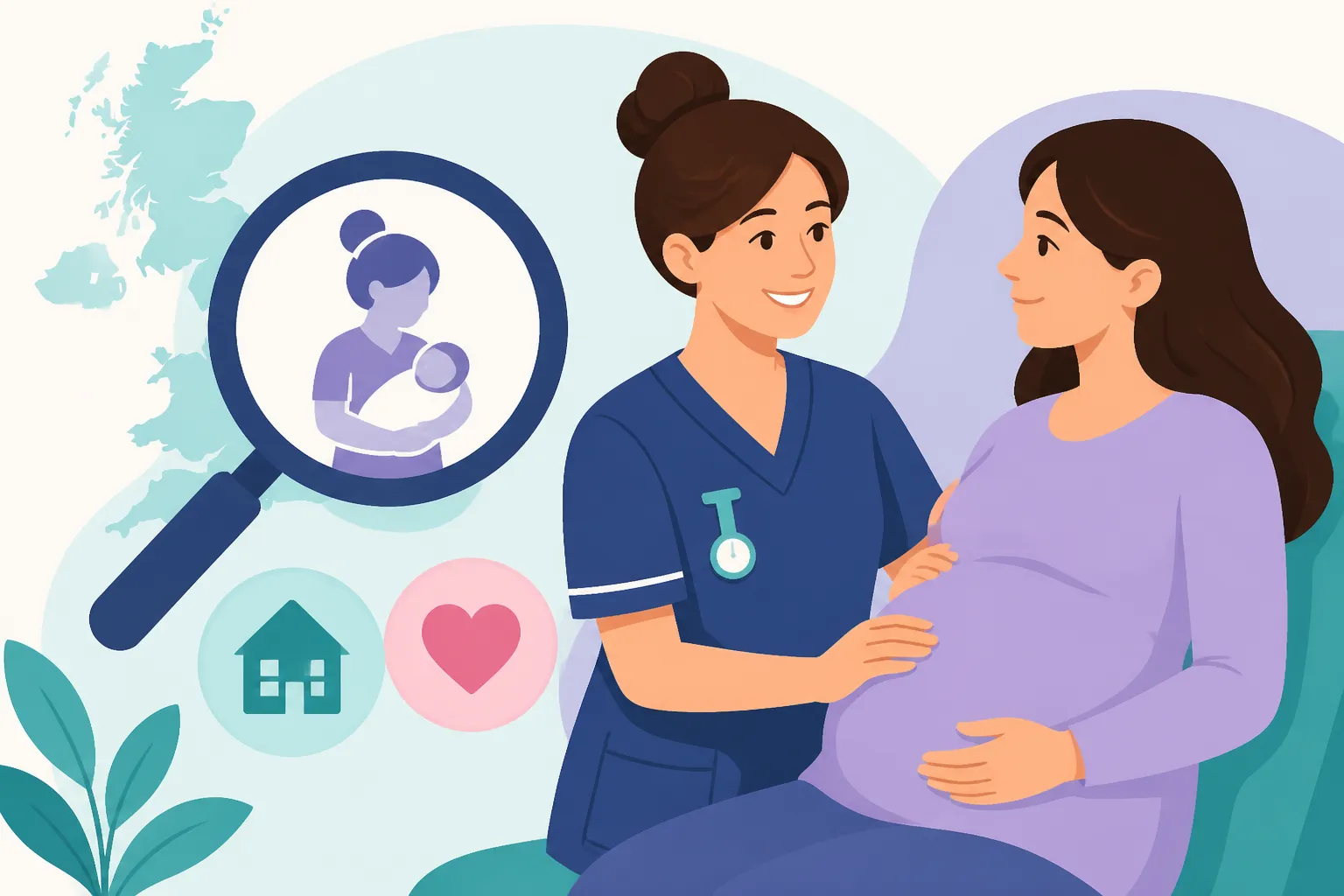
How Do I Find a Midwife on the NHS in the UK?
So, you’ve just found out you’re expecting, and you’re living in the UK as an expat. That initial wave of joy can quickly be overshadowed by a fresh wave of anxiety: how on earth do you navigate the NHS to get the maternity care you need, especially when everything feels so new and different? Trust me, I’ve been there. This guide is here to walk you through exactly how to find a midwife on the NHS, from that first positive test to setting up your antenatal care, stripping away the mystery and giving you the clarity you deserve.
Confirming Your Pregnancy and Initial NHS Access
The moment you get that positive test, your mind probably races with a million questions. For expats, one of the biggest is often: "Now what do I do to get into the healthcare system?" The NHS maternity care pathway is incredibly robust, but knowing where to start can feel like deciphering an ancient scroll. Don’t panic; it’s more straightforward than you might think.
Getting Official Confirmation and Early Advice
Your first port of call doesn't necessarily have to be your GP, although that's certainly an option. In the UK, many local pharmacies offer free or low-cost pregnancy tests and can provide initial advice. They’re a fantastic, accessible resource. If you pop into a local Boots or a smaller independent pharmacy, the pharmacist can often confirm your pregnancy discreetly and suggest the next steps. They can also advise on essential supplements like folic acid and Vitamin D, which are crucial in early pregnancy.
Once you have that confirmation, whether from a home test or a pharmacy, the next logical step is to get the ball rolling with the NHS. While your GP can refer you to a midwife, the system is increasingly designed for direct access to maternity services. This is a huge relief for many, as it means one less hurdle to jump over. Many NHS trusts now prefer what's called 'self-referral', allowing you to contact the midwifery team directly.
Understanding Your Eligibility for NHS Maternity Care
As an expat, a critical piece of the puzzle is understanding your eligibility for free NHS care. Generally, if you are legally resident in the UK and have paid the Immigration Health Surcharge (IHS) as part of your visa application, you are entitled to free NHS services, including comprehensive maternity care. This is a massive benefit and something to be truly grateful for. You can learn more about this in my guide, "How Your Visa and the IHS Affect Your NHS Entitlement in the UK".
However, there can be a grey area if you've only just arrived or your registration isn't fully processed. While emergency care is always available, for non-urgent early scans or if you're experiencing anxiety and need quicker reassurance before your NHS appointment comes through, some expats opt for private options in the very short term. It’s during these interim periods, or if you're waiting for your full NHS registration to be watertight, that having comprehensive expat health insurance can be a real lifesaver. Policies like those from SafetyWing can provide a temporary safety net, potentially covering some early private consultations or urgent concerns while you get settled into the NHS system. They're built with the specific needs of digital nomads and international residents in mind, offering flexibility and broad coverage, which can be invaluable when you're just starting out and might not have full NHS entitlements locked down. If you're still figuring out your residency or waiting for visa paperwork to fully clear, understanding "Understanding Who Is Eligible for Free NHS Care in the UK" is essential.
You'll also want to make sure you're registered with a GP, even if you self-refer for maternity care, as your GP will be important for other aspects of your health. Check out "Registering with a GP in the UK: The Complete Expat Guide (2027)" for a detailed walkthrough.
The NHS Midwifery Model: Your Care Team
Unlike some other countries where your primary point of contact might be an obstetrician from day one, the UK’s NHS places midwives at the absolute heart of routine antenatal, birth, and postnatal care. For most low-risk pregnancies, you might only see a doctor if there’s a specific concern or complication. This midwife-led model is something I personally found incredibly reassuring once I understood it – these women (and men!) are absolute experts in normal pregnancy and birth.
The Central Role of the Midwife
In the UK, your midwife isn't just someone who delivers babies. Oh no, it’s so much more than that. Your midwife is your primary healthcare provider throughout your entire pregnancy journey. They are highly trained professionals who provide comprehensive care, emotional support, and crucial information. From your very first appointment, known as the 'booking appointment', your midwife will:
- Take your detailed medical history.
- Discuss your lifestyle and any concerns you might have.
- Arrange all necessary blood tests and screening scans (like the 12-week dating scan and the 20-week anomaly scan).
- Provide ongoing advice on diet, exercise, medication, and preparing for parenthood.
- Monitor your baby's growth and wellbeing at every antenatal appointment.
- Help you create a birth plan.
- Be there for you during labour and birth.
- Provide essential care and support in the crucial weeks after your baby is born.
It’s an incredibly holistic approach, and once you connect with your team, you'll realise just how vital they are. They are truly your guides through this transformative experience. For a deeper dive, read "Understanding Maternity and Antenatal Care Under the NHS in the UK".
Your Dedicated Midwifery Team and Shared Care
The NHS generally operates on a system of community midwifery. This means you'll usually be allocated a specific midwifery team based on where you live. This team often works out of a local children's centre, a community clinic, or even directly from your GP surgery. The idea is to provide continuity of care, so you get to know a small group of midwives who will support you throughout your pregnancy. While you might not see the exact same midwife at every appointment, you'll become familiar with the team, which fosters a sense of trust and familiarity.
Sometimes, particularly in larger hospitals or for higher-risk pregnancies, you might have a 'shared care' model. This is where your community midwife works in conjunction with a hospital-based team, which could include obstetricians. For instance, if you have a pre-existing medical condition, you might have appointments with both your midwife and a consultant doctor at the hospital. This ensures you receive specialist advice when needed, alongside the ongoing support from your dedicated midwifery team. Don’t be afraid to ask about your specific care pathway at your first appointment. Knowing the difference between your options might help you decide if you ever consider private alternatives, which is explored further in "How to Choose Between NHS and Private Maternity Care in the UK".
Practical Steps to Connect with a Midwife
This is where the rubber meets the road! Knowing how to actually get in touch and secure your first appointment can be the biggest hurdle for new expats. The good news is that most NHS trusts have streamlined this process considerably in recent years, moving away from strict GP-only referrals.
The Easiest Route: Self-Referral
For most uncomplicated pregnancies, self-referral is now the most common and efficient way to access maternity services. This means you don’t need to see your GP first; you can contact your local maternity unit or community midwifery team directly.
Here’s how to do it:
- Identify your local NHS Trust: Your care will be managed by the NHS Trust responsible for the hospitals and health services in your area. If you live in London, for example, you might be under Guy's and St Thomas' NHS Foundation Trust or Chelsea and Westminster Hospital NHS Foundation Trust. If you’re in Manchester, it could be Manchester University NHS Foundation Trust. A quick Google search for "[your city/borough] NHS maternity services" or "[your local hospital] maternity self-referral" should point you in the right direction.
- Look for online self-referral forms: Many NHS Trusts now have dedicated pages on their websites with online self-referral forms. These forms will ask for your personal details, GP information (even if you’re not getting a referral from them, they still need to know who your GP is), your estimated due date, and a brief medical history. It's usually a straightforward questionnaire.
- Phone a direct line: If an online form isn't available, or if you prefer speaking to someone, look for a dedicated maternity helpline or self-referral number on the Trust’s website. These lines are usually staffed by administrative professionals or even midwives who can guide you through the initial registration.
Once you submit your self-referral, you should receive confirmation, often an email or letter, outlining the next steps and when to expect your first appointment. This first appointment, often called the ‘booking appointment’, typically takes place between 8 and 10 weeks of pregnancy.
When a GP Referral Might Still Be Used
While self-referral is increasingly the norm, there are still instances where your GP might be your first port of call, or where their input is particularly valuable.
- You don’t have internet access or struggle with online forms: If you're finding the online process difficult or simply don't have easy access to a computer, your GP surgery can often help. The receptionists can usually provide you with the correct phone number or form, or in some cases, even make the initial contact for you.
- You have a complex medical history: If you have a significant pre-existing medical condition, such as diabetes, severe asthma, or a history of complicated pregnancies, your GP might prefer to make the referral themselves. This allows them to include a detailed letter outlining your medical background, ensuring the midwifery team is fully aware of your needs from the outset.
- You're unsure about your local services: If you’ve just moved to a new area or are feeling overwhelmed by the choices, your GP can be a reliable source of information about the maternity services available in your specific postcode. They can advise you on which hospital or midwifery team covers your address.
Even if your GP doesn't formally 'refer' you in the traditional sense, it's always a good idea to inform them once you know you're pregnant. They’ll want to update your medical records and ensure you're getting the right care. You can always book a standard GP appointment simply to inform them and discuss any initial concerns.
What to Expect at Your First "Booking" Appointment
This is a big one, so be prepared! Your booking appointment is usually the longest appointment you'll have with your midwife, often lasting up to two hours. It’s a comprehensive initial assessment designed to gather all the information needed for your personalised care plan. It typically happens between 8 and 10 weeks of pregnancy, but don't stress if it's a little later – they'll catch you up.
Here’s a snapshot of what generally happens:
- Detailed Health Questionnaire: The midwife will go through an extensive questionnaire covering your medical history, any previous pregnancies, family medical history (on both sides), lifestyle factors (smoking, alcohol, diet), and your general well-being. This is your chance to be completely open and honest.
- Measurements and Checks: They'll measure your height and weight (to calculate your Body Mass Index, or BMI), take your blood pressure, and sometimes check a urine sample for protein or signs of infection.
- Blood Tests: You'll have several blood tests taken. These screen for things like your blood group, iron levels, rubella immunity, syphilis, hepatitis B, HIV, and sometimes other conditions like sickle cell and thalassaemia depending on your ethnic background.
- Discussion about Screening Options: Your midwife will explain the screening tests available for conditions like Down's Syndrome, Edwards' Syndrome, and Patau's Syndrome, and discuss your options for the 12-week dating scan. This is a lot of information, so don't be afraid to ask for clarification.
- Information Sharing: You'll be given a wealth of information about healthy pregnancy, local services, antenatal classes, and where to call if you have urgent concerns. You might also receive your 'red book' (your personal maternity notes), though some trusts are now moving to digital versions.
- Questions, Questions, Questions: This is your opportunity to ask anything and everything that's on your mind. No question is too silly! Write them down beforehand, because pregnancy brain is real.
This appointment lays the foundation for your entire maternity journey, so it’s important to attend and engage fully.
Here's a handy table to summarise the initial steps:
| Step | Who to Contact | Typical Timeline | Key Action |
|---|---|---|---|
| 1. Confirm Pregnancy | Home test, local pharmacy | As soon as you suspect | Purchase a reliable pregnancy test; visit a pharmacy for confirmation/advice. |
| 2. Inform NHS / Self-Refer | Your local NHS Trust's maternity services (online/phone) | From 6 weeks pregnant | Find your local Trust's maternity website, complete the online self-referral form. |
| 3. Inform Your GP | Your registered GP surgery | After self-referral / concurrently | Book a routine GP appointment to inform them and ensure your records are updated. |
| 4. Booking Appointment | Community Midwife | 8-10 weeks pregnant | Attend this comprehensive first appointment; ask all your questions. |
Beyond the Booking: Your Midwifery Journey
Once you’ve had your booking appointment, you’re officially in the system, and your journey with your midwife truly begins. The NHS maternity pathway is structured to provide ongoing support and monitoring, adapting as your pregnancy progresses.
Antenatal Appointments and Scans
Throughout your pregnancy, you’ll have a schedule of antenatal appointments. For a first-time mum with an uncomplicated pregnancy, this usually means around 10 appointments. If you’ve had children before, or if there are any risk factors, you might have more. These appointments become more frequent as you get closer to your due date.
At each appointment, your midwife will:
- Check your urine for protein or glucose.
- Measure your blood pressure.
- Measure your bump (from around 24-28 weeks) to monitor baby’s growth.
- Listen to your baby's heartbeat.
- Discuss any concerns you have and provide advice.
You’ll also have key ultrasound scans. The main ones are the dating scan at 12 weeks (to confirm your due date and check for multiple pregnancies) and the anomaly scan at 20 weeks (a detailed check of baby’s development). These are exciting milestones, offering your first real glimpses of your little one!
Remember, this consistent monitoring is designed to catch any potential issues early. Don't ever hesitate to raise concerns, no matter how small they seem. If you have any questions about medications during this time, you can always consult "Prescriptions and Pharmacies in the UK: The Complete Guide".
Preparing for Labour, Birth, and Beyond
As your pregnancy advances, your midwife will shift focus to preparing you for labour and birth. This includes discussing your birth preferences, exploring pain relief options, and helping you understand the different stages of labour. Many NHS Trusts offer antenatal classes, either virtually or in person, which are fantastic for meeting other expectant parents and getting practical advice. These classes often cover everything from birthing positions to infant feeding and basic baby care.
After your baby arrives, the midwife's role doesn’t end. You'll receive postnatal care, which usually includes home visits in the first few days and weeks after birth. Your midwife will check on your and your baby's health, assist with feeding, monitor healing, and offer emotional support. This period can be incredibly challenging, and having a familiar face check in on you can make a world of difference. Your midwife will then 'discharge' you and your baby into the care of the Health Visitor service, who will continue to support you through the early years of your child's life. This whole process is part of "The Complete Guide to Healthcare in the UK for Expats (2027)".
When you're settling into life with a newborn, perhaps even considering visits from family from abroad, it’s also prudent to consider how any international travel insurance might fit in. While your new baby will be covered by the NHS, if family members are visiting, they would need their own travel insurance, or you might rely on policies like SafetyWing to cover any unexpected medical issues that aren't deemed emergencies but could arise during their stay. Planning ahead for these possibilities takes a load off your mind. For any unexpected urgent issues for your little one, know "Emergency Medical Care in the UK: What Every Expat Needs to Know" is available.
Final Thoughts for Expectant Expats
Navigating pregnancy and childbirth in a new country can feel isolating, and the NHS, while incredible, does have its quirks. The key is to be proactive: get yourself registered, understand your entitlements, and don't be afraid to ask questions. Remember that the midwives are there to support you every step of the way.
It’s worth reiterating that for those times you feel caught between systems, or simply want a bit of extra security for family members visiting, having an expat-friendly insurance provider like SafetyWing in your toolkit can offer invaluable peace of mind. It’s about having a backup for those 'what if' scenarios that naturally crop up when you’re building a new life abroad, especially with a new addition to the family.
Your journey to motherhood in the UK will be unique, but you’re not alone. Reach out to your midwifery team, connect with other expats, and enjoy this incredible, transformative time.
Disclaimer
The information provided in this guide is for general informational purposes only and does not constitute medical, legal, or financial advice. While we strive to provide accurate and up-to-date content, healthcare policies, visa regulations, and financial guidelines in the UK are subject to change. Always consult with qualified professionals, such as healthcare providers, immigration solicitors, or financial advisors, for advice tailored to your specific situation. Reliance on any information in this guide is solely at your own risk.