How Do I Register My Newborn with a GP in the UK?
Bringing a new life into the world is an incredible, albeit slightly terrifying, experience. As an expat in the UK, that joy can often be coupled with a unique layer of administrative anxiety, especially when it comes to figuring out how to get your precious newborn registered with a local GP. Don't worry, I've been there, and this guide is going to walk you through every step, ensuring your baby gets the essential healthcare they deserve without you pulling your hair out.
Why Registering Your Newborn with a GP is Crucial for Expats
When you're a new parent, particularly one navigating a new country, the sheer volume of things to remember can feel overwhelming. Registering your newborn with a General Practitioner (GP) surgery might seem like another item on an endless checklist, but it's genuinely one of the most important first steps you'll take for your baby's health in the UK. It's not just about getting on a list; it’s about opening the door to the fantastic care the National Health Service (NHS) offers, right from day one.
Access to Essential Care: Vaccinations and Check-ups
The UK has a robust system for child health, largely delivered through your local GP surgery and community health teams. Once your baby is registered, they immediately become eligible for the full range of NHS services. This includes crucial developmental check-ups with a GP or practice nurse, which are vital for monitoring growth and catching any potential issues early. These aren't just 'nice-to-haves'; they're a cornerstone of preventive health for children in the UK.
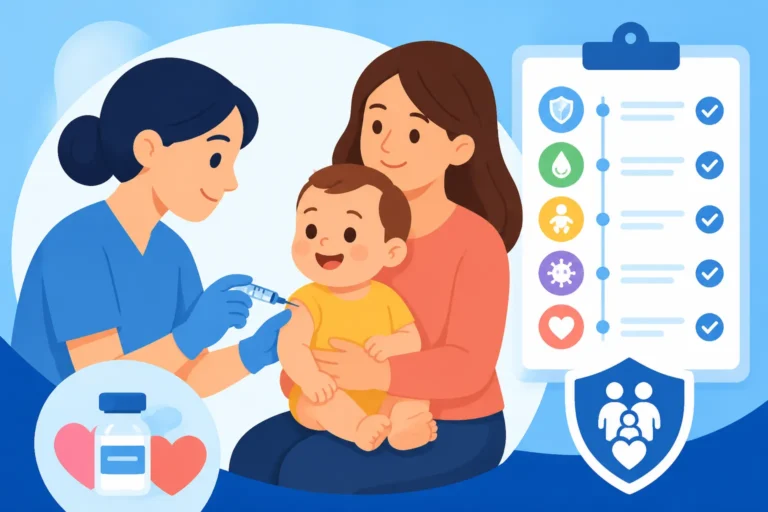
More importantly, registration ensures your baby can receive their routine childhood vaccinations. The UK follows a comprehensive childhood vaccination schedule in the UK, designed to protect them from a whole host of serious diseases like measles, mumps, rubella, and meningitis. Missing these could leave your little one vulnerable, and it can be a real headache to catch up if you delay the initial registration. Think of it as laying the groundwork for a healthy future, all managed seamlessly through your local GP.
Establishing a Medical History Early On
One aspect often overlooked by expat parents is the importance of establishing a continuous medical record for their child. When your baby is registered with a GP, all their health interactions – from birth weight and early checks to vaccinations and any illnesses – are recorded in one central place. This continuity of care is invaluable. If you need to see a different doctor within the practice or move surgeries later, having this comprehensive history means healthcare professionals have a complete picture of your child’s health journey.
This detailed record helps doctors make informed decisions, track your child's development over time, and provide the most appropriate care. For expat parents, who might have their own fragmented medical history from various countries, starting your child’s UK health journey with a clear, cohesive record offers immense peace of mind. It also makes things smoother if, heaven forbid, you ever need to access emergency medical care in the UK; having your baby's GP details and medical history readily available can be incredibly helpful.
Peace of Mind for Anxious New Parents
Let’s be honest, becoming a parent is a journey filled with worry, even more so when you’re far from your usual support networks. Knowing that your baby is officially "in the system" and has access to professional medical advice can alleviate a significant amount of stress. Whether it's a sudden fever, a questionable rash, or just needing reassurance about feeding, your GP surgery is your first port of call. For parents who are still figuring out how the NHS works: public healthcare in the UK explained, this initial registration simplifies a huge part of the process.
Having that safety net means you don't have to scramble during a moment of panic, wondering where to go or who to call. The NHS provides fantastic resources, and your GP practice connects you to them. It’s an essential part of settling into life in the UK with a family, giving you the confidence that your child’s health is in good hands, allowing you to focus on the joys (and inevitable exhaustion!) of new parenthood.
The Step-by-Step Process to Register Your Little One
Navigating bureaucracy with a newborn in tow sounds like a nightmare, right? But registering your baby with a GP in the UK is actually more straightforward than you might expect, especially once you know what documents to arm yourself with. Remember, GP surgeries are well-versed in new baby registrations, so they generally have a process in place.
Gathering Your Documents: What You'll Actually Need
This is often where the expat anxiety kicks in, but let's break it down. To register your newborn with a GP, you'll primarily need proof of their identity and your address. While the exact requirements can vary slightly between practices, here's the typical list:
- Your Baby's Birth Certificate: This is paramount. After your baby is born, you'll need to register their birth with the local register office. They will issue a birth certificate. If you haven't received the official certificate yet, some GP practices might accept the temporary birth registration document issued by the hospital, but having the full birth certificate is ideal.
- Proof of Your Address: You, as the parent, will need to show proof that you live within the GP surgery's catchment area. This could be a utility bill (gas, electricity, water), a bank statement, or a council tax bill. Ensure it's recent, usually within the last three months.
- Your NHS Number (if you have one): While not strictly required for your baby's registration, having your own NHS number can sometimes help speed up the linking of your baby's record to yours. If you're new to the UK, you might still be figuring out how to get an NHS number in the UK, but don't let this delay your baby's registration.
- Your Baby's Red Book (if already issued): This is the "Personal Child Health Record" that should be given to you by your midwife or health visitor soon after birth. It's a physical book where all your child's health and development information will be recorded, and the GP surgery will use it to add details of their initial checks and vaccinations.
It's a good idea to bring your own passport/ID and visa documents too, just in case the surgery needs to verify your identity or your entitlement to NHS care, particularly if you're a recent arrival and still getting settled with the Immigration Health Surcharge (IHS) and NHS access.
Here's a quick checklist for your convenience:
| Document | Purpose | Notes |
|---|---|---|
| Baby's Birth Certificate | Proof of identity and date of birth | Essential; interim documents sometimes accepted if not yet issued. |
| Parent's Proof of Address | To confirm residence within practice catchment area | Utility bill, bank statement, council tax bill (recent). |
| Baby's Red Book | Personal Child Health Record | Issued by midwife/health visitor, used for health records. |
| Parent's Photo ID/Passport | Identity verification and visa status (if applicable) | May be needed to verify eligibility. |
| NHS Number (parent/baby) | Speeds up record linking; not always mandatory for baby | Baby often gets one after registration. |
Finding and Contacting a Local GP Surgery
Before you can register, you need a GP surgery! The easiest way to find one is to use the NHS website's "Find a GP" service. Simply enter your postcode, and it will list all the GP practices near you. Most practices have a defined "catchment area" – meaning you must live within a certain geographical boundary to register with them. It’s always worth checking this on their website or by calling them.
Once you’ve identified a few potential surgeries, give them a call. Explain that you’re an expat parent and you want to register your newborn. Ask them about their specific registration process and what documents they require. Sometimes they'll ask you to come in person to collect a form, other times they might have forms available to download online. They might even offer to post the forms to you. Don't be shy about asking questions; they've heard them all before! For more detailed guidance on finding and registering, you might find our guide on how to find and register with a local GP surgery in the UK helpful.
Completing the Registration Form: Don't Panic!
The registration form itself, usually called a GMS1 form, isn't too daunting. It asks for basic details about your baby – full name, date of birth, place of birth, and gender. It will also ask for your details as the parent, including your full name, date of birth, and current address. If you're already registered with the same practice, they'll likely link your baby's registration to your existing file.
Some practices might have an additional form specifically for new babies or might ask for details about previous healthcare providers if you've recently moved from another country (though this is less common for newborns). Take your time filling it out. If you have any questions, don't hesitate to ask the reception staff. They're usually very helpful and understand that new parents have a lot on their plate. Once completed, you'll hand over the form along with your documents. The surgery will then process the registration, which can take a few days.
What to Expect During the First Visit (New Baby Check)
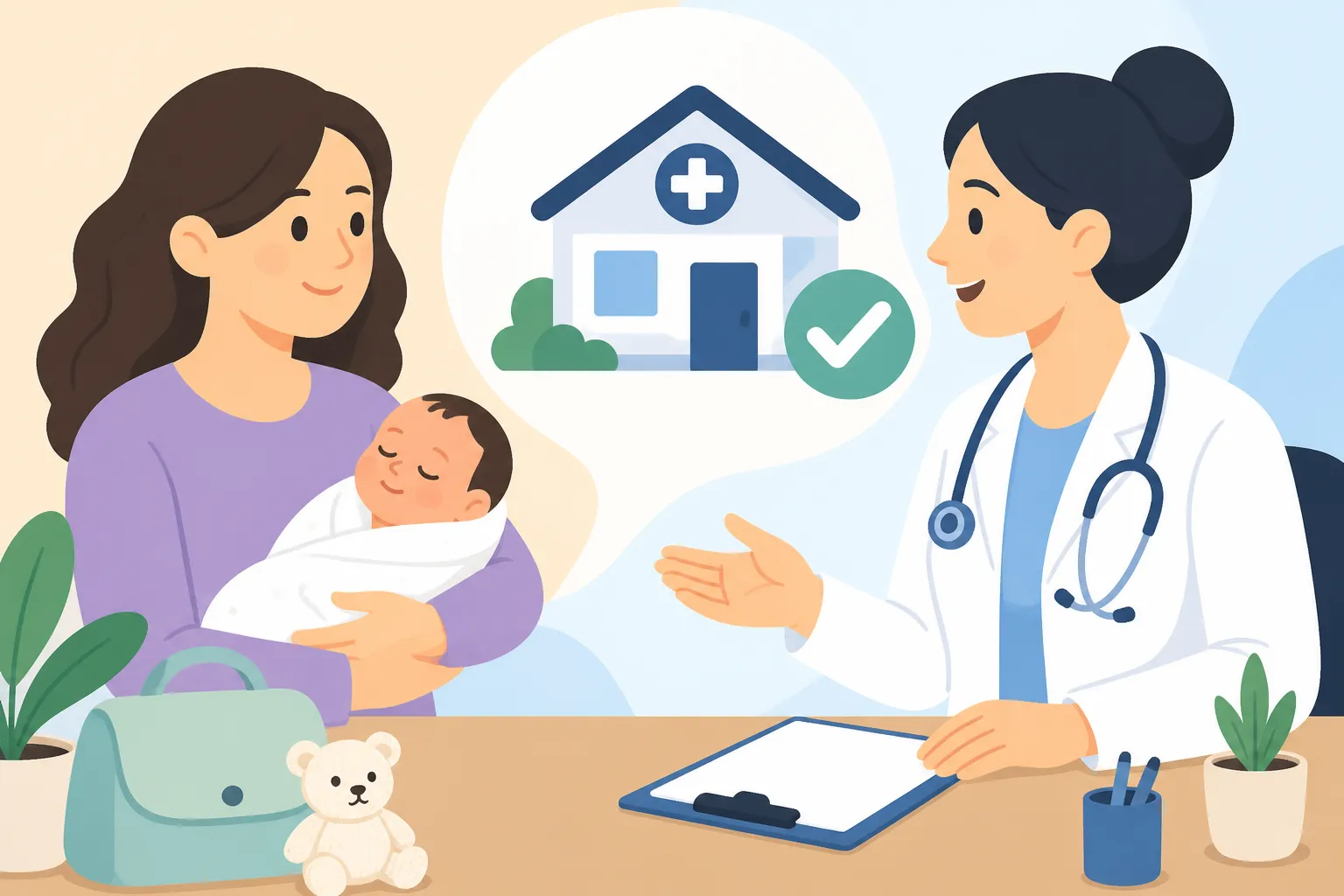
After successful registration, the GP surgery will typically invite you for a "New Baby Check" – often within the first 6-8 weeks of your baby's life. This is a crucial appointment where a GP will perform a thorough physical examination of your baby, checking their heart, hips, eyes, and general development. This check is usually done in conjunction with the first set of routine immunisations.
This first visit is a great opportunity to ask any questions you have about your baby's health or development. Don't feel silly asking about seemingly small things; new parents always have questions! The GP or practice nurse will also discuss the upcoming vaccination schedule with you. This appointment is often your first direct interaction with the GP system for your baby, setting the tone for their ongoing care. It's perfectly normal to feel a bit nervous, but remember they are there to help and support you.
What Happens After Registration: Your Baby's First Health Journey
So, you’ve done it! Your little one is officially registered with a GP. This is a massive relief, but it’s just the beginning of their journey through the UK’s comprehensive child health services. The system here is designed to offer continuous support and monitoring, particularly in the crucial early years.
Your Baby's Red Book and Health Visitor
Almost immediately after birth, your midwife or hospital will give you a "Red Book" – officially known as the Personal Child Health Record. This little red passport for your baby's health is incredibly important. It's where all the details of your baby’s growth (weight, height), developmental milestones, and immunisations will be recorded. Your GP, practice nurse, and crucially, your Health Visitor, will use this book.
Health Visitors are qualified nurses or midwives with specialist training in child and family health. They play a pivotal role in supporting new parents. After your baby is discharged from hospital, a Health Visitor will usually contact you for an initial home visit. They’ll offer advice on feeding, sleep, development, and parental wellbeing, and will track your baby’s progress using the Red Book. They are often your most regular point of contact outside of specific GP appointments, and they are a fantastic resource for any expat parent trying to find their footing in a new country with a new baby. They can also connect you with local services and support groups, which can be a lifeline for many.
Immunisation Schedule: Navigating the Jabs
One of the primary reasons for early GP registration is to ensure your baby receives their scheduled immunisations on time. The UK has a robust understanding childhood vaccination schedules in the UK designed to protect children from a range of serious diseases. These vaccinations are usually given at specific ages, starting from 8 weeks old, then 12 weeks, 16 weeks, and so on.
Your GP practice will send you invitations for these appointments, and your Health Visitor will also remind you. It's crucial to attend these appointments to keep your baby protected. The practice nurse usually administers the vaccinations, and they are very experienced in handling anxious babies (and parents!). They'll talk you through what to expect, potential side effects, and how to care for your baby afterwards. While seeing your little one get jabs is never fun, knowing they're protected against preventable diseases offers huge peace of mind.
Accessing Emergency Care (NHS 111, A&E)
While your GP surgery is your first port of call for routine appointments and non-urgent concerns, sometimes you need help quickly. Knowing how to access emergency and urgent care for your baby is essential.
For non-life-threatening but urgent medical concerns, you can call NHS 111. This free helpline (dial 111 from any phone) is available 24/7. Trained advisors will assess your baby's symptoms and direct you to the most appropriate service, which could be an out-of-hours GP, a local pharmacy, an urgent treatment centre, or even advise you to go to A&E (Accident & Emergency). For severe, life-threatening emergencies, you must call 999 immediately for an ambulance. Understanding NHS 111 and when to use it in the UK is a key piece of knowledge for any expat parent.
It's reassuring to know that even if your baby isn't fully registered with a GP yet, they will still receive emergency care if needed. However, having a registered GP means their medical history is accessible, which can significantly aid the emergency services in providing the best care.
Common Challenges and Practical Tips for Expat Parents
Even with a clear guide, navigating a new country's healthcare system with a newborn can throw up unexpected hurdles. Many expats face many of these challenges, and it's important to acknowledge that it's okay to find it tough.
Dealing with Language Barriers or Cultural Differences
One of the most common challenges for expat parents is dealing with potential language barriers or cultural differences in healthcare. While most NHS staff speak English, medical terminology can be complex, and nuances can be missed. Don’t hesitate to ask for clarification, or if possible, bring a friend or partner who is fluent in English to appointments. Some larger GP surgeries may even have access to translation services.
Culturally, the approach to healthcare and parenting advice might also differ from what you’re used to. For instance, the emphasis on routine vaccinations and the role of the Health Visitor might be more pronounced here. Try to keep an open mind and ask questions if something doesn't align with your previous experiences or expectations. Most healthcare professionals appreciate it when you’re actively engaged in understanding your child’s care. Remember, you’re not alone; there are many expat support groups where you can share experiences and get advice from others who have gone through similar situations.
Navigating the System as a New Arrival
If you’re a very recent arrival, the entire UK healthcare system can feel like a labyrinth. You might still be in temporary accommodation, or perhaps your own how to register with an NHS GP after moving to the UK registration is still pending. Don't let this deter you from registering your baby. Generally, a newborn residing in the UK is entitled to NHS care regardless of the parents' specific visa status, as long as they are habitually resident.
The Immigration Health Surcharge (IHS) that many visa holders pay grants access to the NHS, and this typically extends to dependants, including newborns. The key is proving habitual residence and registering with a GP. If you’re having trouble due to lack of a fixed address, explain your situation to the GP surgery. They might be able to offer advice or flexibility, especially as a newborn's health is a priority. Keep all your documentation organised, including your visa and proof of IHS payment, as these might be requested.
Considering Private Options for Added Peace of Mind
While the NHS is fantastic and comprehensive, some expat parents find themselves seeking additional reassurance or faster access to certain services, particularly if they are used to private healthcare in their home country. This is where private health insurance can come into play. Companies like SafetyWing offer comprehensive travel and health insurance that can cover you and your family, potentially bridging gaps or offering quicker access to specialist appointments, although it's crucial to check their specific maternity and newborn coverage.
Private healthcare can offer benefits like shorter waiting times for non-urgent consultations or access to specific specialists without a lengthy NHS referral process. However, it's a personal choice, and it's worth understanding the NHS vs Private Healthcare in the UK: Which Should Expats Choose? and weighing the pros and cons carefully. The NHS will always be there for your baby's essential care and emergencies, but private options can complement this. For comprehensive options, exploring different health insurance in the UK: private cover and options explained can be beneficial.
Advocating for Your Child's Health
Ultimately, you are your child's primary advocate. If you have concerns, speak up. If you don't understand something, ask until you do. New parents, especially expats, can sometimes feel intimidated by medical professionals or the perceived complexity of the system. But remember, healthcare providers are there to help you.
Don't hesitate to book follow-up appointments if you're still worried, or seek a second opinion if you feel it's necessary. Keeping a personal log of your baby's symptoms, feeding, and sleep patterns can be really helpful when discussing concerns with a GP or Health Visitor. Being proactive and informed is the best way to ensure your newborn receives the best possible care in the UK. This journey of navigating the UK healthcare system: an expat's roadmap is continuous, and your active participation is key.
Disclaimer
The information provided in this guide is for general informational purposes only and does not constitute medical, legal, or professional advice. While we strive to keep the information up-to-date and accurate, healthcare policies and requirements in the UK can change. Always consult with a qualified healthcare professional or legal expert for advice tailored to your specific situation.