How Much Does Cancer Treatment Cost Privately in the UK?
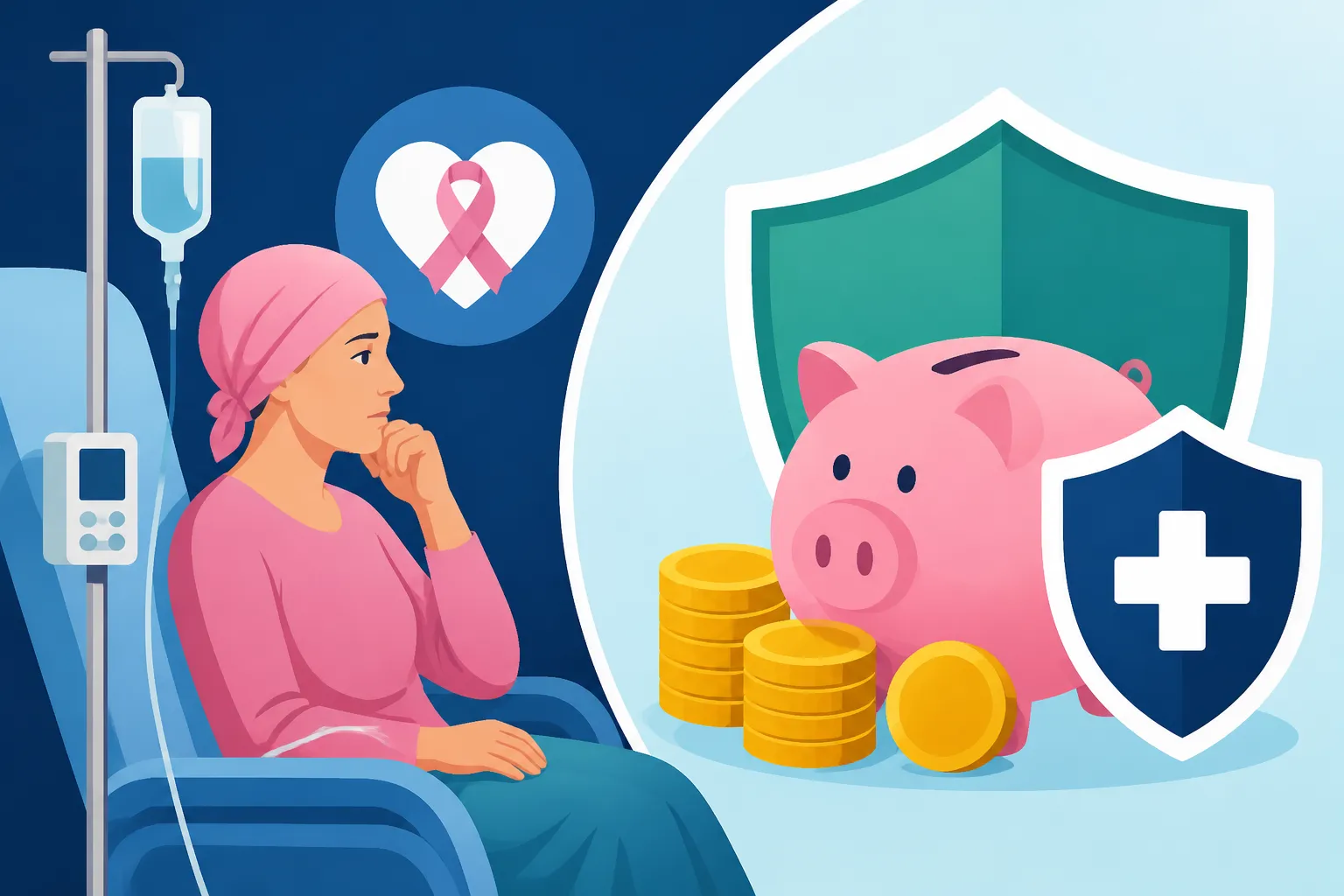
The thought of a cancer diagnosis is terrifying enough, but for expats living in the UK, the added layer of navigating an unfamiliar healthcare system and the potential costs of treatment can feel utterly overwhelming. We've all been there, wondering how the pieces fit together, especially when faced with something as serious as cancer. This guide aims to pull back the curtain on the private costs associated with cancer treatment in the UK, offering you a realistic, no-fluff look at what to expect if you choose or need to go down the private route.
The Financial Reality of Private Cancer Treatment in the UK
Let's be brutally honest: private cancer treatment in the UK is expensive. Very expensive. It's not just a matter of a few extra quid for a nicer room; we're talking about figures that can quickly climb into the tens and even hundreds of thousands of pounds. This isn't meant to scare you, but to prepare you for the reality. When you're making decisions about your health, especially something as life-altering as cancer, understanding the financial implications upfront is absolutely crucial. The cost varies enormously depending on the type of cancer, its stage, the specific treatments required, the duration of those treatments, and even the hospital and consultants you choose.
Initial Consultations and Diagnostic Tests
Before any treatment can begin, there's the critical phase of diagnosis. This often starts with a consultation with a private specialist. While a single consultation might cost anywhere from £200 to £500, this is just the tip of the iceberg. The real costs kick in with the necessary diagnostic tests. We’re talking about a battery of scans, biopsies, and blood work that are essential for an accurate diagnosis and staging.
For instance, an MRI scan, which is often crucial for detecting and staging many cancers, could set you back between £400 and £1,500 privately, depending on the body part and complexity. Similarly, a CT scan might range from £300 to £1,000. A PET-CT scan, which provides even more detailed information, can be significantly more, often starting at £1,500 and going up to £3,000 or more. Biopsies, where tissue samples are taken and analysed, will involve consultant fees, pathology lab fees, and potentially anaesthesia, easily totalling £500 to £2,000 or more depending on the procedure's invasiveness. You can see how quickly these initial steps alone can rack up several thousands of pounds before a single treatment decision has even been made.
Treatment Plans: Surgery, Chemotherapy, Radiotherapy, and Immunotherapy
Once a diagnosis is confirmed, a comprehensive treatment plan is developed, often involving a combination of therapies. Each of these comes with a substantial price tag when going private.
-
Surgery: Surgical intervention for cancer can range from minimally invasive procedures to complex, multi-stage operations. The cost is determined by the complexity of the surgery, the length of hospital stay required, the consultant surgeon's fees, anaesthetist fees, and theatre charges. A relatively straightforward removal of a small tumour might cost £5,000 to £15,000. However, for more intricate procedures, like a bowel resection or complex breast surgery with reconstruction, you could easily be looking at figures from £20,000 to £50,000 or even higher. Major surgeries involving extensive reconstruction or organ removal can even exceed £100,000.
-
Chemotherapy: This is a systemic treatment often given in cycles over several months or even years. The cost per cycle depends heavily on the specific drugs used, which can be incredibly expensive, especially for newer, targeted therapies. A single chemotherapy session can cost anywhere from £1,000 to £5,000, and a full course might involve 6-8 cycles or more. Therefore, a complete chemotherapy regimen could easily cost £10,000 to £40,000, and sometimes much higher if newer, premium drugs are involved. This doesn't include the cost of anti-sickness medication, blood tests, or other supportive care.
-
Radiotherapy: This treatment uses high-energy rays to destroy cancer cells. Like chemotherapy, it's typically administered in multiple sessions (fractions). A standard course of radiotherapy might involve 15-30 sessions. The total cost for a course of radiotherapy can vary from £5,000 to £25,000, depending on the type of radiation (e.g., standard external beam, intensity-modulated radiation therapy (IMRT), stereotactic ablative radiotherapy (SABR), or proton beam therapy), the number of sessions, and the area being treated. More advanced and precise techniques naturally come with a higher price.
-
Immunotherapy and Targeted Therapies: These are often cutting-edge treatments that can be remarkably effective but also come with a premium price. Many of these drugs are biologic agents and are among the most expensive medications available. A course of immunotherapy or targeted therapy can range from £5,000 to £15,000 per month and may continue for many months or even years. This means the total cost could easily hit £60,000 to £180,000 or more for a full treatment duration, making them potentially the most financially demanding aspect of private cancer care.
Here’s a simplified table to give you a rough idea of the range of costs you might encounter privately:
| Treatment Stage/Type | Estimated Private Cost (GBP) | Notes |
|---|---|---|
| Initial Consultation | £200 – £500 | Per specialist visit. |
| MRI Scan | £400 – £1,500 | Per scan, depends on body area and complexity. |
| CT Scan | £300 – £1,000 | Per scan. |
| PET-CT Scan | £1,500 – £3,000+ | Per scan, more comprehensive. |
| Biopsy | £500 – £2,000+ | Includes consultant, lab fees, potentially anaesthesia. |
| Total Diagnostics | £2,900 – £8,000+ | Very rough estimate, can vary hugely. |
| Minor Surgery | £5,000 – £15,000 | E.g., small tumour removal. |
| Major Surgery | £20,000 – £100,000+ | E.g., organ resection, complex reconstruction. |
| Chemotherapy (per cycle) | £1,000 – £5,000+ | Total course could be £10,000 – £40,000+. |
| Radiotherapy (full course) | £5,000 – £25,000+ | Depends on type, number of sessions. |
| Immunotherapy/Targeted Therapy | £5,000 – £15,000+ (per month) | Can continue for months/years, leading to very high overall costs. |
Please remember these are general estimates and actual costs will vary significantly based on individual circumstances, hospital, consultant, and the specific drugs/techniques used.
Ongoing Care, Medications, and Aftercare
The journey doesn't end with primary treatment. Cancer care involves extensive ongoing support and aftercare. This includes regular follow-up consultations with your oncologist, which again cost £200-£500 per visit. Surveillance scans and blood tests will be needed to monitor for recurrence, adding hundreds or thousands of pounds annually.
Medications outside of the main chemotherapy or immunotherapy drugs – such as pain management, anti-nausea drugs, or hormonal therapies – will also contribute to the cost. While many prescribed medications in the UK have a standard NHS prescription charge, private prescriptions will be priced at the full retail cost of the drug, which can range from a few pounds to hundreds or even thousands for certain specialised medications. Physiotherapy, psychological support, and nutritional advice, if not covered by your main treatment package, are additional expenses that quickly add up. For some, even specialist wigs after chemotherapy or prosthetic limbs following surgery can be significant costs not always fully covered.
NHS vs. Private: A Crucial Comparison for Cancer Care
When facing a cancer diagnosis in the UK, understanding the fundamental differences between the National Health Service (NHS) and private healthcare is paramount. It’s not just about speed; it’s about scope, cost, and the peace of mind that comes with knowing your options. As an expat, you might find the nuances particularly challenging to grasp, especially if your home country's system operates differently. Many expats ask, "Is Healthcare Free in the UK for Expats?", and the answer, for many, is yes, thanks to the Immigration Health Surcharge.
The Comprehensive Reach of the NHS
The NHS, funded by general taxation and National Insurance contributions, aims to provide comprehensive healthcare to all eligible residents, free at the point of use. This absolutely includes cancer treatment. If you have paid the Immigration Health Surcharge (IHS) as part of your visa application, you are entitled to use the NHS just like a permanent resident. For many, this is a huge relief, knowing that potentially life-saving treatment won't be denied due to inability to pay. You can learn more about how the IHS affects your entitlement in this guide: Understanding the Immigration Health Surcharge (IHS) and NHS Access (2027).
The NHS offers the full spectrum of cancer care, from diagnosis and treatment (surgery, chemotherapy, radiotherapy, immunotherapy) to palliative care and long-term follow-up. It has world-renowned specialists and state-of-the-art equipment. The biggest challenge with the NHS, however, often lies in waiting times. While urgent cancer referrals have strict targets, non-urgent diagnostics or consultations with specialists can involve delays, especially for certain types of cancer or in areas with high demand. These waiting times, though clinically managed, can cause significant anxiety and may prompt some to explore private options.
The Advantages (and Disadvantages) of Going Private
So, why would anyone consider going private given the astronomical costs? For many, it boils down to a desire for greater control, speed, and comfort.
Advantages of Private Cancer Treatment:
- Reduced Waiting Times: This is often the primary motivator. Private healthcare can typically offer faster access to specialist consultations, diagnostic tests, and the commencement of treatment. For cancer, where early diagnosis and treatment can be critical, this speed can feel invaluable.
- Choice of Consultant and Hospital: With private care, you often have the ability to choose your specific consultant and, to some extent, the hospital where you receive treatment. This allows you to research and select a specialist with particular expertise in your type of cancer. For guidance, check out How to Use Private Hospitals Like Bupa, Spire and Nuffield in the UK.
- Enhanced Comfort and Privacy: Private hospitals generally offer private rooms with en-suite facilities, more flexible visiting hours, and a higher staff-to-patient ratio. This can significantly improve the patient experience during what is an incredibly challenging time.
- Access to Specific Drugs or Technologies: While the NHS generally adopts new treatments quickly, there can sometimes be delays or restrictions based on NICE (National Institute for Health and Care Excellence) guidelines. Private care may offer quicker access to some newer drugs or advanced technologies that are not yet widely available or funded by the NHS for your specific condition.
Disadvantages of Private Cancer Treatment:
- Exorbitant Costs: As detailed above, the financial burden is immense. Without robust private health insurance, very few individuals can afford the full cost of comprehensive cancer treatment out-of-pocket.
- Complexity and Fragmentation: While private care offers choice, it can sometimes feel more fragmented than the NHS, where all aspects of your care are typically coordinated within one system. You might have to manage referrals between different private specialists yourself, although many private hospitals offer multidisciplinary team approaches too.
- Potential for Over-investigation: While rare, there's a theoretical risk of unnecessary tests or treatments in a fee-for-service model, though reputable private providers adhere to strict ethical guidelines.
- "What if it runs out?" Fear: If self-funding, the constant worry about running out of money before treatment is complete can add immense stress. Even with insurance, there might be limits or exclusions to contend with.
Ultimately, the decision between NHS and private care is a deeply personal one, influenced by financial situation, urgency, type of cancer, and personal preferences. For a broader perspective on the two systems, you might find this guide helpful: NHS vs Private Healthcare in the UK: Which Should Expats Choose?
Funding Your Private Cancer Treatment Journey
Given the eye-watering costs, how do people actually pay for private cancer treatment in the UK? For most, it comes down to a combination of private health insurance or substantial self-funding. The good news is, for expats living here, there are pathways to access private care, but they require careful planning and understanding of the financial landscape.
Navigating Private Health Insurance
For many expats, private health insurance is the most practical way to cover the costs of private cancer treatment. However, it's not as simple as just buying a policy when you arrive. You can dive deeper into the nuances of cover in this post about Health Insurance in the UK: Private Cover and Options Explained.
-
Pre-existing Conditions: This is the biggest hurdle. Most private health insurance policies in the UK, whether from providers like Bupa, AXA, or Vitality, will not cover pre-existing conditions. If you have any health issues, even minor ones, that existed before you took out the policy, they are typically excluded. For cancer, this means if you've ever had a cancer diagnosis, or even symptoms that led to investigations before your policy started, treatment for that cancer would almost certainly be excluded. This is a critical point that many expats overlook. This is why Understanding Private Health Insurance Plans in the UK is so important.
-
Waiting Periods: Even for new conditions, policies often have initial waiting periods before you can claim for certain treatments, particularly for more complex or chronic illnesses. Ensure you understand these terms.
-
Coverage Levels: Policies come in various tiers. Basic policies might cover inpatient care only, while more comprehensive plans will include outpatient consultations, diagnostic tests, and even some therapies. You need to ensure your chosen policy offers robust cancer cover, including chemotherapy, radiotherapy, and newer immunotherapies, which can sometimes be excluded or have specific limits. Some policies might also have caps on the total amount they will pay out for cancer treatment in a lifetime or per year.
-
International Health Insurance: If you're an expat who travels frequently or plans to eventually move to another country, an international health insurance provider might be an option. Companies like SafetyWing offer plans designed for digital nomads and expats, which can sometimes provide coverage across multiple countries. However, like domestic policies, they will have strict rules around pre-existing conditions and often have high excesses (deductibles) for serious illnesses like cancer. Always read the fine print regarding cancer coverage, geographical limits, and exclusions before committing. Can I Use International Health Insurance at UK Hospitals? delves into this topic.
-
Company Schemes: Many employers in the UK offer private health insurance as a benefit. If you're working, check if your company offers this, as it can be a fantastic perk. These schemes sometimes have more generous terms regarding pre-existing conditions or offer broader coverage.
The best time to get private health insurance is when you are young and healthy, before any potential health issues arise. If you wait until you have symptoms or a diagnosis, it will almost certainly be too late for insurance to cover that specific condition. For those wondering how much it might set them back, there's a guide for that too: How Much Does Private Health Insurance Cost in the UK in 2026?
Self-Funding and Financial Planning
For those without private health insurance, or whose insurance doesn't cover their specific cancer, self-funding is the only other option for private treatment. This requires significant financial resources.
- Savings and Investments: Many individuals deplete their life savings, sell assets, or take out loans to cover the costs. This is a tough reality, and it underscores the importance of financial planning if you anticipate needing private care.
- Payment Plans: Some private hospitals may offer payment plans for certain treatments, but they generally require a significant upfront payment and strict adherence to schedules.
- Charitable Assistance: While less common for the full cost of primary cancer treatment, some charities might offer grants or support for specific aspects of care, such as travel, accommodation, or complementary therapies. This is usually a supplementary form of assistance rather than covering the core treatment itself.
- Clinical Trials: Sometimes, access to cutting-edge treatments can be found through participation in clinical trials, which are typically free of charge. These are usually run by the NHS or research institutions, and while not a private "payment" option, they can provide access to innovative therapies.
Facing a cancer diagnosis is emotionally and physically draining enough without the added stress of financial strain. For this reason, many expats ultimately choose to rely on the NHS, knowing that while there might be waiting lists, the quality of care is high, and the financial burden is removed. It's truly a complex decision, and one that highlights the immense value of the NHS as a backbone of the UK's healthcare system. If you're considering the overall picture of medical costs, check out The Cost of Healthcare in the UK: A Complete Breakdown for Foreigners (2026).
Making Informed Decisions in a Time of Crisis
When a cancer diagnosis hits, whether for you or a loved one, it feels like the world stops. The barrage of information, medical jargon, and difficult choices can be utterly overwhelming, especially when you’re navigating it in a foreign country. As an expat, you might feel particularly vulnerable, far from your usual support networks. Taking a breath and making informed decisions is crucial, even when every fiber of your being screams for immediate action. Remember, you have rights and options, and understanding them empowers you.
Seeking Second Opinions and Multi-Disciplinary Team Advice
One of the greatest benefits of the UK healthcare system, whether NHS or private, is the emphasis on multi-disciplinary teams (MDTs). Cancer care decisions are rarely made by a single doctor. Instead, a team of specialists – including oncologists, surgeons, radiologists, pathologists, and specialist nurses – review your case and collectively decide on the best course of action.
If you are going privately, or even through the NHS, you are absolutely within your rights to seek a second opinion. This isn't about distrusting your doctor; it's about gaining peace of mind and ensuring all possible options have been considered. A second opinion, particularly for complex or rare cancers, can confirm a diagnosis, suggest alternative treatment pathways, or simply provide reassurance. If you're pursuing private treatment, securing a second private opinion will mean additional consultation fees and potentially new diagnostic scans, adding to the overall cost. However, for a life-threatening illness, this investment can be invaluable. Some private health insurance policies, including certain international plans like those from SafetyWing, might cover a second opinion consultation, so always check your policy details.
When seeking a second opinion, ensure you have access to all your medical records, scan results, and pathology reports. This will allow the new consultant to review your case thoroughly without needing to repeat expensive tests, saving both time and money.
Asking the Right Questions to Your Healthcare Provider
When discussing treatment plans, whether private or NHS, it's essential to ask thorough questions. Don't be afraid to challenge, clarify, and understand every aspect of your care. This is your health, and you are your own best advocate.
Here are some crucial questions to consider:
- What is the exact diagnosis and stage of the cancer? Understand the specifics, not just the general type.
- What are all the available treatment options, both NHS and private, for my specific situation? Ask about pros, cons, success rates, and potential side effects for each.
- What is the recommended treatment plan, and why? Understand the rationale behind the chosen path.
- What is the estimated cost of each component of the private treatment plan? Ask for a detailed breakdown of consultant fees, hospital charges, drug costs, and potential hidden extras.
- How long is the treatment expected to last, and what does the aftercare look like? Understand the full timeline and commitment.
- What are the potential complications or risks of the treatment?
- What is the prognosis with and without treatment?
- Will I have a dedicated cancer nurse specialist or case manager? This person can be an invaluable point of contact for questions and support.
- How will my care be coordinated, especially if multiple specialists or different hospitals are involved?
- What are the payment terms if I am self-funding? Do they offer a package price or pay-as-you-go?
Taking notes during these consultations, or bringing a trusted friend or family member, can be incredibly helpful. Navigating the UK healthcare system, whether public or private, requires patience and persistence. Arm yourself with information, understand your rights, and never hesitate to ask for clarification. Your health journey is a marathon, not a sprint, and being well-informed is your strongest asset. If you are just starting your healthcare journey in the UK, understanding The Complete Guide to Healthcare in the UK for Expats (2027) is a vital first step.
Disclaimer
The information provided in this guide is for general informational purposes only and does not constitute medical, financial, or legal advice. While we strive to provide accurate and up-to-date information, costs and policies can change rapidly. Always consult with qualified medical professionals, financial advisors, and immigration experts for advice tailored to your specific situation. Reliance on any information in this guide is solely at your own risk.