How to Open a Bank Account at a UK Bank as a Newcomer
Alright, let's be honest, arriving in the UK is exhilarating, but the sheer joy can quickly get sidelined by the baffling maze of bureaucracy. One of the absolute first things you need to sort out, after landing and maybe grabbing a cuppa, is getting a bank account. But for many newcomers, this isn't just a simple chore; it's a frustrating, cyclical nightmare of needing an address to get a bank account, and needing a bank account to prove your address. This guide is here to untangle that knot, offering a realistic, step-by-step roadmap to opening a bank account as a fresh-off-the-boat expat in the UK.
The Initial Hurdle: Why Opening a UK Bank Account Feels Like Pulling Teeth
When you first arrive in the UK, full of hope and ready to embrace your new life, the banking system can hit you like a cold, damp January morning. It's an unspoken rite of passage for many expats to experience the sheer frustration of trying to open a basic current account. You walk into a bank, armed with your passport and maybe a visa, only to be met with a polite but firm "Do you have proof of address?" It's at this point that the realisation dawns: you don't. And how can you, when you've just arrived, probably staying in temporary accommodation, and haven't had a chance to set up any utilities or even get a mobile phone contract?
This isn't just an anecdotal gripe; it's a systemic challenge. UK banks, quite rightly, have stringent anti-money laundering regulations and "Know Your Customer" (KYC) policies. They need to verify who you are and where you live to prevent fraud and financial crime. However, these robust systems, while necessary, weren't exactly designed with the fluid reality of international relocation in mind. For a long-term resident, popping into a branch with a utility bill or a council tax statement is no big deal. For you, the newcomer, it feels like you're being asked to pull a rabbit out of a hat, when you haven't even bought the hat yet.
The Catch-22 of Proof of Address
The "proof of address" dilemma is probably the single biggest headache for expats. You need an official document that links your name to a physical UK residential address. But think about it: if you've just landed, what do you have? Maybe a letter from your employer, if you're lucky. A tenancy agreement, if you've secured long-term accommodation before arriving (which is a feat in itself!). But often, you're in an Airbnb, a hotel, or staying with friends, none of which will typically generate the formal documents banks accept.
The absurdity of it all is that you need a bank account to pay bills, get paid, and generally exist financially in the UK, but you can't get one until you've already established a financial footprint. It's a classic chicken-and-egg situation that leaves many newcomers feeling helpless and frankly, a bit annoyed. Banks will list acceptable documents, which almost always include recent utility bills, council tax statements, or government letters – things you won't have for weeks, if not months. This hurdle can delay everything else, from getting paid to setting up other essential services. It’s a moment where you truly feel like an outsider, navigating a system that wasn’t built with your journey in mind.
Understanding UK Bank Requirements as a Newcomer
Beyond the immediate proof of address issue, UK banks have a few other standard requirements you need to be aware of. First and foremost, identity verification is paramount. This will usually involve your passport and your valid UK visa or Biometric Residence Permit (BRP) if you're from outside the European Economic Area (EEA) and Switzerland. They'll need to see the originals, not copies. Secondly, they'll want to understand your residency status and the purpose of your account. This is usually straightforward, but sometimes the questions can feel intrusive.
Some banks might also ask for your National Insurance (NI) number, though technically this isn't always a strict requirement for opening a basic account, especially if you haven't started working yet. However, it's something you'll definitely need eventually for employment and taxes. You can learn more about How to Get a National Insurance Number in the UK. Lastly, many banks have a minimum deposit requirement to activate the account, usually a small sum. Understanding these underlying demands before you even step into a branch or click "apply online" can help you manage your expectations and prepare better.
Traditional High Street Banks: The Old Guard
When most people think of banking, they picture the familiar high street branches. These are the household names you see in every town and city across the UK, with physical locations and a long history. For some, the idea of walking into a branch and speaking to a human being feels more secure and trustworthy, especially when navigating complex expat finances. However, it's here that the 'proof of address' hurdle often feels most insurmountable for newcomers.
These banks operate on well-established protocols, and while they are slowly adapting, their systems can sometimes feel rigid. They value tangible documentation and a clear-cut financial history within the UK. While a traditional bank account offers a full suite of services, from current accounts to mortgages and investments, getting that initial foot in the door can be a test of patience and resourcefulness. It's like trying to get into an exclusive club – you need to know the right people or have the right credentials, and as a newcomer, you often have neither.
Popular High Street Banks and Their Offerings
The UK high street is dominated by a few major players: Barclays, Lloyds Bank, HSBC, NatWest (part of the RBS Group), and Santander. Each has a slightly different approach, but their core offerings for personal banking are broadly similar. They all provide current accounts for day-to-day spending, savings accounts, credit cards (once you've built up a credit history, which is another expat challenge!), and often offer specific "new to the UK" or "international" accounts.
For instance, HSBC has long been known for its global presence and often has an "Expat" or "International" banking service that might make it easier to transfer existing relationships from overseas. Barclays also has an international banking arm. Lloyds Bank and NatWest are very much entrenched in the domestic market, but still cater to a diverse clientele. Santander, with its European roots, might also resonate with some continental European expats. It's worth looking into their specific "international" offerings, as these are sometimes more lenient with initial proof of address, particularly if you have an existing account with them in another country. These accounts might come with higher fees or specific conditions, so always read the small print.
The Application Process with Traditional Banks
Applying for an account with a traditional bank typically involves either visiting a branch in person or, increasingly, starting the process online. If you choose the in-branch route, you'll need to book an appointment, often a few days or a week in advance, especially in busy city centres like London, Manchester, or Birmingham. At the appointment, you'll present your identity documents (passport, visa/BRP), and this is where the proof of address conversation usually begins. Be prepared for a detailed discussion about your circumstances.
If you opt for an online application, some banks might allow you to submit documents electronically, but many will still require an in-person visit for final verification. The online forms can be quite lengthy, asking for details about your income, employment status, and financial history. Even if you start online, don't be surprised if they request further documentation or an interview. The key is to be as prepared as possible with every piece of identification and address proof you can muster. Sometimes, a letter from your employer on company letterhead confirming your UK address and employment can be a lifesaver here, even if it's not on their official list.
Advantages and Disadvantages of High Street Banking
Traditional high street banks come with a few distinct advantages. Firstly, the physical presence offers reassurance. You can walk into a branch, speak to staff face-to-face, and often resolve issues directly. This can be invaluable when you're grappling with a new country's financial system. Secondly, they typically offer a wider range of complex financial products, such as mortgages, investment accounts, and business banking services, which you might need down the line. Finally, they often have extensive ATM networks and long-standing reputations that can instill confidence.
However, the disadvantages can be significant for a newcomer. The difficulty in opening an account due to strict proof of address requirements is the primary hurdle. This process can be slow, tedious, and sometimes disheartening, with multiple visits and document submissions. Their customer service, while available in person, can sometimes be less responsive than digital alternatives for day-to-day queries through phone lines or apps. Furthermore, for those looking for seamless international transactions, their exchange rates and transfer fees can often be less competitive than specialist services, which we'll discuss shortly. This makes it crucial to weigh up your immediate needs against your long-term financial goals.
Digital-First Banks: The Modern Solution for Expats
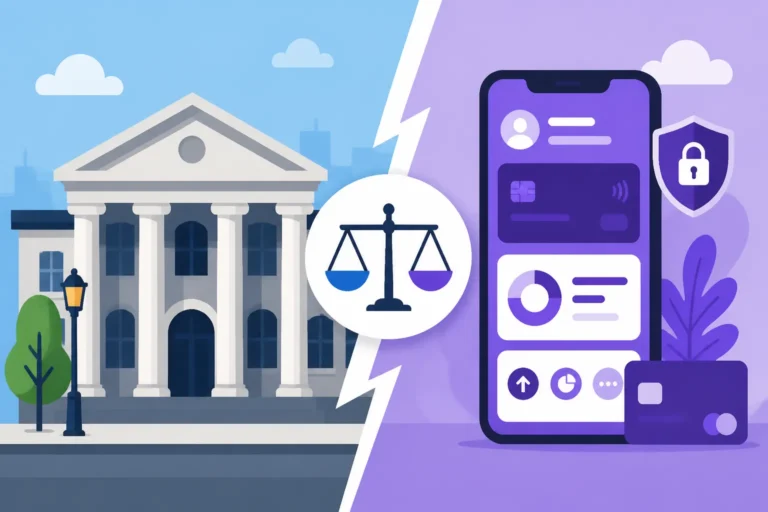
For many newcomers to the UK, traditional high street banks can feel like trying to fit a square peg into a round hole. This is where the rise of digital-first banks, often referred to as 'challenger banks', has been a godsend for expats. These banks operate primarily through mobile apps, with little to no physical branch presence. Their streamlined, tech-savvy approach often bypasses many of the bureaucratic hurdles that traditional banks impose, particularly around initial proof of address. They understand the modern expat's transient reality and have built their systems to cater to it.
These innovative financial institutions have disrupted the banking landscape, offering quicker account setup, lower fees, and intuitive user experiences. They're designed for a world where people move fluidly between countries, where traditional paper trails are becoming less common, and where instant gratification is the expectation. For a newcomer, they can often provide a vital stepping stone into the UK financial system, allowing you to quickly get a working account, a debit card, and access to essential banking services.
Exploring Digital Banking Options
The UK market has a vibrant ecosystem of digital-first banks, each with its own flavour. Monzo, Starling Bank, and Revolut are some of the most prominent names. Monzo and Starling Bank are fully licensed UK banks, meaning your deposits are protected by the Financial Services Compensation Scheme (FSCS) up to £85,000, just like traditional banks. Revolut, while not a bank in the UK in the traditional sense, offers banking-like services and holds an e-money licence, though it does operate as a bank in other European countries.
These platforms often boast user-friendly apps that allow you to manage your money with ease, set budgets, categorise spending, and receive instant notifications for transactions. Many also offer excellent foreign exchange rates and low or no fees for international spending, making them ideal for travellers or those still managing finances across borders. For example, a platform like Wise (formerly TransferWise) has carved out a significant niche by offering multi-currency accounts and incredibly competitive rates for international money transfers. While Wise isn't a bank in the UK (it's an electronic money institution), its Wise Account offers UK bank details, making it an excellent option for receiving funds and managing different currencies before you even have a traditional UK bank account. It can literally be your financial bridge when you first arrive.
How Digital Banks Simplify the Process
The magic of digital banks for newcomers lies in their flexible approach to identity and address verification. While they still adhere to KYC regulations, their methods are often more accommodating. Many digital banks allow you to open an account with just your passport and visa/BRP, verifying your identity through a quick video call or by taking a selfie with your ID. For proof of address, some are more lenient, accepting a letter from your employer, a confirmed tenancy agreement, or even a statement from another bank (even if it's not a UK one) initially, before requiring more formal UK-based proof.
The entire application process typically happens within their mobile app and can often be completed in minutes, with your debit card usually arriving by post within a few working days. This speed and flexibility are game-changers for expats who can't wait weeks to get access to banking services. Imagine landing in London on a Monday and having a fully functional bank account and card by Friday – that's the reality digital banks offer. They cut through the red tape, understanding that your immediate need is to simply exist financially in your new home.
Benefits and Drawbacks of Digital Banking
The benefits of digital banks for expats are considerable. Firstly, the ease and speed of opening an account are unparalleled. You can often get set up before you even have a fixed UK address, using a temporary one for card delivery. Secondly, their innovative apps and features offer fantastic control over your finances, with real-time spending insights, budgeting tools, and easy international payments. Thirdly, they often come with lower fees, especially for foreign currency transactions, which is a huge plus when you're settling in and potentially receiving money from abroad or spending it while travelling.
However, there are a few drawbacks to consider. While Monzo and Starling are fully regulated UK banks, some others operate with e-money licenses, meaning your money isn't protected by the FSCS in the same way. Always check the regulatory status of any digital service you choose. Secondly, the lack of physical branches means no face-to-face assistance, which some people prefer for complex issues. While their in-app chat support is generally excellent, it's not the same as sitting down with an advisor. Finally, while they're great for day-to-day banking, they typically offer a more limited range of advanced financial products like mortgages or complex investment portfolios compared to high street banks. You might find yourself needing a traditional bank later on for these specific services.
Essential Documents You'll Need (and How to Get Them)
Navigating the documentation labyrinth is often the make-or-break moment for opening a UK bank account. It's not just about having a document, but having the right documents, in the right format, and often, recently issued. This section aims to demystify what banks generally look for and offers practical advice on how to acquire these crucial pieces of paper (or digital files) even when you're starting from scratch in a new country. Preparation is key here; the more you have, the smoother the process will be.
It can feel like a bureaucratic hurdle race, but understanding the categories of documents and why they're needed can help you gather everything efficiently. Banks need to confirm your identity beyond a shadow of a doubt and link you to a physical location for security and regulatory compliance. Don't be shy about asking specific questions to the bank directly about what they will accept, as requirements can vary slightly between institutions and even branches.
Identity Verification: Passport, Visa, BRP
This is usually the easiest part for most expats. Your primary form of identification will almost certainly be your valid, in-date passport. Ensure it's original and not a photocopy. Banks will need to see this to confirm your full legal name, date of birth, nationality, and photograph.
If you are not a British or Irish citizen, or a European citizen with settled or pre-settled status, you will also need to provide proof of your right to live and work in the UK. This will be your valid UK visa (endorsed in your passport) or, more commonly, your Biometric Residence Permit (BRP). The BRP is a crucial document that proves your identity, your right to reside in the UK, and your immigration status. You must present the physical card, as banks will usually scan it or take a copy. Without a valid visa or BRP, your chances of opening an account are virtually nil, as it's proof that you are legally allowed to be a resident. For a detailed understanding of your immigration documents, you might want to read The Complete Guide to UK Visas and Immigration for Expats (2027).
Cracking the Code for Proof of Address
This is the famous Catch-22, and it's where most newcomers stumble. Banks require an official document, usually no older than three months, that clearly states your name and your UK residential address. Here’s a table of commonly accepted documents and alternative strategies:
| Document Type | Traditional Bank Acceptance | Digital Bank Acceptance | Expat Acquisition Difficulty | Notes |
|---|---|---|---|---|
| Utility Bill (Gas, Elec, Water) | High | Medium to High | High | Must be in your name. Takes time to set up and receive first bill. |
| Council Tax Bill | High | Medium to High | High | Issued annually, but councils can provide a new resident letter. |
| UK Driving Licence | High (if recent address) | High (if recent address) | Medium | Requires a UK address to obtain. You can exchange a foreign licence, but this takes time. |
| UK Bank Statement | High | High | High | Obviously, you need a bank account first! |
| Tenancy Agreement | Medium to High | High | Medium | Official, signed agreement from a registered letting agent or landlord. Must be clear and verifiable. |
| Employer Letter | Medium (check specific bank) | Medium to High | Low to Medium | On official company letterhead, confirming employment and UK residential address. Crucially, the bank must accept this as a valid form of proof. |
| Mortgage Statement | High | High | High | Only applicable if you've already bought a property. |
| HMRC Letter (e.g., NI number confirmation) | Medium to High | High | Medium | A letter from the tax authorities, confirming your NI number and showing your address. This is often an expat's first "official" UK address proof. |
| University Acceptance Letter | Low to Medium | Medium | Low | If studying, your university acceptance letter confirming your UK accommodation address might be accepted by some banks, especially those with student-specific accounts. |
The key here is creativity and persistence. If you have secured long-term accommodation, a signed tenancy agreement is often your best bet initially. Some high street banks, like HSBC, are more willing to accept employer letters, especially if your company has a corporate relationship with them. For guidance on getting utility bills or council tax statements, our guide on The Expat Guide to Setting Up Utilities (Energy, Water, Broadband) in the UK can be invaluable down the line.
Other Supporting Documents
While your passport, visa/BRP, and proof of address are the holy trinity, banks might ask for other supporting documents depending on your circumstances:
- National Insurance (NI) Number: While not always required to open an account, you'll need this for employment and tax purposes. If you have it, it's good to provide it.
- Proof of Income/Employment: A recent payslip or your employment contract can help, especially if you're applying for an account with an overdraft facility.
- Previous Bank Statements: Some banks, particularly those with international arms, might look at statements from your bank in your home country to get a sense of your financial history.
- University Acceptance Letter (for students): As mentioned, this can be helpful.
Always have a physical copy of all documents, even if you’re applying online and uploading digital versions. If you're going into a branch, they'll want to see the originals. And crucially, make sure all documents are current and accurately reflect your name and address exactly as they appear on your ID. Any discrepancies can cause delays or even refusal.
Step-by-Step Guide to Opening Your Account
The journey to opening a UK bank account doesn't have to be a blind stumble through the bureaucratic wilderness. By breaking it down into manageable steps, from pre-arrival preparations to what happens after your application, you can navigate the process with greater confidence and efficiency. Remember, every expat goes through this, and while it can be frustrating, it is absolutely achievable.
Thinking ahead and strategically can save you a lot of grief. It’s not about finding a magic bullet, but about systematically ticking off boxes and understanding the preferred pathways for a newcomer. Whether you prefer the traditional route or embrace the digital revolution, having a clear action plan will make all the difference.
Pre-Arrival Preparations
Before you even set foot on UK soil, there are a few things you can do to grease the wheels for your banking adventure. These preparations might seem minor, but they can significantly reduce friction once you arrive.
- Employer Letter: If you have a job lined up, ask your employer to draft a letter on official company letterhead. This letter should confirm your employment, your start date, your salary, and, crucially, your UK residential address (even if it's temporary accommodation like an Airbnb or hotel that you've booked for a few weeks). Make sure it's dated recently. This can be a vital piece of "proof of address" for some banks, especially digital ones or international branches of high street banks.
- Temporary Accommodation Confirmation: Keep all booking confirmations for your initial UK accommodation (e.g., Airbnb, hotel, short-term rental). While not always accepted as primary proof of address, they can be useful supplementary documents to show your intent and the address you're currently using.
- Existing International Banking Relationship: If your current bank has an international presence in the UK (like HSBC or Citibank), explore whether you can leverage your existing relationship. Sometimes they offer expedited services or "new to country" accounts that are more lenient.
- Consider a Digital Bank Account Pre-Arrival: Some digital banks, like Revolut or Wise, might allow you to open an account and get UK bank details (sort codes and account numbers) before you even arrive, especially if you can provide an address (even a friend's address you plan to stay at temporarily) for card delivery and verify your identity remotely. This means you can start receiving funds or setting up direct debits immediately. Wise, in particular, offers multi-currency accounts that are incredibly useful for transferring money into the UK at competitive rates before your main account is sorted. You can explore How to Transfer Money Into and Out of the UK as an Expat with services like Wise.
The Application Journey: Online vs. In-Branch
Once you're in the UK, it's time to actually apply. You generally have two main routes:
-
Online/App Application (Digital Banks): This is often the quickest and least painful method for newcomers.
- Choose your bank: Research digital banks like Monzo, Starling, or Revolut. Read reviews, compare features, and check their specific requirements for expats.
- Download the app: Install the bank's app on your smartphone.
- Fill in details: Complete the application form, providing your personal details, UK address (even if temporary), and employment info.
- Verify Identity: This usually involves taking a photo of your passport/BRP, taking a selfie or a short video call within the app. Some may ask for a proof of address document later.
- Wait for card: If successful, your debit card will be posted to your UK address. You can often start using virtual card details immediately.
This process can sometimes be completed in under an hour, with your card arriving within a week.
-
In-Branch Application (Traditional Banks): This option requires more legwork but can provide peace of mind for some.
- Research banks: Look at major high street banks like Barclays, Lloyds, HSBC, NatWest, and Santander. Check their websites for "new to UK" or "international" account options.
- Gather documents: Assemble all possible identity and proof of address documents (passport, BRP, employer letter, tenancy agreement, previous bank statements from home country, etc.). The more, the better.
- Book an appointment: Call the branch or use their online system to book an appointment with a new accounts advisor. Specify you are a newcomer and need help opening an account.
- Attend the appointment: Be punctual and bring all original documents. Be prepared to explain your situation and residency clearly. The advisor will guide you through the application.
- Follow up: If documents are missing or further verification is needed, ensure you provide them promptly.
This route can take several days or even weeks from booking the appointment to account activation, especially if there are delays with documents. A key differentiator here is Understanding the Difference Between High Street and Digital Banks in the UK.
What to Expect After Applying
Once you've submitted your application, the waiting game begins. The timeline and outcome will largely depend on the bank and the completeness of your documentation.
- Digital Banks: For Monzo or Starling, you often receive instant approval or a quick decision within hours. Your digital account details will be accessible almost immediately, allowing you to transfer funds. The physical debit card typically arrives by post within 2-5 working days. You'll then need to activate it via the app.
- Traditional Banks: This can be a longer process. You might receive a confirmation email or letter within a few days, or a phone call if more information is needed. Account opening can take anywhere from a few days to a couple of weeks. Your debit card and PIN will usually arrive in separate envelopes a few days after the account is officially open. You may also receive welcome packs or online banking setup instructions by post.
In both cases, once your account is active, you'll be able to set up online or mobile banking, allowing you to manage your funds, pay bills, and set up direct debits. Don't be disheartened if your first attempt with a traditional bank is unsuccessful; many expats find more success with digital options initially, then move to a high street bank once they have a firmer UK financial footprint.
Managing Your New UK Bank Account and Financial Life
Congratulations! You've successfully opened a UK bank account. This is a huge milestone for any expat, giving you a proper financial anchor in your new home. But getting the account is just the first step. Now, you need to understand how to use it effectively, integrate it into your daily life, and start building your financial future in the UK. This goes beyond just swiping your debit card; it involves understanding UK banking norms, managing international transfers, and eventually, looking at broader financial planning.
The UK financial landscape, while sophisticated, has its own quirks. From debit card usage to the intricacies of international payments and tax obligations, there's a lot to absorb. As an expat, your financial life will often have an international dimension, making certain choices more critical.
Understanding Debit Cards and Banking Apps
Your new UK bank account will come with a debit card – this is your primary tool for everyday transactions. Most transactions in the UK are cashless; you'll use your debit card for almost everything, from buying groceries to paying for public transport. Contactless payments are ubiquitous, allowing you to simply tap your card (or phone/smartwatch) for purchases under £100. For larger amounts, you’ll usually enter your PIN. Make sure you memorise your PIN and keep it secure.
Alongside your card, you'll gain access to your bank's mobile banking app and online banking platform. These are incredibly powerful tools. Through the app, you can:
- Check your balance and transaction history in real-time.
- Make instant payments to other UK accounts.
- Set up and manage Direct Debits (for recurring bills like rent, utilities, or phone contracts) and Standing Orders (for regular payments you control).
- Freeze/unfreeze your card or report it lost/stolen.
- Set spending limits and view budgeting insights.
Familiarise yourself with these features. They are designed for convenience and will become central to managing your money. Many people rarely visit a physical branch once their online and mobile banking is set up.
International Money Transfers and Currency Exchange
For many expats, getting money into and out of the UK is a regular occurrence. While your UK bank can handle international transfers, they are often not the most cost-effective solution. Traditional banks tend to use less favourable exchange rates and charge higher transfer fees.
This is where specialist services shine. Platforms like Wise (formerly TransferWise) offer significantly better exchange rates and transparent, lower fees for international money transfers. They use the real mid-market exchange rate, saving you a considerable amount compared to traditional banks. If you're regularly sending money back home or receiving funds from abroad, setting up an account with Wise can save you a lot in the long run. They also offer multi-currency accounts, which allow you to hold balances in different currencies (e.g., USD, EUR, GBP) and convert between them when the rate is favourable. This flexibility is invaluable for anyone with a global financial footprint.
Navigating UK Financial Services Beyond Basic Banking
Once your basic banking needs are met, you'll start looking at other aspects of your financial life in the UK. This includes:
- Saving and Investing: UK banks offer various savings accounts, but you might also explore ISA (Individual Savings Account) options, which allow you to save or invest tax-free up to a certain limit each tax year.
- Credit History: Building a UK credit history is crucial for things like getting a phone contract, renting a home, or applying for a mortgage. This starts with simple things like registering on the electoral roll, paying bills on time, and eventually, considering a credit-builder credit card.
- Pensions: If you're working, your employer will likely auto-enrol you into a workplace pension scheme. Understanding how this works and your options for personal pensions is important for long-term financial security.
- Taxes: As soon as you're earning in the UK, you'll be part of the tax system. This involves understanding income tax, National Insurance, and possibly filing a Self Assessment tax return if you're self-employed or have other income streams. Professional services like Taxes for Expats can provide invaluable guidance for navigating the complexities of UK tax, especially if you have foreign income or assets, ensuring you remain compliant and make the most of any allowances. For a comprehensive overview, check out The Complete Guide to Taxes in the UK for Expats (2027). If you're self-employed, our guide on How to Register as Self-Employed with HMRC in the UK will be a critical read.
Your UK bank account is the foundation, but your financial life will quickly expand. Being proactive and informed about these various services will help you establish a stable and prosperous life here.
Common Challenges and Troubleshooting for Expats
Even with the best preparation, opening and managing a bank account as a newcomer in the UK can present unexpected challenges. It's easy to feel disheartened or frustrated when things don't go smoothly, especially when you're still finding your feet in a new country. But remember, these are common hurdles for many expats, and there are almost always ways to troubleshoot and overcome them. Don't throw in the towel at the first sign of trouble.
Understanding potential pitfalls can help you identify solutions more quickly and efficiently. Whether it's a flat-out refusal from a bank or simply navigating your finances before everything is perfectly set up, a bit of insight can go a long way in managing your expectations and finding alternative paths.
Dealing with Account Refusals
It's a tough pill to swallow, but sometimes, despite your best efforts, a bank might refuse your application. This can happen for several reasons:
- Insufficient Proof of Address: This is, by far, the most common reason. If your documents don't meet their strict criteria, they won't proceed.
- Identity Verification Issues: If your identity documents are unclear, damaged, or if there are discrepancies between documents, it can lead to refusal.
- Lack of UK Credit History: While less common for basic current accounts, if you try to apply for an account with an overdraft or a credit card simultaneously, a lack of UK credit history can be a barrier.
- Bank's Internal Policies: Some banks simply have more stringent policies for non-UK residents, and sometimes it's just bad luck or an unhelpful advisor.
What to do if refused:
- Ask for the reason: Politely ask the bank why your application was refused. This can provide vital information for your next attempt.
- Try another bank: Don't take a refusal from one bank as a universal rejection. Different banks (especially digital vs. traditional) have varying criteria. If a high street bank says no, pivot to a digital-first bank like Monzo or Starling immediately.
- Gather more documents: Review your documents. Can you get a more official letter from your employer? A letter from HMRC confirming your National Insurance number (if you have one)? Sometimes a small addition can make a difference.
- Revisit your temporary address: If you're using a temporary address, see if you can get a more formal document from it, e.g., a formal letter from the hotel or short-term rental agency confirming your stay.
Managing Your Finances Before Your Account is Fully Functional
Having a few days or weeks without a fully functional UK bank account can be stressful, especially when bills are due or you need to receive funds. Here's how to manage:
- Bring Some UK Cash: Always arrive with a decent amount of UK sterling cash for immediate expenses like transport, food, and small purchases.
- International Debit/Credit Cards: Your debit or credit cards from your home country will work in the UK. However, be mindful of international transaction fees and exchange rates, which can quickly add up. Services like Revolut or Wise offer pre-paid cards that are excellent for this period, as they offer much better exchange rates and lower fees for international spending.
- Online Payment Services: Services like PayPal can be useful for online purchases, but they aren't a substitute for a bank account for everyday financial life.
- Leverage Digital Accounts Early: As mentioned, try to open a digital bank account (like Monzo or Starling) or a multi-currency account with UK details (like Wise) as quickly as possible upon arrival. These can serve as your primary account for receiving wages and making payments before a traditional bank account is secured.
Getting Help and Advice
You don't have to go through this alone. There are resources available to help:
- Expat Forums and Communities: Online forums and social media groups for expats in the UK are goldmines of real-world advice and shared experiences. Someone else has almost certainly faced the same challenge and found a solution.
- Employer Support: If you've moved for work, your employer's HR or relocation department might offer assistance or have established relationships with banks that can expedite the process.
- Immigration Advisors: While primarily for visas, some immigration advisors might offer general settlement advice, including banking.
- Financial Advisors: For more complex financial planning, especially concerning your tax obligations with foreign income or assets, consider consulting with a specialist. Services like Taxes for Expats are specifically geared towards helping foreigners navigate the UK tax system, which becomes especially relevant once your bank account is active and you're earning money. They can help you understand your responsibilities and optimise your financial situation under Filing a Self Assessment Tax Return with HMRC in the UK: The Complete Walkthrough (2027).
- Citizens Advice: While primarily for UK residents, Citizens Advice can offer general guidance on consumer rights and navigating essential services, which might include banking issues.
The key is to remain persistent, informed, and willing to explore all available options. What seems like an insurmountable obstacle today will be a solved problem tomorrow.
Disclaimer
The information provided in this guide is for general informational purposes only and does not constitute financial, legal, or immigration advice. While every effort has been made to ensure accuracy and provide up-to-date information, the UK banking landscape and regulations can change. It is strongly recommended that you consult with relevant professional advisors (e.g., bank representatives, financial advisors, immigration specialists) for advice tailored to your specific situation before making any financial decisions. We cannot be held responsible for any loss or inconvenience caused by relying on the information presented herein.