Understanding HMRC Online Services and the Personal Tax Account in the UK
Ah, the delightful world of UK tax! If you’ve just landed in the UK, or even if you’ve been here a while, you’ve probably quickly realised that HMRC, the UK’s tax authority, can feel like a labyrinth designed specifically to confuse foreigners. Getting to grips with taxes can be overwhelming enough, let alone navigating a whole new online system. This guide is here to untangle the complexities of HMRC online services and your Personal Tax Account, turning what often feels like a daunting administrative chore into a manageable process.
Decoding HMRC Online Services: What Are They Really?
When you hear "HMRC online services," it might sound like a singular, monolithic entity. But in reality, it's a suite of digital tools and platforms designed to help individuals and businesses manage their tax affairs with the UK government. Think of it as the digital interface to all things tax, replacing many of the paper forms and phone calls that used to be the only way to interact with the taxman. For us expats, this digital shift is a double-edged sword: it offers convenience, but only once you've successfully wrestled with setting it up and understood what's actually available.
The whole point of these services is to streamline things, giving you direct access to your tax information, allowing you to update details, make payments, and communicate with HMRC without endless waiting on the phone (though sometimes that still happens, let's be realistic). It’s about putting the power of managing your tax obligations directly into your hands, assuming you can navigate the digital hoops, of course.
Beyond the Paper Forms: The Digital Revolution of UK Tax
Not so long ago, dealing with HMRC meant piles of forms, deciphering jargon-filled letters, and often waiting weeks for a reply. The digital revolution, while sometimes frustrating to adapt to, has largely moved this process online. Now, instead of mailing off a paper form to declare a change in circumstances or check your tax code, you're expected to log in, click a few buttons, and get things sorted. This push towards digital self-service is a core part of how the UK government operates these days.
For newcomers, this digital-first approach means that understanding the online portals is no longer optional; it's practically essential. If you’re coming from a country with a less digitised tax system, this might feel like a steep learning curve. The UK's system, especially with things like PAYE (Pay As You Earn) for employees, relies heavily on data flowing electronically, and your Personal Tax Account is where you can see that data and interact with it. It's a significant shift from the old ways, aiming for efficiency, even if it adds a layer of initial complexity.
Key Services You Can Access Online
Once you're in, the range of services available online is quite extensive. It’s not just about seeing how much tax you owe; it’s a comprehensive toolkit. You can do everything from checking your National Insurance contributions, which are crucial for state pension eligibility, to updating your personal details like your address or marital status. These details might seem minor, but they can significantly impact your tax calculations.
Beyond personal details, you can view your employment history as recorded by HMRC, check details of your company benefits, and even estimate your income tax for the current year. For those who are self-employed or have other income streams, the online portal is where you'll submit your annual Self Assessment tax return. It’s a complete ecosystem designed to give you a single point of access for most of your tax interactions. We'll delve deeper into some of these specific functions shortly, but for now, just know that the capabilities are far-reaching.
Your Personal Tax Account: The Hub of Your Financial Life
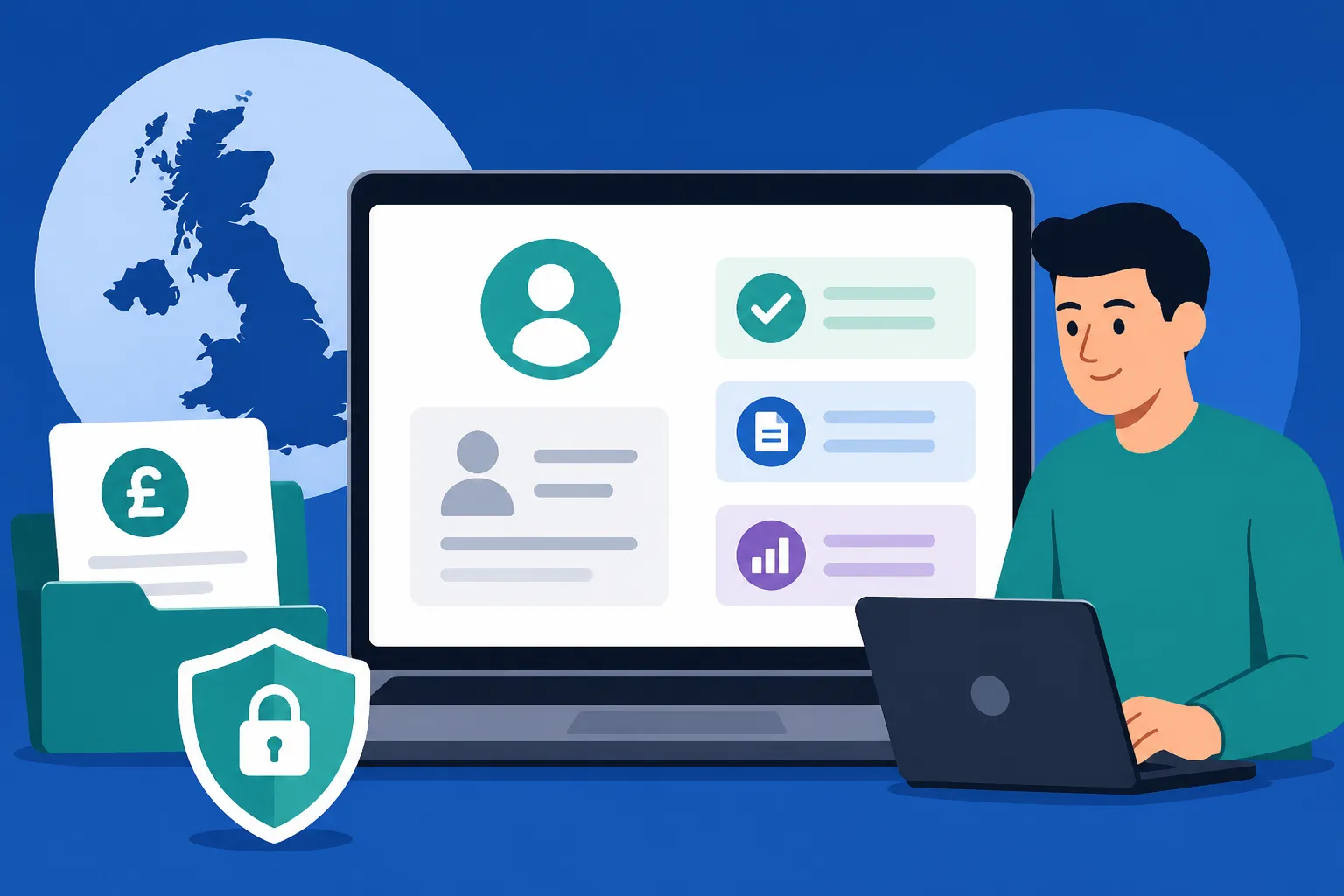
The Personal Tax Account (PTA) is arguably the most crucial part of HMRC's online offerings for individual expats. Think of it as your personal, secure dashboard for all your UK tax information. It’s where your employment income, pension details, and other tax-relevant data are stored, updated, and made visible to you. Many expats find this particular system a little confusing to get started with, but once you’re in, it’s an invaluable resource. This is where you connect directly with HMRC's records, which is both powerful and, for some, a little anxiety-inducing.
The intention behind the PTA is clear: to provide transparency and control. You no longer have to wait for an annual P60 statement to know your earnings or call HMRC to confirm your tax code. It's all there, at your fingertips, 24/7. This can be particularly reassuring for expats who are trying to understand how their earnings and deductions translate into a UK tax liability. It removes a lot of the guesswork and makes it easier to keep track of your financial obligations.
Setting Up Your Account: The Initial Hurdles and How to Clear Them
Okay, let's be honest: setting up your Personal Tax Account can be a bit of a bureaucratic odyssey. It's not always a straightforward click-and-register process, especially for expats who might not have a long UK financial history. The biggest hurdle often involves proving your identity. HMRC uses a service called Government Gateway, and you'll typically need two forms of identification, often including a valid UK passport or driving licence, and access to certain financial information like a P60 from a previous employer or details from a credit file. For new arrivals, getting these pieces aligned can feel like a cruel joke.
If you're a new expat, you might not have a credit history or an old P60. Don't panic! HMRC has alternative ways to verify your identity, though these often involve receiving codes by post to your UK address, which can add a delay. Persistence is key here. Once you've successfully created your Government Gateway user ID and password, you can then link it to your Personal Tax Account. It’s a rite of passage for many in the UK, and while it might test your patience, remember it’s a one-time setup that unlocks a world of convenience. You can find more detailed guidance on How to Get a National Insurance Number in the UK which is often a precursor to setting up your tax account.
Navigating Your PTA Dashboard: A Guided Tour
Once you've conquered the initial setup, your Personal Tax Account dashboard will be your new best friend. It’s laid out pretty intuitively, typically with sections like "Check your income tax," "National Insurance," "Self Assessment," and "Update your details." Each section provides a window into specific aspects of your tax life. For instance, clicking on "Check your income tax" will show you your current tax code, an estimate of your taxable income for the year, and how much tax you've paid so far.
This overview is incredibly useful. You can see your employment income, any benefits in kind (like a company car), and even your pension contributions. If you work for multiple employers, all this information should ideally be consolidated here. If something looks incorrect – say, your estimated income is wildly off, or a past employer's details are missing – this is where you can spot it and take action. The dashboard truly aims to be a single, comprehensive snapshot of your tax situation, helping you to understand Understanding the Personal Allowance and Income Tax Bands in the UK.
Managing Your Taxes Through the PTA: Practical Scenarios
The beauty of the Personal Tax Account isn't just in viewing your data; it's in actively managing it. This means you can initiate changes, submit information, and ensure everything is up-to-date, directly from your laptop or phone. This proactive approach can save you a lot of headaches down the line, especially if your financial situation changes throughout the year.
Checking Your Income Tax and National Insurance Contributions
One of the first things many expats want to check is their income tax and National Insurance contributions (NICs). These are automatically deducted from your salary if you're employed, but it's vital to ensure they're being calculated correctly. In your PTA, you can delve into the specifics of your PAYE (Pay As You Earn) record. This shows how much you've earned, how much income tax has been deducted, and your NICs for each pay period.
Why is this important? Because errors can happen. Perhaps your employer submitted incorrect figures, or your tax code was wrong. By regularly checking your contributions, you can quickly spot any discrepancies and address them with HMRC. Your NICs, in particular, are crucial as they contribute to your entitlement for certain state benefits and the UK State Pension. Being able to see this history gives you peace of mind and allows you to understand How the UK Tax System (HMRC) Works: PAYE and National Insurance Explained (2027) more effectively.
Understanding Tax Codes and Making Adjustments
Your tax code is probably one of the most mysterious and impactful elements of the UK tax system, especially if you're new here. It's a series of letters and numbers (e.g., 1257L) that tells your employer how much tax-free income you're allowed in a tax year before they start deducting income tax. A wrong tax code can mean you either pay too much tax (and are due a refund) or too little (and end up owing HMRC money). In your Personal Tax Account, you can easily view your current tax code and see a breakdown of how it's calculated.
If you suspect your tax code is incorrect – perhaps you've changed jobs, started receiving a new benefit, or stopped a benefit – you can often update this information directly through your PTA. HMRC will then issue a new tax code to your employer. This self-service aspect is incredibly helpful. Imagine having to call up HMRC every time you wanted to query or change your tax code; it would be a nightmare! This ability to quickly clarify and adjust your tax code is a lifesaver.
Filing Your Self Assessment Tax Return Online
For many expats, especially those who are self-employed, have rental income, foreign income, or complex investments, filing a Self Assessment tax return is an annual requirement. The Personal Tax Account is the primary portal for this. Instead of a stack of paper forms, you complete your return online, section by section. The system guides you through, asking for details on various income types, expenses, and capital gains.
This online filing system automatically calculates your tax liability based on the information you provide, including any payments you've already made through PAYE. It also gives you a clear deadline for submission and payment. For those juggling multiple income streams or navigating international tax implications, using the online Self Assessment system is far more efficient than paper forms. It’s the definitive method for Filing a Self Assessment Tax Return with HMRC in the UK: The Complete Walkthrough (2027), allowing you to declare all your taxable income accurately. If you have particularly complex affairs, especially with foreign elements, a service like Taxes for Expats might be incredibly useful to ensure you’re declaring everything correctly and not missing any reliefs.
Common Expat Tax Situations and How the PTA Helps
Expats often face unique tax challenges that residents born and bred in the UK might never encounter. Thankfully, the Personal Tax Account is designed to accommodate some of these complexities, or at least provide the platform through which you can address them. It’s where your unique situation intersects with the standard UK tax rules.
Dealing with Foreign Income and Double Taxation
One of the biggest headaches for many expats is figuring out how their foreign income is taxed in the UK. The UK taxes its residents on their worldwide income, which means any earnings, dividends, or rental income from outside the UK generally needs to be declared. Your Personal Tax Account is the place to do this, particularly through the Self Assessment section. You’ll find specific sections to declare foreign income, property income, and capital gains from overseas assets.
This is also where the concept of double taxation agreements (DTAs) comes into play. If your home country also taxes your worldwide income, you could end up paying tax on the same income twice. Thankfully, the UK has DTAs with many countries, which aim to prevent this. While the PTA won't automatically apply these agreements, it provides the space to declare your foreign tax paid, which can then be offset against your UK tax liability. This allows you to manage situations covered by Understanding Double Taxation Agreements and Foreign Tax Credits in the UK. It’s a complex area, so using the PTA correctly for this is crucial.
Claiming Tax Reliefs and Refunds
Nobody wants to pay more tax than they have to, and the UK tax system offers various reliefs and allowances that can reduce your tax bill. Your Personal Tax Account can be used to claim these. For example, if you've made charitable donations through Gift Aid, or incurred work-related expenses not reimbursed by your employer, you can often claim tax relief for these directly through your PTA, usually via a Self Assessment return or by contacting HMRC to adjust your tax code.
Similarly, if you've overpaid tax – perhaps due to an incorrect tax code, or if you left the UK partway through a tax year – your PTA will usually show that you're due a refund. You can then request this refund directly through the online system. This makes the process of reclaiming money much simpler than in the past, when it often involved chasing paper cheques. This ability to easily claim money back is a practical benefit of the system, helping you understand How to Claim a Tax Refund from HMRC in the UK.
Communicating with HMRC: When and How to Get Help
Even with the best online system, sometimes you just need to speak to a human or send a specific query. While the PTA is designed for self-service, it also provides avenues for communication. There's often a secure messaging service within your account, allowing you to send detailed queries to HMRC and receive a response directly back into your inbox. This is much more secure and trackable than email.
For more immediate concerns or complex issues that can't be resolved online, the PTA will typically guide you towards the appropriate phone numbers or postal addresses. Knowing when to use the online messaging versus picking up the phone is a learning curve. Generally, for account-specific queries that involve sensitive data, the secure messaging in your PTA is excellent. For urgent issues or when you're hitting a wall, a phone call might be necessary. Just brace yourself for potential waiting times – that's a universal truth, isn't it?
Tips, Tricks, and Troubleshooting for Expats
Navigating any new country’s administrative systems is a learning process, and the UK’s tax system is no exception. As an expat, you’ll encounter specific challenges, but with a few insider tips, you can make the process smoother. The aim here is to minimise frustration and maximise efficiency.
Essential Documents and Information You'll Need
Before you even think about setting up your Personal Tax Account or doing anything tax-related online, make sure you have your ducks in a row. Having these documents handy will save you immense frustration:
- National Insurance Number (NINo): This is essential. You literally can't do much without it. You can learn more about How Do I Get a National Insurance Number in the UK?.
- Proof of Identity: Your passport, UK driving licence, or Biometric Residence Permit (BRP) are key.
- Proof of Address: Recent utility bills, bank statements, or tenancy agreements.
- P45/P60 Forms: If you've been employed in the UK, these summarize your earnings and tax paid.
- Payslips: Keep these, especially the last one for the tax year.
- Details of Foreign Income/Assets: Any overseas earnings, pensions, rental income, or investments.
- Bank Account Details: For payments or receiving refunds.
Having all this information organised will make inputting data into your PTA or Self Assessment much quicker and less prone to errors. It's like having your ingredients prepped before you start cooking – much less stressful!
Staying Secure Online: Protecting Your Tax Information
In our increasingly digital world, security is paramount, especially when it comes to sensitive financial information. HMRC takes security very seriously, and you should too. Always ensure you're accessing the official HMRC website – check the URL carefully for "gov.uk" to avoid phishing scams. Your Government Gateway ID and password are your keys to your tax data, so treat them like gold. Never share them with anyone, and use a strong, unique password.
HMRC also uses multi-factor authentication (MFA), often sending a code to your phone or email as an extra layer of security. Always use this. If you ever receive suspicious emails or texts claiming to be from HMRC, never click on links or provide personal information. Instead, forward them to HMRC's phishing email address (phishing@hmrc.gov.uk) and delete them. Better safe than sorry, always. Your financial integrity depends on it.
When to Seek Professional Advice
While the Personal Tax Account makes many aspects of tax management more accessible, there are times when professional advice is invaluable. This is particularly true for expats who often have more complex tax situations than the average UK resident. If you have:
- Significant Foreign Income or Assets: Navigating remittance basis, double taxation, and offshore investments can be incredibly tricky.
- Complex Self-Employment: If you’re a contractor, freelancer, or run your own business, ensuring you claim all eligible expenses and declare income correctly can benefit from expert eyes.
- Non-Domicile Status: This is a highly nuanced area of UK tax law that can significantly impact how your foreign income and gains are taxed.
- Planning to Leave or Have Recently Left the UK: Understanding your tax obligations for the year of departure and beyond.
In these scenarios, a specialist tax advisor can save you money, time, and a lot of stress. Firms like Taxes for Expats specialise in UK tax for those with international lives and can offer tailored advice, ensuring you comply with all regulations while optimising your tax position. They can also help you understand how to approach How to File Taxes If You Have Both Foreign and UK Income. Sometimes, it's simply worth paying for peace of mind.
And when you're dealing with moving money around internationally, perhaps to pay an overseas tax advisor or manage foreign assets, services like Wise can be incredibly helpful. They offer transparent, low-cost international transfers, which can make managing your global financial affairs a little bit smoother. They're a practical solution for the everyday expat reality of cross-border finances.
| Feature / Action | Via Personal Tax Account (PTA) | Traditional / Manual Method | Benefits of PTA | Potential Drawbacks of PTA |
|---|---|---|---|---|
| Check Tax Code | Instant online view & adjustment | Phone call to HMRC / waiting for paper P2 Coding Notice | Immediate access, self-service adjustments, clear breakdown | Initial setup hurdle, potential for incorrect online input |
| View PAYE Income/Tax | Up-to-date summary per employer | Rely on annual P60 / monthly payslips | Real-time tracking, error detection, consolidated view | Requires digital literacy |
| File Self Assessment | Guided online form, automatic calc. | Paper form (SA100) submitted by post | Faster processing, instant calculation, reduced errors, digital record | Complexity for new users, internet access required |
| Claim Tax Refund | Request directly via dashboard | Phone call / letter to HMRC, await cheque | Quicker processing, direct bank transfer, clear status updates | Requires bank details to be up-to-date on file |
| Update Personal Details | Online form | Phone call / letter to HMRC | Instant updates, convenience | Requires correct authentication, can't always change all details |
| National Insurance Record | Detailed online history | Request statement by post | Instant access to contributions, check state pension eligibility | Only shows UK NICs |
| Communicate with HMRC | Secure message service | Phone call / traditional post | Secure, traceable, avoids phone queues (mostly!) | Response times can vary |
Disclaimer
Please remember that this guide provides general information based on current UK tax rules and my personal experience as an expat. Tax laws are subject to change, and individual circumstances can vary greatly. It is always advisable to consult with a qualified tax advisor or HMRC directly for personalised advice regarding your specific tax situation. While every effort has been made to ensure accuracy, I cannot be held responsible for any errors or omissions, or for any actions taken based on the information provided herein.