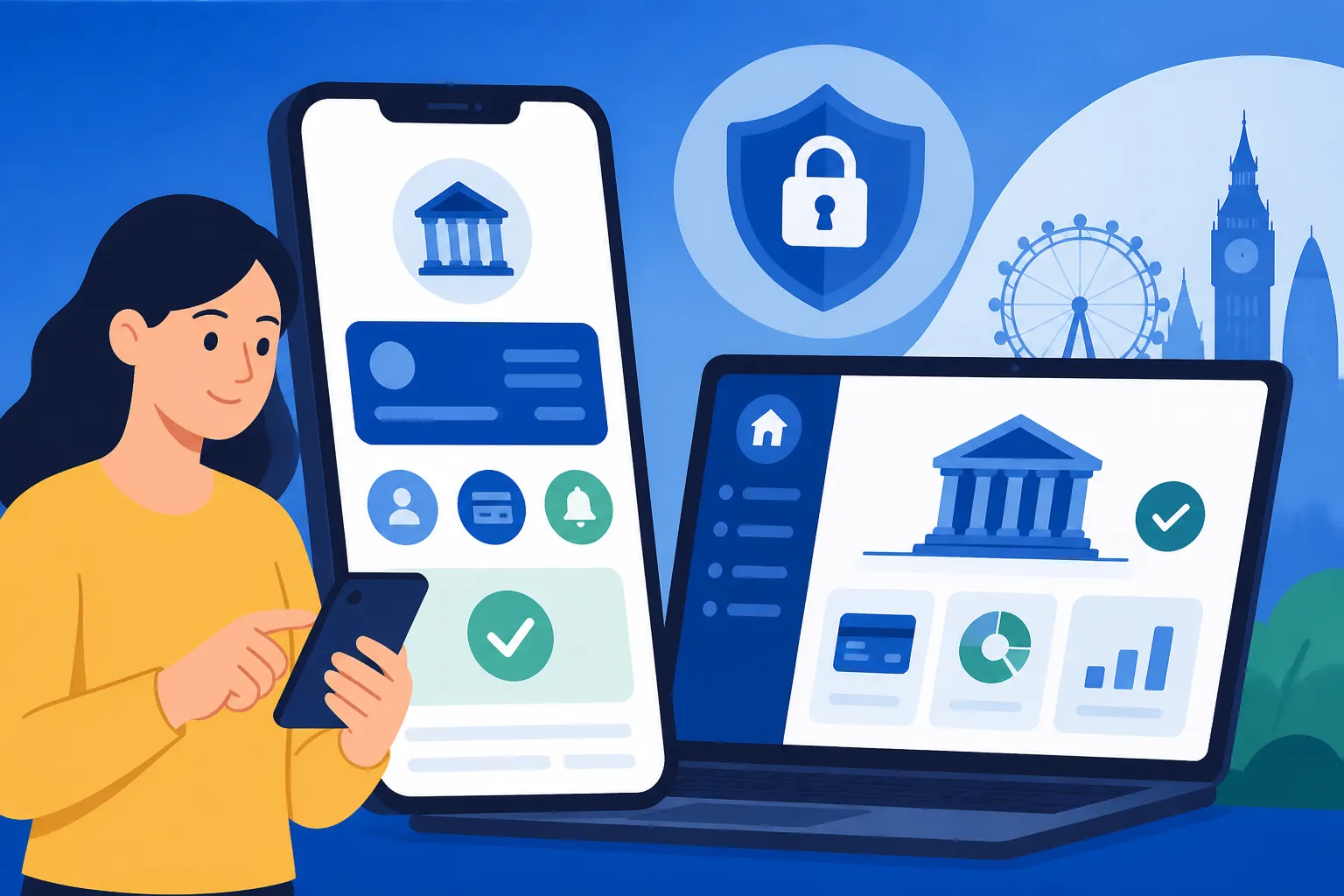
How to Set Up Online and Mobile Banking in the UK
Ah, settling into the UK, eh? You’ve probably already wrestled with visas, house hunting, and the sheer audacity of British weather. Just when you think you’re getting a handle on things, the banking system swoops in, ready to throw another curveball. Trying to set up a bank account, let alone get your head around online and mobile banking, can feel like you’re stuck in a particularly confusing game of charades. But don't you worry, this guide is here to untangle the often-frustrating, but ultimately crucial, process of establishing your digital financial foothold in the UK, making sure you feel clued-up and in control.
The Initial Hurdles of UK Banking for Expats
Let's be honest, arriving in a new country, full of excitement and a sprinkle of trepidation, and then being told you can't even get a basic bank account because you don't have proof of address, can feel like a slap in the face. It’s a uniquely British administrative challenge that many expats before you have faced, and it’s completely valid to feel frustrated by it. This isn't just a simple formality; it's a genuine barrier that can stall your entire integration.
The 'Chicken and Egg' Problem of Proof of Address
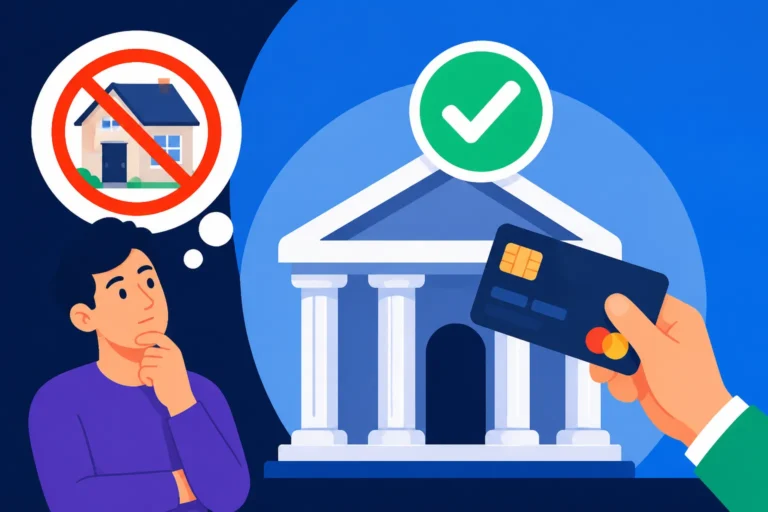
This is the big one, isn't it? You need a bank account to get a utility bill in your name, but you need a utility bill (or a tenancy agreement, or council tax letter) to open a bank account. It's enough to make you want to scream into a pillow. Many expats land here with just a passport and a temporary accommodation address, perhaps a hotel booking or an Airbnb, none of which usually pass muster for the stringent proof of address requirements of traditional UK banks.
Imagine you've just arrived in London, thrilled about your new job in Canary Wharf. Your employer needs your bank details for your first paycheck, but when you walk into a branch of, say, Barclays or Lloyds, they ask for a recent utility bill or a signed tenancy agreement. You haven't even moved into your long-term rental yet, let alone received a bill. This common scenario leaves many expats feeling stranded and helpless, scrambling to find any document that might satisfy the bank's demands. It’s a vicious cycle that has caught out countless newcomers, and it's certainly not unique to your experience. Sometimes, a letter from your employer confirming your address and employment can help, or if you're lucky enough to have a family member or friend in the UK who can provide a letter and utility bill as proof of address, some banks might accept that, but it's far from guaranteed.
Understanding Traditional vs. Challenger Banks
Before you dive headfirst into application forms, it's really important to understand the lay of the land when it comes to UK banks. You essentially have two main categories: the traditional high-street giants and the newer, app-based 'challenger' banks. Each comes with its own set of pros and cons, especially when you're a fresh-off-the-boat expat trying to find your feet. This is where your choice can make a world of difference in your initial banking experience.
Traditional banks like HSBC, NatWest, and Santander have physical branches, a long history, and often a more structured, some might say bureaucratic, approach. They tend to be more rigid with their proof of address requirements, which, as we’ve discussed, can be a real pain point for new arrivals. However, they also offer a full spectrum of services, from complex mortgages to investment accounts, and many people appreciate the reassurance of being able to speak to someone in person. On the other hand, challenger banks such as Monzo, Starling, and Revolut are entirely digital. They operate through slick mobile apps, often have much quicker account opening processes, and are generally far more accommodating with less traditional forms of ID and proof of address. They understand the modern expat's dilemma and often design their onboarding process to be as smooth as possible for those without a lengthy UK paper trail. For a new arrival, especially if you're just starting, a challenger bank can be a fantastic way to get an account opened quickly and easily, giving you that vital UK bank account number for wages and bills.
Step-by-Step Guide to Setting Up Your UK Bank Account
The actual process of setting up a UK bank account, once you've navigated the initial hurdles, needs a systematic approach. It's not just about walking into a branch anymore; it’s about preparing thoroughly and knowing which doors to knock on first. Patience is definitely a virtue here, and a bit of pre-planning can save you a lot of grief. For a more detailed walkthrough, you can always check out The Expat Guide to Opening a Bank Account in the UK.
Gathering Your Essential Documents
This stage is crucial, and it’s where many expats initially falter. UK banks are notoriously strict about verification, and having your ducks in a row before you even start an application will save you immense headaches. Think of it like preparing for a mini-exam – the more prepared you are, the smoother it will go.
First and foremost, you'll need proof of identity. Your valid passport is usually the gold standard here, but if you have a national ID card from an EU country, that might also be accepted. Alongside this, your UK visa or Biometric Residence Permit (BRP) is absolutely essential. The bank needs to confirm your right to live and work in the UK. Next comes the infamous proof of address. This is the part that trips up most newcomers. Ideally, you want a utility bill (gas, electricity, water, or broadband) in your name, dated within the last three months. A signed tenancy agreement for a rental property is another strong contender. If you’ve started paying Council Tax, a letter from the local council confirming your address is excellent. Don't underestimate the value of a letter from your employer on official letterhead, confirming your employment and your residential address; some banks, particularly the more expat-friendly ones, might accept this as temporary proof. You might also find that if you're applying for your How to Get a National Insurance Number in the UK, the letter confirming your NI number can sometimes be used as proof of address, although this is becoming less common. Having a few different options ready shows you're serious and prepared.
Choosing the Right Bank for Your Expat Needs
With your documents in hand, the next big decision is which bank to choose. This isn't a one-size-fits-all answer, as your individual circumstances and preferences will heavily influence the best fit. For a broader perspective on your options, have a look at How to Choose the Best Bank for Expats in the UK.
If you’re keen on traditional banking, perhaps because you like the idea of a physical branch you can visit, then institutions like HSBC, Barclays, or Lloyds are your go-to. However, they often demand more established proof of UK residency, which, as we’ve noted, can be tricky. Some traditional banks do have dedicated expat services or international accounts that might be easier to open from abroad or upon arrival, so it's worth checking their specific offerings. For instance, HSBC has a strong international presence and might facilitate transfers more easily if you already bank with them in another country. However, if you're struggling with proof of address and need something now, challenger banks like Monzo, Starling, or Revolut are often a godsend. Their entire ethos is digital, and they’ve streamlined the onboarding process to be incredibly user-friendly, often allowing you to open an account with just your passport and BRP through their app, sometimes even before you have a fixed UK address. They tend to rely more on digital identity verification, which cuts through a lot of the traditional paperwork. Understanding the difference between these types of banks is key, and you can delve deeper into this with Understanding the Difference Between High Street and Digital Banks in the UK. Ultimately, your choice will likely come down to your immediate needs for getting an account open, and your long-term preferences for how you manage your money.
Diving into Online Banking: Your Digital Branch
Once your bank account is officially open, the next exciting step is getting set up with online banking. This isn't just a convenience; in the UK, it’s practically a necessity for managing your day-to-day finances. Forget popping into a branch for every little thing; your online portal becomes your primary interaction point with your bank. This is where the UK's financial system truly shines, offering robust and secure ways to control your money from anywhere.
Activating and Navigating Your Online Banking Portal
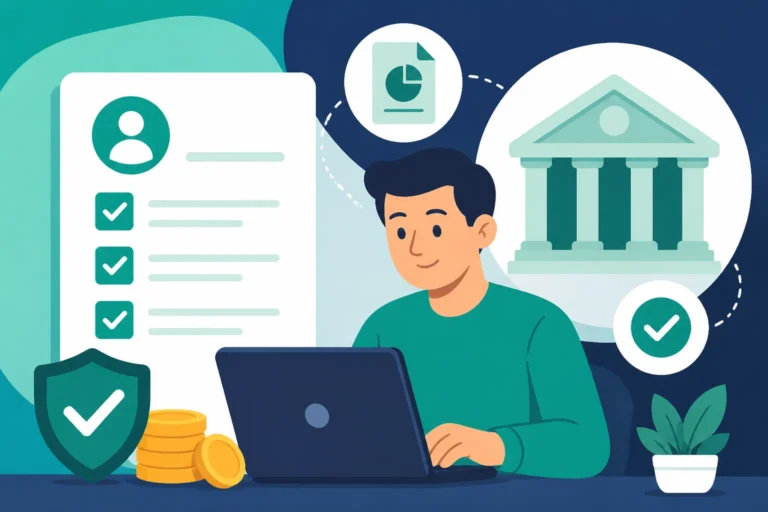
The moment you receive your bank account details and debit card, you’ll typically get instructions on how to activate your online banking. This usually involves visiting the bank's website, finding the "Register for Online Banking" or "First Time User" link, and following a series of prompts. You'll likely need your account number, sort code, and some personal details for verification. Expect to create a unique username and a strong password, and be prepared for additional security layers, like setting up memorable questions or a secure code that you'll use for future logins.
Once you’re in, take some time to explore. The interface might look a bit different depending on your bank – traditional banks tend to have a more conventional layout, while challenger banks often offer a very modern, streamlined experience. You'll typically find sections for viewing your current balance, checking your transaction history (which is incredibly useful for tracking your spending), and downloading statements. This online hub is where you’ll manage your direct debits for rent and utilities, set up standing orders for regular payments, and make instant transfers to other UK bank accounts using 'Faster Payments'. It’s your virtual branch, open 24/7, and getting comfortable with its layout and functions is a crucial step in managing your finances effectively in the UK.
Key Features and Security Measures
Online banking in the UK is packed with features designed to give you comprehensive control over your money, all while keeping it as secure as possible. Beyond the basics of checking balances and making payments, most online banking platforms offer a wealth of tools. You can often manage your debit card – reporting it lost or stolen, ordering a replacement, or even temporarily freezing it if you’ve misplaced it. You can set up alerts for specific transactions or low balances, helping you stay on top of your finances.
Security is paramount in UK online banking. Banks employ multi-layered authentication to protect your account. For example, many traditional banks still use a physical 'card reader' – a small device into which you insert your debit card and type in your PIN to generate a unique code for certain transactions, like setting up a new payee or making a large transfer. This adds a robust layer of protection. Additionally, you’ll often encounter two-factor authentication, where a code is sent to your registered mobile phone or email address to verify your identity, especially when logging in from a new device. Banks are also very proactive in fraud prevention, and their online platforms usually have dedicated sections where you can learn about scams and report suspicious activity. Always remember, your bank will never ask for your full password or PIN over email or text, so be vigilant against phishing attempts.
Embracing Mobile Banking: Your Bank in Your Pocket
While online banking gives you the full picture on a larger screen, mobile banking puts your financial control right there in the palm of your hand. It's an indispensable tool for life in the UK, allowing for quick checks, instant payments, and on-the-go management of your money. For many expats, especially those who’ve grown up with smartphones, the mobile app becomes the primary way they interact with their bank.
Downloading and Setting Up Your Banking App
Getting the app onto your phone is usually a straightforward process. You'll head to your phone's app store – either the Apple App Store for iPhones or Google Play Store for Android devices – and search for your bank's official app. It’s vital to ensure you're downloading the correct and official app to avoid any security risks. Once downloaded, the setup process will typically involve linking the app to your existing bank account. This often requires entering your online banking credentials (username and password) and then going through a verification step, such as a code sent to your mobile number or email, or sometimes even a face scan or video verification for challenger banks.
After the initial setup, you'll be prompted to set up a secure login method for the app itself. This is where biometric authentication truly shines. Most UK banking apps offer the convenience of fingerprint (Touch ID) or facial recognition (Face ID) login. This means you can access your account with just a quick tap or glance, which is incredibly efficient when you're on the go. Having a strong, unique PIN for your app is also usually an option and is a good fallback if biometrics aren't working. Getting this sorted means your banking is literally at your fingertips, ready whenever you need it.
Day-to-Day Management and Advanced Features
The beauty of mobile banking truly lies in its accessibility and the wealth of features it offers for everyday financial management. You can quickly check your balance before making a purchase, view your latest transactions, and get instant notifications for every payment in and out of your account – a feature particularly loved by users of challenger banks like Monzo and Starling. These instant notifications are a game-changer for budgeting and security, as you'll know immediately if there's any unauthorised activity.
Beyond the basics, many apps include fantastic budgeting tools. They can categorise your spending automatically (e.g., groceries, transport, entertainment) and even help you set spending limits. Some banks, particularly the digital ones, offer "pots" or "spaces" where you can put money aside for specific savings goals, effectively segmenting your funds without needing multiple accounts. Managing your debit card is also incredibly easy through the app; if you temporarily misplace it, you can often "freeze" it instantly, preventing any transactions, and then "unfreeze" it if you find it. If it's truly lost or stolen, you can report it and order a new one directly through the app, saving you a call to customer service. Being able to access customer support via in-app chat is another common and highly convenient feature that beats waiting on hold.
Managing International Finances and Transfers
As an expat, your financial world often isn't confined to one country. You might be sending money home, receiving funds from abroad, or dealing with different currencies. Understanding how to manage these international aspects of your finances is just as crucial as setting up your local UK banking. There are considerations around fees, exchange rates, and even tax implications that you need to be aware of.
Making and Receiving International Payments
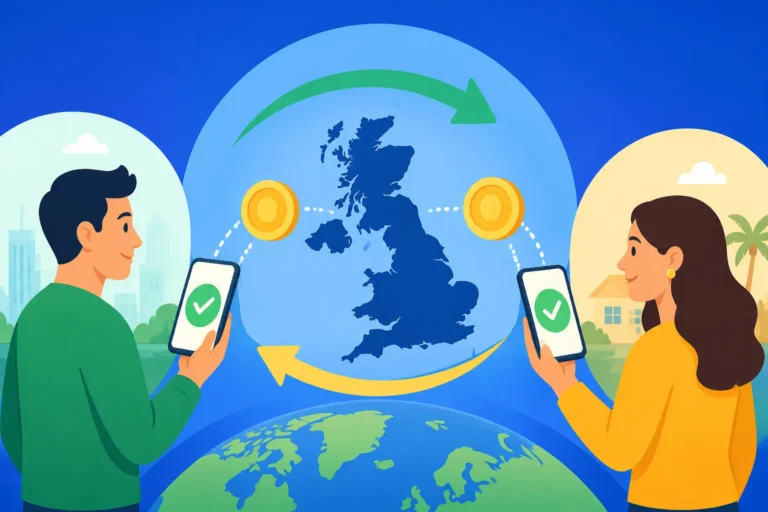
Sending and receiving money across borders can feel like navigating a minefield of hidden fees and confusing terminology. When someone needs to send you money from outside the UK, they'll typically ask for your bank's SWIFT/BIC code and your International Bank Account Number (IBAN). These codes ensure the money reaches the correct bank and account. Similarly, if you're sending money out of the UK, you'll need the recipient's SWIFT/BIC and IBAN.
Traditional banks often offer international transfer services, but they can come with higher fees and less favourable exchange rates compared to specialist money transfer services. Banks might charge a fixed fee for sending or receiving international transfers, and the exchange rate they use may have a hidden margin built-in. This is where services like Wise (formerly TransferWise) really shine. Wise is a popular option among expats because it typically offers lower fees and uses the mid-market exchange rate, meaning you get more for your money. They often facilitate transfers much faster than traditional banks, sometimes even instantly for certain corridors. If you find yourself regularly needing to move funds between countries, exploring a dedicated service like Wise can save you a significant amount over time. Check out our detailed guide on How to Transfer Money Into and Out of the UK as an Expat for more information.
Handling Currency Exchange and Tax Implications
Beyond the mechanics of transfers, currency exchange rates are a constant factor in international finances. Banks and transfer services will display the exchange rate they are offering, and it's always wise to compare. A small difference in the rate can add up significantly on larger transfers. Some UK banks offer multi-currency accounts, which can be useful if you regularly deal with a specific foreign currency, as it might allow you to hold funds in that currency and convert them only when the rate is favourable.
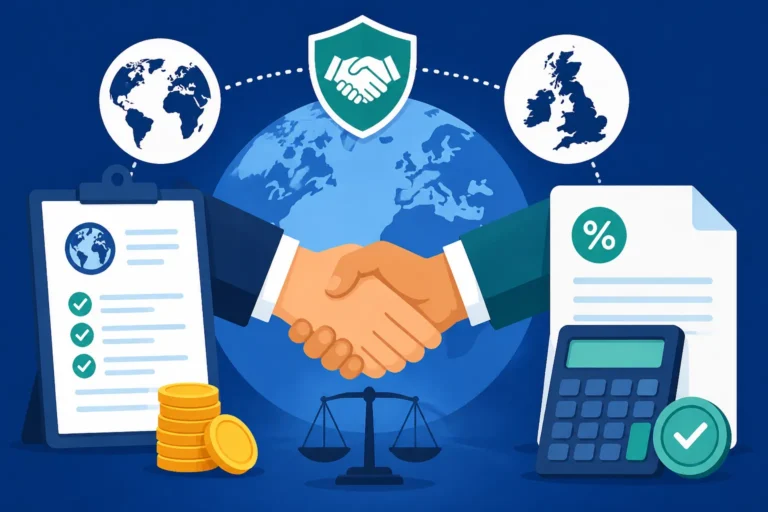
Crucially, managing money across borders also has potential tax implications in the UK. If you're receiving income from abroad, or have foreign assets, you'll need to understand how these are treated under UK tax law. The UK tax system can be complex, especially for non-domiciled individuals or those with significant overseas income. It’s not just about what you earn in the UK; what you bring into the country or how your overseas assets perform can also be subject to UK tax. For example, if you're self-employed with clients abroad, you'll need to consider this when Filing a Self Assessment Tax Return with HMRC in the UK: The Complete Walkthrough (2027). It’s highly recommended to seek professional advice to ensure you're compliant. Services like Taxes for Expats specialise in navigating these complexities and can provide invaluable guidance on everything from income tax to capital gains tax. Understanding your tax residency status is paramount, and a thorough review of The Complete Guide to Taxes in the UK for Expats (2027) would be a smart move.
Troubleshooting and Common Expat Banking Issues
Let's face it, things don't always go smoothly, especially when you're dealing with bureaucracy in a new country. Expats often encounter unique challenges when it comes to banking in the UK, from unexpected rejections to technical glitches. Knowing how to troubleshoot these common issues can save you a lot of stress and wasted time.
What to Do If Your Application is Rejected
It’s disheartening, but it happens: you’ve applied for a bank account, feeling confident, only to receive a rejection. Don't despair; this isn't necessarily the end of your banking journey in the UK. Common reasons for rejection include insufficient or unsuitable proof of address, an incomplete application, or sometimes even a lack of credit history if you’ve only just arrived. Traditional banks, in particular, can be very risk-averse with new residents.
If your application is rejected, your first step should be to ask the bank for the specific reason for the refusal. This is crucial as it will inform your next move. If it was due to a document issue, see if you can source a different form of proof. For example, if they didn't accept your employer letter, perhaps a letter from your local council regarding your Council Tax and Bands for Residents in the UK will be more suitable once you've secured a long-term rental. If a traditional bank rejects you, pivot to a challenger bank like Monzo or Starling immediately. As mentioned earlier, their digital-first approach and often more flexible requirements for new arrivals make them a lifesaver for many expats. They understand the "chicken and egg" problem better than older institutions. Persistence is key, and often, it’s just a matter of finding the right bank that aligns with your current documentation situation. For more guidance on this, have a look at How to Open a Bank Account at a UK Bank as a Newcomer.
Dealing with Technical Glitches and Customer Support
In our increasingly digital banking world, technical glitches are an inevitable part of the experience. Whether your app is crashing, online banking isn't loading, or a transaction isn't showing up, these issues can be incredibly frustrating, especially if you're reliant on your digital platforms.
If you encounter a technical glitch, a few common troubleshooting steps can often resolve it: try restarting your app or browser, clearing your cache, or trying a different internet connection. If the problem persists, it's time to contact your bank's customer support. Most banks offer multiple channels: phone support (often a specific number for online/mobile banking issues), in-app chat (particularly useful for challenger banks), and secure messaging through your online banking portal. When you contact them, be clear and concise about the problem, providing any error messages or screenshots you might have. For critical issues like suspected fraud or an incorrect transaction, call them immediately using the number on your bank's official website or the back of your card. Always be wary of unsolicited calls or texts claiming to be from your bank; legitimate banks will never ask you for your full password or PIN over the phone or via text message. They might ask for specific characters of your password, but never the whole thing.
Comparing Banking Options for Expats in the UK
To help you make an informed decision, here's a quick overview contrasting the features of traditional high-street banks with those of modern challenger banks, particularly from an expat's perspective.
| Feature | Traditional Banks (e.g., Barclays, Lloyds, HSBC) | Challenger Banks (e.g., Monzo, Starling, Revolut) |
|---|---|---|
| Ease of Opening | Often difficult for new expats due to strict proof of address requirements. | Generally much easier, often accepting digital ID and temporary addresses. |
| Proof of Address | Requires established UK utility bills, tenancy agreements, council tax letters. | More flexible; can sometimes use BRP, employment letter, or even just ID. |
| Account Opening Time | Can take days or weeks for approval and card delivery. | Often instant account setup via app; physical card arrives within a few days. |
| Physical Branches | Extensive network of branches for in-person service. | No physical branches; all service is digital via app or online. |
| Mobile App Features | Solid, but sometimes less intuitive. Basic budgeting and transaction viewing. | Excellent, intuitive apps. Advanced budgeting, spending insights, instant alerts. |
| International Transfers | Available, but often with higher fees and less competitive exchange rates. | Competitive rates and lower fees (especially with services like Wise integrated). |
| Customer Support | Phone lines, in-branch, online chat (varies). | Primarily in-app chat, email, phone (less common for daily issues). |
| Suitability for Expats | Good for long-term, established residents; can be tricky initially. | Ideal for new arrivals needing a quick, easy, and flexible first UK account. |
Disclaimer
Please remember that while I strive to provide accurate and up-to-date information, the world of finance, taxes, and immigration in the UK can change rapidly. This guide is for general informational purposes only and does not constitute financial, legal, or tax advice. You should always consult with qualified professionals for advice tailored to your specific situation. Banking products, services, and requirements can vary between institutions and may be subject to change.