How to Use an Oyster Card and Public Transport in the UK
Navigating public transport in the UK can feel like trying to solve a Rubik's Cube while blindfolded, especially when you've just arrived and are still reeling from the culture shock. It's a system that's both brilliantly efficient in places and bafflingly complex in others. This guide is here to untangle the bus routes, Tube lines, and train schedules, helping you confidently use an Oyster card and understand the wider public transport network across the UK.
Understanding the UK's Public Transport Network
When you first arrive in the UK, especially in a bustling metropolis like London, the sheer variety of transport options can be overwhelming. You've got the iconic Tube, the ubiquitous red buses, trams, DLR, Overground, National Rail services, and a plethora of regional bus and coach companies. It's not a single, unified system, which is often the biggest headache for newcomers. Each city, and often each region, has its own quirks, pricing structures, and even specific travel cards. Don't worry, we've all been there, standing at a bus stop squinting at a timetable, wondering if you're even in the right place.
A Patchwork, Not a Uniform Quilt
One of the first things you'll realise about public transport in the UK is that it's far from a monolithic entity. Unlike some countries where a single national authority dictates everything, the UK operates a more fragmented system. In London, Transport for London (TfL) manages most services – the Underground, buses, trams, DLR, Overground, and some National Rail lines within Greater London. This means a relatively integrated ticketing system for the capital. However, step outside London, and you're entering a different world.
For instance, in Manchester, you'll find Transport for Greater Manchester (TfGM) overseeing local buses, trams (Metrolink), and trains, often with their own set of integrated tickets or passes. Head to Birmingham, and you're dealing with Transport for West Midlands. It's easy to feel frustrated when what worked perfectly in London suddenly doesn't apply elsewhere. This regional variation extends to everything from how tickets are bought to the type of travel cards available. It's a common expat gripe, and for good reason – it requires a bit more research on your part for each new area you visit or move to. So, remember, what applies to London might not apply to Glasgow, and vice versa.
Key Modes of Transport Across the Nation
Despite the regional differences, the core modes of transport remain largely consistent across the UK. Trains are crucial for inter-city travel, connecting major hubs like London, Manchester, Edinburgh, and Cardiff. These services are run by various private operators under the National Rail umbrella, so you might find yourself on a train operated by Avanti West Coast one day and LNER the next, even on the same route if you choose different times.
Buses are the backbone of local transport, serving urban, suburban, and rural areas. While London's red buses are famous, every town and city has its own local bus network, often operated by companies like Stagecoach, Arriva, or First Bus. Coaches, like National Express or Megabus, offer a more economical, though often slower, alternative for longer journeys between cities, perfect for those on a tighter budget or those who simply enjoy seeing the countryside roll by. Then, of course, there are urban rapid transit systems like the London Underground (the "Tube"), Manchester Metrolink trams, and the Glasgow Subway, providing quick travel within specific city boundaries. Each has its own rhythm and rules, and getting to grips with them is key to truly feeling at home here.
The Mighty Oyster Card: Your Gateway to London Travel
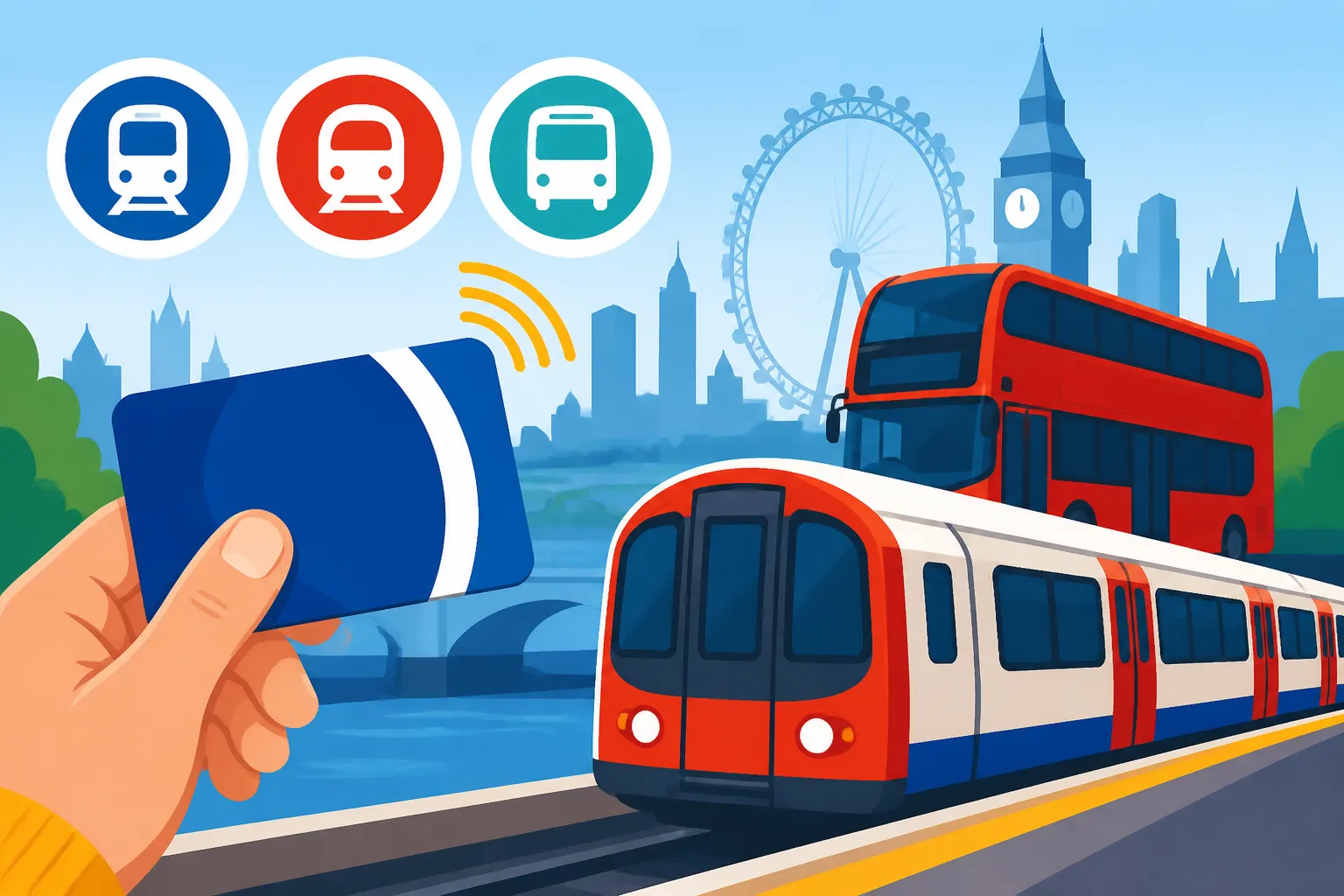
Ah, the Oyster card. If you're spending any significant time in London, this little blue card will become your best friend. It's not just a piece of plastic; it's your key to unlocking the vast, intricate network of London's public transport system, making daily commutes and weekend explorations significantly smoother. Many expats, myself included, felt a moment of triumph the first time we successfully tapped in and out of a Tube station without a hitch. It really does simplify things, even if it adds another card to your already overflowing wallet.
What Exactly is an Oyster Card?
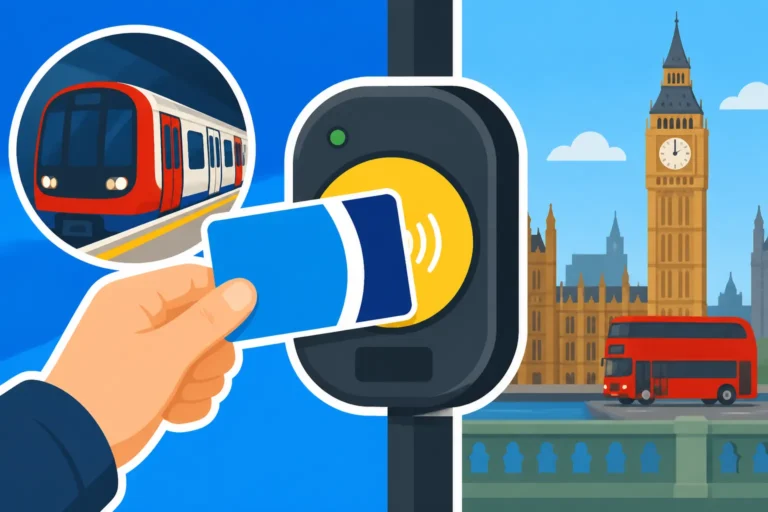
At its heart, an Oyster card is a smartcard that you load with money (pay as you go credit) or travel passes (like a 7-day Travelcard). When you use it on the Tube, DLR, London Overground, Elizabeth line, or National Rail services within London, you tap it on a yellow reader at the start and end of your journey. The system then calculates the fare based on the zones you've travelled through. On London buses and trams, you only need to tap it once when you board. The genius of the Oyster card is its "daily capping" feature. This means that no matter how many journeys you make in a single day, you'll never pay more than the cost of an equivalent daily Travelcard for the zones you've travelled in. It automatically applies the best fare, saving you the headache of figuring out complicated pricing.
This automatic capping is a huge relief for anyone, especially when you're new to the city and constantly navigating different parts of town. Imagine you're exploring the British Museum in Bloomsbury and then decide to pop over to the Tower of London – with an Oyster card, you don't need to stress about buying multiple tickets or overpaying. It takes care of it for you, giving you peace of mind that you're always getting a fair deal up to that daily limit. It's really the unsung hero of many London-based expats' daily lives.
Where the Oyster Card Shines and Where it Doesn't
The Oyster card is brilliant for travel within Greater London. It works seamlessly across the entire TfL network, including the Tube, London buses, trams, the DLR, London Overground, the Elizabeth line, and most National Rail services within the TfL fare zones (Zones 1-9). If your daily life revolves around London, an Oyster card is pretty much essential. It also works for the IFS Cloud Cable Car (formerly Emirates Air Line) and some river bus services, making it versatile for both commuting and sightseeing.
However, it's crucial to understand its limitations. The Oyster card does not work on National Rail services that travel outside the TfL fare zones. For example, if you're taking a train from London to Brighton or from London to Cambridge, your Oyster card won't get you there. You'll need to purchase a separate paper ticket or use contactless payment for these longer journeys. This is a common point of confusion for new arrivals who assume it's a 'national' travel card. So, while it's a London lifeline, remember its geographical boundaries. For those thinking about moving their belongings over, knowing these transport distinctions can help you plan your travel arrangements around the larger logistical challenge, perhaps coordinating with a service like Sirelo which can help with international moves.
Getting and Topping Up Your Oyster Card
Getting an Oyster card is thankfully quite straightforward. You can purchase one at any Tube station, Oyster Ticket Stop, or selected National Rail stations within London. There's usually a refundable deposit for the card itself, which in 2024 is £7. Once you have the card, you can top it up with "pay as you go" credit at ticket machines in Tube and DLR stations, at Oyster Ticket Stops, and even online if you register your card. Most machines accept cash, debit, or credit cards.
Topping up is generally quick and easy, which is a blessing when you're rushing for a train. You just touch your card on the yellow reader, select "Top up Oyster," choose the amount, and pay. When you register your Oyster card online, it provides added benefits, such as protecting your balance if the card is lost or stolen, and allows you to view your travel history and apply for refunds. This small administrative step, which you can do from your phone, can save you a lot of hassle down the line – a little bit of foresight always helps when you're dealing with bureaucracy in a new country, as you'll learn quickly when managing things like Understanding the Cost of Living in the UK for Expats (2026).
Navigating the Tube, Buses, and Trams in London
London's transport network can seem like a daunting spaghetti junction at first glance, but once you get the hang of it, it's incredibly efficient. The key is understanding how each mode of transport plays its part and how to use them effectively for your daily needs or tourist adventures. From the deep underground rumble of the Tube to the double-decker views from a bus, each offers a unique experience and utility.
Deciphering the London Underground (The Tube)
The London Underground, affectionately known as the Tube, is arguably the most famous and efficient way to zip around central London. It’s been running since 1863, and its history is palpable in some of the older stations. Each line has a distinct colour and name (e.g., Central Line – red, Piccadilly Line – dark blue), which makes navigation surprisingly intuitive once you have a map. You'll hear announcements about "Mind the Gap," a phrase that has become synonymous with London itself.
When using the Tube, always remember to touch in and touch out with your Oyster card or contactless payment card. For most journeys, the fare is calculated based on the zones you travel through, and peak (Monday-Friday, 06:30-09:30 and 16:00-19:00) and off-peak times have different pricing. Peak fares are higher, so if you have flexibility, travelling outside these hours can save you a bit of money. For example, a journey from Zone 1 to Zone 3 might cost £3.80 during peak hours and £2.90 off-peak. Standing on the right on escalators and moving quickly through stations are unwritten rules that Londoners hold dear – follow them to avoid dirty looks! It's an unspoken etiquette you quickly pick up, much like learning to queue for everything.
Mastering London's Bus Network
London's red double-decker buses are iconic and offer a fantastic way to see the city, often at a much slower pace than the Tube, but with great views. The bus network is extensive, reaching almost every corner of London. Unlike the Tube, you only need to tap your Oyster card or contactless payment card once when you board the bus – you don't tap out. This means every bus journey costs a flat fare (currently £1.75 as of late 2024, subject to change).
One brilliant feature for expats is the "Hopper fare," which allows you to make unlimited bus and tram journeys within an hour of first touching in, for the price of a single fare. This is perfect if you need to switch buses to reach your destination. Bus stops have clear signs indicating route numbers and destinations, and many also have digital displays showing real-time arrival information. Google Maps or the Citymapper app are invaluable for planning bus journeys, as they provide live updates and step-by-step directions. When you’re trying to figure out How to Set Up a Mobile Phone Plan in the UK, remember that a reliable data plan is essential for these apps. For those on a tight budget, buses are often the cheapest way to get around London, especially for shorter distances, though they can be slow in heavy traffic.
Trams, DLR, and Overground: Expanding Your Reach
Beyond the Tube and buses, London has several other vital transport modes that serve specific areas. The Docklands Light Railway (DLR) is a fully automated train system serving East London and the Docklands area, offering fantastic views as it glides above ground. It's particularly useful for getting to places like Canary Wharf, Stratford, or London City Airport. Like the Tube, you tap in and out with your Oyster or contactless card, and fares are zone-based.
The London Overground is a network of suburban rail routes that connect many parts of Outer London, acting as a crucial orbital service, often linking areas not directly served by the Tube. It uses standard Tube ticketing, so again, tap in and out. Lastly, the London Trams primarily serve South London, connecting Wimbledon, Croydon, Beckenham, and New Addington. They operate like buses in terms of ticketing (single tap-on, flat fare, Hopper fare applies), but on dedicated tracks. Each of these services integrates seamlessly with the Oyster and contactless payment system, making transfers relatively easy once you understand their respective routes. This integrated approach is a huge plus when you're trying to figure out What Is the Best Way to Get Around London Without a Car?
Beyond London: Public Transport Across the UK
Stepping outside the London bubble, the public transport landscape shifts considerably. While the capital enjoys a highly integrated system, the rest of the UK operates with a more varied approach. You'll find excellent regional networks in some cities and towns, while others might rely more heavily on inter-city services.
National Rail: Connecting Cities and Towns
For travel between cities and major towns across the UK, National Rail services are your primary option. This network is a complex beast, with numerous private train operating companies (TOCs) running services under the National Rail umbrella. You might encounter companies like LNER for journeys up the East Coast, Avanti West Coast for routes to Birmingham, Manchester, and Glasgow, or Great Western Railway for trips to the West Country.
Booking tickets for National Rail is often best done in advance, especially for longer journeys, as "Advance" tickets can be significantly cheaper than buying on the day. You can purchase tickets online through individual TOC websites, or through general booking platforms like National Rail Enquiries. The cost can vary wildly depending on the time of day, how far in advance you book, and whether it's peak or off-peak. For example, a last-minute peak return ticket from London to Manchester could easily run you over £150, while an Advance single could be as low as £30. It’s worth exploring options like split ticketing (buying separate tickets for different legs of a journey to save money) or using a Railcard (more on that later). Getting to grips with the National Rail system is a key part of truly understanding The Complete Guide to Cost of Living in the UK for Expats (2026), as travel costs can add up quickly.
Regional Bus Networks and Local Services
Once you leave London, buses become even more varied. Many cities and towns have their own dedicated bus operators and regional transport authorities. For instance, in Manchester, the Metrolink tram network is a fantastic way to get around the city centre and surrounding areas, complemented by a comprehensive bus network managed by Transport for Greater Manchester (TfGM). Here, you might use a 'travelcard' that covers both buses and trams within the city. Similarly, cities like Birmingham, Bristol, and Edinburgh have extensive local bus services.
Fares for regional buses are typically paid to the driver, either with cash (exact change sometimes required) or increasingly with contactless debit/credit cards. Some areas offer regional travel cards or apps for easier payment. For instance, in West Yorkshire, you might use a MCard. Always check the local transport authority's website for the specific city or region you're in. This is where a good mobile data plan, perhaps with an eSIM from Airalo, comes in handy, allowing you to quickly check routes and fares on the go without scrambling for Wi-Fi. It’s a bit of a learning curve, but once you identify the main bus companies in your area, it becomes second nature.
Coaches: The Long-Distance Budget Option
For longer distances, especially if trains are too expensive or you're not in a rush, long-distance coaches are a fantastic option. National Express and Megabus are the two main operators, connecting hundreds of towns and cities across the UK. Coach travel is generally significantly cheaper than train travel, particularly if booked in advance, but it does take longer due to traffic and more frequent stops.
A journey from London to Edinburgh, for example, could take around 8-10 hours by coach but might cost a third of the price of a train ticket. Coaches offer a comfortable ride, often with amenities like Wi-Fi and power outlets, making them a popular choice for students and budget-conscious travellers. You book tickets online, receive an e-ticket, and simply show it to the driver when you board. While perhaps not ideal for urgent journeys, coaches provide a cost-effective and often scenic way to explore the country and are particularly useful when you're moving house and need to travel light before your main belongings arrive with a service like Sirelo.
Planning Your Journey and Essential Apps
Successfully navigating the UK's public transport system, particularly outside of London, often comes down to good planning. The good news is that technology has made this significantly easier. Gone are the days of fumbling with giant paper maps; now, your smartphone is your best friend.
Must-Have Travel Apps and Websites
Living in the UK means embracing a few key apps that will become indispensable for planning your journeys. Top of the list for London is Citymapper. This app is an absolute lifesaver. It integrates all modes of transport – Tube, bus, train, DLR, tram, even walking and cycling – and provides real-time information, estimated travel times, and even calculates the cost of your journey. It's incredibly user-friendly and highly accurate. For anywhere else in the UK, Google Maps is a solid contender, offering public transport options, live updates, and navigation.
For train travel specifically, the National Rail Enquiries app and website are essential. They provide up-to-the-minute departure and arrival times, platform numbers, disruption alerts, and allow you to buy tickets. Other useful apps include specific operator apps (e.g., TfL Go for London Tube status, Stagecoach or First Bus apps for local bus routes) and third-party ticket retailers like Trainline or Omio, which can sometimes show you cheaper routes by different operators. Having these apps downloaded and ready on your phone, coupled with a reliable mobile data plan, is as crucial as remembering your passport when you're moving here, as discussed in The Complete Guide to Moving to the UK: Your First 90 Days (2027).
Understanding Peak, Off-Peak, and Fares
A major frustration for many newcomers is the concept of peak and off-peak fares, particularly on National Rail services and the London Underground. Peak times generally refer to weekday mornings and evenings when commuters are travelling – usually 06:30 to 09:30 and 16:00 to 19:00. Fares during these periods are significantly higher. Off-peak fares apply at all other times, including weekends and public holidays.
The difference can be substantial. For example, a single Tube journey in Zone 1 during peak hours might cost £2.80, but off-peak, it drops to £2.70. On National Rail, this difference is even more pronounced, with peak tickets often being double or triple the price of off-peak or Advance tickets. Always try to travel off-peak if your schedule allows, and if booking National Rail, always check various times and dates. Flexible tickets (Anytime, Off-Peak) allow you to travel at different times but are more expensive than Advance (fixed-time) tickets. Understanding this dynamic is key to managing your budget, which is a big part of dealing with What Is the Cost of Living for a Single Person in London? or indeed anywhere in the UK.
Money-Saving Tips and Concessions
One of the biggest concerns for expats in the UK is the cost of living, and transport can be a significant chunk of that budget. Thankfully, there are several ways to cut down on your public transport expenses, from travel cards to railcards, and even understanding the benefits of contactless payment.
Travelcards and Season Tickets
For those living and working in London, or commuting regularly, a Travelcard or a season ticket (also known as a 'period pass') can offer substantial savings over "pay as you go" fares. A Travelcard can be loaded onto an Oyster card and provides unlimited travel within specific zones for a set period – typically 7 days, 1 month, or annually. If you're commuting daily from Zone 4 into Zone 1, a monthly Travelcard will almost certainly be cheaper than paying daily with Oyster pay as you go, because the daily cap adds up.
Similarly, outside London, many regional transport authorities offer season tickets or multi-journey passes for buses and/or trams. For example, in the West Midlands, you can buy a Swift card season ticket. On National Rail, you can also purchase season tickets for specific routes if you commute by train daily. Always calculate your expected journeys and compare the cost of a season ticket against individual fares or daily caps. It often works out cheaper if you travel more than 3-4 days a week on the same route.
| Feature | Oyster Card (Pay As You Go) | Contactless Payment (Card/Phone) | 7-Day Travelcard (on Oyster) |
|---|---|---|---|
| Coverage | London Tube, Bus, Tram, DLR, Overground, Elizabeth Line, most National Rail in London zones | Same as Oyster Card | Same as Oyster Card |
| Fare Calculation | Automatic daily capping, calculates cheapest fare | Automatic daily capping, calculates cheapest fare | Unlimited travel within chosen zones |
| Upfront Cost | £7 refundable deposit for card | None, use existing bank card | Cost of Travelcard for zones |
| Convenience | Easy to top up, track balance (if registered) | Extremely convenient, no topping up needed | Set and forget for the week |
| Best For | Irregular travel, short visits | Frequent travellers who don't want another card | Regular commuters within London |
| Loss Protection | Yes, if registered | Via your bank | Yes, if on registered Oyster |
Railcards: Unlocking Discounts
For National Rail travel outside London, Railcards are an absolute game-changer for saving money. These are annual discount cards that typically cost £30 but give you 1/3 off most train fares in Great Britain. There are various types, catering to different demographics:
- 16-25 Railcard: For young people and full-time students.
- 26-30 Railcard: For young professionals, available as a digital card.
- Two Together Railcard: For two named people travelling together.
- Family & Friends Railcard: For groups with at least one child and one adult.
- Senior Railcard: For those aged 60 and over.
- Disabled Persons Railcard: For eligible individuals.
If you make just a few long-distance train journeys a year, a Railcard will quickly pay for itself. For example, a return journey from London to Manchester might save you £30-£50 with a Railcard, covering its annual cost in one trip. You can buy them online or at most staffed train stations. They can be particularly useful when exploring different parts of the UK, helping you see the sights without breaking the bank. Just remember to always carry your Railcard when travelling, as ticket inspectors will ask to see it alongside your discounted ticket. This is a brilliant way to keep an eye on your expenses when exploring different regions and deciding where to settle, much like looking into How Do I Choose Between London, Manchester and Edinburgh to Live In?.
Contactless Payments: The Oyster Alternative
Here's a fantastic piece of information for newcomers: you don't have to get an Oyster card for London if you have a contactless debit or credit card, or a payment-enabled device (like your phone or smartwatch). In London, contactless payment works exactly like an Oyster card for "pay as you go" fares, including the crucial daily capping. You simply tap your contactless bank card or device on the yellow reader at the start and end of your Tube/rail journey, or once on a bus/tram.
This is incredibly convenient, especially for short-term visitors or those who prefer to keep their wallet streamlined. The system automatically calculates the correct fare and applies daily and weekly caps (Monday to Sunday), ensuring you pay the cheapest possible fare for your travel. However, a key thing to remember is to always use the same card or device to tap in and out. Mixing them up (e.g., tapping in with your physical card and out with your phone using the same card details) will lead to incomplete journeys and potentially maximum fares. While contactless payments are widely accepted in London, and increasingly on regional buses, they don't offer the Railcard discounts on National Rail that an actual paper ticket or app booking would. So, while easy, consider your travel habits. For expats looking to streamline their initial setup in the UK, this can be a simple way to manage early transport needs without adding another card to the mix.
Disclaimer
Please note that public transport fares, rules, and regulations in the UK are subject to change by relevant authorities (e.g., Transport for London, National Rail). This guide provides general information accurate at the time of writing, but we recommend checking official transport websites and apps for the most current details before you travel.