What Is the Best Way to Send Money Abroad from the UK?
Oh, the joy of sending money home from the UK! If you've just moved here, or even if you've been around the block a few times like me, you'll know that navigating international money transfers can feel like trying to solve a Rubik's Cube blindfolded. From opaque exchange rates to baffling fees, it often feels like your hard-earned cash is disappearing into a black hole before it even reaches its destination. This guide is here to shed some light on the best ways to send money abroad from the UK, helping you keep more of your money where it belongs.
Navigating the Maze: Traditional Banking vs. Modern Solutions
When you first land in the UK, your instinct might be to stick with what you know – your local bank. And while familiar, for international transfers, this can often be the most expensive route. Thankfully, the world of finance has evolved dramatically, offering more transparent and cost-effective options.
The Old Guard: High Street Banks and Wire Transfers
Let's start with the familiar players. When you walk into a branch of Barclays, HSBC, Lloyds, or NatWest here in the UK, or log into their online banking, you can send money internationally. This typically happens via the SWIFT network, a global messaging system that allows banks to communicate securely.
The problem? It's often slow, expensive, and opaque. You'll usually encounter a few types of fees:
- Sending Fees: A fixed charge from your UK bank for initiating the transfer, which can range from £10 to £30, sometimes even more for urgent transfers.
- Receiving Fees: Believe it or not, the recipient's bank abroad might also charge a fee to receive the money. This can be a nasty surprise for your loved ones.
- Intermediary Bank Fees: This is the real kicker. For transfers between banks that don't have a direct relationship, your money might pass through one or more intermediary banks, each taking a slice. It's like a relay race where every runner demands a toll.
Beyond these explicit fees, the biggest cost often lies in the exchange rate. High street banks rarely offer you the "mid-market rate" – the rate you see on Google or Reuters. Instead, they apply a significant markup. This means for every pound you send, fewer euros, dollars, or rupees arrive at the other end. For example, if the mid-market rate is 1 GBP = 1.15 EUR, your bank might offer you 1.12 EUR, pocketing the difference. Over large sums, this adds up to a substantial amount. While you might feel a sense of security dealing with a large, established bank, that security often comes at a premium that significantly erodes your transfer value.
Then there are wire transfer services like Western Union or MoneyGram. These are fantastic for speed, especially if the recipient needs cash quickly and doesn't have a bank account, or if they're in a location where banking infrastructure is less developed. You can often send money for cash pickup within minutes. However, this speed and convenience come at a price. Their fees are typically higher, and their exchange rates are notoriously poor, making them suitable only for urgent, smaller amounts where cost is less of a concern than immediate access.
The New Kids on the Block: Online Money Transfer Services
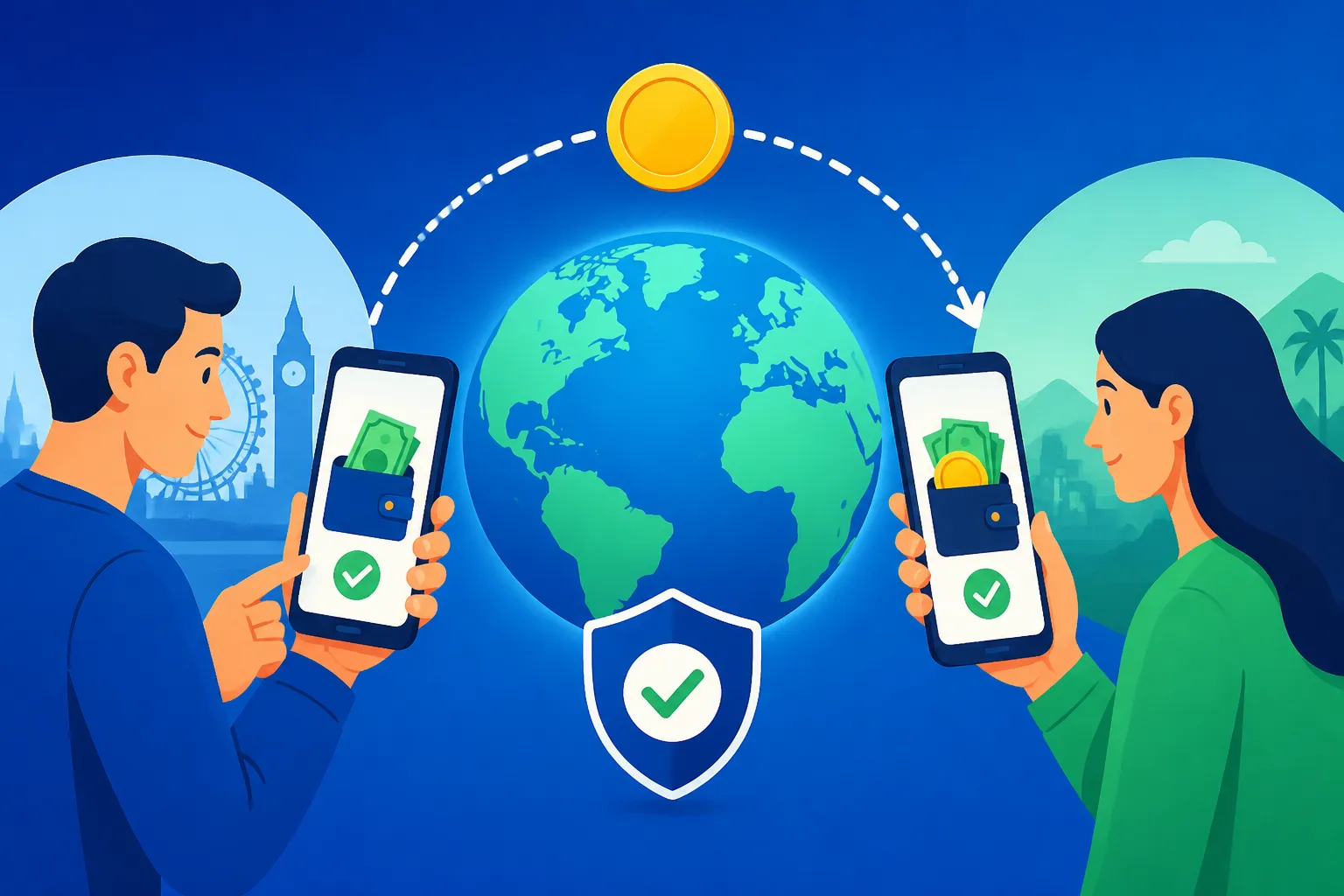
This is where the game changed. In recent years, a wave of fintech companies has emerged, specifically designed to make international money transfers faster, cheaper, and more transparent. These online services leverage technology to bypass the traditional SWIFT network, often using local bank accounts in various countries to facilitate transfers.
How does it work? Let's say you want to send money from your UK bank account to a friend's account in Germany. Instead of your UK bank sending money directly to the German bank via SWIFT, an online service might take your pounds into their UK account, and then disburse euros from their German bank account to your friend. This 'local' transfer method reduces fees and speeds things up dramatically. The best part? They generally offer much better exchange rates, often very close to the mid-market rate, with transparent, upfront fees.
These services have become a lifeline for expats in the UK, offering a genuine alternative to the often-punishing costs of traditional banks.
Deciphering the Costs: Exchange Rates, Fees, and Hidden Markups
Understanding the true cost of sending money abroad is paramount. It’s not just about the upfront fee; it’s about the total amount the recipient receives.
Unpacking Exchange Rates: The Mid-Market vs. Bank Rates
This is the number one area where your money can vanish without a trace. The mid-market rate (also known as the interbank rate or the real exchange rate) is the midpoint between the buy and sell prices of a currency on global markets. It's the rate you'd typically see if you googled "GBP to EUR" or checked a reputable financial news site. This is the fairest rate.
Traditional banks, however, seldom offer this rate. Instead, they apply a markup – they buy currency at the mid-market rate and then sell it to you at a slightly worse rate, keeping the difference as profit. This markup is effectively a hidden fee. For instance, if you're sending £1,000 and the bank's markup is 2%, you're effectively paying £20 in a hidden fee, on top of any explicit transfer charges. This often makes the cost of healthcare in the UK for expats, already a consideration, even higher when factoring in sending money for family medical bills, for example.
Online money transfer services, on the other hand, are celebrated for their commitment to transparency. Many, like Wise, pride themselves on using the mid-market rate or something very close to it. They make their money through small, explicit transaction fees, which are clearly shown before you confirm your transfer. This transparency allows you to see exactly how much your recipient will get, making it much easier to compare different services.
Visible and Invisible Fees: What You Really Pay
When evaluating different services, you need to look at both the explicit and implicit costs:
- Fixed Fees: Some services charge a flat fee, regardless of the amount you send. This can be cost-effective for larger transfers but less so for smaller ones.
- Percentage Fees: Other services charge a percentage of the amount being sent. This can be beneficial for smaller transfers but can quickly become expensive for large sums.
- Combined Fees: Many services use a combination, for example, a small fixed fee plus a percentage.
- Third-Party Fees: As mentioned with traditional banks, intermediary banks can still crop up, though less frequently with modern online services. Always check if the service guarantees the exact amount delivered to the recipient, or if there's a possibility of further deductions.
It’s crucial to use the comparison tools offered by these services or independent comparison websites to get a full breakdown of the fees and the final amount your recipient will receive. Don't just look at the 'fee' section; always look at the 'total received' amount.
Speed and Convenience: How Fast Do You Need It?
Beyond cost, how quickly the money arrives is often a critical factor.
- Traditional Banks: SWIFT transfers can take anywhere from 1 to 5 business days, sometimes longer if there are public holidays or weekends involved, or if the money passes through many intermediary banks.
- Online Transfer Services: This is where they truly shine. Many offer same-day or next-day transfers, especially for popular currency corridors. Some can even be near-instant, particularly if you're sending smaller amounts to a mobile wallet or for cash pickup. The speed can depend on:
- Funding method: Paying with a debit card or directly from your bank account via Faster Payments (in the UK) is usually quicker than a bank transfer that might take an extra day to clear.
- Delivery method: Bank deposits are generally faster than cash pickups or mobile wallet top-ups in some regions.
- Recipient country and bank: The banking infrastructure in the destination country plays a role.
If you're in a rush to send money, ensure the service you pick explicitly states its transfer times for your specific corridor. Understanding how to transfer money into and out of the UK as an expat means weighing up these factors carefully.
Choosing Your Champion: A Deep Dive into Popular Services
The market for international money transfers is bustling with choices. Let's look at some of the leading options expats in the UK often consider.
The Fintech Frontrunners: Wise and Other Transparent Options
Wise (formerly TransferWise) is probably the name you'll hear most often among expats. They are pioneers in transparency, offering the mid-market exchange rate and showing you all fees upfront. Their model allows them to offer significantly cheaper transfers than traditional banks. You can send money to a vast number of countries, and they support a multitude of currencies. Their platform is user-friendly, and they offer a mobile app for convenient transfers on the go. For many expats managing their money, especially with things like Filing a Self Assessment Tax Return with HMRC in the UK: The Complete Walkthrough, understanding where every penny goes is invaluable. Wise’s multi-currency accounts also allow you to hold funds in different currencies, which can be incredibly useful if you receive payments in a foreign currency or travel frequently.
Other strong contenders in this space include:
- Revolut: While primarily a digital bank, Revolut offers international money transfers at competitive rates, often using the interbank rate for many currencies within certain limits. They also offer a multi-currency account and other financial services, making them a popular choice for tech-savvy expats.
- Xoom (a PayPal service): If you're familiar with PayPal, Xoom offers a similar trusted interface specifically for international money transfers, often with options for bank deposit, cash pickup, or even home delivery in some countries. Their fees and rates can be competitive, but it's always worth comparing.
- WorldRemit: Specialising in transfers to developing countries, WorldRemit offers various payout options, including bank transfers, cash pickup, mobile money, and airtime top-up. They are known for their broad reach and commitment to serving diverse communities.
- Remitly: Similar to WorldRemit, Remitly focuses on transfers to specific corridors, often offering promotional rates for first-time users. They also provide options for bank deposits and cash pickup.
When considering these services, think about your specific needs: how often do you send money, how much, to which country, and how quickly does it need to arrive?
Niche Players and Specific Needs: When to Consider Alternatives
Sometimes, a specialist service might be better suited for particular circumstances:
- Large Transfers: For very large sums (e.g., buying property abroad or investing), dedicated currency brokers like OFX or CurrencyFair might offer even better rates and personalised service. They can also provide tools like forward contracts to lock in an exchange rate for a future transfer, protecting you from market fluctuations. This might be relevant if you're moving substantial funds after understanding Capital Gains Tax (CGT) in the UK from selling assets.
- Cash Pickups in Remote Areas: For recipients in areas with limited banking access, services like Western Union, MoneyGram, or specific corridors offered by WorldRemit or Remitly are still invaluable, despite their higher costs.
- Business Transfers: If you're a freelancer or running a small business, some platforms are tailored for business payments, offering invoicing features and integration with accounting software. This might be important for those who are self-employed and need to manage payments with international clients.
Practical Steps for Your First International Transfer
Ready to make a transfer? Here’s a typical step-by-step process you’ll follow with most online money transfer services:
- Choose a Provider: Select the service that best meets your needs after comparing rates and fees. For instance, if you decide on Wise, visit their website or download their app.
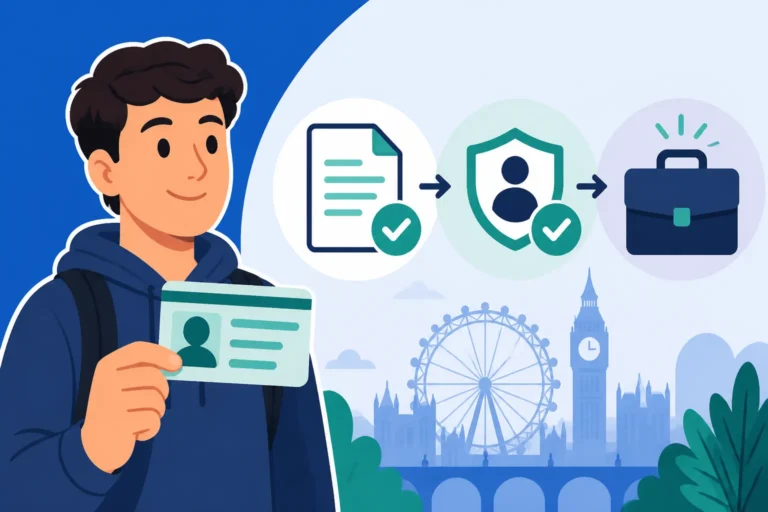
- Create an Account: You'll need to sign up, which involves providing your personal details, proof of identity (like your passport or UK driving licence), and proof of address. This is a standard Know Your Customer (KYC) requirement for financial institutions to prevent fraud and money laundering.
- Initiate Your Transfer:
- Enter the amount you want to send and the currency you want to send it in.
- The service will immediately show you the exchange rate, the total fees, and the exact amount your recipient will receive. This is your chance to compare and ensure you’re happy.
- Select the transfer speed you prefer (e.g., standard, fast).
- Add Recipient Details: You’ll need your recipient’s full name, address, bank name, bank account number (or IBAN for European transfers), and their SWIFT/BIC code. Accuracy here is crucial; even a small typo can cause significant delays or even loss of funds.
- Fund Your Transfer: You can usually pay via:
- Debit Card: Often the fastest and most convenient method, though sometimes incurs a small card processing fee.
- Bank Transfer (Faster Payments): You initiate a payment from your UK bank account to the service's UK bank account. This is usually free from your bank and fast.
- Credit Card: Usually the most expensive option due to high processing fees and potential cash advance charges from your credit card provider.
- Direct Debit: A slower method, where the service pulls funds directly from your account, typically used for recurring payments.
- Confirm and Track: Once funded, confirm the transfer. You'll receive a confirmation email and a tracking number. Most services allow you to track the progress of your transfer in real-time, giving you peace of mind.
Remember, the process to open a bank account at a UK bank as a newcomer can be a bit of a hurdle, so ensure your UK bank account is fully set up before attempting large transfers.
Essential Considerations and Expert Advice for Expats
Sending money internationally isn't just about finding the cheapest rate; it's about security, compliance, and peace of mind.
Understanding Transfer Limits and Security Measures
Every service will have daily, weekly, or monthly transfer limits. These are in place for security reasons and to comply with anti-money laundering regulations. If you need to send a very large sum, you might need to:
- Increase your limits: Contact customer support of your chosen service. They may require additional verification documents.
- Split the transfer: Send the money over several days or weeks if allowed and practical.
- Use a specialist currency broker: As mentioned earlier, these are designed for high-value transfers.
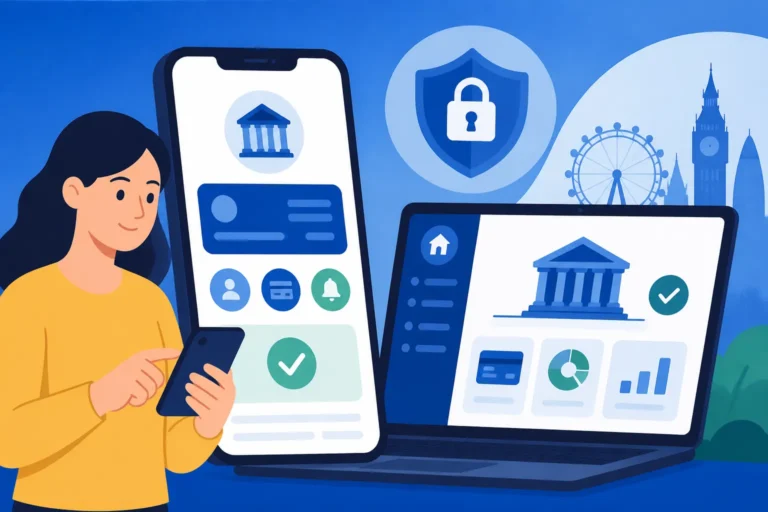
Security is paramount. Always ensure you're using a service that is regulated by the Financial Conduct Authority (FCA) in the UK. This provides a layer of protection for your funds. Look for features like two-factor authentication for your account, strong encryption, and clear privacy policies. A reputable service will never ask for your password via email or phone.
The Tax Man Cometh: Reporting Large Transfers
While sending money to family or transferring your own funds between accounts is generally not a taxable event in itself, large international transfers can sometimes attract scrutiny from tax authorities both in the UK (HMRC) and in the recipient country.
For most personal transfers – sending money to support family, paying for a holiday, or moving your own savings – there are no direct tax implications. However, if you're transferring very large sums (e.g., inheritance, proceeds from selling an asset, or a significant gift), it's wise to:
- Keep meticulous records: Document the source of funds, the reason for the transfer, and all transaction details.
- Understand reporting thresholds: Some countries have reporting requirements for incoming or outgoing transfers above a certain amount.
- Consult a tax specialist: If your financial situation is complex, or if you're dealing with substantial amounts, it's always a good idea to speak with a tax advisor, perhaps one specialising in international taxation like Taxes for Expats. They can clarify any potential obligations and ensure you remain compliant with HMRC and foreign tax laws. This is particularly crucial if you are an expat with complex financial arrangements or foreign income.
Keeping Track: Monitoring and Customer Support
After hitting 'send', you'll want to track your money. Most online platforms provide excellent tracking features, sending email or app notifications at each stage of the transfer. This transparency is a huge advantage over traditional banks, where you might be left guessing.
What happens if something goes wrong? This is where good customer service comes in. Check for:
- Availability: Do they offer 24/7 support, or are their hours limited?
- Channels: Can you reach them via phone, email, live chat, or all three?
- Language support: Are they able to assist you in your preferred language if English isn't your first?
Reading reviews from other expats can give you a good indication of a service's customer support quality. Nobody wants to be stuck in a financial bind with no one to call.
Here's a quick comparison of typical transfer options:
| Feature | Traditional UK Banks | Online Money Transfer Services (e.g., Wise) | Wire Transfer Services (e.g., Western Union) |
|---|---|---|---|
| Exchange Rate | Marked up from mid-market | Near mid-market rate | Significantly marked up |
| Fees | High (sending, receiving, intermediary) | Low, transparent, upfront | High fixed fees |
| Transfer Speed | 1-5 business days | Same-day to 2 business days | Minutes to hours (cash pickup) |
| Transparency | Often opaque, hidden costs | High, all fees shown upfront | Moderate, rates can fluctuate |
| Convenience | Online banking, branch visits | Online platform, mobile app | Agent locations, online |
| Security | Regulated, established | Regulated, robust security | Regulated, strong for cash |
| Best For | Very large, infrequent transfers | Regular, cost-effective transfers | Urgent, cash-based, small transfers |
Ultimately, the best way to send money abroad from the UK will depend on your individual circumstances. Always compare, always check the total amount your recipient will get, and always keep an eye on those sneaky exchange rate markups!
Disclaimer
The information provided in this guide is for general informational purposes only and does not constitute financial, legal, or tax advice. While we strive to keep the information up-to-date and correct, we make no representations or warranties of any kind, express or implied, about the completeness, accuracy, reliability, suitability, or availability with respect to the website or the information, products, services, or related graphics contained on the website for any purpose. You should consult with a qualified professional for advice tailored to your specific situation.