How Much Is the Cost of Living in the UK for Expats?
Oh, the sheer anxiety of trying to wrap your head around the cost of living in a new country! Moving to the UK, especially from abroad, can feel like you’re trying to navigate a financial labyrinth blindfolded. Suddenly, familiar expenses have unfamiliar price tags, and you’re faced with a whole new set of bills for everything from your morning cuppa to your monthly rent. This guide is here to untangle the real cost of living for expats in the UK, helping you prepare for what lies ahead without any nasty surprises.
The Big Picture: What Impacts Your UK Living Costs?
Before we dive into the nitty-gritty, it's crucial to understand that "the cost of living in the UK" isn't a single, fixed number. It's a dynamic beast, heavily influenced by where you choose to plant your flag and the lifestyle you decide to lead. As an expat, your experience will vary wildly depending on these foundational choices, and trust me, getting this right at the start can save you a world of financial heartache down the line.
Geographic Variations: City vs. Countryside
Let's be blunt: London is a financial black hole. It's vibrant, exciting, and offers unparalleled opportunities, but it comes with a price tag that can make your eyes water. Imagine paying upwards of £1,700 a month for a modest one-bedroom flat in a Zone 2 area, whereas that same amount might get you a spacious three-bedroom house with a garden in a charming town in, say, Yorkshire or the Midlands. The difference is stark, and it's often the biggest factor in an expat's budget.
Beyond London, other major cities like Manchester, Edinburgh, Bristol, or Brighton also have higher living costs compared to smaller towns or rural areas. For instance, a one-bedroom flat in Manchester might set you back around £900-£1,200 a month, while the same in Edinburgh could be £950-£1,300. These cities offer a great balance of urban amenities and slightly more manageable expenses than the capital. However, move to a quieter town like Lincoln or Exeter, and you'll find rents significantly lower, often in the £700-£900 range for a similar property. This geographic lottery impacts everything from your rent to your daily groceries and even your local transport options. It's truly a case of 'location, location, location' for your wallet.
Lifestyle Choices and Personal Spending
Beyond where you live, how you live will dramatically shape your monthly outgoings. Are you a minimalist who cooks all your meals at home and enjoys free parks, or do you crave daily flat whites, weekly dinners out, and regular theatre trips? Do you need a car, or will public transport suffice?
Consider your social life: London's vibrant nightlife and cultural scene are fantastic, but a pint of beer can easily cost £6-£7, and a cinema ticket £15+. Outside the capital, these costs generally soften. Your grocery shopping habits also play a huge role. Relying on convenience stores or eating out constantly will drain your funds far quicker than shopping at larger supermarkets like Tesco, Sainsbury's, or budget chains like Aldi and Lidl, and preparing meals at home. Even your choice of mobile phone plan or streaming services adds up. It's easy to get caught up in the excitement of a new country, but having a clear picture of your essential spending versus discretionary spending is absolutely key.
Breaking Down the Core Expenses for Expats
Now, let’s get down to the brass tacks: what are the actual numbers you can expect to see come out of your bank account? These are the non-negotiables, the expenses you simply can't avoid, and they often hit hardest when you're just settling in.
Accommodation: Renting, Buying, and Associated Costs
For most expats, renting is the first step, and it's usually the largest chunk of your monthly budget. Rents have been steadily climbing across the UK, especially in desirable areas. As mentioned, a one-bedroom flat in Central London could easily be £1,800-£2,500+, whereas a similar place in a well-connected suburban area might be £1,400-£1,700. If you’re looking further afield, you can get a better deal; for example, you can get a good idea of typical costs by looking at specifics like How Much Is the Average Rent for a One-Bedroom Flat in Manchester in 2026?. If London is calling, then checking specific guides like How Much Does It Cost to Rent a Flat in London in 2026? will give you a clearer picture.
Beyond the monthly rent, you'll need to factor in a deposit (typically 4-5 weeks' rent) which is legally protected in a scheme, and sometimes a month's rent in advance. While letting agent fees for tenants have been largely banned, you might still encounter holding deposits. Don't forget Council Tax, a local government tax based on your property's value and location. This is a separate bill from your rent and varies significantly, but it's an unavoidable expense for most residents, as detailed in guides like Understanding Council Tax and Bands for Residents in the UK.
If you're considering buying property, the costs are even more substantial upfront. You'll need a sizeable deposit, usually 10-20% of the property value, plus legal fees (conveyancing), Stamp Duty Land Tax (a property purchase tax), and potentially mortgage arrangement fees. While owning offers stability and equity, the initial outlay is significant. It's a big decision, and understanding How Much Are the Costs to Buy a House in the UK? is vital for anyone dreaming of homeownership here.
Utilities and Household Bills
Once you have a roof over your head, you'll need to power it. Gas and electricity bills vary massively depending on your property size, insulation, and how much you use, but expect to pay between £80-£200+ a month combined, especially with fluctuating energy prices. Winter months, understandably, will see these costs surge as you try to keep warm. Water bills are usually paid monthly or quarterly and can range from £25-£50 per month, depending on whether you have a water meter. Setting these up can be a bit of a dance, so a guide like How to Set Up Gas and Electricity in Your UK Home can be incredibly helpful.
Broadband and TV are also essential in modern life. Standard broadband packages typically start from £25-£40 per month, with faster fibre options costing more. You’ll also need a TV Licence if you watch or record live TV, or use BBC iPlayer, which currently costs around £169.50 per year. Getting connected is usually straightforward, but understanding your options can save you money, as explored in articles like How Do I Set Up Broadband in My UK Home?. And, don't forget your mobile phone! While waiting for a local SIM, a global eSIM service like Airalo can be a lifesaver, keeping you connected from day one without exorbitant roaming charges.
Groceries and Food
Food is a universal necessity, and the UK offers a wide range of options. If you cook at home most days, a single person can expect to spend around £40-£60 per week on groceries. For a couple, this might jump to £80-£120, and for a family, it can be significantly higher. Supermarkets like Aldi and Lidl are fantastic for stretching your budget, while Tesco, Sainsbury's, and Asda offer good value with wider selections. More premium options like Waitrose and Marks & Spencer come with a higher price tag.
Eating out, however, can quickly add up. A casual meal at a pub or a mid-range restaurant could be £15-£30 per person, without drinks. A coffee will typically be £3-£4, and a sandwich for lunch around £4-£6. If you're a fan of takeaway, a single meal can easily cost £10-£15. Being mindful of these choices will significantly impact your monthly food budget.
Transport and Commuting
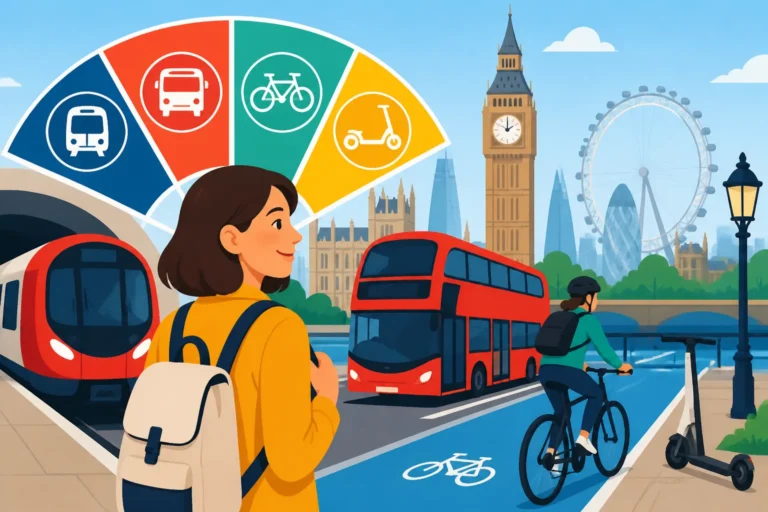
How you get around will be another major cost factor. In London, public transport is extensive but not cheap. An Oyster card or contactless payment for the Tube and buses is essential. A monthly Zone 1-2 travelcard can cost over £150, making commuting a significant expense for many. Outside London, public transport is generally more affordable but less comprehensive. Many cities have good bus networks, and train travel connects most towns, but train tickets, especially for inter-city travel, can be pricey if not booked in advance.
Owning a car in the UK, especially in urban areas, comes with its own set of costs. Fuel prices fluctuate but are consistently high compared to many other countries. Then there's car insurance, which can be eye-watering, especially for new drivers or those with foreign driving histories – a detailed look at How Much Is Car Insurance in the UK? is a must. Don't forget road tax (Vehicle Excise Duty), annual MOT tests, and potential parking permits or charges. In big cities, the benefits of owning a car are often outweighed by the costs and hassle, particularly in places like the capital where it's often asked, "Is It Worth Owning a Car in London?".
Beyond the Essentials: Other Significant Expenses
Once the basics are covered, there's a whole other layer of expenses that contribute to the expat experience. These are often forgotten in initial budgeting but are crucial for a comfortable life in the UK.
Healthcare and Insurance Considerations
As an expat on a visa, you've likely paid the Immigration Health Surcharge (IHS) as part of your application. This grants you access to the National Health Service (NHS), which provides free healthcare at the point of use for most services, much like a local resident. This covers GP appointments, hospital treatments, and emergency care. It's a huge benefit, and Understanding the Immigration Health Surcharge (IHS) and NHS Access (2027) is key. However, prescriptions come with a flat charge (currently around £9.90 per item in England, though free in Scotland, Wales, and Northern Ireland), and some dental and optical care also requires payment.
While the NHS is excellent, waiting lists for specialist appointments or non-emergency procedures can be long. Many expats opt for private health insurance to bypass these waits and access a wider choice of hospitals and consultants. Companies like Bupa, AXA, and Vitality offer various plans. It's a personal choice based on your priorities and budget, and guides like Health Insurance in the UK: Private Cover and Options Explained can help you weigh your options. Remember, in a true medical emergency, you'd always call 999, so understanding Emergency Medical Care in the UK: What Every Expat Needs to Know is paramount regardless of your insurance.
Education and Childcare
For expat families, education and childcare are major considerations. State schools are free and generally good quality, but securing a place, especially in highly-rated schools within desirable catchment areas, can be challenging. Many expats consider private schools, which offer excellent facilities and smaller class sizes but come with substantial fees. These can range from £15,000 to over £40,000 per year, per child, depending on the school and whether it’s a day or boarding school. If you're pondering this route, then "How Much Are Private School Fees in the UK?" will give you a stark reality check.
Childcare for younger children is also notoriously expensive in the UK. Full-time nursery care for a pre-school child can easily cost £1,000-£1,500+ per month, particularly in and around London. There are some government schemes for free childcare hours for 2, 3, and 4-year-olds, but these often don't cover full-time needs, and eligibility can be complex for newcomers.
Leisure, Entertainment, and Personal Care
This category is where your lifestyle truly comes into play. If you love to socialize, attend concerts, visit museums (many of which are free!), or enjoy sports, these costs will accumulate. A gym membership typically costs £20-£60 per month, depending on the facility and location. A night out at the pub for a few drinks could be £30-£50.
Haircuts, beauty treatments, and other personal care services also add up. A standard men's haircut might be £15-£30, while women's cuts can start from £40-£80, often more in high-end salons. While there are plenty of free activities like exploring parks, hiking, and visiting free galleries, managing your discretionary spending is key to enjoying life in the UK without constant financial stress. It’s also important to acknowledge the emotional cost of moving and to factor in funds for activities that help you settle in and maintain your well-being.
Practical Tips for Managing Your Finances in the UK
Moving countries is a massive undertaking, and it's easy to feel overwhelmed by the financial aspect. But with a bit of planning and some savvy strategies, you can absolutely make your money work for you in the UK.
Budgeting and Tracking Your Spending
This might sound obvious, but it's astonishing how many people skip this crucial step. Before you even pack your bags, try to create a realistic budget based on the city or region you plan to live in. Use online cost of living calculators, look at rental prices on property websites, and factor in everything we’ve discussed. Once you arrive, meticulously track your spending for the first few months. This isn't about being stingy; it's about understanding where your money actually goes.
There are countless apps (Monzo, Revolut often have good budgeting tools built-in) or simple spreadsheets that can help you categorize your expenses. Seeing your spending in black and white can be a real eye-opener and help you identify areas where you can cut back. Remember to factor in unexpected costs, too. Life happens, and having a small buffer for emergencies is always a good idea.
Finding Deals and Saving Money
The UK might have a reputation for being expensive, but there are always ways to save. For groceries, switch to own-brand products, look out for yellow sticker discounts (reduced items near their sell-by date), and shop at budget supermarkets like Aldi and Lidl. Meal planning can also drastically reduce food waste and impulse buys. Look for loyalty schemes at your favourite shops – Tesco Clubcard and Nectar points (Sainsbury’s) can offer significant savings over time.
For utilities, use comparison websites regularly (e.g., Uswitch, MoneySuperMarket) to ensure you're on the best gas, electricity, and broadband deals. Don't be afraid to switch providers if you find a better offer. When planning your relocation, don't forget to compare moving costs, too. Services like Sirelo can help you get quotes from various international movers, ensuring you find a competitive price for shipping your belongings. Every penny saved on big moves means more for enjoying your new life.
Financial Planning and Banking for Expats
One of the first things you'll need to sort out is your banking. Opening a bank account in the UK can be notoriously tricky for new arrivals without a proof of address. However, many digital banks or expat-friendly options have streamlined processes. Platforms like Monzo, Revolut, and Wise (formerly TransferWise) are popular choices for expats, offering quick account setup and often excellent exchange rates for international transfers. You can find more specific advice in our guide, The Expat Guide to Opening a Bank Account in the UK.
Beyond a basic current account, consider setting up a savings account or looking into investments once you're settled and have a National Insurance number. Understanding the UK tax system, including income tax and National Insurance contributions, is also critical for long-term financial health. Don't be afraid to seek professional financial advice, especially if you have complex financial situations or are planning to stay in the UK long-term.
Here's a quick snapshot of average monthly costs, just to give you a rough idea. Remember, these are averages and will fluctuate wildly based on your choices!
| Expense Category | Single Person (Outside London) | Single Person (London) | Couple (Outside London) | Couple (London) |
|---|---|---|---|---|
| Rent (1-bed flat) | £700 – £1,000 | £1,400 – £2,000 | £900 – £1,300 | £1,700 – £2,500 |
| Council Tax | £100 – £150 | £120 – £200 | £120 – £180 | £150 – £250 |
| Utilities (Gas, Elec, Water) | £80 – £150 | £90 – £180 | £120 – £220 | £140 – £250 |
| Broadband & TV Licence | £40 – £55 | £40 – £55 | £40 – £55 | £40 – £55 |
| Groceries | £160 – £240 | £200 – £300 | £320 – £480 | £400 – £600 |
| Public Transport | £50 – £100 | £100 – £180 | £80 – £150 | £180 – £300 |
| Leisure/Social | £150 – £300 | £250 – £500 | £300 – £600 | £500 – £1,000 |
| Total (Estimate) | £1,280 – £2,000 | £2,200 – £3,415 | £1,880 – £2,985 | £3,170 – £4,955 |
Note: These figures are indicative and highly dependent on individual lifestyle, location, and market fluctuations (especially energy prices).
Disclaimer
The information provided in this guide is for general informational purposes only and does not constitute financial, legal, or immigration advice. While we strive to keep the information up-to-date and accurate, costs, regulations, and market conditions in the UK can change rapidly. Always consult with qualified professionals for advice tailored to your specific situation.