How Much Does Energy Cost per Month in the UK?
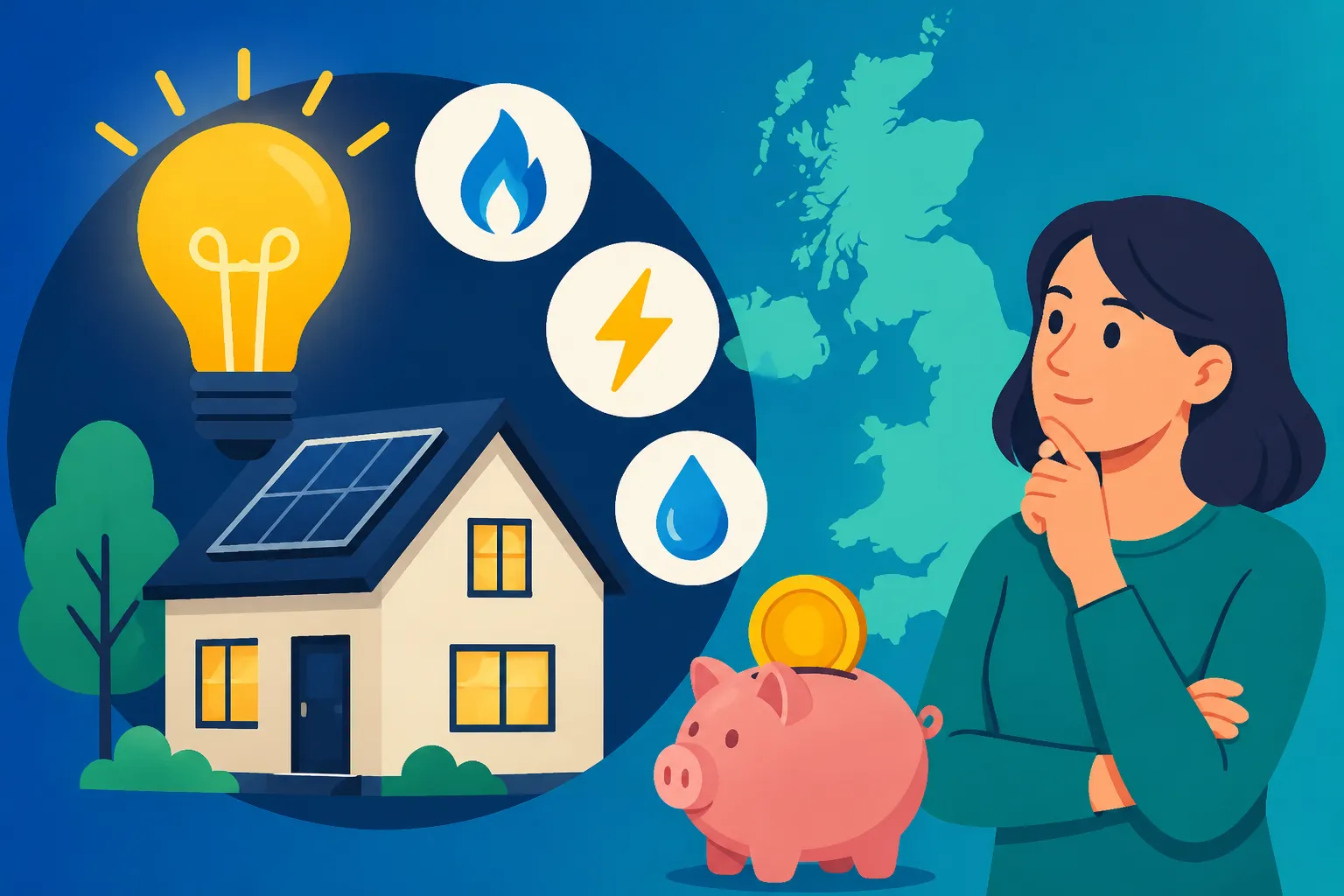
One of the biggest eye-openers when you first move to the UK is definitely the cost of living, and right up there on the list of things that can make your jaw drop is the monthly energy bill. It’s not just about the numbers; it’s deciphering a whole new system with terms like 'standing charge' and 'unit rates' that can feel utterly overwhelming. This guide is here to demystify those daunting energy costs, helping you understand what you can expect to pay each month for gas and electricity across the UK, and offering some practical tips to keep those bills in check.
Understanding What Makes Up Your UK Energy Bill
When you first open that energy statement in the UK, it can look like a foreign language, even if you’re a native English speaker! It’s not just one simple charge; it's a mix of different components, each contributing to the total amount you owe. Getting a handle on these basic elements is the first step to truly understanding – and potentially reducing – your monthly outlay.
The Two Main Components: Standing Charge and Unit Rate
Every energy bill in the UK generally boils down to two core charges: the standing charge and the unit rate. The standing charge is essentially a fixed daily fee, regardless of how much energy you use. Think of it as a connection charge, covering the cost of maintaining the network, meter reading, and administrative tasks. It's frustrating because you pay it even if you're away on holiday and not using a single watt of electricity or therm of gas. This charge varies slightly between suppliers and regions, but it’s a constant presence on your bill. For many expats, this is a real head-scratcher; back home, you might only pay for what you consume, but here, there’s a baseline cost just for having the service.
The unit rate, on the other hand, is the variable part of your bill. This is what you pay for each 'unit' of energy you actually consume. Electricity is measured in kilowatt-hours (kWh), and gas in kilowatt-hours (kWh) too, though it used to be in cubic meters and converted to 'therms' for billing – a historical quirk that still confuses people! The unit rate can fluctuate significantly based on your supplier, the specific tariff you're on, and even the time of year or time of day if you have a smart meter and a variable tariff. For instance, winter months will inevitably see higher unit rate consumption due to heating, which is often a big shock for those from warmer climates who aren't used to keeping the heating on for months on end. Getting to grips with how your supplier calculates these rates is crucial when you're looking at How to Set Up Gas and Electricity in Your UK Home.
Variable Tariffs, Fixed Tariffs, and the Energy Price Cap
Navigating energy tariffs in the UK is a bit like playing a game of chance, especially with the market volatility we’ve seen in recent years. Most households will be on either a variable tariff or a fixed tariff. A variable tariff means your unit rates and standing charges can go up or down according to market conditions, usually with notice from your supplier. This has historically been a cheaper option but has been far less predictable recently. A fixed tariff, as the name suggests, locks in your unit rates and standing charges for a set period, typically 12 or 24 months. This offers stability, but if market prices drop, you might be stuck paying more than the current variable rates.
Then there's the Energy Price Cap, a mechanism introduced by the energy regulator, Ofgem. This cap limits the maximum amount suppliers can charge for each unit of gas and electricity and for the standing charge for customers on standard variable tariffs (and default tariffs). It's reviewed and updated every three months. It’s important to understand that it's a cap on unit prices, not a cap on your total bill. If you use more energy, your bill will still go up, even with the cap in place. This cap has been a crucial safety net for many, especially during periods of high wholesale energy prices, but it also means that the cheapest deals aren't always available to everyone, particularly if you're a new customer without an established payment history. Many new arrivals are often placed on standard variable tariffs by default, which means they are directly impacted by this cap.
Average Monthly Energy Costs Across the UK
So, what can you actually expect to pay? This is the question on everyone’s lips, and honestly, it’s like asking "how long is a piece of string?" because it varies so much. However, we can look at averages to give you a ballpark figure, which is particularly helpful when you're trying to figure out the overall The Complete Guide to Cost of Living in the UK for Expats (2026).
Typical Monthly Bills for Different Household Sizes
Let's break down some estimated averages for different types of households. Keep in mind these are just averages and your actual costs will depend on numerous factors, which we’ll delve into shortly. These figures typically represent a dual-fuel household (both gas and electricity from the same supplier) on a standard variable tariff, paying by direct debit.
| Household Type | Estimated Annual Energy Bill (Gas & Electricity) | Estimated Monthly Energy Bill (Gas & Electricity) |
|---|---|---|
| Single Occupant (Flat) | £900 – £1,200 | £75 – £100 |
| Couple (Flat/Small House) | £1,200 – £1,800 | £100 – £150 |
| Small Family (3-4 bed house) | £1,800 – £2,500 | £150 – £208 |
| Larger Family (4+ bed house) | £2,500+ | £208+ |
These figures are illustrative and can change rapidly due to market conditions and regulatory caps.
As you can see, there’s a pretty wide range. A single person living in a modern, well-insulated flat will have vastly different bills from a family of four in an older, draughty terraced house. When you're budgeting for your move, platforms like Sirelo can help you compare moving costs, but don't forget to factor in these crucial ongoing expenses like energy. It's a significant chunk of your monthly outgoings, especially during the colder months.
Regional Variations and Supplier Differences
It might come as a surprise, but where you live in the UK can also impact your energy bills. While the unit rates are often similar across large regions, the standing charges can vary slightly. More significantly, the overall cost can be affected by the predominant housing stock in a region. For example, older, less energy-efficient homes are more common in some parts of the UK, potentially leading to higher heating costs regardless of the unit rate.
Also, some regions have different network costs which are passed on to consumers. For instance, households in the North West or North East might find slightly different charges compared to those in London or the South East. While these differences aren't usually massive enough to dictate where you choose to live, they can add up over a year. It's definitely something to consider when you're doing your initial budgeting and exploring The Best Places to Live in the UK for Expats: A Complete Guide (2027). It's not just rent and council tax; everything plays a role.
When you're first setting up your home, don't just go with the first energy provider that springs to mind. There are numerous suppliers, from the 'Big Six' (British Gas, EDF Energy, E.ON Next, OVO Energy, ScottishPower, Octopus Energy) to smaller, independent companies. While the market has seen less competition in recent times due to the energy crisis, it’s still worth checking comparison sites when possible. Different suppliers might offer different tariffs, customer service levels, and green energy options. While you're busy comparing, don't forget to stay connected without breaking the bank; many expats find Airalo a lifesaver for affordable mobile data when they first arrive, allowing them to research and compare without huge roaming charges.
Key Factors Influencing Your Energy Bill
Now that we've covered the averages, let's talk about why your bill might be higher or lower than those estimates. There are a multitude of factors at play, and understanding them empowers you to make conscious choices about your energy consumption.
Property Size, Age, and Energy Efficiency
This is probably the biggest determinant of your energy bill. A sprawling, detached Victorian house with high ceilings and single-pane windows will gobble up far more energy than a compact, modern, purpose-built flat, even if both have the same number of occupants. Older properties often lack modern insulation, have draughty windows and doors, and less efficient heating systems. You’ll find that when you’re looking at rental properties or even buying a home, they come with an Energy Performance Certificate (EPC) which rates their efficiency from A (most efficient) to G (least efficient). This rating can be a really helpful indicator of potential energy costs, so always ask to see it. A C-rated home could cost you significantly less to heat than a D-rated one, for example.
Beyond the EPC, think about the fabric of the building. Is it a solid brick wall construction or cavity wall with insulation? Are the windows double-glazed? Is there loft insulation? These might seem like minor details, but they make a massive difference, especially when you're trying to keep warm during a typically chilly British winter. Ignoring these factors can lead to nasty surprises when you receive your first few bills, particularly if you’re used to more forgiving climates.
Seasonality and Usage Habits
This one is fairly intuitive, but its impact can be dramatic. Your energy bills will almost certainly be higher in winter than in summer. The need for heating pushes up gas consumption significantly, and darker days mean you'll be using more electricity for lighting. From October to March, prepare for those numbers to climb. This is why many people opt for a monthly direct debit that averages out their yearly usage, so they pay a consistent amount each month rather than facing huge spikes in winter.
Your personal usage habits also play a monumental role. Are you someone who likes to keep the house toasty warm all day, or do you layer up and only put the heating on for a few hours in the evening? Do you leave lights on in empty rooms? Are your appliances energy-efficient? Do you take long, hot showers? Even small habits, like turning off appliances at the wall rather than leaving them on standby, can add up over time. It’s a learning curve, but understanding the impact of your daily choices is crucial for managing your budget. You can find more targeted advice on Understanding How to Heat Your Home Affordably in the UK to help with this.
Type of Heating System and Appliances
The kind of heating system your home has will significantly affect your gas consumption. Most homes in the UK use a gas-fired central heating system (a boiler and radiators). These can vary in efficiency, with modern condensing boilers being much more efficient than older models. If your home has an electric-only heating system (e.g., storage heaters, electric radiators, or underfloor heating), your electricity bill will be substantially higher as electricity is generally more expensive per unit than gas. This is a crucial detail to check before you commit to a property.
Beyond heating, your appliances contribute to your electricity bill. Older washing machines, dishwashers, fridges, and freezers can be energy guzzlers. Look for appliances with a good energy efficiency rating (A-rated and above). While the initial outlay might be higher for more efficient models, they can save you a significant amount on your bills over their lifetime. Even smaller appliances like kettles, toasters, and hair dryers contribute, so being mindful of their usage can help. For more general advice on setting up your living situation, check out The Expat Guide to Setting Up Utilities (Energy, Water, Broadband) in the UK.
Strategies to Reduce Your Energy Costs
Nobody wants to pay more than they have to, especially when every penny counts as an expat. The good news is there are plenty of strategies you can employ to bring those monthly energy costs down. It requires a bit of effort and mindful living, but the savings can be substantial.
Switching Suppliers and Tariffs
Historically, one of the most effective ways to save money on energy bills was to regularly switch suppliers or tariffs. While the market has been less competitive recently due to the energy crisis, with fewer deals available below the energy price cap, it’s still worth keeping an eye on. Once market conditions stabilise, you’ll likely find competitive offers again. Comparison websites (like Uswitch, MoneySuperMarket, Compare the Market) allow you to input your details and find the cheapest available tariffs. It's often worth checking if moving from a standard variable tariff to a fixed tariff could save you money in the long run, especially if you're concerned about future price rises.
Don't be afraid to engage with your current supplier either. Sometimes, they might offer you a better deal to retain your custom if you indicate you're thinking of leaving. When switching, make sure you understand the terms and conditions, including any exit fees if you decide to leave before the fixed term ends. The process itself is usually straightforward, with your new supplier handling the switch, so it’s definitely something to consider once the energy market truly opens up again. For the broader picture, understanding How to Pay Your Utility Bills Online in the UK also factors into your financial management.
Improving Home Energy Efficiency
Making your home more energy-efficient is a long-term strategy that pays dividends. If you own your home, consider investing in better insulation (loft, wall, floor), double glazing, or upgrading to a more efficient boiler. If you're renting, you might not be able to make major structural changes, but you can still do a lot. Simple measures include:
- Draught-proofing: Use self-adhesive strips around windows and doors, block up unused chimneys, and put draught excluders at the bottom of doors. These are cheap fixes that make a huge difference.
- Insulation: Ensure your loft is well-insulated if possible. You can also use reflective foil behind radiators to bounce heat back into the room.
- Curtains: Thick curtains can provide an extra layer of insulation at windows, especially if you don't have double glazing. Keep them open during sunny winter days to let heat in, and close them as dusk falls.
- Smart thermostats: Devices like Hive or Nest allow you to control your heating remotely and program it more efficiently, learning your habits and avoiding heating an empty house.
These improvements not only save you money but also make your home a much more comfortable place to live.
Mindful Energy Consumption Habits
This is where the power is truly in your hands! Small changes in daily habits can lead to significant savings.
- Heating: Don't overheat your home. Turning your thermostat down by just 1°C can save you a noticeable amount. Aim for around 18-21°C in living areas. Use individual radiator valves (TRVs) to heat only the rooms you're using.
- Hot Water: Be mindful of how much hot water you use. Shorter showers, and not running taps unnecessarily, can cut down on the energy needed to heat water.
- Lighting: Switch off lights when you leave a room. Replace old incandescent bulbs with energy-efficient LED bulbs.
- Appliances: Unplug chargers and appliances when not in use, as they can still draw 'phantom' power. Only run your washing machine or dishwasher when they're full, and use eco-settings if available.
- Cooking: Put lids on pots when cooking to retain heat. Use the microwave for smaller portions as it’s often more efficient than a full oven.
By combining these strategies, you can significantly reduce your overall energy consumption and, consequently, your monthly bills. It's all part of adapting to life in the UK and managing your finances effectively, alongside other necessities like knowing How to Set Up Broadband and a TV Licence in the UK or simply understanding the overall The Complete Guide to Moving to the UK: Your First 90 Days (2027).
Disclaimer
Please remember that the information provided in this guide is for general informational purposes only and is subject to change. Energy prices and regulations in the UK can fluctuate rapidly due to market conditions, government policies, and updates from the energy regulator, Ofgem. Always consult official sources, your energy provider, or a qualified financial advisor for the most current and personalised advice regarding your specific circumstances.