How Do I Pay My Energy Bill Online in the UK?
Ah, the British energy bill – a rite of passage for every expat in the UK, often greeted with a mix of confusion and a mild sense of dread. You've landed in a new country, perhaps just finished the monumental task of unpacking boxes you shipped with help from services like Sirelo, and now you're faced with a multi-page document full of terms you’ve never encountered. But fear not, my fellow international adventurer! This guide will walk you through the ins and outs of paying your energy bill online in the UK, making it less of a headache and more of a streamlined process.
Understanding Your UK Energy Bill
Before you even think about paying, it's absolutely crucial to understand what you're actually paying for. British energy bills can look like a cryptic puzzle, especially if you're used to a different system. It's not just a flat fee; it's a breakdown of usage, tariffs, and various charges that all add up. Don't worry, you're not alone in feeling baffled – even long-term residents sometimes scratch their heads!
Deciphering the Jargon
When you first open that envelope (or email), you'll be bombarded with terms like kWh, standing charge, unit rate, and MPAN. Let's break some of these down. Your bill typically measures your electricity in kilowatt-hours (kWh) and your gas in kilowatt-hours (kWh) too, but this is converted from cubic meters (m3) or cubic feet (ft3) based on the energy content of the gas. The unit rate is what you pay per kWh of energy consumed. This rate can vary significantly between suppliers and tariffs.
Then there's the standing charge. This is a daily fixed cost that you pay regardless of how much energy you use. Think of it like a subscription fee for being connected to the energy network. It covers things like maintaining the energy grid and meter readings. So, even if you go on holiday for a month and use zero energy, you'll still have a standing charge to pay. Knowing this helps you understand why your bill isn't always zero even if you're super frugal with your heating and lights. You'll also find your MPAN (Meter Point Administration Number) for electricity and MPRN (Meter Point Reference Number) for gas – these are unique identifiers for your energy supply points, useful if you ever switch suppliers or have an issue.
Fixed vs. Variable Tariffs
This is a big one and impacts your monthly costs considerably. When you first move in and How to Set Up Gas and Electricity in Your UK Home, you'll likely be placed on a standard variable tariff (SVT). This means the price you pay per unit of energy and your standing charge can go up or down based on market conditions. In times of energy price volatility, this can be quite unsettling, as your bills might jump significantly with little warning.
A fixed tariff, on the other hand, locks in your unit rate and standing charge for a set period, usually 12 or 24 months. This gives you predictability, which is a blessing when you're trying to budget in a new country. The downside is that if energy prices drop, you won't benefit from the lower rates until your fixed term ends. Always weigh up the current market situation and your own risk tolerance. Many expats find the stability of a fixed tariff comforting, even if it means potentially missing out on slight dips. Regularly comparing what's on offer can save you a pretty penny – you can often compare deals right from your online energy account.
Estimated vs. Actual Readings
One of the biggest culprits for unexpected bill shocks is the difference between estimated and actual readings. Energy companies usually send you a bill monthly or quarterly. If you don't submit your meter readings, they'll often base your bill on an estimated reading, which is their best guess of how much energy you've used. If their estimate is too low, you'll build up a debt, and your next bill (based on an actual reading) could be unexpectedly high. If it's too high, you'll be overpaying, and while you'll have credit, that's your money tied up.
My advice? Get into the habit of submitting actual meter readings regularly – ideally monthly, or even more frequently if your supplier allows. Most suppliers now have apps or online portals where you can easily submit readings, often by simply taking a photo of your meter. This ensures your bills are accurate and helps you track your real usage, making budgeting much easier. It's a small habit that makes a huge difference to your peace of mind and wallet.
The Digital Revolution: How to Pay Your Energy Bill Online
Gone are the days when you absolutely had to send a cheque or trek to the post office. The UK has embraced digital payments, and paying your energy bill online is not only possible but often encouraged by suppliers, sometimes even coming with a small discount. It's usually the most straightforward and secure way to manage your payments, especially for expats who might not be familiar with all the local payment options.
Setting Up Your Online Account
The first step is always to get yourself an online account with your energy supplier. When you moved in and transferred the energy supply into your name, your provider (e.g., British Gas, E.ON, Octopus Energy, EDF, Scottish Power, Ovo Energy) should have sent you details on how to set this up. This usually involves creating a username and password, and verifying your identity, often with your account number and a few personal details.
This online portal is your gateway to everything: viewing past bills, submitting meter readings, checking your tariff details, and, of course, making payments. It's an invaluable tool for keeping on top of your energy consumption and costs. Make sure you set this up as soon as you can. If you've just arrived and are still getting your digital life in order, perhaps using an eSIM from a provider like Airalo to ensure you have reliable data from day one, setting up your energy account should be high on your priority list alongside sorting out your How to Set Up Broadband and a TV Licence in the UK and other essential utilities.
Choosing Your Payment Method
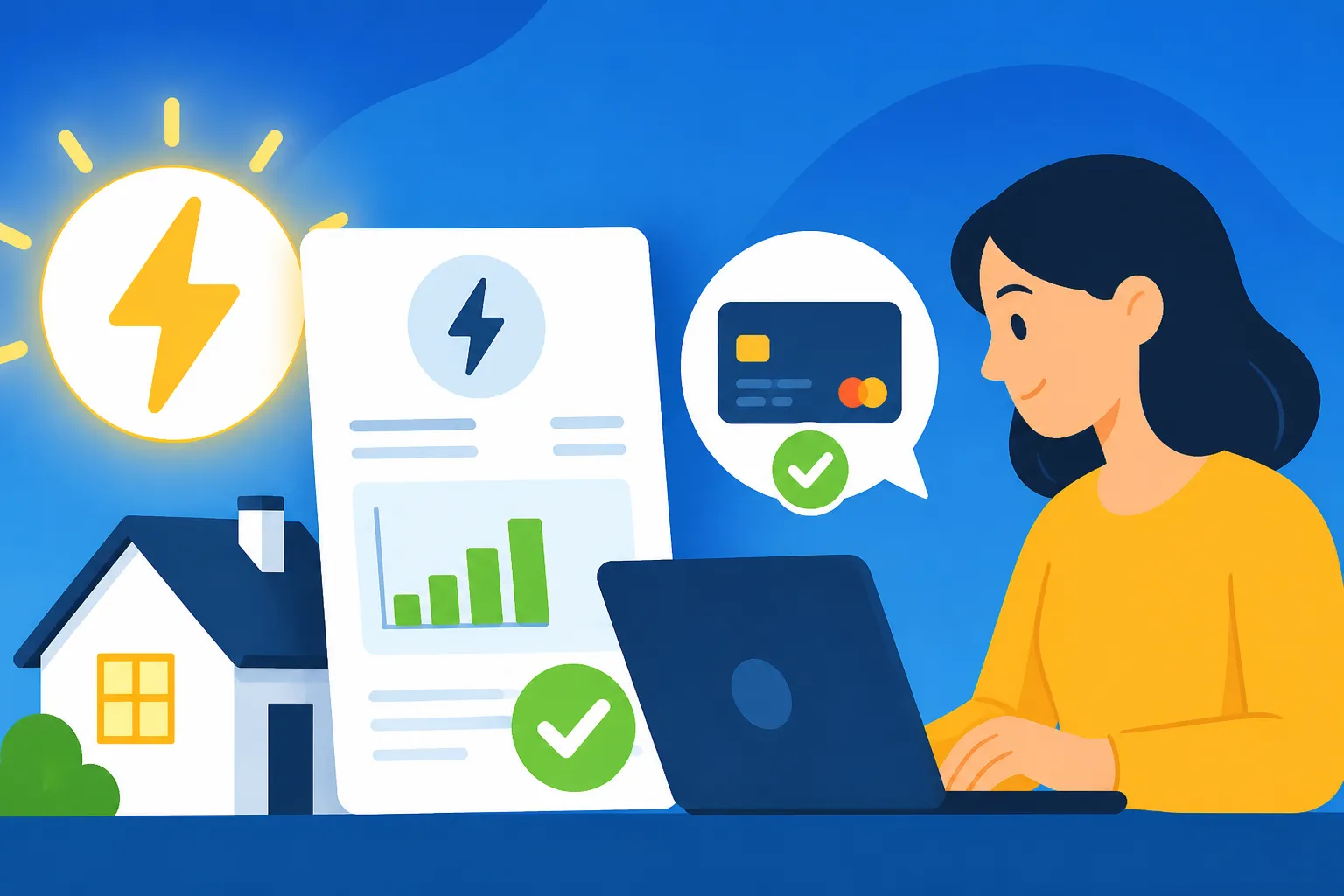
Once you're logged into your online account, you'll typically have several options for making payments. The most common and recommended method is a Direct Debit.
-
Direct Debit: This is where you authorise your energy company to take a fixed amount from your bank account on a specific date each month. It’s popular because it smooths out your payments across the year. Energy usage is seasonal (more in winter, less in summer), but a Direct Debit means you pay the same amount every month. The company will review your usage periodically and might adjust the amount up or down to ensure you’re not building up too much credit or debt. Most suppliers offer a small discount for paying by Direct Debit, which is a nice bonus. To set this up, you'll need your UK bank account details. If you're still navigating The Expat Guide to Opening a Bank Account in the UK, make sure this is sorted first. Many expats find the consistent monthly payment hugely beneficial for budgeting.
-
One-off Card Payment: If you prefer not to set up a Direct Debit, or if you have a bill that's higher than your Direct Debit and want to pay the difference, you can often make a one-off payment using a debit or credit card. This is usually done directly through your online account portal, where you input your card details securely. This gives you more control over when and how much you pay, but it means your bills will fluctuate significantly between seasons, potentially making budgeting harder.
-
Bank Transfer/Faster Payments: Some suppliers allow you to pay directly via bank transfer. You'll find their bank details (sort code and account number) on your bill or in your online account. You would then log into your own online banking or mobile banking app and initiate the payment. Remember to always include your unique customer reference number (which you'll find on your bill) in the payment reference so the funds are correctly allocated to your account. This is a secure and quick method, but again, it requires you to manually initiate the payment each time. If you're getting used to How to Set Up Online and Mobile Banking in the UK, this might be a method you become more comfortable with over time.
Auto-Pay and Direct Debits: Convenience or Constraint?
For many, setting up a Direct Debit is the pinnacle of convenience. You literally set it and forget it. No missed payments, no late fees, and often a slight discount. It's a great way to manage your finances, especially when you're busy with all the other aspects of living abroad. However, it's not without its potential downsides.
The main concern with Direct Debits is that the energy company estimates your annual usage to calculate your monthly payment. If their estimate is too high, you'll build up a large credit balance. While this money is technically yours and you can request a refund, it's money sitting with the energy company instead of in your pocket or earning interest. Conversely, if their estimate is too low, you'll accumulate debt, and they might suddenly increase your monthly Direct Debit significantly to cover it, which can be a nasty surprise.
My advice for expats using Direct Debits:
- Submit regular meter readings: This is paramount. It ensures your supplier has accurate data and adjusts your Direct Debit correctly.
- Monitor your online account: Check your balance regularly. If you see a large credit building up, contact your supplier to request a refund or a reduction in your monthly payment.
- Understand the review process: Energy companies usually review Direct Debits annually, but you can always request an ad-hoc review if your circumstances change or your balance seems off.
Ultimately, Direct Debits offer unparalleled convenience for many. If you prefer this method, make sure you understand How Do I Set Up a Direct Debit at a UK Bank? and keep a close eye on your account.
Here's a quick comparison of common online payment methods:
| Payment Method | Pros | Cons | Best For Expats If… |
|---|---|---|---|
| Direct Debit | Predictable monthly costs, often discounted | Estimates can be inaccurate, potential for credit/debt | You prefer hands-off, stable budgeting and reliable cash flow. |
| One-off Card Pay | Full control over payment amount and timing | Bills fluctuate seasonally, requires manual action | You want to pay exact usage, or avoid tying up funds. |
| Bank Transfer | Secure, direct from your bank | Requires manual initiation, easy to forget reference | You're comfortable with online banking and prefer not to share card details directly. |
Managing Your Energy Usage and Costs Online
Moving to the UK, you quickly realise that managing household bills, including your energy, is an ongoing task, not just a one-off setup. The good news is that technology has made it easier than ever to stay on top of your usage and find ways to save money, something that becomes even more important when considering the overall The Complete Guide to Cost of Living in the UK for Expats (2026).
Smart Meters and Online Portals
Many homes in the UK now have smart meters. If yours doesn't, your energy provider might offer to install one for free. These meters automatically send your energy readings to your supplier, eliminating the need for manual submissions and ensuring your bills are always based on actual usage. This alone can be a huge relief, especially if you're out and about a lot and don't want to worry about remembering meter readings.
Beyond accurate billing, smart meters often come with an in-home display (IHD), a small device that shows your energy consumption in real-time, in pounds and pence. This visual feedback can be incredibly powerful for helping you understand which appliances use the most energy and encouraging more efficient habits.
Your online energy portal or app takes this a step further. It can provide detailed breakdowns of your daily, weekly, and monthly energy use, allowing you to identify patterns and pinpoint areas where you could cut back. This level of detail empowers you to take control of your consumption and, ultimately, your costs. It's truly a game-changer for those who want to be proactive about their energy bills.
Comparing Suppliers and Switching Online
One of the best ways to keep your energy costs down in the UK is to regularly compare prices and switch suppliers. This is a highly competitive market, and companies are constantly vying for your business. Remaining loyal to one supplier indefinitely often means you'll end up on a more expensive tariff. This is particularly true once your initial fixed tariff ends and you roll onto a standard variable tariff.
Websites like Ofgem's approved price comparison services (e.g., Uswitch, MoneySuperMarket, Compare the Market) make it incredibly easy to compare deals. You simply input your postcode, current supplier, and an estimate of your annual usage (which you can get from your online account or previous bills), and they'll show you the best deals available. Many expats are initially hesitant to switch, fearing a complex process. However, the process is usually seamless and handled entirely by the new supplier; you won't experience any interruption to your supply. Switching online can save you hundreds of pounds a year, so it's well worth dedicating an hour to it every 6-12 months.
Getting Support and Understanding Your Rights
Even with all the digital convenience, sometimes things go wrong, or you just need to speak to a human. All energy suppliers in the UK have customer service channels, including online chat, email, and phone lines. Don't hesitate to reach out if you have a query about your bill, a meter reading, or want to discuss your payment plan.
It's also important to know your rights as an energy consumer. Ofgem is the independent energy regulator for Great Britain, and they set the rules that energy companies must follow. Their website is a fantastic resource for understanding your rights, finding advice on complaints, and ensuring you're being treated fairly. If you have a serious dispute that you can't resolve directly with your supplier, you can escalate it to the Energy Ombudsman. Knowing these channels exist provides a vital safety net. Whether you're dealing with issues around Understanding Water Bills and Council Tax in the UK or struggling to understand your heating options when trying to How to Heat Your Home Affordably in a UK Winter, remember that support networks and regulatory bodies are there to help.
Disclaimer
Please note that while this guide provides comprehensive information based on current practices, energy regulations and market conditions in the UK can change. Always refer to your specific energy provider's terms and conditions, and consult official government or regulatory websites like Ofgem for the most up-to-date and authoritative information. This content is for informational purposes only and does not constitute financial or legal advice.