Can I Keep My Health Coverage If I Work Remotely from the UK?
Moving to the UK to work remotely often brings a flurry of excitement, but it also opens up a whole Pandora's box of questions, especially concerning something as critical as healthcare. Many expats quickly discover that what seemed straightforward in their home country becomes a tangled web here, leaving them wondering if their existing health coverage will truly protect them while they're working remotely from British soil. This guide is here to untangle that web, helping you understand your options and ensure you're never caught without vital medical support.
Understanding Your Existing Health Coverage When Moving to the UK
Ah, the dream of working remotely from the UK! It sounds idyllic, doesn't it? Picture yourself sipping tea in a quaint British village, tapping away on your laptop, and then… a nasty cough develops, or you twist an ankle exploring a new footpath. Suddenly, that idyllic scene turns into a panic. The first question that invariably pops into every remote worker's head is, "Will my current health insurance, the one from my home country, actually cover me here?" This isn't just a minor administrative detail; it's a huge source of anxiety for many, and for good reason. The answer is rarely a simple yes or no.
The Nuances of International Remote Work and Health Insurance
When you're working remotely for a company based outside the UK, your health coverage situation can be incredibly complex. Many standard domestic health insurance policies, even if they offer some "travel" benefits, are simply not designed for long-term residency abroad. They often have strict limits on the duration of coverage outside your home country, or they might only cover emergencies, leaving you exposed for routine check-ups, specialist referrals, or chronic condition management. It's a common misconception that because you're still employed by a foreign entity, their benefits automatically extend to your new UK address. Sadly, this is often not the case. The moment you establish residency in the UK, even as a remote worker, you step into a whole new regulatory and healthcare landscape. Your existing plan might see you as a "visitor" for a short period, but not as a long-term resident, which changes everything.
Consider Sarah, a remote marketing manager from the US, who moved to London. Her US-based employer provided excellent health insurance. For the first month, she felt secure. Then, she needed to see a dentist for an unexpected toothache. Her US policy considered this a routine visit, not an emergency, and promptly denied coverage, stating she was outside her network for non-emergency care. What a shock! She was left scrambling, facing a hefty bill out of pocket. This isn't an isolated incident; it's a common story. You really need to scrutinise the fine print of your existing policy to understand what "international coverage" truly means in a long-term residency context. Don't just assume. Call your provider, speak to a human, and get every detail in writing.
Common Pitfalls of Relying Solely on Your Home Country's Plan
The temptation to stick with what you know, especially with something as complex as health insurance, is strong. But for remote workers in the UK, relying solely on a home country plan is fraught with potential pitfalls. Beyond the issue of coverage duration and scope, there are practical hurdles. Imagine needing to claim for a consultation or a prescription. Your UK doctor might not be familiar with the billing procedures of your foreign insurer, or your insurer might require you to pay upfront and then seek reimbursement – a process that can be slow, complex, and frustrating, especially if you're dealing with different currencies.
Another significant issue is compliance with UK visa requirements. Many visas require you to demonstrate that you can access healthcare in the UK, often through the National Health Service (NHS) by paying the Immigration Health Surcharge (IHS). Even if your foreign insurance did cover everything, it wouldn't necessarily exempt you from the IHS, nor would it automatically grant you full NHS access. It's a separate system altogether. The administrative burden alone can be overwhelming. Chasing reimbursement, navigating international phone calls during UK working hours, and deciphering foreign medical codes while trying to recover from an illness is the last thing you want. It's a huge mental load that no one needs when they're new to a country. For a deeper dive into the overall healthcare landscape, check out The Complete Guide to Healthcare in the UK for Expats (2027).
Navigating UK Healthcare: NHS Access for Remote Workers
Once you've settled into the UK, regardless of your remote work status, you're primarily going to be interacting with the National Health Service, or NHS. This is the UK's publicly funded healthcare system, and for many expats, it's a completely new concept compared to what they might be used to. It's not a free-for-all, however, and understanding your eligibility and how to access services is paramount.
The Immigration Health Surcharge (IHS) and What It Covers
For most remote workers coming to the UK on a visa for six months or longer, paying the Immigration Health Surcharge (IHS) is a mandatory part of your visa application. This isn't a choice; it's a requirement. You pay it upfront, for the entire duration of your visa, and it can add up to a significant amount, especially for longer visas or if you're bringing dependants. But here's the crucial part: once paid, the IHS grants you access to the NHS on broadly the same terms as a permanent UK resident. This means you won't typically pay for GP appointments, hospital treatments, or most emergency services at the point of use. For a detailed explanation of this charge, see Understanding the Immigration Health Surcharge (IHS) and NHS Access (2027).
It's vital to remember that "free at the point of use" doesn't mean everything is free. You'll still pay for NHS prescriptions (unless you qualify for an exemption), NHS dental treatment (which is subsidised but not free), and often for opticians. More importantly, while the NHS offers comprehensive care, it's notorious for its waiting lists, particularly for specialist appointments or non-urgent procedures. This is a common frustration for many, especially if you're used to rapid access to specialists in your home country. Imagine waiting weeks, or even months, for a dermatology appointment, all while a nagging skin condition bothers you. This is the reality for many. The IHS is your ticket into the system, but it doesn't guarantee instant access. For a broader understanding of how the NHS operates, you might want to read How the NHS Works: Public Healthcare in the UK Explained (2027).
Registering with a GP and Accessing NHS Services
The General Practitioner (GP) is the gatekeeper to virtually all NHS services. Without registering with a local GP surgery, you won't be able to access anything beyond emergency care. This is often one of the first and most important steps for any expat. The process usually involves filling out a form, providing proof of address, and sometimes your passport and visa showing you've paid the IHS. It might sound simple, but finding a GP surgery that's taking on new patients, especially in dense urban areas like London, can sometimes feel like a quest. You literally have to call around, or walk into different surgeries in your local area, asking if they have space.
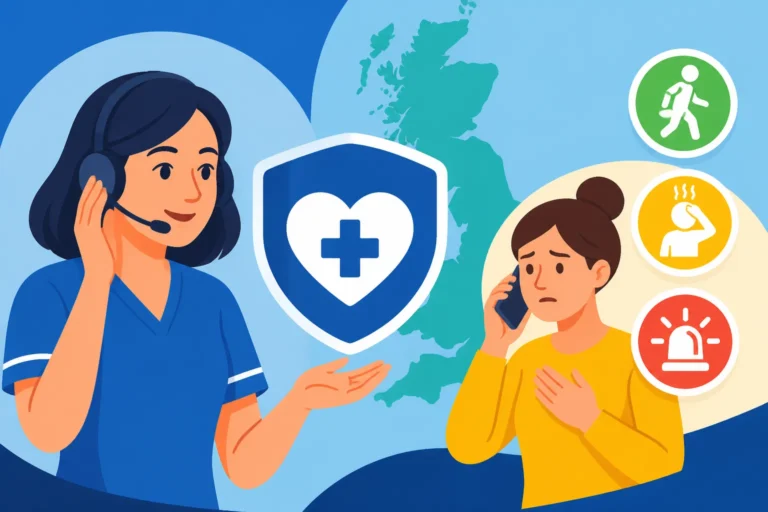
Once registered, your GP becomes your primary point of contact for almost all health concerns. They diagnose illnesses, provide routine check-ups, manage chronic conditions, and – critically – provide referrals to specialists if needed. This referral system is a key characteristic of the NHS. You can't just call up a dermatologist or an orthopaedic surgeon directly; you need a GP to assess you and make that referral. This can feel like an extra hurdle if you're used to direct access. For comprehensive instructions on this process, refer to Registering with a GP in the UK: The Complete Expat Guide (2027). In an emergency, of course, you can always call 999 or go to an A&E (Accident & Emergency) department, but for everything else, your GP is your first port of call. For those urgent, non-life-threatening situations, remember NHS 111, which is a great resource. You can find out more about it in Understanding NHS 111 and When to Use It in the UK.
Exploring Private Health Insurance Options in the UK for Remote Workers
Even with access to the NHS through the IHS, many remote workers in the UK find themselves considering private health insurance. Why? Because the NHS, while fantastic for emergencies and essential care, doesn't always align with the expectations or needs of someone used to a different system. The waiting times, the lack of choice in specialists (you get who you're referred to, not always who you want), and the desire for more comfort during hospital stays often drive expats towards private options.
When UK Private Health Insurance Becomes Essential
For a remote worker, private health insurance isn't just a luxury; for many, it becomes a necessity to fill the gaps left by the public system. If you value speedy access to diagnostic tests (like MRI scans), quick referrals to specialists, and the ability to choose your consultant and appointment times, then private cover is almost certainly for you. This is especially true if you have a pre-existing condition that requires ongoing specialist management, or if you simply can't afford long waiting periods due to work commitments or personal preference.
Consider someone who needs knee surgery. On the NHS, you might be looking at a significant wait after your GP referral to see an orthopaedic surgeon, and then another potentially long wait for the actual operation. With private insurance, these timelines are dramatically reduced, often to a matter of weeks rather than months. Many private policies also offer more comfortable hospital environments, including private rooms, which can make a huge difference to your recovery experience. This peace of mind, knowing you can bypass the queues for non-urgent care, is often invaluable. For a comparison, read NHS vs Private Healthcare in the UK: Which Should Expats Choose?.
Specialist International Health Insurance for Digital Nomads and Remote Expats
When you're working remotely, especially if your job means you might move countries frequently or have flexible travel plans, a standard UK private health insurance policy might not be the most suitable fit. This is where specialist international health insurance providers, often designed with digital nomads and remote expats in mind, really shine. Brands like SafetyWing cater specifically to this lifestyle, offering flexible, comprehensive plans that cover you not just in the UK, but often worldwide (excluding your home country).
The beauty of these international plans is their portability and understanding of the unique needs of someone constantly on the move. They are often structured to allow you to maintain continuous coverage even if your remote work takes you from the UK to Spain, or beyond, without having to cancel and repurchase a new policy each time. For many remote workers, the ability to have a single, consistent health insurance provider that understands their nomadic lifestyle provides immense relief. SafetyWing, for example, is well-regarded for offering travel medical insurance that can be purchased even after you’ve started your journey, and it often includes some home country coverage. This kind of flexibility is a game-changer for someone who isn't tied down to one location. For general information on private options, explore Health Insurance in the UK: Private Cover and Options Explained.
Key Factors to Consider When Choosing a Private Plan
Choosing a private health insurance plan, whether it's a UK-centric one or a specialist international policy like those offered by SafetyWing, requires careful consideration. It's not just about the monthly premium; it's about what you get for your money and whether it aligns with your specific needs and potential health risks.
Here’s a table outlining some critical factors:
| Feature/Consideration | Description |
|---|---|
| Coverage Scope | Does it cover inpatient care, outpatient appointments, mental health, dental, and optical? Is it just for emergencies, or does it include routine care? Will it cover you globally, or just in the UK? |
| Geographic Flexibility | If you travel frequently or plan to move countries for remote work, how easily can the policy adapt? Does it offer coverage in your home country for brief visits? |
| Pre-existing Conditions | This is a big one. Many policies exclude pre-existing conditions or charge significantly more to cover them. Be honest and thorough about your medical history during application. |
| Excess/Deductible | How much will you have to pay towards a claim yourself before the insurer starts paying? A higher excess usually means lower premiums, but means more out-of-pocket if you claim. |
| Network of Hospitals/Doctors | Does the insurer have a wide network of private hospitals and specialists, particularly in your chosen UK location? Can you choose your own doctors, or are you limited to their network? |
| Reputation and Service | Look for reviews from other expats or remote workers. How easy is it to make a claim? How responsive is customer service? This is where companies like SafetyWing often stand out for their expat-focused support. |
| Annual Limits | Are there caps on how much the policy will pay out in a year for certain treatments or overall? |
| Maternity/Family Cover | If you're planning a family or have dependants, ensure these are covered, as this is often a separate, costly add-on. |
Don't rush this decision. Get multiple quotes, compare the benefits, and read the small print. A policy that looks cheap on the surface might have huge exclusions that leave you exposed when you need it most. For more on this, check out Understanding Private Health Insurance Plans in the UK.
Practical Steps for Remote Workers to Ensure Continuous Coverage
Navigating healthcare as a remote worker in a new country can feel like walking through a dense fog. But with some foresight and diligent planning, you can ensure you're adequately covered, no matter what curveballs life throws your way. The key is to be proactive and informed.
Reviewing Your Current Policy with a Fine-Tooth Comb
Before you even step foot in the UK, make it your mission to deeply understand your existing health coverage. Don't just skim the benefits summary. Request the full policy document and, if possible, schedule a call with a dedicated international benefits specialist from your current insurer. Ask pointed questions:
- "Does my policy provide comprehensive coverage (not just emergency) if I reside in the UK for X months/years?"
- "What are the specific geographic exclusions?"
- "What is the process for seeking non-emergency medical care and making a claim while living abroad?"
- "Are there any caps or limits on 'out-of-network' care internationally?"
- "Will I need to pay upfront for services and then seek reimbursement, and what is the typical reimbursement timeline?"
Be explicit that you will be residing and working remotely from the UK, not just visiting. The distinction is crucial for insurance providers. If their answers leave you feeling uneasy, or if there are clear gaps, it's a strong indicator that your home country plan isn't sufficient for long-term remote work in the UK. This initial legwork can save you huge headaches and unexpected costs down the line.
Bridging Gaps: Combining NHS and Private Care
Many expats, including remote workers, find the most effective approach is to combine the strengths of both the NHS and private healthcare. The NHS, accessed via your Immigration Health Surcharge payment, provides a fundamental safety net. For life-threatening emergencies, serious illnesses, and chronic conditions that are managed by specialists (even if there's a wait), the NHS is a phenomenal resource. It ensures you won't face astronomical bills for critical care. For advice on what to do in a severe medical situation, check out Emergency Medical Care in the UK: What Every Expat Needs to Know.
Private health insurance, then, acts as an accelerator and a comfort provider. It allows you to:
- Bypass waiting lists for non-urgent specialist appointments and procedures.
- Choose your consultant and often schedule appointments at your convenience.
- Access private hospital facilities, which generally offer more comfort and privacy.
- Get quicker access to diagnostics like blood tests, scans, and physical therapies.
For example, you might use your NHS GP for routine check-ups and common ailments, but if your GP recommends seeing a specialist for a nagging issue, you could then activate your private insurance to get an appointment much faster. This dual approach offers the best of both worlds: the security of the public system for major events, and the speed and choice of the private system for everything else. This is a common strategy, and many expats weigh up the Cost of Healthcare in the UK: A Complete Breakdown for Foreigners (2026) when making this decision.
What Happens if You Don't Have Adequate Coverage?
The thought of being sick or injured in a foreign country without proper health coverage is terrifying, and for remote workers in the UK, it's a risk not worth taking. If you neglect to ensure you have adequate coverage, the consequences can be severe.
Firstly, financial ruin is a very real possibility. While the NHS provides emergency care to everyone, regardless of their status, if you are not deemed eligible (e.g., you are on a short-term visitor visa and haven't paid the IHS), you will be charged for any treatment received. These charges can be incredibly high, easily running into thousands or tens of thousands of pounds for hospital stays, surgeries, or complex treatments. Even if you've paid the IHS, but decide against private insurance, you could face long waits for essential treatments that could impact your quality of life, or even your ability to work.
Secondly, you face immense stress and uncertainty. Imagine being unwell and having to navigate a complex healthcare system, worry about costs, and potentially deal with language barriers or unfamiliar processes, all while feeling vulnerable. It's a recipe for burnout and misery. A proper health insurance plan, whether it's through the NHS or supplemented by private cover, removes a significant portion of this mental load. For remote workers, who are often managing their own administrative life, this peace of mind is invaluable. Don't fall into the trap of thinking "it won't happen to me." It's far better to be over-prepared than under-prepared when it comes to your health. Remember, when considering international options, providers like SafetyWing are specifically designed to mitigate these exact risks for mobile individuals. If you're not sure about your entitlements, make sure to understand How Your Visa and the IHS Affect Your NHS Entitlement in the UK.
Disclaimer
The information provided in this guide is for general informational purposes only and does not constitute medical, legal, or financial advice. Healthcare regulations, visa requirements, and insurance policies are subject to change. While we strive to provide accurate and up-to-date information, it is essential to consult with qualified professionals, such as immigration advisors, insurance brokers, or medical professionals, for advice tailored to your specific situation. Always verify current policies and requirements with the relevant UK authorities and your chosen insurance providers.