Can I Buy Antibiotics Over the Counter in the UK?
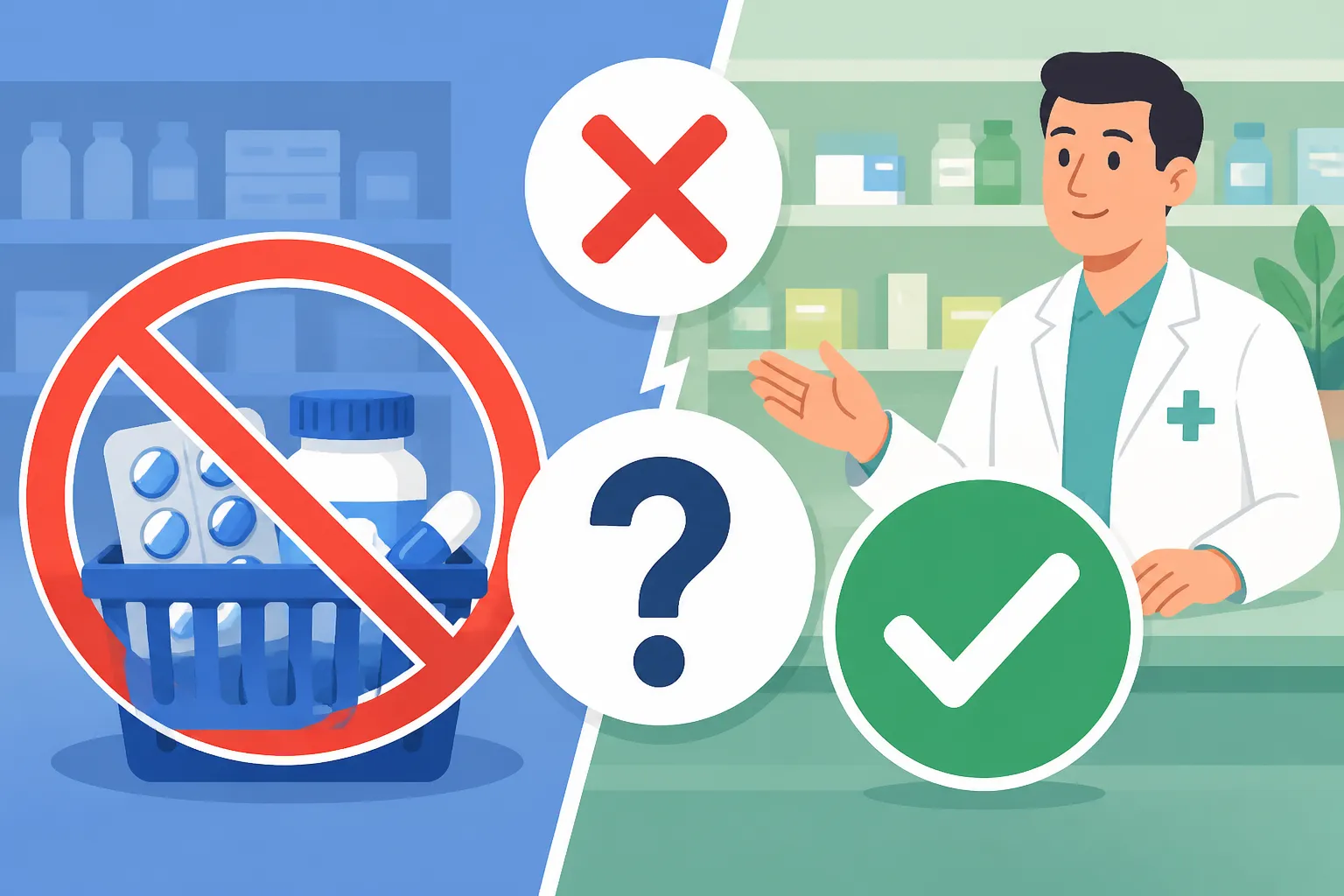
One of the most common questions I hear from fellow expats and tourists, especially those from countries with different healthcare systems, is "Can I just pop into a pharmacy and buy antibiotics for this nasty cough?" It's a perfectly understandable query, often born out of frustration or past experiences. Let me tell you straight: the answer in the UK is almost always a resounding no. This guide will explain why that is, and more importantly, how you actually get those vital medicines if you truly need them.
The Blunt Truth: No Over-the-Counter Antibiotics in the UK
Coming to the UK, you might find that your usual approach to minor illnesses needs a bit of a re-think, especially when it comes to antibiotics. In many countries, you might walk into a pharmacy, describe your symptoms, and walk out with a course of antibiotics. In the UK, that simply doesn't happen. The system here is much stricter, and for good reason, though I know it can feel incredibly frustrating when you're feeling miserable and just want a quick fix. You cannot buy antibiotics over the counter in the UK without a prescription from a qualified healthcare professional. This isn't just a quirky British rule; it's a deeply embedded policy designed to protect public health.
Why the UK is So Strict: Understanding Antimicrobial Resistance
The core reason behind the UK's stringent policy on antibiotics is the global fight against Antimicrobial Resistance (AMR). This isn't some abstract scientific term; it's a very real and growing threat where bacteria evolve to become resistant to the drugs designed to kill them. Misuse and overuse of antibiotics are major drivers of AMR. Every time an antibiotic is used unnecessarily, or a course isn't completed, it gives bacteria more opportunities to adapt and become resistant. The UK's National Health Service (NHS) is at the forefront of this battle, implementing strict guidelines to ensure antibiotics are only prescribed when absolutely essential.
Imagine a scenario: You wake up with a terrible sore throat, runny nose, and a cough. Back home, you might have been given antibiotics for what felt like a bacterial infection. In the UK, a GP would likely assess you and, if it's a common cold or flu (which are viral), they would advise against antibiotics because they simply won't work on viruses. Giving you antibiotics for a viral infection would not only be useless but would also contribute to the problem of AMR, potentially making those antibiotics ineffective for you or others in the future when a bacterial infection does strike. It’s a collective effort, and sometimes that means individual inconvenience, but it's for a truly vital cause.
The Role of the General Practitioner GP in Antibiotic Prescribing
In the UK, your General Practitioner (GP) is the gatekeeper for prescription medications, including antibiotics. They are the first point of contact for most non-emergency medical issues, and their role in determining whether an antibiotic is necessary is paramount. When you see a GP, they will take a detailed history, examine you, and potentially run tests (though not usually for common infections) to determine the nature of your illness. They are trained to differentiate between viral and bacterial infections and will only issue a prescription if they are confident that an antibiotic is genuinely required.
This can be a culture shock for many. I remember a friend from Canada who was absolutely flummoxed when her GP wouldn't prescribe antibiotics for what she insisted was a sinus infection. The GP patiently explained that it was likely viral and suggested saline rinses and pain relievers. She walked out feeling unheard, but a few days later, she was feeling better without the antibiotics. It’s about trust in their expertise and understanding the bigger picture of public health. This emphasis on conservative prescribing is a cornerstone of How the NHS Works: Public Healthcare in the UK Explained (2027).
How to Actually Get Antibiotics in the UK
So, if you can't just buy them, how do you get antibiotics when you genuinely need them? The process in the UK involves going through the established healthcare channels, primarily your GP or urgent care services. This might mean a bit more planning than you're used to, but it ensures you get the right treatment.
Registering with a GP and Booking an Appointment
For anyone living in the UK long-term, registering with a local NHS General Practitioner (GP) is your absolute first step for almost any medical need, including getting a prescription. It can feel like a bureaucratic hurdle, especially when you're new and still sorting out everything else. My advice? Do it as soon as you possibly can after you arrive. You don't want to be in a position of needing urgent medical attention and not having a registered GP. Check out our comprehensive guide on Registering with a GP in the UK: The Complete Expat Guide (2027) for a step-by-step walkthrough.
Once registered, you'll need to book an appointment. GP appointments can sometimes require a bit of patience. Depending on the surgery and your location, you might get a same-day appointment for urgent issues, or you might have to wait a few days, or even a week or two, for a routine appointment. Many surgeries offer online booking via apps like NHS App or Patient Access, or you can call them directly. When you call, be clear about your symptoms and if you feel it’s urgent. The reception staff are trained to triage calls and might direct you to an on-call doctor or other services if appropriate. Remember, they aren't trying to be difficult; they're managing a busy system.
Urgent Care Options for Prescriptions
What if you're not registered with a GP, or you're a tourist, or you simply can't get an appointment quickly enough for what you feel is an urgent issue? Don't panic; there are other avenues, though they should generally be used for genuine urgent needs, not routine issues.
- NHS 111: This is your go-to number for non-emergency medical advice. You can call 111 (it's free from landlines and mobile phones) or use the NHS 111 online service. They'll assess your symptoms and can direct you to the most appropriate service – whether that's an out-of-hours GP, a walk-in centre, or even arranging for a prescription to be sent to a pharmacy. They can also offer self-care advice if your condition isn't serious. This service is invaluable for expats and tourists alike, and Understanding NHS 111 and When to Use It in the UK is key.
- NHS Walk-in Centres or Urgent Treatment Centres (UTCs): These are designed for minor injuries and illnesses that require urgent attention but aren't life-threatening. They can often provide immediate assessment and treatment, and if necessary, issue prescriptions. You don't usually need an appointment. A quick online search for "NHS walk-in centre near me" will show you options.
- Accident & Emergency (A&E) / Emergency Department: This is for serious, life-threatening emergencies only. Please, please do not go to A&E for a common cold, sore throat, or a suspected chest infection that isn't causing severe breathing difficulties. You'll face very long waits and will be taking up resources from genuine emergencies. While they can prescribe antibiotics, it's not their primary function for routine issues. For life-threatening situations, dial 999. Read up on Emergency Medical Care in the UK: What Every Expat Needs to Know so you know when to use which service.
Private Healthcare and Antibiotics
If waiting for an NHS GP appointment isn't an option for you, or if you simply prefer the speed and convenience, private healthcare is another route. You can book an appointment with a private GP, often on the same day or within 24 hours. These appointments typically cost between £60-£150, sometimes more depending on the city and clinic. A private GP can also assess your condition and, if appropriate, issue a private prescription for antibiotics.
While private healthcare offers faster access, it's important to understand that the private sector in the UK generally adheres to the same strict antibiotic prescribing guidelines as the NHS. A private doctor won't give you antibiotics just because you ask for them; they will only prescribe them if medically necessary. If you have private health insurance, it might cover private GP consultations and prescription costs, depending on your policy. For tourists or short-term visitors, having comprehensive travel insurance like SafetyWing can be a huge comfort, covering unexpected medical expenses. However, even with SafetyWing, you'll still need a qualified doctor's assessment for any prescription medication like antibiotics; they won't just cover self-prescribed remedies.
Here's a quick comparison of options for getting an antibiotic prescription:
| Option | Cost (approx.) | Speed of Access | Key Considerations |
|---|---|---|---|
| NHS GP | Free (if eligible via IHS/visa) | Days to weeks for routine | Must be registered. Best for non-urgent care. Adheres strictly to antibiotic guidelines. |
| NHS 111 (Phone/Online) | Free | Immediate assessment/advice | Triage service that directs to appropriate care. Can arrange prescriptions in certain urgent cases. |
| NHS Walk-in/UTC | Free (if eligible) | Same-day | For urgent but non-life-threatening issues. No appointment needed. Adheres to guidelines. |
| Private GP | £60 – £150+ | Same-day or 24 hrs | Faster access. Still requires medical necessity for antibiotics. Can be covered by private health insurance (e.g., Bupa, Cigna, AXA Health), or travel insurance like SafetyWing for acute, unexpected illness. Prescription usually incurs separate cost. |
| A&E | Free (if eligible) | Long waits (hours) | For life-threatening emergencies only. Do not use for minor illnesses. You will be triaged based on severity. |
Common Ailments: What You Can Buy Over the Counter and When to Worry
It's natural to jump to the conclusion that a severe cold or lingering cough needs an antibiotic. However, most common respiratory infections are viral, and antibiotics are useless against them. Understanding what you can buy over the counter and when your symptoms warrant professional medical advice is crucial for navigating the UK system.
Pharmacy-Available Remedies for Minor Illnesses
For the vast majority of colds, coughs, sore throats, and minor aches, your local pharmacy is your best friend. UK pharmacies are staffed by highly qualified pharmacists who can offer a wealth of advice and suggest suitable over-the-counter (OTC) remedies. They can’t prescribe antibiotics, but they can assess symptoms, suggest appropriate non-prescription treatments, and advise if you need to see a doctor. Many pharmacies also have private consultation rooms if you want to discuss something more discreetly.
Here's what you can typically find for common ailments:
- Pain Relief & Fever Reducers: Paracetamol (acetaminophen) and ibuprofen are widely available. Always follow the dosage instructions carefully.
- Cold & Flu Remedies: A huge range of products combine pain relief with decongestants, cough suppressants, and expectorants. Brands like Lemsip, Sudafed, and Day & Night Nurse are popular.
- Sore Throat: Lozenges, sprays, and gargles containing antiseptics or local anaesthetics can provide temporary relief. Strepsils or Difflam spray are common choices.
- Cough: Cough syrups for dry coughs (suppressants) or chesty coughs (expectorants) are readily available.
- Allergies: Antihistamines (e.g., loratadine, cetirizine) are available in tablet form to help with hay fever or other allergic reactions.
- Antacids: For indigestion or heartburn, Gaviscon or Rennies are easy to find.
Don't underestimate the power of these simple remedies, combined with rest and plenty of fluids. Often, that's all your body needs to fight off a viral infection. You can also pick up things like wound care supplies, basic first aid items, and even get advice on managing chronic conditions. For more on what to expect, refer to our guide on Prescriptions and Pharmacies in the UK: The Complete Guide.
When to Seek Medical Advice (Red Flags)
While most minor illnesses can be managed at home or with pharmacy remedies, it’s important to know when your symptoms could be a sign of something more serious that might require an antibiotic or other medical intervention. Don't try to tough it out if you experience any of these 'red flag' symptoms:
- Difficulty Breathing: Shortness of breath, wheezing, or struggling to catch your breath, especially if it's new or worsening.
- Chest Pain: Particularly if it's severe, crushing, or radiates to your arm or jaw. This is an emergency.
- High Fever That Won't Go Down: A fever above 39°C (102.2°F) that doesn't respond to paracetamol or ibuprofen, or lasts for several days.
- Severe Localised Pain: Sharp, intense pain in a specific area (e.g., ear, abdomen) that is getting worse.
- Worsening Symptoms: If your symptoms are significantly deteriorating after a few days, or you're just generally feeling much worse.
- Rash: Especially if it's spreading rapidly, itchy, painful, or looks unusual.
- Stiff Neck and Sensitivity to Light: Combined with a fever, these could indicate meningitis. Seek urgent medical attention.
- Persistent Vomiting or Diarrhoea: If you're unable to keep fluids down and are showing signs of dehydration.
If you experience any of these, don't hesitate. Call NHS 111, head to a walk-in centre, or for severe emergencies, call 999. It’s always better to get checked out and be told it’s nothing serious than to delay treatment for a genuinely serious condition.
Navigating the System as a Newcomer
Moving to a new country and figuring out the healthcare system is a huge undertaking. It's totally normal to feel overwhelmed and confused, especially when your expectations clash with local realities. But with a bit of foresight, you can make the process much smoother.
Be Prepared: Getting Your NHS Access Sorted Early
Seriously, I can't stress this enough: get your NHS access sorted as soon as possible. As soon as you have a stable address, start the process of How to Register with an NHS GP After Moving to the UK. Even if you feel perfectly healthy, having a GP means you're prepared for when you inevitably do get sick. This also includes understanding your eligibility through the Immigration Health Surcharge (IHS). If you've paid the IHS as part of your visa application, you're entitled to use the NHS, just like a permanent resident.
Don't wait until you're feeling unwell to try and register. That's a recipe for stress and delays. Imagine getting a nasty ear infection and discovering you can't see a doctor because you're not registered. It happens more often than you'd think, and it's truly a tough spot to be in. Being proactive means you can access the care you need when you need it, rather than scrabbling around in a panic. Our guide, Navigating the UK Healthcare System: An Expat's Roadmap (2026), really delves into this.
Understanding Your Healthcare Entitlements
It's really important to understand what you're entitled to under the NHS. Generally, if you've paid the Immigration Health Surcharge (IHS) as part of your visa, you have access to NHS services on broadly the same basis as a permanent UK resident. This means most GP services, hospital treatments (including A&E), and specialist referrals will be free at the point of use, although you will generally pay for prescriptions (unless you qualify for an exemption) and dental treatment. For a full breakdown, check out How Your Visa and the IHS Affect Your NHS Entitlement in the UK.
For visitors or those on short-term stays who haven't paid the IHS, access to NHS services is more limited, usually only covering emergency treatment that cannot wait until you return home. In such cases, you will be billed for treatment. This is where comprehensive travel insurance, like that offered by SafetyWing, becomes absolutely essential. It can cover the costs of unexpected medical emergencies, ensuring you don't face eye-watering bills if something goes wrong. Even minor issues that require a GP visit and potential antibiotics could incur charges if you're not eligible for free NHS care, so having that safety net is vital. No one wants to be caught out by an unexpected appendicitis or a severe infection when they're far from home, facing massive medical costs.
Being informed and prepared about how the UK healthcare system handles antibiotics, and indeed all medical care, will save you a lot of worry and frustration down the line. It's a different system, but once you understand it, you'll find it's designed to provide effective and responsible care.
Disclaimer
Please remember that this guide offers general information based on current UK healthcare practices for expats and tourists. Healthcare policies and recommendations can change. Always consult with a qualified healthcare professional in the UK for personalised medical advice, diagnosis, or treatment. This content is not a substitute for professional medical guidance.