Where Can I Get a Vaccine as an Adult in the UK?
Moving to the UK as an adult can bring a whole host of questions, and one that often pops up, perhaps unexpectedly, is "Where can I get a vaccine as an adult here?". It's a valid concern, especially if you're coming from a country with a different vaccination schedule, or if you simply need a booster or a jab for an upcoming trip. Navigating the UK healthcare system for something that seems straightforward elsewhere can feel like a minefield, but don't worry, this guide will walk you through exactly where and how adults can get vaccinated in the UK.
Understanding Adult Vaccinations in the UK
It’s easy to assume that all healthcare services, including vaccinations, are automatically free under the NHS once you’ve paid your Immigration Health Surcharge (IHS) or are otherwise eligible. While the NHS is indeed a fantastic resource, the landscape for adult vaccinations can be a little more nuanced than you might initially expect. Understanding what’s covered and why you might need a jab is the first step in getting what you need.
What's Covered by the NHS for Adults?
Generally speaking, the NHS provides a core set of vaccinations for adults, especially if you’ve missed them in childhood or if they’re deemed crucial for public health. For instance, catch-up vaccinations for measles, mumps, and rubella (MMR) are widely available. If you can’t prove you’ve had two doses of the MMR vaccine, your GP can offer it. Similarly, tetanus, diphtheria, and polio boosters are often included if your immunity has waned, usually offered as a combined Td/IPV jab. These are considered routine immunisations.
Beyond these basics, the NHS also runs annual vaccination programmes for specific demographics. The seasonal flu jab, for example, is offered free to those considered at higher risk, such as individuals over 65, pregnant women, and those with certain long-term health conditions. Pneumonia and shingles vaccines are also available for eligible older adults. Crucially, these services are typically free for anyone who is eligible for NHS care, which usually includes expats who have paid their IHS as part of their visa application. For a deeper dive into who can access these services, you might want to read our guide on Understanding Who Is Eligible for Free NHS Care in the UK.
Why Adults Might Need Vaccinations
The reasons an adult in the UK might need a vaccination are quite varied. Sometimes, it’s about plugging gaps in your history. Perhaps you grew up in a country where certain vaccines weren’t routine, or your records were lost in your move. Many expats find they need to catch up on childhood vaccines, like MMR, or boosters for diseases like tetanus or polio. This is perfectly normal and easily managed once you’re registered with a GP.
Travel is another massive driver for adult vaccinations. Planning an exciting trip to Southeast Asia or a safari in Africa? You’ll likely need specific vaccines like Hepatitis A, Typhoid, Yellow Fever, or Japanese Encephalitis, which aren’t typically covered by the NHS because they're not considered essential for UK public health. Furthermore, some professions require specific immunisations for occupational health and safety reasons, such as healthcare workers needing Hepatitis B vaccines. And of course, in recent years, public health campaigns for things like COVID-19 boosters have meant almost everyone has been offered additional jabs.
Where to Get Your Vaccinations
So, you know why you might need a vaccine, but the burning question is where to actually get one. The UK has a tiered system, and knowing which tier to approach for your specific vaccination need will save you a lot of time and frustration.
Your Local NHS GP Surgery
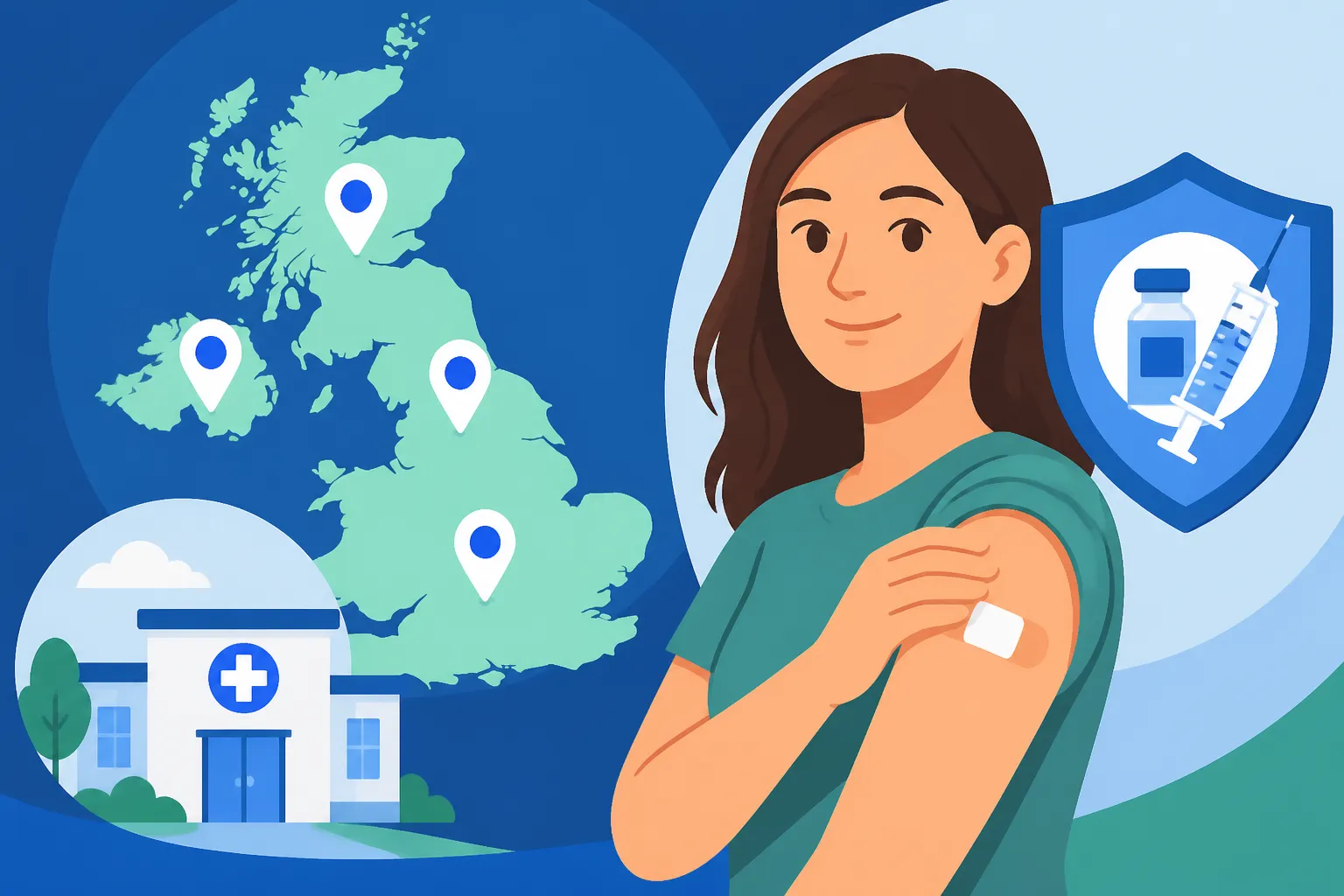
Your General Practitioner (GP) surgery is, without a doubt, your primary port of call for any NHS-covered vaccinations. Once you’ve gone through the process of Registering with a GP in the UK: The Complete Expat Guide (2027), which can sometimes feel like an administrative marathon, you’ll be able to book an appointment with a practice nurse. These nurses are experts in immunisations and will be able to assess your needs based on your medical history and the UK’s recommended schedule.
It's absolutely essential to bring any vaccination records you have from your home country to your first appointment, or at least have a good idea of what you’ve had. This helps the practice nurse determine what catch-up jabs you might need. Don't be surprised if there's a bit of a wait for routine appointments; the NHS is under pressure, and while emergency care is always prioritised, a non-urgent vaccination might not be a same-day service. You'll typically have an initial chat, they'll check your records, and then schedule you for the actual jab. If you're still figuring out how to get registered, our guide on How to Register with an NHS GP After Moving to the UK is a lifesaver.
Pharmacies and Walk-in Centres
For certain vaccinations, pharmacies have become incredibly convenient options, especially for seasonal campaigns. During the winter months, many large pharmacy chains like Boots, Superdrug, and LloydsPharmacy offer the seasonal flu jab. If you’re in an eligible NHS group (e.g., over 65, pregnant, or have certain chronic conditions), it will be free. If not, you can usually pay a private fee, which is often very reasonable, typically around £15-£20. This is a brilliant option for quick, easy access without needing a GP appointment.
These pharmacies are also increasingly involved in COVID-19 booster programmes, making it very straightforward to get your jab by booking online through the NHS website or simply walking in if they have availability. Some pharmacies might also offer a limited range of private travel vaccines, although their selection is usually smaller than dedicated travel clinics. Walk-in centres, or Urgent Treatment Centres, tend to focus on immediate minor ailments and injuries rather than routine vaccinations for adults, so while they exist, they aren't your go-to for jabs.
Private Travel Clinics and Occupational Health Services
Now, this is where many expats often find themselves spending a bit more money. For all those exciting international trips, vaccinations like Yellow Fever, Japanese Encephalitis, Rabies, or extensive Hepatitis B courses are almost exclusively available through private travel clinics. These clinics specialise in travel health and can provide bespoke advice based on your destination, duration of stay, and planned activities. Companies like Nomad Travel Clinics or local private GP services often have dedicated travel health nurses.
The costs here can add up quickly, as you're paying for the consultation, the vaccine itself, and sometimes a prescription fee. A single dose of a travel vaccine can range from £50 to £150 or more, and some require multiple doses. This is a stark difference from the NHS model, so it’s essential to budget for it. While it might seem like a lot, falling ill abroad from a preventable disease would be far worse. While health insurance typically doesn't cover preventative vaccines, having comprehensive travel medical insurance is essential when planning international trips. Policies like those offered by SafetyWing are designed to cover unexpected medical emergencies and evacuations while you're abroad, providing a vital safety net should you fall ill from any cause.
For those in specific professions, your employer's occupational health service might cover certain work-related vaccinations, such as Hepatitis B for healthcare professionals or various inoculations for laboratory staff. This would usually be organised directly by your workplace, so check with your HR department. To understand more about the financial side of healthcare, including private options, take a look at our article on The Cost of Healthcare in the UK: A Complete Breakdown for Foreigners (2026).
Important Considerations for Expats
Navigating adult vaccinations in a new country can feel like a puzzle with missing pieces. For expats, there are a few extra layers of consideration to peel back to ensure you get the protection you need without unnecessary hassle or expense.
Your Vaccination History and Records
This point cannot be stressed enough: your vaccination history is gold. When you register with a GP in the UK, they'll ask for your medical history, and that absolutely includes your immunisation records. If you have a 'yellow card' or an equivalent record book from your home country, bring it. Even a printed list from your previous doctor can be incredibly helpful. This allows UK healthcare professionals to see what you’ve already had, avoiding unnecessary repeat jabs and ensuring you get any missed ones.
What if your records are lost, incomplete, or in a language no one understands? Don’t panic. Your GP or practice nurse will discuss your situation with you. Sometimes, they can infer what you’ve had based on your age and country of origin, or they might recommend blood tests to check for immunity to certain diseases. It's always best to be proactive – try to gather as much information as possible before your first appointment. Once you start receiving vaccines in the UK, ask for a record. You'll want to keep this safe, especially if you ever move again or need proof for travel or work.
Costs and Insurance Coverage
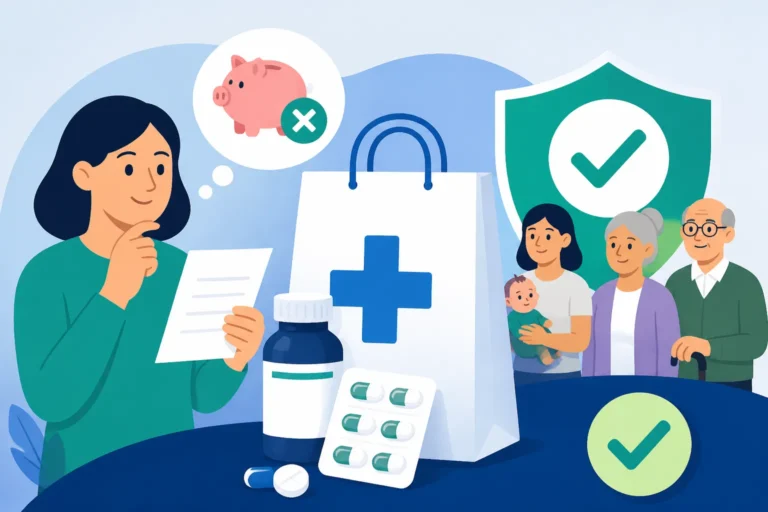
Let’s be honest, everyone worries about costs. As mentioned, most routine and public health vaccinations (like MMR, Td/IPV, seasonal flu for eligible groups) are free on the NHS if you're an eligible resident, often thanks to your Immigration Health Surcharge. However, travel vaccines are a different story. They are almost universally private, and the cost can vary significantly depending on the clinic and the specific vaccine. For example, a full course of Hepatitis B might involve three doses over several months, escalating the total cost.
It’s a common misconception that private health insurance will cover these preventative jabs. In reality, most standard private health insurance policies in the UK, whether it’s a plan from Bupa, AXA, or others, do not cover routine vaccinations or travel vaccines. Their focus is typically on diagnostic tests, specialist consultations, and treatments for illnesses and injuries. If you're wondering How Much Does Private Health Insurance Cost in the UK in 2026?, be sure to factor in that this won't typically include your holiday jabs.
This is a crucial distinction: while you’re paying out-of-pocket for preventative jabs, it’s still wise to consider comprehensive health coverage for broader medical needs. For instance, while travel medical insurance won't cover your pre-trip vaccines, having a robust policy like those offered by SafetyWing is absolutely essential for covering medical emergencies that might arise during your travels abroad. It's about protecting yourself for what happens on the road, separate from the preventative steps you take beforehand. So, when asking Do I Need Private Health Insurance in the UK?, remember its role is usually for treatment, not prevention.
Navigating the System for Specific Needs
Sometimes, your vaccination needs might be a bit more specific. If you are pregnant, for instance, there are particular vaccines recommended to protect both you and your baby, most notably the whooping cough (pertussis) vaccine and the seasonal flu jab. These are typically offered free on the NHS through your GP or antenatal clinic. Our guide on Understanding Maternity and Antenatal Care Under the NHS in the UK has more details on this.
For individuals who are immunocompromised or have specific chronic health conditions, your GP will be your key advisor. You might be eligible for additional vaccines (like pneumonia vaccine at a younger age) or need to avoid certain live vaccines. Never self-diagnose or make assumptions; always consult with a healthcare professional. Students, too, often have specific requirements or opportunities; many universities have their own health services that might run vaccination clinics, especially for things like MMR or meningitis ACWY for freshers. Always check with your university's welfare or health department upon arrival.
Here's a handy breakdown of where you can typically get different types of vaccinations as an adult in the UK:
| Service/Location | Typical Vaccines Offered | Cost | Key Points |
|---|---|---|---|
| NHS GP Surgery | Routine childhood catch-up (MMR, Tdap), seasonal flu (eligible groups), pneumonia, shingles (eligible age), some basic travel advice. | Free (for eligible residents) | Primary point for NHS-covered jabs. Requires registration. Consult with a practice nurse. |
| NHS Pharmacy (e.g., Boots, LloydsPharmacy) | Seasonal flu (eligible groups, or private), COVID-19 boosters. Very limited private travel vaccines. | Free (eligible NHS) or Private (Varies, typically £15-£20 for flu) | Convenient, often walk-in or easy online booking. Good for quick, common jabs. |
| Private Travel Clinics (e.g., Nomad Travel, local clinics) | Comprehensive travel vaccines (Yellow Fever, Rabies, Hep B, Typhoid, Japanese Encephalitis, etc.), some routine if preferred privately. | Private (Expensive, varies by vaccine: £50-£150+ per dose) | Specialist advice, wider range of uncommon travel vaccines. No GP referral needed. Crucial for complex travel itineraries. |
| Occupational Health Services | Work-specific vaccines (e.g., Hep B for healthcare workers, specific jabs for laboratory or field workers). | Employer-covered (usually) | Organised by your employer for job-related health risks. Check with your HR department upon starting a new role. |
| University Health Services | MMR, MenACWY, flu jabs (for students). | Varies (often free for students) | If your university has a dedicated health centre, they often run student-specific vaccination programmes and clinics. Check with your institution. |
Hopefully, this guide has demystified the process of getting vaccinated as an adult in the UK. While it might seem a bit fragmented at first, knowing which door to knock on for each type of vaccine will make your life much easier. Stay healthy and enjoy your time in the UK!
Disclaimer
The information provided in this guide is for general informational purposes only and does not constitute medical or legal advice. While we strive to keep the information up-to-date and accurate, healthcare policies and recommendations in the UK can change. Always consult with a qualified healthcare professional, such as your GP or a practice nurse, for personalised medical advice regarding your vaccination needs. For specific visa and immigration questions, always refer to official UK government sources or seek advice from a qualified immigration expert.