Do I Need a TV Licence in the UK?
One of the many delightful surprises you stumble upon when moving to the UK, beyond trying to understand what a "biscuit" really is, is the concept of the TV Licence. You've just unpacked, wrestled with setting up broadband, and now someone tells you there's a separate fee just to watch telly? It can feel like another layer of bewildering bureaucracy, but trust me, you're not alone in that initial head-scratching. This guide is here to unravel the mystery, explaining exactly if, and why, you need a TV Licence in the UK.
Unpacking the UK TV Licence: Who Needs One and Why
Let's cut right to the chase because, as expats, we've got enough on our plate without guessing about legal obligations. The UK's TV Licence system is unique, and it’s a non-negotiable part of living here if you consume certain types of media. It’s definitely one of those things that can feel like a "gotcha" moment for newcomers, but once you understand the rules, it’s straightforward.
The Core Rule: Live TV and BBC iPlayer
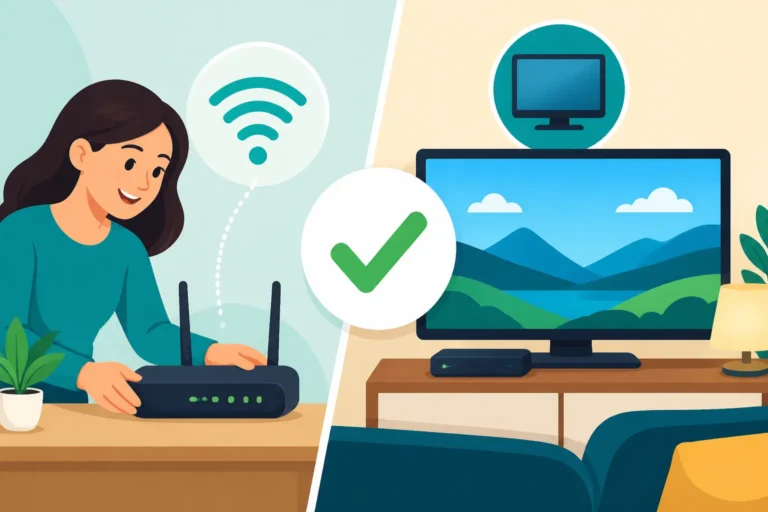
The fundamental principle behind needing a TV Licence in the UK boils down to two key activities. Firstly, if you watch or record television programmes as they are being shown on TV – this is what they call "live broadcast TV" – on any channel, using any device, you need a licence. This includes traditional TV sets, of course, but also laptops, tablets, smartphones, game consoles, or even streaming sticks that access live channels. It doesn't matter how you receive the broadcast – through an aerial, satellite, cable, or the internet – if it's live, you need a licence.
Secondly, and this is where many expats (and even long-term residents!) get caught out, you need a TV Licence if you use BBC iPlayer. This rule applies whether you're watching live content through iPlayer, catching up on programmes you missed, or downloading shows to watch later. Yes, even just watching an old episode of EastEnders on demand via BBC iPlayer requires a valid licence. It's a specific requirement for all BBC iPlayer usage, regardless of whether the content was originally live or not. For many of us, navigating these digital nuances while also sorting out our new life can be tricky, much like trying to understand The Complete Guide to Moving to the UK: Your First 90 Days (2027).
It's About Your Address, Not Just Your Devices
A common misconception is that you need a licence for every device or every person. Thankfully, that's not the case. A single TV Licence covers a household, meaning one licence is typically enough for one address, regardless of how many people live there or how many devices they use to watch TV. This applies whether you're watching on your main living room TV, your laptop in the bedroom, or your phone on the train, as long as it's within that licensed household.
However, there are nuances for certain living arrangements. If you live in a shared house with a joint tenancy agreement, one licence usually covers the entire property. But if you have a separate tenancy agreement for your individual room or flat within a larger building (common in student accommodation or house-shares where rooms are let individually), you might each need your own licence. It’s always best to check your specific living situation, particularly if you’re renting a room in a multi-occupancy property. This sort of detail is just one of many you'll encounter when delving into The Complete Guide to Renting a Home in the UK (2027).
What a TV Licence Doesn't Cover (and When You're Exempt)
The good news is that not everything you watch requires a TV Licence. Understanding the exemptions can save you money and unnecessary stress. Many expats, particularly those used to purely on-demand streaming back home, might find themselves genuinely not needing one.
Diving into Streaming and On-Demand Services
This is where the distinction becomes crucial. You do not need a TV Licence if you only watch on-demand content from non-BBC services. This includes popular platforms like Netflix, Amazon Prime Video, Disney+, Apple TV+, YouTube (for non-live content), and catch-up services from commercial broadcasters like ITVX (formerly ITV Hub), Channel 4 (formerly All 4), or My5 (Channel 5's service). As long as you are not watching these channels live, and you are not using BBC iPlayer for any reason, you're in the clear.
For example, if your evening routine involves nothing but binging a series on Netflix or watching a YouTube tutorial, you absolutely do not need a TV Licence. Similarly, if you only ever watch catch-up programmes on ITVX or Channel 4 that are not live broadcasts, you're fine. The key is that "live" element for non-BBC content. If you tune into a football match on Sky Sports via a streaming service, as it is being broadcast live, then yes, a licence is required. But if you watch the highlights an hour later on YouTube, no licence needed. This careful distinction is one of those quirks that you quickly get used to as you navigate The Expat Guide to Setting Up Utilities (Energy, Water, Broadband) in the UK and other essential services.
Special Circumstances and Concessions
While the general rule is 'one licence per household for live TV and BBC iPlayer', there are a few notable exceptions and concessions to be aware of:
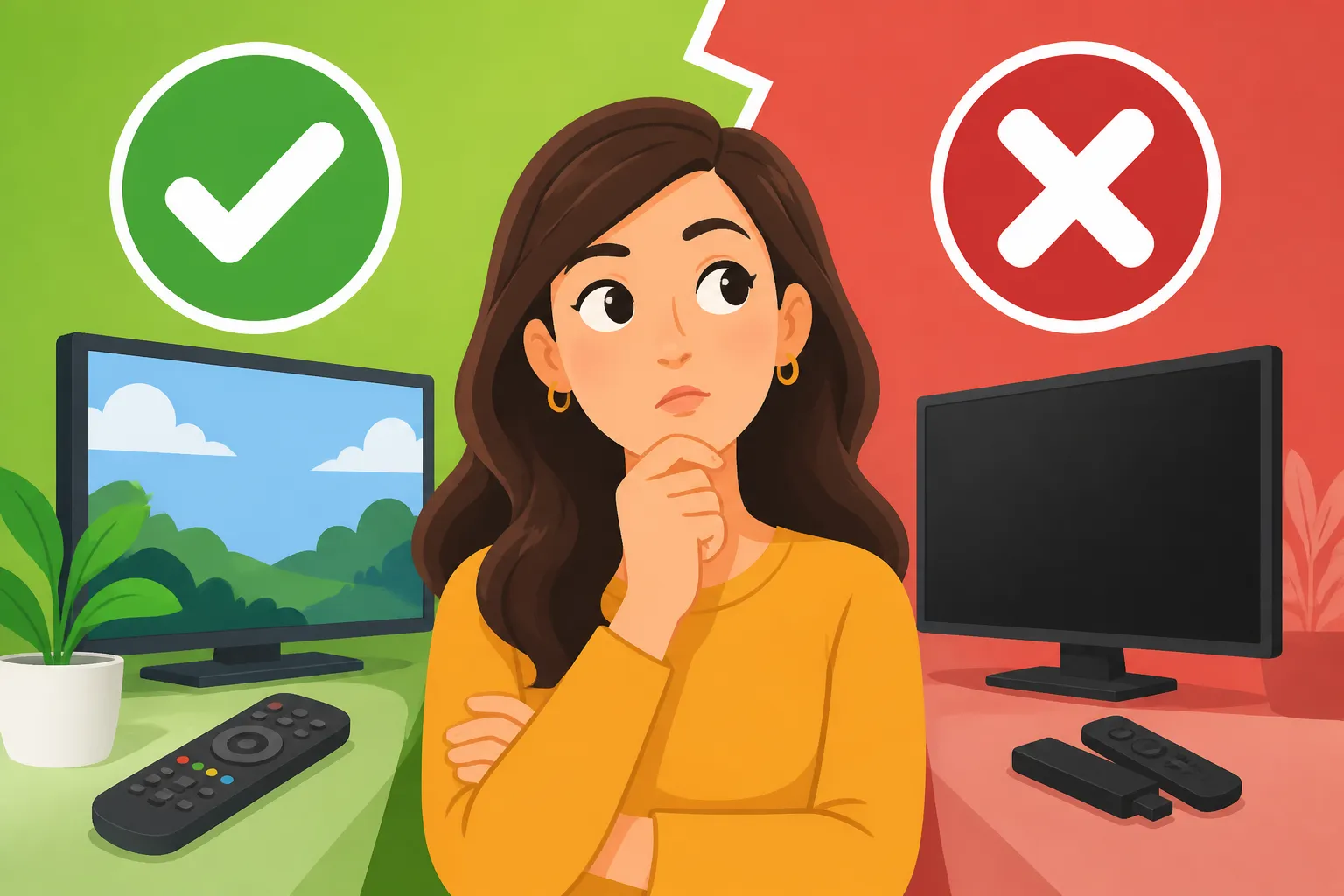
- No TV or Viewing: If you genuinely do not watch or record live TV, and you never use BBC iPlayer (even to download content), then you do not need a TV Licence. Many households now operate this way, relying solely on commercial streaming platforms for their entertainment. You can even make a "No Licence Needed" declaration on the official TV Licensing website to inform them of your status, which might help prevent those slightly intimidating letters from landing on your doormat. Just remember, this declaration is legally binding, and you could face investigation if they suspect you're watching licensable content without one.
- Over 75 and on Pension Credit: Historically, all over-75s received a free TV Licence. However, the rules changed, and now only households where someone aged 75 or over receives Pension Credit are entitled to a free licence. This is a targeted benefit, so if you're not receiving Pension Credit, the standard rules apply.
- Blind (Severely Sight Impaired): If you are certified as severely sight impaired (blind), you can apply for a 50% concession on the TV Licence fee. This is a significant saving and a welcome relief for those eligible.
- Students: If you're a student living away from home, you might be covered by your parents' licence if you're watching on a device powered solely by its internal battery (e.g., a laptop or phone that isn't plugged into the mains) and your permanent address (your parents' home) has a valid TV Licence. However, if you plug your device into the mains, or use a TV set, or live in student accommodation with its own separate tenancy agreement, you'll likely need your own. Always check the specific student guidance on the TV Licensing website.
These concessions are designed to help specific groups, but for most expats, the core distinction between live TV/BBC iPlayer and other on-demand services will be the deciding factor.
Getting Your Licence and What Happens If You Don't
So, you've figured out you need one. Now what? Getting a TV Licence in the UK is a relatively straightforward process, but understanding the potential pitfalls of not having one is equally important. It's a bit like understanding How the UK Tax System (HMRC) Works: PAYE and National Insurance Explained (2027); you just need to know the rules to avoid headaches.
The Practicalities of Applying and Paying
The easiest and most common way to get a TV Licence is by visiting the official TV Licensing website. They have a clear application process that allows you to set up payment. You can choose to pay the full annual fee in one go, or spread the cost through monthly or quarterly direct debits. Many people prefer the direct debit option as it helps manage the cost, which, like The Complete Guide to Cost of Living in the UK for Expats (2026), can add up.
For the year 2024-2025, a standard colour TV Licence costs £169.50. This figure is reviewed annually, so it's always good practice to check the official website for the most up-to-date fee. When setting up your licence online, you'll need your address details and a payment method. You'll typically receive a confirmation email, and sometimes a paper licence in the post, though these days everything is largely digital. Keeping track of these household expenses and subscriptions often requires good internet connectivity, whether it's your home broadband or staying connected on the go with a reliable eSIM provider like Airalo, ensuring you can manage your household admin with ease.
If you prefer not to pay by direct debit, you can also use a TV Licensing payment card, which allows you to top up your balance at PayPoint outlets located in many convenience stores across the UK. This option can be useful for those who prefer to pay weekly or fortnightly in smaller amounts.
The Risks of Going Without: Fines and Formalities
This isn't a suggestion or a polite request; it's a legal requirement if you watch or record live TV or use BBC iPlayer. Failing to have a valid TV Licence when you are legally obliged to can lead to serious consequences.
- Investigation Letters and Visits: TV Licensing operates a robust enforcement system. They use a database to identify unlicensed addresses and will send official letters, often increasing in urgency, reminding you of your obligations. These letters can feel quite official and, let's be honest, a bit intimidating. If you ignore these, enforcement officers may visit your property. They are not police, but they are authorised to investigate and gather evidence.
- Prosecution and Fines: If an enforcement officer confirms that you are watching licensable TV without a licence, they can gather evidence for a prosecution. If found guilty, you could face a maximum fine of £1,000 in England and Wales (up to £2,000 in Jersey or Scotland). Not only is that a hefty financial hit, but a conviction for this offence can also result in a criminal record. It's truly not worth the risk, especially when you're building a new life and want to stay on the right side of the law. This is one of those administrative hurdles that, like Understanding Council Tax and Bands for Residents in the UK, you just need to tackle head-on.
- The "No Licence Needed" Declaration: If you genuinely do not watch any live TV broadcasts or use BBC iPlayer, you can fill out a "No Licence Needed" declaration on the TV Licensing website. This informs them of your situation and should stop the letters from coming. However, even if you've declared, TV Licensing retains the right to conduct checks to ensure compliance. It’s an honour system, but one with consequences if you're found to be misrepresenting your viewing habits.
Navigating This Unique Bit of British Life as an Expat
As an expat, you're constantly bombarded with new rules, cultural nuances, and administrative hoops to jump through. The TV Licence is just one more of those distinctly British quirks that can make you scratch your head.
Why the Confusion is Understandable
Believe me, you're not alone in finding this system a bit baffling at first. Many countries fund public broadcasting through general taxation or advertising, not a separate licence fee. The UK's model is a legacy system, and the digital age has only made the rules feel more convoluted, especially with the specific BBC iPlayer requirement. For us foreigners, the distinction between "live" and "on-demand" can feel arbitrary when it comes to legal obligations. It’s part of a larger picture of adjusting to everyday life here, from understanding local slang to figuring out How the NHS Works: Public Healthcare in the UK Explained (2027).
It’s crucial to understand that this isn't about being targeted; it’s just the system everyone, Brit and expat alike, lives under. The initial confusion is completely valid, and it highlights how many little things you have to re-learn when you move across borders. Getting assistance with the broader logistical challenge of moving, perhaps through a service like Sirelo, can help ease the stress of the big picture, leaving you more mental space to tackle these smaller, but still important, details.
Finding Further Information and Support
The best source for official, up-to-date information is always the TV Licensing website directly. They have comprehensive FAQs and clear guidance on various scenarios, including students and shared accommodation. Don't rely solely on anecdotal advice from forums, as rules can change, and individual situations can vary.
Beyond the official channels, expat communities and online groups can be a great resource for practical tips and shared experiences. Sometimes, just knowing others have navigated the same confusion can be a comfort. Understanding this, alongside other necessities like How to Register with an NHS GP After Moving to the UK, is all part of becoming a seasoned UK resident.
Here’s a quick summary to help you keep things straight:
| Scenario | TV Licence Needed? | Notes |
|---|---|---|
| Watching any live TV broadcast | Yes | On any device, any channel, via aerial, satellite, cable, or internet. |
| Watching or downloading from BBC iPlayer | Yes | For any content on BBC iPlayer, whether live, catch-up, or downloaded. |
| Watching on-demand from Netflix, Prime, Disney+ | No | If this is all you watch. |
| Watching catch-up from ITVX, Channel 4, My5 | No | If this is all you watch, and you are not watching live broadcasts through these apps. |
| Only watching DVDs/Blu-rays | No | As long as you don't do anything else that requires a licence. |
| Over 75 and receiving Pension Credit | No | Eligible for a free licence. |
| Severely sight impaired (blind) | Yes (50% discount) | Apply for the concession. |
| Student watching on battery-powered laptop | Potentially No | Only if your permanent address is licensed and the device is not plugged into the mains. Check specific student guidance for clarity, especially if you also watch BBC iPlayer or live TV on a TV set in your student accommodation. |
Knowing whether you need a TV Licence is just one small piece of the puzzle that is life in the UK. Hopefully, this guide has demystified it for you, allowing you to settle in and enjoy your entertainment choices without any added worry.
Disclaimer
The information provided in this article is for general guidance only and is subject to change. While we strive to offer accurate and up-to-date information for expats in the UK, rules and regulations, particularly concerning costs and eligibility for services like the TV Licence, can be updated by official bodies. We recommend checking the official TV Licensing website for the most current and specific details relevant to your individual circumstances.