How Do I Access Mental Health Support on the NHS in the UK?
Moving to a new country like the UK is exhilarating, but beneath the excitement, it’s completely normal for the immense stress and cultural shift to take a toll on your mental well-being. Many of us expats have found ourselves feeling isolated, overwhelmed, or just plain lost, wondering how on earth to navigate the notoriously complex healthcare system when our minds are already struggling. This comprehensive guide is here to demystify accessing mental health support through the NHS, breaking down the steps and options available to you, so you can get the help you deserve.
The Initial Hurdle: Understanding NHS Mental Health Services
Let's be honest, the NHS, while incredible, can feel like a labyrinth even for those born and raised here. For us foreigners, it's often a source of confusion and frustration, especially when we're trying to figure out how to get help for something as personal and sensitive as our mental health. The system isn't always straightforward, but understanding its structure is the first step to unlocking its support.
Why the NHS Can Feel Like a Maze and How to Navigate It
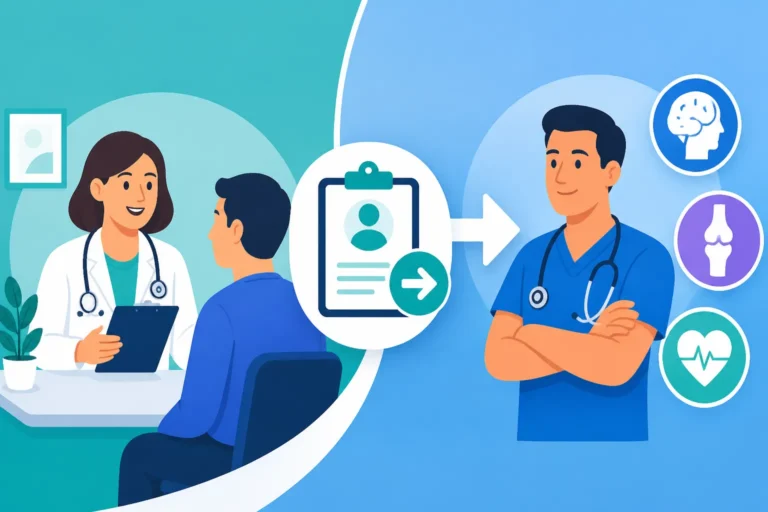
The UK's mental healthcare system operates on a stepped-care model, meaning you typically start with the least intensive intervention and step up to more specialised care if needed. This is designed to ensure everyone gets appropriate support, but it can feel slow and bureaucratic when you're in distress. Think of it like this: your local GP surgery is usually your front door to everything, including mental health. From there, you might be referred to talking therapies, or in more severe cases, to specialist community mental health teams. This tiered approach means you won't always jump straight to a psychiatrist, which can be a common expectation for those from different healthcare systems.
The key to navigating this is patience and persistence. Don't be afraid to clearly articulate your needs and feelings at each step. If you're struggling, say so. If you feel like your needs aren't being met, advocate for yourself, or bring a trusted friend or family member to help. It's a system that, while sometimes clunky, is ultimately designed to provide care, but you often need to be an active participant in your own journey through it.
Eligibility for NHS Mental Health Care
One of the biggest concerns for expats is whether they're even eligible for free NHS care. The good news is, if you're lawfully resident in the UK, generally yes. Most long-term visa holders will have paid the Immigration Health Surcharge (IHS) as part of their visa application. This payment effectively grants you access to most NHS services, including mental health, on the same footing as a permanent resident. It’s a bit like a pre-paid healthcare fee, alleviating the worry of huge medical bills. You can learn more about Understanding the Immigration Health Surcharge (IHS) and NHS Access (2027) to be clear on your entitlements.
However, if you're a tourist or on a short-term visa and haven't paid the IHS, your access might be limited to urgent or emergency care, and you could be charged for non-emergency treatments. It’s always best to check your specific visa conditions, but for the majority of expats living and working in the UK, your IHS payment means you're covered for mental health support, just like any other UK resident. If you're unsure about your standing, it's worth checking Understanding Who Is Eligible for Free NHS Care in the UK.
Your First Step: The General Practitioner (GP)
For almost all mental health concerns in the UK, your General Practitioner (GP) is your vital first point of contact. They're not just for physical ailments; they play a crucial role in assessing your mental health, offering initial support, and guiding you to appropriate further care within the NHS. Don't underestimate their role.
Registering with a GP – Your Gateway
Before you can even begin to think about accessing NHS mental health support, you absolutely must be registered with a local GP surgery. This isn't just a recommendation; it's the fundamental gateway to virtually all primary healthcare services, including mental health. The process can sometimes feel like a bureaucratic hurdle, especially when you're new to the country and don't have all your documents neatly lined up. However, many practices are more flexible than you might imagine regarding proof of address for newcomers.
You'll typically need to visit your chosen GP surgery, fill out a registration form (GMS1 form), and provide some form of ID and proof of address. Even if you've only just arrived and are in temporary accommodation, explain your situation. Often, a letter from your employer or a utility bill in your name can suffice. This crucial step is often overlooked in the whirlwind of moving, but it’s non-negotiable for accessing any routine NHS care. For a detailed walkthrough, take a look at our guide on Registering with a GP in the UK: The Complete Expat Guide (2027). Without a GP, getting consistent, non-emergency mental health support on the NHS is practically impossible.
What to Expect During Your GP Appointment
Once you're registered, booking an appointment to discuss your mental health can still feel daunting. It’s natural to feel nervous about opening up, especially to someone you don’t know. When you call to book, you don't need to go into full detail with the receptionist, but saying it's for a "mental health concern" or "to discuss my well-being" can help them allocate an appropriate appointment slot or length. When you're in the appointment, be as open and honest as you can. Your GP is there to listen, not to judge.
They will ask you about your symptoms, how long you've been feeling this way, how it's affecting your daily life, and any previous experiences with mental health issues. They might use a questionnaire to help assess your mood or anxiety levels. Crucially, your GP will help determine the most suitable next steps. This could range from prescribing medication (like antidepressants), offering "social prescribing" (linking you to community activities), suggesting self-help resources, or, most commonly, referring you to talking therapies or other specialist services. Remember, your GP is skilled in primary mental health care and can be a fantastic support, even if they can't solve everything in one go.
Exploring NHS Talking Therapies: IAPT Services
One of the most widely accessible and effective forms of mental health support on the NHS is through 'talking therapies', particularly those offered by Improving Access to Psychological Therapies (IAPT) services. This is often where many expats find their initial, tangible support beyond their GP.
Direct Self-Referral – A Hidden Gem
Many people don't realise this, but for common mental health problems like depression, anxiety, stress, panic attacks, or OCD, you often don't even need a GP referral to access NHS talking therapies. This is what's known as 'direct self-referral' to an IAPT service, and it's a huge benefit that can cut down on waiting times and extra appointments. Each local area (or borough in larger cities like London) will have its own IAPT service. A quick online search for "NHS IAPT [your local area]" will usually bring up the relevant service.
These services provide evidence-based psychological therapies such as Cognitive Behavioural Therapy (CBT), counselling, guided self-help, and other structured interventions. They are designed to be accessible and to help you develop coping strategies. The self-referral process typically involves filling out an online form or making a phone call, where you'll answer some questions about your symptoms and needs. This is a game-changer for many expats who might feel overwhelmed by the thought of explaining everything to a GP first, or who simply want to take immediate action.
What Happens After Self-Referral
Once you've submitted your self-referral, the service will typically contact you for an initial assessment. This usually happens over the phone or via video call. During this assessment, a mental health professional will talk to you in more detail about what you're experiencing, the severity of your symptoms, and what kind of support you're looking for. This helps them determine the most appropriate therapy for your needs. It's not a diagnostic session but rather a way to triage you into the right 'step' of care.
After the assessment, you might be offered a course of therapy. This is where the notorious NHS waiting lists sometimes come into play. While IAPT aims for quicker access, demand is high, so you might have to wait a few weeks or even months for your first therapy session. This can be incredibly frustrating, especially when you've taken the brave step to seek help. However, many services offer online resources or group workshops during the waiting period. It's important to remember that this waiting time is a common experience, and it doesn't mean your needs are being ignored. Patience, unfortunately, is often a requirement here, but getting on the list is the crucial first step.
More Intensive Support: Secondary Care and Specialist Services
While GPs and IAPT services handle the majority of mental health needs, some situations require more specialised and intensive support. This is where 'secondary care' mental health services come in, involving referrals to community mental health teams or even inpatient care.
When a GP Referral to Specialist Services is Necessary
Sometimes, your mental health needs might be too complex or severe for primary care (GP) or standard talking therapies (IAPT) alone. This is when your GP will consider referring you to specialist mental health services, often referred to as secondary care. This might happen if:
- You're experiencing severe and enduring mental health conditions such as psychosis, severe bipolar disorder, or complex PTSD.
- Your symptoms are significantly impairing your ability to function daily, and you're struggling to keep yourself safe.
- Previous treatments (like medication or talking therapies) haven't been effective.
- There are concerns about self-harm or suicidal ideation.
In these situations, your GP will make a referral to your local Community Mental Health Team (CMHT). This is a multi-disciplinary team that can include psychiatrists, mental health nurses, social workers, occupational therapists, and psychologists. They offer a more comprehensive and coordinated package of care than your GP can provide alone. Understanding How Specialist and Consultant Referrals Work in the NHS can give you a clearer picture of this process.
Navigating Specialist Mental Health Teams
Once referred to a CMHT, you'll undergo a more in-depth assessment by a member of the team. This assessment is crucial for understanding your specific needs and developing a care plan. This plan might involve regular appointments with a mental health nurse, support from a social worker, access to a psychiatrist for medication management, or specialist psychological therapies that aren't available through IAPT. The care provided is generally more intensive and long-term.
In crisis situations, where there's an immediate risk to yourself or others, your GP can refer you to a crisis resolution and home treatment team. These teams aim to provide intensive support at home to prevent hospital admissions. In the most severe cases, where a person poses a significant risk to themselves or others, or cannot be safely supported at home, inpatient hospital care might be necessary. While this sounds serious, it’s a vital safety net. Navigating these specialist teams can feel overwhelming, but they are there to provide essential care when you need it most.
Alternative and Immediate Support Options
While the NHS provides a robust framework for mental health care, there are times when you need immediate support, or when the waiting lists for routine services are simply too long. Thankfully, there are several other avenues you can explore, ranging from crisis intervention to charitable support and private care.
Emergency Mental Health Support
If you, or someone you know, are in a mental health crisis and need immediate help, don't hesitate. The NHS has specific pathways for emergencies. If there's an immediate danger to life, always call 999. This is for situations where someone's life is at risk, such as severe self-harm or a suicide attempt. For less life-threatening but urgent mental health concerns, you can call NHS 111. They can assess your situation and direct you to the most appropriate service, which might be a local crisis team or an Accident & Emergency (A&E) department.
Many NHS trusts also run local mental health crisis lines, which are often open 24/7. A quick search for "NHS mental health crisis line [your area]" can provide you with the direct number for your locality. These lines are staffed by trained mental health professionals who can offer immediate support and advice. Remember, you don't have to face a crisis alone. For more details on immediate help, read our guide on Emergency Medical Care in the UK: What Every Expat Needs to Know and Understanding Emergency Numbers (999 and 111) and Ambulances in the UK.
Charities and Third-Sector Organisations
Beyond the statutory NHS services, the UK has a vibrant network of mental health charities and third-sector organisations that provide invaluable support. These organisations often fill gaps in NHS provision, offer specialised support, or provide immediate listening services without long waiting lists or referrals.
- Mind: A leading mental health charity that offers information, support, and campaigns to improve services. They have local Mind centres across the country providing a range of services.
- Samaritans: Available 24 hours a day, 365 days a year, Samaritans provides a safe place for anyone struggling to cope, by calling 116 123. It’s free and confidential.
- Shout: A free, confidential, 24/7 text messaging support service for anyone who is struggling to cope and needs immediate help. Text "SHOUT" to 85258.
- CALM (Campaign Against Living Miserably): Focuses on preventing male suicide, offering a helpline and webchat service.
Many of these charities also run peer support groups, workshops, or befriending services, which can be incredibly helpful for combating loneliness and isolation, common feelings for expats. They are fantastic resources to tap into, especially when you're waiting for NHS appointments.
Considering Private Mental Health Care
For some expats, the waiting times or specific types of therapy offered by the NHS might not align with their immediate needs or preferences. In such cases, private mental health care is an alternative. This can involve seeing a private GP, counsellor, psychotherapist, or psychiatrist. The benefits often include shorter waiting times, more choice over therapists, and greater flexibility in appointment scheduling. However, the cost can be a significant barrier.
A private therapy session can range from £50 to £150 or more, while seeing a private psychiatrist can be considerably more expensive, with initial consultations often costing upwards of £200-£400. If you have private health insurance, it might cover some or all of these costs. Companies like Bupa, AXA, and Vitality often include mental health cover in their plans, but you need to check the specifics of your policy, as there can be exclusions or limits. For expats without traditional employer-provided insurance, travel insurance options like SafetyWing can sometimes offer limited emergency mental health coverage while abroad, but it's vital to read the small print to understand what's covered for ongoing mental health support versus acute emergencies. Exploring Health Insurance in the UK: Private Cover and Options Explained can shed light on these options, and you might find useful comparisons in NHS vs Private Healthcare in the UK: Which Should Expats Choose?.
Here's a quick overview of the main pathways to accessing mental health support on the NHS:
| Access Route | Description | Key Benefit | Potential Drawback |
|---|---|---|---|
| General Practitioner (GP) | Your first point of contact for assessment, initial advice, medication, and referrals to other services. Essential for all non-emergency care. | Centralised starting point, holistic health view. | Might feel rushed, GP may not specialise in mental health. |
| IAPT Self-Referral | Direct access to talking therapies (CBT, counselling) for common mental health issues. Available online or by phone in most areas. | Bypasses GP, quicker initial access to therapy. | Waiting lists for therapy sessions, specific types of therapy offered. |
| Specialist Mental Health Teams | For severe, complex, or enduring mental health conditions. Accessed via GP referral. Includes psychiatrists, mental health nurses, social workers. | Comprehensive, multidisciplinary care, medication management. | Requires GP referral, longer assessment process, can feel very clinical. |
| Emergency Services (999/111) | For immediate danger to life (999) or urgent but non-life-threatening mental health crises (111). | Immediate life-saving or crisis intervention. | Not for routine care, often overwhelming environment (A&E). |
| Charities/Helplines | Organisations like Samaritans, Mind, Shout offer immediate listening support, information, and peer groups. | Anonymous, often 24/7, no waiting lists for initial contact, community focus. | Not a substitute for medical or clinical therapy, may offer signposting rather than direct care. |
Disclaimer
The information provided in this guide is for general informational purposes only and does not constitute medical advice. While every effort has been made to ensure accuracy, the UK healthcare system, including NHS mental health services, is subject to change. Always consult with a qualified healthcare professional, such as your GP or a mental health specialist, for any health concerns or before making any decisions related to your health or treatment.