How Do I Apply for a Spouse Visa to Join My Partner in the UK?
Oh, the sheer joy, and let's be honest, the utter headache, of trying to reunite with your loved one in the UK! It’s a bittersweet dance of excitement and exasperation, navigating a labyrinth of paperwork while your heart is across oceans. This guide is going to walk you through every twist and turn of applying for a Spouse Visa (officially known as a Partner or Family Visa) to join your partner in the UK, making sure you understand the emotional and practical hurdles, and how to clear them with as much grace as possible.
Understanding the UK Spouse Visa: More Than Just Paperwork
Applying for a Spouse Visa isn't just about ticking boxes; it's about proving the depth and authenticity of your relationship to a government body that is, quite frankly, designed to be sceptical. This visa route is for those whose partner is a British citizen, holds indefinite leave to remain (ILR), settled status, pre-settled status under the EU Settlement Scheme, or certain types of work visas. The goal is to allow you to live with your partner in the UK for an initial period, with the ultimate aim of leading to permanent settlement.
It’s a tough road, emotionally and financially. Many expats have been through it, staring at mountains of documents, feeling the weight of the "genuine relationship" requirement, and wrestling with the constantly changing financial thresholds. The key is meticulous preparation and a deep understanding of what the Home Office is truly looking for. They're not just confirming you're married; they want to be convinced your relationship is legitimate, ongoing, and that you won't become a burden on public funds.
Who Can Apply for a Spouse Visa
First things first: are you eligible? The UK Home Office has some very specific requirements for both you (the applicant) and your partner (the sponsor). It’s not enough to simply be in love; you need to fit into their carefully defined categories. This can feel cold and bureaucratic, but it’s the reality we face.
The Sponsor (Your Partner in the UK) Must Be:
- A British citizen.
- Someone settled in the UK (meaning they have Indefinite Leave to Remain or 'settled status').
- Someone with pre-settled status under the EU Settlement Scheme (though specific rules apply here, especially concerning the date you started living together).
- Someone with refugee status or humanitarian protection in the UK.
- Someone with a Turkish Businessperson visa or Turkish Worker visa.
Relationship Requirements:
- Married or Civil Partners: This is the most straightforward route. You must be legally married or in a civil partnership.
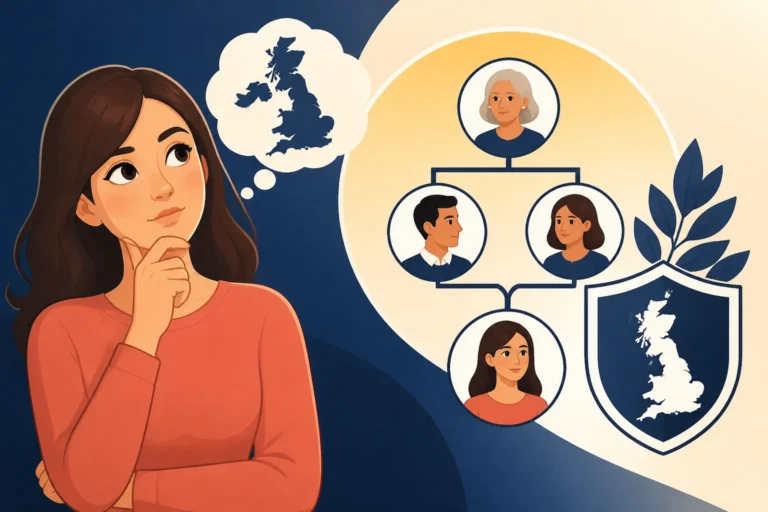
- Unmarried Partners: This is where it gets a bit trickier. You must have been living together in a relationship akin to marriage or civil partnership for at least two years continuously before the date of application. This means shared bills, joint tenancy agreements, and a proven history of cohabitation.
- Fiancé(e) or Proposed Civil Partner: If you’re not yet married but plan to be, you can apply for a fiancé(e) visa. This grants you six months to enter the UK and marry. Once married, you must then apply for the Spouse Visa from within the UK before your fiancé(e) visa expires. You cannot work on a fiancé(e) visa, so bear that in mind!
It’s imperative that your relationship is "genuine and subsisting," meaning it’s real, ongoing, and not just for immigration purposes. The Home Office scrutinises this heavily, and you’ll need compelling evidence.
Meeting the Financial Requirements
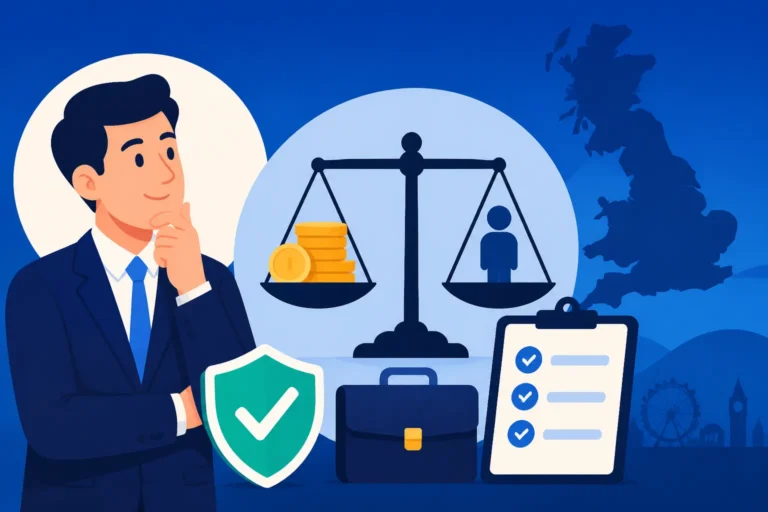
Ah, the infamous financial requirement. This is often the biggest hurdle and a source of immense stress for many couples. The UK government wants to ensure you won't be reliant on public funds, which is a fair concern, but the way they calculate it can feel rigid and sometimes unfair to genuine relationships. As of 11 April 2024, the minimum income threshold for sponsoring a partner in the UK has risen to £29,000 per year. This is a significant jump from previous thresholds and has caused considerable worry among expats and their partners.
How This £29,000 Threshold Works:
- Solely from Sponsor's Employment: The most common way. Your partner must earn at least £29,000 per year before tax (gross). They’ll need to provide at least six months of payslips and bank statements.
- Joint Income: If your partner doesn't meet the threshold alone, you might be able to combine your income if you are already working in the UK under a valid visa that permits work (like a Graduate Visa), or if you are applying from within the UK to switch from another visa. However, for initial applications from outside the UK, it’s primarily the sponsor's income that counts.
- Savings: If you don't meet the employment income threshold, you can use cash savings. You'll need to have had savings of a certain amount for at least six months prior to the application, and these savings must be easily accessible. The calculation isn't straightforward: you need £16,000 plus an additional amount based on the income shortfall multiplied by 2.5. For example, to meet the £29,000 threshold with no employment income, you would need £88,500 in savings (£16,000 + (£29,000 x 2.5)). This is a huge sum!
- Other Income Sources: This can include certain types of pension income, income from property rental, or income from shares and dividends. These are highly specific and need substantial documentation.
It’s crucial to present this financial evidence clearly and thoroughly. Any missing payslips, bank statements not covering the full period, or discrepancies can lead to refusal. Many couples find themselves delaying their application, sometimes by years, just to meet this financial hurdle. Remember, this figure is set to rise further to £34,500 and then to £38,700 by early 2025. It’s a moving target, so always check the latest rules on the official government website.
The English Language Requirement: Proving Your Communication
Another non-negotiable requirement is proving you can speak and understand English to a certain standard. The Home Office wants to ensure you can integrate into British society and communicate effectively.
How to Meet the English Language Requirement
There are generally two main ways to satisfy this:
- Approved English Language Test: You must pass a secure English language test (SELT) from an approved provider, demonstrating speaking and listening skills at a minimum of CEFR level A1. Providers like Pearson or IELTS offer tests specifically for UK visa purposes. The results must be from a test taken at an approved centre. It’s important to book the correct test – not all IELTS tests are accepted for UK visa applications.
- Degree Taught in English: If you have an academic qualification (a Bachelor's, Master's, or PhD) that was taught or researched in English, and it's recognised by UK ENIC (the UK's national agency for the recognition and comparison of international qualifications), you might be exempt from taking a test. You'll need to provide your degree certificate and, often, a letter from UK ENIC confirming its comparability and that it was taught in English.
For those applying as a fiancé(e) or for the initial Spouse Visa, an A1 level is usually sufficient. However, for subsequent extensions (the "leave to remain" stages) and eventually for Indefinite Leave to Remain, you’ll need to demonstrate higher levels, so keep that in mind for your future planning! You can read more about this in our guide on Understanding the Life in the UK Test and English Requirement.
Gathering Your Documents: The Paper Mountain
This is arguably the most daunting part of the Spouse Visa application. The Home Office demands a lot of evidence, and it needs to be presented in a specific way. It's not just about quantity; it's about quality and relevance. Imagine presenting your entire life on paper – that's what it feels like.
Essential Documents Checklist
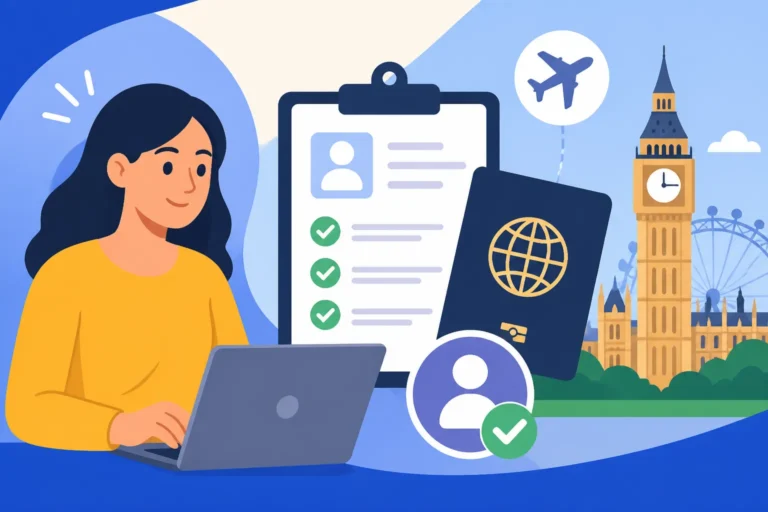
To make this a bit easier, here’s a breakdown of the typical documents you’ll need. This is not exhaustive, and individual circumstances can vary, so always refer to the official UK government guidance for your specific situation.
| Category | Required Documents (Applicant & Sponsor) |
|---|---|
| Passport/Travel Documents | Valid passport with at least six months remaining on your visa and empty pages for visa stamps. |
| Identity & Address | BRP (Biometric Residence Permit) or UK Visa/eVisa confirmation, proof of UK address (e.g., utility bills, council tax bill). (Some of these images are purely illustrative and may not be exact representations of the product or service you're researching.) |
| Birth Certificate & Marriage/Civil Partnership Certificate | Original or officially certified copies. Must be verified if not in English. |
| Immigration History | Details of previous UK visas or immigration applications, any refusals. |
| Birth Certificate (Applicant & Sponsor) | Yes, original or officially certified copies are required. It confirms your birth details. |
| Relationship Evidence | Photos, joint bank statements, utility bills in both names, shared accounts, messages, communication logs, joint tenancy agreements, letters from official sources (banks, doctors, etc.), letters of support from family/friends. |
| Permission to Reside (Sponsor) | For partners with Indefinite Leave to Remain or pre-settled status, copies of their relevant UK immigration documents (e.g., BRP card, grant letter, eVisa confirmation). |
| Accommodation | Letter from sponsor confirming residence, copy of sponsor's mortgage statement or tenancy agreement, recent utility bill (gas, electric, water) or council tax bill in sponsor's name, land registry title deed if owned. |
| Financial Evidence (Sponsor) | Bank statements covering the last 6 months, 6 months of payslips, employment contract, letter from employer. If self-employed, tax returns, business bank statements, accountant’s letter. If using savings, bank statements showing funds held for 6+ months. |
| English Language | A copy of your English Language Test (SELT) certificate or your academic qualification and UK ENIC certificate. |
| English Language Requirement (Applicant) | SELT (Secure English Language Test) certificate (e.g., Pearson PTE, IELTS for UKVI) at minimum CEFR level A1 for speaking and listening. Or, if applicable, an academic qualification certificate (Bachelor's, Master's, PhD) taught in English and a UK ENIC statement of comparability. |
| ImAccommodation (UK Address) | Letter from partner confirming you'll live there, sponsor's mortgage/tenancy agreement, council tax bill (latest), recent utility bill in sponsor's name, property inspection report (optional, but good for larger families or shared homes). |
| English Language Requirement (Applicant) | A copy of your English Language Test (SELT) certificate (e.g., Pearson PTE, IELTS for UKVI) at minimum CEFR level A1 for speaking and listening. Or, if applicable, an academic qualification certificate (Bachelor's, Master's, PhD) taught in English and a UK ENIC statement of comparability. |
| Sponsor Letter of Support | Detailed letter outlining your relationship history, intentions to marry/enter civil partnership (if applicable), and commitment to the applicant. |
| Identity Verification | Passport-style photograph (digital for online application, physical for biometric appointment), proof of past UK visas if applicable (previous BRP cards, visa vignettes). |
| **Medical/Health (Applicant) | Medical certificate (if applicable), details of any ongoing medical conditions (especially if applying for Indefinite Leave to Remain in the future). You'll pay the Immigration Health Surcharge. |
| **Previous UK Visas (if applicable) | Copies of previous UK visa approvals, BRP cards, or entry vignettes. Helps establish a UK immigration history. |
Remember, this isn’t just a pile of documents; it’s a narrative you're building for the Home Office to demonstrate you meet all the requirements. Make sure everything is clear, organised, and logically presented. If you're struggling with getting everything in order or need advice on specific situations, engaging a qualified immigration solicitor can be invaluable. It's an investment, but it can save you a lot of heartache and potential refusal. You might also want to look at our guide on How to Get Your Documents Ready for a UKVI Application for general tips.
The Application Process: Step-by-Step
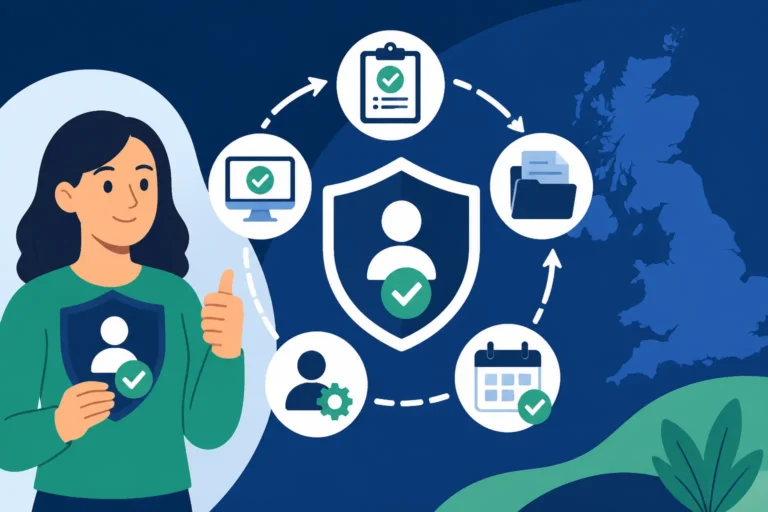
Once you have all your documents ready (or at least a good chunk of them!), it's time to actually apply. The process is primarily online, followed by a biometric appointment.
- Complete the Online Application Form: You’ll need to go to the UK government's official website (GOV.UK) and find the "Apply to join family in the UK" section. The form is lengthy and requires a lot of detail about both you and your partner, your relationship, and your financial situation. Take your time, be honest, and double-check every entry. Save your progress often!
- Pay the Visa Fee and Immigration Health Surcharge (IHS):
- Visa Fee: This is the cost of processing your application. It’s a significant amount and can change, so check the latest fee on the GOV.UK website.
- Immigration Health Surcharge (IHS): This is a mandatory fee that gives you access to the National Health Service (NHS) during your stay. It's paid upfront for the entire length of the visa you're applying for (usually 2.5 years for the initial Spouse Visa). The IHS is also a substantial cost, currently £1,035 per year per person, so prepare for this expense. You can learn more about this in our guide on Understanding the Immigration Health Surcharge (IHS) and NHS Access (2027). While you get NHS access, some expats still opt for private insurance from providers like Cigna Global for additional peace of mind or quicker access to specific services.
- Book and Attend a Biometric Appointment: After paying, you'll be directed to book an appointment at a Visa Application Centre (VAC) in your country. Here, you’ll provide your fingerprints and a digital photograph. This is usually where you submit your supporting documents too, either physically or by scanning them if you've been given the option to upload them yourself. Make sure you bring your passport and appointment confirmation.
- Upload Supporting Documents: In many locations, you'll upload your documents online before your biometric appointment. It's crucial that all documents are clearly scanned, legible, and categorised appropriately. Sometimes, a VAC will offer a scanning service for an additional fee if you prefer not to do it yourself.
- Wait for a Decision: Once you’ve attended your appointment and submitted everything, it’s a waiting game. The Home Office aims to process 90% of Spouse Visa applications within 12 weeks. However, it can take longer, especially if your case is complex or requires further checks. They might also contact you for an interview or request additional documents. While you wait, avoid making any non-refundable travel plans.
- Receive Your Visa Decision: If successful, you’ll typically receive a vignette (sticker) in your passport valid for 90 days, allowing you to enter the UK. Upon arrival, you’ll then collect your Biometric Residence Permit (BRP), which is your actual visa document, from a designated Post Office. Remember that the UK is transitioning to a digital immigration system, so eventually, this will be an eVisa rather than a physical BRP. Keep an eye on the latest developments regarding How to Get a Biometric Residence Permit or eVisa in the UK.
Costs and Timelines
The financial outlay for a Spouse Visa can be significant, and it’s not just the visa fee itself.
- Visa Application Fee: Typically around £1,500 to £1,600 (subject to change).
- Immigration Health Surcharge (IHS): Approximately £3,100 for the initial 2.5-year visa (subject to change, and set to rise).
- English Language Test: Around £150-£200.
- Travel Costs: Flights, accommodation for biometric appointments if in a different city.
- Solicitor Fees: If you opt for professional help, this can range from £1,000 to £3,000+, depending on the complexity of your case and the solicitor.
- Document Translation/Certification: If any documents aren't in English.
In total, you should budget at least £5,000-£6,000 for the initial application, not including solicitor fees or travel. This is a considerable amount, but it’s the cost of moving your life and love to the UK. For more on the general costs and timelines, you can refer to Understanding the Cost and Timeline of the UK Visa Process.
Life After Your Visa is Granted: Moving to the UK
Congratulations! Your visa has been granted. Now the real adventure begins – moving to the UK and settling in with your partner. This involves a whole host of practical steps, from travel arrangements to setting up your new home.
Relocating and Settling In
Once you have your entry vignette, you can make your travel plans. If you're moving a lot of personal belongings, it might be worth looking into international moving services. Services like Sirelo can help you compare quotes from different removal companies, making the process of bringing your life across borders a bit smoother.
Upon arrival, your first few weeks will be a whirlwind of administrative tasks:
- Collect Your BRP/Access eVisa: As mentioned, ensure you pick up your BRP from the Post Office specified in your visa decision letter within 10 days of arrival or activate your eVisa. This is your proof of your right to live, work, and study in the UK.
- Register with a GP: As an expat with a Spouse Visa who has paid the IHS, you are entitled to use the NHS. You'll need to register with a local General Practitioner (GP) surgery. This is a crucial step for accessing any healthcare services, even routine ones. Our guide on Registering with a GP in the UK: The Complete Expat Guide (2027) provides a comprehensive walkthrough.
- Open a UK Bank Account: This is essential for managing your finances, receiving wages, and paying bills. It can sometimes be tricky without a full UK address history, but many banks are now more accommodating to newcomers. Find out more in The Expat Guide to Opening a Bank Account in the UK.
- Set Up Utilities: Your partner might already have these sorted, but ensure your name is added to bills for electricity, gas, water, and broadband, especially if you plan to rely on shared bills for future visa extensions. Take a look at The Expat Guide to Setting Up Utilities (Energy, Water, Broadband) in the UK for more details.
- Look for Work (if applicable): Your Spouse Visa allows you to work in the UK without restrictions. If you're planning to work, start familiarising yourself with the UK job market. Even if you're not planning to work immediately, remember that any income you earn can contribute to the financial requirement for your next visa application. Check out The Complete Guide to Working in the UK as a Foreigner (2027) for advice.
What Happens Next? The Path to Settlement
Your initial Spouse Visa is usually granted for 2 years and 9 months (if applying from outside the UK) or 2 years and 6 months (if switching from another visa inside the UK). Before this period ends, you’ll need to apply for an extension, demonstrating you still meet the criteria (including the financial requirement, which may have increased again).
After completing a total of five years on this visa route, you can apply for Indefinite Leave to Remain (Settlement) in the UK (2026). This grants you permanent residency. After holding ILR for a certain period (usually 12 months), you can then apply for British citizenship by naturalisation, if you wish to. It’s a long journey, but each step brings you closer to making the UK truly your long-term home together.
Final Thoughts for Expats
Applying for a Spouse Visa to join your partner in the UK is a journey filled with administrative hurdles and emotional highs and lows. It demands patience, meticulous attention to detail, and a deep well of resilience. You'll likely feel frustrated by the strict rules, the high costs, and the impersonal nature of the process. That's entirely normal – every expat has felt it.
But remember why you're doing this: to build a life with your loved one. Focus on gathering every piece of evidence, presenting it clearly, and understanding each requirement. Don't be afraid to seek professional advice if you feel overwhelmed. Many wonderful lawyers specialise in family visas and can provide invaluable support.
Your journey is unique, but the goal is shared by countless others who have navigated these waters. Keep your spirits up, communicate openly with your partner, and celebrate every small victory along the way. Soon enough, you'll be reunited and building your life together in the UK.
Disclaimer
Please note that immigration rules and fees for the UK Spouse Visa are subject to frequent change. This guide provides general information based on current regulations and typical experiences but should not be taken as legal advice. Always refer to the official UK government website (GOV.UK) for the most up-to-date and specific requirements relevant to your individual circumstances. For personalised advice, consider consulting with a qualified immigration solicitor.