How Do I Set Up a Direct Debit at a UK Bank?
Ah, settling into the UK, getting your ducks in a row with finances and bills – it’s a marathon, not a sprint, isn’t it? One of the first things you'll stumble upon, and something that can either be a massive convenience or a source of head-scratching confusion, is the good old Direct Debit. This guide will walk you through the ins and outs of setting up, understanding, and managing Direct Debits at your UK bank, helping you avoid those late payment fees and keep your finances humming along smoothly.
Unpacking the UK Direct Debit: What It Is and Why You Need It
When you first arrive, everything feels new, and the local lingo around money can be particularly opaque. A "Direct Debit" is one of those terms that gets thrown around a lot, especially by utility companies, landlords, and mobile providers. Simply put, a Direct Debit is an instruction you give to your bank, authorising a third party (like your electricity company or your mobile network) to collect varying amounts of money from your account. It sounds a bit scary at first, giving someone else the power to take money, but it's incredibly common and, frankly, essential for managing household bills in the UK.
The Mechanics of a Direct Debit
Unlike a Standing Order, which you set up directly with your bank for a fixed amount on a fixed date, a Direct Debit is initiated by the organisation you’re paying. You provide them with your bank account details and they send a request to your bank to take the payment. The beauty of it, especially for things like energy bills that fluctuate with usage, is that the amount can change. This flexibility is precisely why so many crucial services are paid this way. Imagine trying to manually pay your gas bill every month, having to remember the exact, ever-changing amount! That’s where the Direct Debit steps in as a silent hero.
Let's say you've just moved into your new flat in Manchester and need to sort out your electricity. When you sign up with an energy supplier, they will almost certainly offer you a discount for paying by Direct Debit. This isn't just a marketing ploy; it makes their billing process much smoother and reduces their administrative costs, savings they often pass on to you. You give them your bank details, they set up the mandate, and presto – your bills are paid automatically.
Direct Debit vs. Standing Order: Knowing the Difference
Many expats get these two confused, and it’s an easy mistake to make! They both involve automated payments, but their mechanisms and ideal uses are quite distinct. Understanding this difference is key to managing your money effectively in the UK.
A Direct Debit is perfect for bills where the amount might vary each month, such as utilities (gas, electricity, water), council tax, broadband, phone contracts, and subscriptions. The organisation you’re paying is in control of the payment amount (within the terms you agreed), and they're responsible for notifying you in advance of any changes or upcoming collections. The Direct Debit Guarantee is a fantastic protection, ensuring you can get your money back if an error occurs.
A Standing Order, on the other hand, is an instruction you give your bank to pay a fixed amount to a specific recipient on a regular date. Think of it as a personal, repetitive payment you control. This is ideal for things like your monthly rent (if your landlord prefers it this way), regular transfers to a savings account, or perhaps sending money back home if you're using a specific bank for international transfers rather than a service like Wise. You set the amount, frequency, and end date (or no end date), and only you can change it.
Here's a quick table to clarify:
| Feature | Direct Debit | Standing Order |
|---|---|---|
| Who initiates? | Organisation you're paying (e.g., utility company) | You, the account holder |
| Payment amount? | Can vary (e.g., gas bill) | Fixed (e.g., monthly rent) |
| Control? | Organisation takes payment, you get advance notice | You instruct your bank, payment goes out |
| Flexibility? | Adapts to changing bills | Requires manual adjustment for changes |
| Common uses? | Utility bills, council tax, subscriptions, loans | Rent, savings transfers, fixed recurring payments |
| Protection? | Direct Debit Guarantee | No specific guarantee beyond bank's error redress |
Knowing when to use which will save you a lot of hassle and potential frustration down the line. Most essential services in the UK will ask for a Direct Debit, so getting comfortable with them is a must.
Step-by-Step Guide to Setting Up a Direct Debit
Okay, so you’ve got your UK bank account sorted, perhaps with a high street bank like Barclays or HSBC, and now it’s time to tackle those inevitable bills. Setting up a Direct Debit isn’t as complicated as it might seem, but it does require a few key pieces of information and a bit of attention to detail.
What You’ll Need Before You Start
Before you even think about setting up a Direct Debit, you'll need two crucial things:
- A UK Bank Account: This might seem obvious, but you can't set up a Direct Debit from an international account. You need a standard UK current account with a sort code and account number. If you're still in the process, make sure to read up on How to Open a Bank Account at a UK Bank as a Newcomer.
- The Details of the Organisation You're Paying: This includes their name and any account reference numbers they've given you (e.g., your customer ID for your energy supplier).
Once you have these basics, you’re ready to proceed.
The Setup Process: Usually Online or by Phone
Most companies in the UK have streamlined the Direct Debit setup process, making it fairly straightforward. You usually won't go through your bank directly to set up the Direct Debit; instead, you do it via the service provider.
-
Through the Service Provider's Website: This is the most common method. When you sign up for a new service, like broadband, or if you're switching energy suppliers, you’ll typically be prompted to choose a payment method during the online application.
- You’ll select "Direct Debit" as your preferred payment method.
- You'll then be asked to provide your UK bank's sort code (a six-digit number that identifies your bank and branch) and your account number (usually eight digits long).
- You might also be asked for the name on the bank account.
- You'll review and digitally confirm the Direct Debit Mandate (the official instruction to your bank).
- Once submitted, the company will send a request to your bank.
For example, if you're setting up your gas and electricity, companies like British Gas, EDF Energy, or E.ON will guide you through this when you activate your account. Similarly, when you’re setting up your broadband with providers like Virgin Media or BT, or your mobile phone with EE or O2, the process is very similar.
-
Over the Phone: If you're calling a company to set up a new service or discuss your account, they might offer to set up the Direct Debit for you over the phone.
- They will ask for your bank account details (sort code and account number).
- They might read out a summary of the Direct Debit Guarantee to you and ask for verbal confirmation.
- Always be cautious when sharing bank details over the phone. Ensure you are calling an official, recognised number for the company.
-
Via a Paper Form: Less common now, but still an option for some. Your landlord might give you a paper form, or a gym might have one.
- You'll fill in your bank details, sign the form, and return it to the organisation.
- They will then process the paper mandate with your bank.
What Happens Next? The Direct Debit Guarantee
Once you’ve submitted your details, the service provider (known as the ‘originator’ in Direct Debit terms) will send the instruction to your bank. Your bank will then set up the mandate on your account.
Crucially, you should receive an Advance Notice from the organisation at least 10 working days before the first payment is taken. This notice will confirm:
- The amount to be taken (if fixed, or how it's calculated if variable).
- The date the payment will be taken.
- The frequency of payments.
- The reference for the Direct Debit.
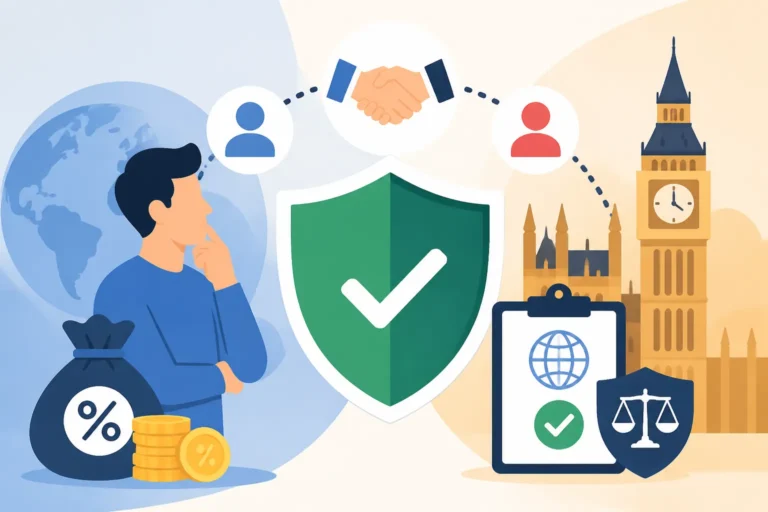
This Advance Notice is a vital part of the Direct Debit Guarantee, which is a lifeline for expats and locals alike. This guarantee offers strong consumer protection:
- If an error is made in the payment by the organisation or your bank, you are entitled to a full and immediate refund from your bank.
- You must be notified in advance of any changes to the amount or date of the Direct Debit.
- You can cancel a Direct Debit at any time through your bank.
This guarantee offers a huge sense of security, especially when you're navigating new financial systems. It means you're not powerless; your bank has your back if things go awry.
Managing and Cancelling Your Direct Debits
Once set up, Direct Debits often fade into the background, doing their job quietly. But as an expat, managing your finances means being proactive, reviewing what’s going out, and knowing how to make changes when needed. From managing your Council Tax and Bands for Residents in the UK to your energy bills, staying on top of your Direct Debits is a critical skill.
Reviewing Your Existing Direct Debits
It's a good habit to periodically check the Direct Debits coming out of your account. This helps you:
- Spot errors: Occasionally, a wrong amount might be taken, or a Direct Debit for a cancelled service might still be active. The Direct Debit Guarantee means you’re protected, but you need to spot it first.
- Monitor spending: Especially if amounts vary, seeing the trend helps with budgeting. For example, if your energy usage goes up significantly, you might want to look into how to heat your home more affordably.
- Identify unused subscriptions: We've all done it – signed up for a free trial and forgotten to cancel. Reviewing your Direct Debits is a quick way to catch these money-drainers.
You can usually view all your active Direct Debits through your online banking portal or mobile banking app. Look for a section like "Manage Payments," "Direct Debits," or "Regular Payments." Your bank statement will also list them, though perhaps less clearly than a dedicated online section.
How to Change a Direct Debit
You can't directly change the amount or date of a Direct Debit yourself through your bank because the originating organisation controls it. If you need to change the amount or date, you typically need to contact the organisation directly.
For example, if you want to pay more or less for your energy bill each month (to build up credit or reduce payments), you'd call your energy supplier. If you want to change the date your rent Direct Debit comes out, you'd speak to your landlord or letting agent. They will then issue a new instruction to your bank.
The only thing you might change via your bank is the actual bank account the Direct Debit comes from. If you switch banks, your new bank often offers a "Current Account Switch Service" which handles transferring all your Direct Debits automatically – a lifesaver for expats with a dozen things to sort out!
Cancelling a Direct Debit
Cancelling a Direct Debit is usually straightforward, and you have two ways to do it:
-
Through Your Bank (Online Banking/App): This is often the quickest and most direct method.
- Log into your online banking or mobile app.
- Navigate to the "Manage Payments" or "Direct Debits" section.
- Find the Direct Debit you want to cancel and select the option to cancel it.
- You’ll usually get an immediate confirmation.
- It's a good idea to notify the organisation you're cancelling the Direct Debit with as well, so they don't pursue you for an unpaid bill. If you're cancelling a service, ensure you've properly terminated your contract with them first.
-
By Contacting the Organisation Directly: You can also ask the organisation to cancel the Direct Debit.
- Call or email them, stating your customer reference number and your request to cancel the Direct Debit.
- Always follow up in writing (email) if you cancel by phone, just to have a record.
- This is particularly important if you are closing an account or ending a service, as cancelling the Direct Debit alone won't necessarily end your contract or obligation to pay.
Important Note: Only cancel a Direct Debit if you genuinely no longer owe the money or wish to pay for that service. If you cancel a Direct Debit for an ongoing service (like your phone bill) without ending your contract, you'll still owe the money and could incur late payment fees or damage your credit score. This is a common pitfall for new expats, so always check your contractual obligations.
Common Pitfalls and Troubleshooting
Even with the best intentions, things can sometimes go wrong. As an expat, these hiccups can feel amplified when you're still getting to grips with the local system. Don't fret, there are solutions!
Insufficient Funds: The Dreaded Unpaid Direct Debit
One of the most common issues is a Direct Debit failing due to insufficient funds in your account. This happens to the best of us!
- What happens: Your bank will attempt to process the Direct Debit, but if there isn't enough money, it will be "returned unpaid." Your bank might charge you a fee for this (check your bank's terms and conditions – some challenger banks are more lenient). The organisation you're paying will also likely be notified that the payment failed.
- Consequences: The organisation might charge you a late payment fee, and repeatedly unpaid Direct Debits can negatively impact your credit score, which is crucial for things like getting a mortgage or another rental property down the line.
- What to do:
- Top up your account immediately: Get enough funds into your bank account as soon as possible. If you frequently transfer money from overseas, consider using services like Wise to ensure timely top-ups.
- Contact the organisation: Explain what happened and ask how they'd like the payment to be made. They might try to re-present the Direct Debit a few days later, or they might ask you to make a manual payment.
- Review your budget: If this happens often, it’s a sign to re-evaluate your monthly budget. Resources like "The Complete Guide to Cost of Living in the UK for Expats" can help you understand typical expenses.
Incorrect Amounts or Duplicate Payments
Sometimes, an organisation might take the wrong amount or accidentally take a payment twice. This is where the Direct Debit Guarantee shines!
- What happens: You'll notice an unfamiliar or incorrect transaction on your bank statement.
- What to do:
- Contact the organisation first: Explain the discrepancy and ask for clarification or a refund. Often, it's an honest mistake they can quickly rectify.
- If unsuccessful, invoke the Direct Debit Guarantee: If the organisation is unresponsive or unhelpful, contact your bank. Explain that an error has occurred and you wish to claim a refund under the Direct Debit Guarantee. Your bank is obliged to provide an immediate refund. They will then deal with the originating organisation. Keep good records of your communication!
Organisation Continues to Take Payments After Cancellation
Another frustrating scenario is when you’ve cancelled a service or subscription, and payments continue to be debited from your account.
- What happens: You see payments coming out for a service you believed was cancelled.
- What to do:
- Check your cancellation proof: Do you have an email or letter confirming your cancellation of the service? This is your primary evidence.
- Contact the organisation: Remind them of your cancellation and demand a refund for all payments taken since the cancellation date.
- Cancel the Direct Debit at your bank: Immediately cancel the Direct Debit through your online banking to prevent further payments.
- Invoke the Direct Debit Guarantee: If you have proof of cancellation and the organisation is uncooperative, go to your bank and use the Direct Debit Guarantee to reclaim the funds. Your bank will investigate and process the refund.
Understanding Your Financial Footprint
Managing Direct Debits is part of a larger picture of managing your finances in the UK. This includes understanding your income, outgoings, and tax obligations. For instance, if you're self-employed, keeping track of all your business-related Direct Debits is crucial for your tax returns. Companies like Taxes for Expats can provide invaluable assistance in navigating the UK tax system, helping ensure you're on top of all your financial responsibilities. Making sure you have an NHS number doesn't directly relate to Direct Debits, but it’s another crucial administrative step that contributes to your overall sense of financial and personal stability in your new home.
Final Thoughts on Direct Debits for Expats
Direct Debits are a bedrock of personal finance in the UK. They offer a convenient, usually reliable, and legally protected way to handle recurring bills without constantly remembering due dates or variable amounts. As an expat, embracing them sooner rather than later will significantly simplify your financial life. Just remember to always keep an eye on your bank statements, understand your rights under the Direct Debit Guarantee, and never hesitate to contact your bank or the service provider if something seems amiss. With a little vigilance, you'll master this aspect of UK living in no time!
Disclaimer
The information provided in this guide is for general informational purposes only and does not constitute financial, legal, or professional advice. While we strive to keep the information up-to-date and correct, rules and regulations in the UK can change frequently. Always consult with a qualified financial advisor, legal professional, or the relevant authorities (such as your bank or HMRC) for advice tailored to your specific situation.