How Do I Get an NHS Number in the UK?
You've just landed in the UK, full of excitement, and then BAM – you're hit with the reality of bureaucracy. One of the first things you'll hear about, especially concerning healthcare, is this mystical 'NHS Number'. It feels like a key to everything, but figuring out how to get one, or even if you need one immediately, can be a head-scratcher. This guide is going to cut through the confusion and walk you through everything you need to know about securing your all-important NHS Number in the UK.
Understanding the Elusive NHS Number
Let's start by demystifying this 10-digit code. The NHS Number isn't a national ID card, nor is it something you apply for directly like a driving license. It’s a unique identifier used by the National Health Service to link all your health records together. Think of it as your personal key to the UK's healthcare system, ensuring that wherever you receive care – be it a GP surgery, a hospital, or a pharmacy – your medical history is consistently and accurately recorded.
What Exactly is an NHS Number?
At its core, your NHS Number is a unique 10-digit number that helps healthcare staff find your records. It's the thread that connects your doctor's visits, hospital stays, prescriptions, and any other interactions you have with the NHS. Without it, finding and compiling your full medical history can be a much more cumbersome and time-consuming process for healthcare providers. For instance, if you move from London to Manchester, your new GP can easily access your past medical notes if they have your NHS Number.
It’s crucial to understand that merely being eligible for NHS services doesn't mean you automatically have a number. Your eligibility usually stems from your visa status and payment of the Immigration Health Surcharge (IHS), if applicable. We've talked more about this in our guide, How Your Visa and the IHS Affect Your NHS Entitlement in the UK. The NHS number itself is an administrative tool to manage your care, not the passport to access it. Newcomers often confuse the two, assuming that because they've paid the IHS, the number should just magically appear. Patience, my friend, is a virtue here!
Why is Your NHS Number So Important for Expats?
For us expats, the NHS Number becomes invaluable over time. Initially, you might get by without it, especially for urgent care. However, for seamless, ongoing healthcare, it’s a game-changer. Imagine trying to get repeat prescriptions or follow-up appointments without a consistent record – it would be a nightmare of explaining your history repeatedly.
Having your NHS Number ensures that your medical notes are centralised, reducing the risk of miscommunication or lost information, which frankly, is a huge relief when you’re navigating a new country’s medical system. It’s also often requested when you register with a new GP, attend hospital appointments, or even when you simply pop into a pharmacy for advice on something more complicated than a paracetamol request. Without it, you might find yourself explaining your life story to every new clinician, which, after a while, gets pretty old. It really simplifies everything, making your interaction with How the NHS Works: Public Healthcare in the UK Explained (2027) much smoother.
How to Actually Get Your NHS Number
This is the part everyone agonises over. Unlike many countries where you might apply for an identity number directly, the UK’s NHS Number system is a bit more organic. For most adults, it’s not something you proactively "apply" for; rather, it’s usually generated for you once you interact with the healthcare system in a specific way.
The Most Common Route: Registering with a GP
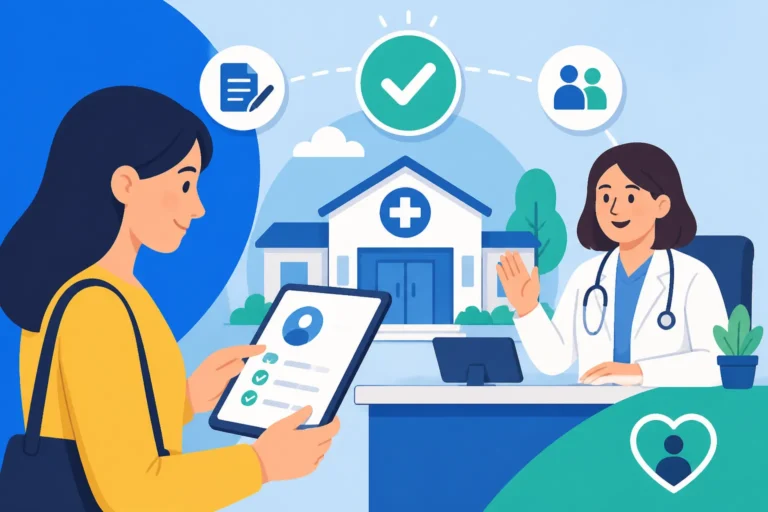
For adult expats, registering with a local General Practitioner (GP) surgery is overwhelmingly the most common and straightforward way to get an NHS Number. When you register with a GP, especially if you're new to the UK healthcare system, the practice will usually initiate the process of allocating you an NHS Number. This is often the first formal step in getting your UK health records established.
Step-by-Step for GP Registration (and your NHS Number):
- Find a Local GP Surgery: Start by looking for GP practices near your home or work. You can use the NHS website’s "Find a GP" service by entering your postcode. This is a crucial first step, as GP surgeries often have catchment areas, meaning you can only register if you live within a certain boundary.
- Contact the Surgery: Give them a call or check their website. They’ll tell you about their registration process and if they are accepting new patients. Some surgeries have online registration forms, while others prefer you to come in person.
- Gather Your Documents: This is where it can get a little tricky, and often a source of frustration for newcomers. While legally you don't need proof of address or immigration status to register with a GP, many surgeries ask for it. It's best to have these handy to avoid delays. Common documents include:
- Passport or national ID card
- Your visa or Biometric Residence Permit (BRP)
- Proof of address (utility bill, bank statement, tenancy agreement – something recent with your UK address on it). If you're struggling with this, don't give up! Explain your situation to the GP surgery. We delve deeper into this in What Documents Do I Need to Register with an NHS GP?.
- Complete the Registration Forms: You'll typically fill out a GMS1 form, which is the official NHS patient registration form. This form asks for your personal details, previous address, and medical history.
- Initial Health Check (Optional but Recommended): Many GP practices will offer a new patient health check appointment. This is a great opportunity to discuss any existing health conditions, medications, or concerns you have with a nurse or doctor.
- Receive Your NHS Number: Once your registration is processed and accepted, your NHS Number will usually be generated. It often won't be given to you immediately – it might take a few weeks for it to appear on correspondence from the GP, such as appointment letters or prescription slips. You might also be able to request it once your registration is complete.
This process can feel a bit like waiting for a watched kettle to boil, especially when you’re eager to get everything sorted. For temporary needs or while awaiting full GP registration, remember that robust travel insurance, like that offered by SafetyWing, can bridge gaps in your coverage, ensuring you’re not left in the lurch should an unexpected health issue arise before your NHS Number is active.
Automatic Allocation for Newborns
If you're an expat welcoming a new baby in the UK, congratulations! Your little one's NHS Number will typically be generated automatically shortly after their birth. When your baby is registered with a GP, or receives their first health check from a health visitor, this number will be assigned. You won't need to do anything special to "apply" for it – it's part of the standard process for every child born in the UK. This is one less thing to worry about during what is already a whirlwind of a time! For more on this, you might find our guide on How Do I Register My Newborn with a GP in the UK? helpful.
Requesting Your Existing NHS Number
Sometimes, you might have been registered with a GP years ago, received care, but simply never actively knew your NHS Number. Or perhaps you’re moving practices and need your old number. The good news is, if you’ve interacted with the NHS before, you likely already have one.
How to find your existing NHS Number:
- Check Existing Correspondence: Look through any past letters or documents from your GP or hospital. Your NHS Number is often printed on prescriptions, appointment letters, or test result notifications.
- Contact Your GP Surgery: The easiest way is to call your current GP surgery and ask them for it. They will need to verify your identity, so be prepared to answer some security questions. They can usually provide it over the phone or print it for you.
- Use the NHS App: If you're tech-savvy and already registered for online services with your GP, you can often find your NHS Number within the NHS App or through your GP's online patient portal. You'll usually need to set up an account and link it to your GP practice first, which often requires photo ID verification.
- Use the 'Find my NHS Number' Online Service: There's an official online service available through the NHS website where you can request to find your NHS Number. You'll need to provide your name, date of birth, and postcode. The number will then be sent to you by text or email. This is a fairly new and very convenient option.
What if You Can't Register with a GP Immediately?
Life happens. Maybe you've just arrived, haven't found a permanent address yet, or are navigating the complexities of settling in. It's a common scenario for many expats. While registering with a GP is the primary route to getting your NHS Number, you might still need medical attention before that's all sorted.
Don't Panic: You can still access necessary NHS services, even without an NHS Number or being fully registered with a GP. This is particularly true for emergencies or urgent situations. For instance, if you have a medical emergency, you absolutely should call 999 for an ambulance or go to the nearest A&E (Accident & Emergency) department. They will treat you regardless of your registration status or whether you have an NHS Number. You can read more about this in Emergency Medical Care in the UK: What Every Expat Needs to Know.
For less urgent but still pressing concerns, NHS walk-in centres, urgent treatment centres, or calling NHS 111 (the non-emergency medical helpline) are excellent resources. While they won't issue you an NHS Number, they can provide immediate care and advice. In these situations, your eligibility for NHS services typically comes from your visa status and IHS payment (if applicable), rather than the number itself.
During this interim period, having private health insurance or comprehensive travel insurance is a sensible backup. Companies like SafetyWing offer plans designed for digital nomads and travellers, providing cover for unexpected medical emergencies and helping bridge gaps until your NHS access is fully established. It offers peace of mind when you're still figuring out the bureaucratic maze of a new country.
What to Do While You Wait (or If You Don't Have One)
The UK healthcare system can feel like a labyrinth at times, especially when you're new. The period between arriving, getting settled, and finally securing your NHS Number can be fraught with anxiety about medical needs. But remember, the system is designed to provide care when it's needed, even if all the administrative ducks aren't in a perfect row yet.
Accessing Healthcare Without Your Number
It’s a common misconception that you need your NHS Number to receive any care. This simply isn't true. As long as you are ordinarily resident in the UK or have paid the Immigration Health Surcharge (IHS) – which grants you access to most NHS services – you can receive treatment. The NHS Number primarily serves as an administrative tool to organise your records.
Here's how you can access care without an NHS Number:
- Emergencies: If it's a genuine emergency (life-threatening), call 999 immediately or go to the nearest A&E department. Your medical need takes absolute precedence. They will ask for your details and will likely create temporary records if you don't have an NHS number or haven't registered with a GP.
- Urgent but Non-Emergency Care: For urgent issues that aren't life-threatening, you have a few options:
- NHS 111: Call 111 (free from landlines and mobiles) for advice on urgent medical problems. They can direct you to the most appropriate service, whether that's an Urgent Treatment Centre, a GP out-of-hours service, or even an emergency dental clinic. This service is vital for navigating the system. We've dedicated a whole article to it: Understanding NHS 111 and When to Use It in the UK.
- Walk-in Centres/Urgent Treatment Centres: These centres treat minor injuries and illnesses that don't require an A&E visit. You don't need an appointment or an NHS Number to attend.
- Pharmacies: For minor ailments like colds, coughs, or minor aches, your local pharmacist is an excellent first port of call. They can offer advice, recommend over-the-counter medications, and direct you to a GP if necessary.
- Existing GP Registration: If you've registered with a GP but simply haven't received or memorised your NHS Number yet, they can still access your records using your name, date of birth, and address. Don't let not knowing the number prevent you from seeking care.
The key takeaway here is: do not delay seeking medical attention if you need it, simply because you don't have your NHS Number. Your health is paramount.
What About Private Healthcare as an Interim Measure?
While the NHS is fantastic, waiting lists and the initial administrative hurdles can sometimes be daunting for newcomers. This is where private healthcare or international health insurance can offer a degree of immediate comfort. If you have immediate, non-emergency health concerns and prefer to bypass the initial NHS registration delays, you could consider seeing a private GP. Private GP appointments are usually quicker to arrange and offer more flexibility, though they come at a cost.
Many expats choose to use private services for things like annual health checks or non-urgent specialist consultations, especially during their initial months in the UK. This is also where comprehensive travel insurance, such as SafetyWing, can be particularly beneficial. It can cover various unexpected medical expenses, allowing you to get immediate attention without the financial strain while you navigate the NHS system and await your official NHS Number. It’s a good safety net for those first few months.
Common Misconceptions and Troubleshooting
Navigating a new country's administrative systems is rarely straightforward, and the NHS Number is no exception. It's easy to fall prey to common misunderstandings or hit snags along the way. Let's tackle some of these head-on.
Myth Busting: "I Need My NHS Number to Pay the IHS"
This is a big one. You absolutely do not need an NHS Number to pay the Immigration Health Surcharge (IHS). The IHS is a fee you pay as part of your visa application process, which grants you access to the NHS. It's essentially your contribution to the healthcare system. Your NHS Number is an internal administrative identifier, generated after you've gained access through your visa and IHS payment. So, don't worry about trying to find a non-existent NHS Number when applying for your visa. Your visa and IHS payment are your golden ticket, which we explain further in Understanding the Immigration Health Surcharge (IHS) and NHS Access (2027).
What If My GP Says They Can't Find My Number?
It happens. Sometimes, due to administrative glitches or if you've moved around a lot, your new GP might struggle to locate your previously assigned NHS Number. Don't despair.
Here's what you can do:
- Provide All Previous Details: Give your GP surgery as much information as possible about your previous addresses, previous GP surgeries, and any hospitals you've attended in the UK. This helps them track your records.
- Use the Online 'Find My NHS Number' Service: Direct your GP to the official NHS online service if they seem stuck. Or, use it yourself to retrieve the number and then provide it to them.
- Be Patient: Sometimes, it just takes a bit of persistence and back-and-forth communication between your GP practice and NHS England’s central registration service. They have processes in place for these situations.
When All Else Fails: Perseverance is Key
The system isn't always perfect, and sometimes you might feel like you're hitting a wall. The key is to persevere. If one GP surgery is unhelpful, try another nearby. If you’re struggling with proof of address, explain your situation clearly; remember, a GP cannot refuse to register you solely because you don't have proof of address or ID, though they may ask for it to assist with identification.
For more detailed guidance on how to secure your GP registration, which is intrinsically linked to getting your NHS Number, be sure to check out our comprehensive guide: Registering with a GP in the UK: The Complete Expat Guide (2027). It’s packed with practical advice and answers to common challenges. The important thing is to remember that millions of expats have successfully navigated this, and you will too. Having your NHS Number might not be your immediate priority when you land, but getting it sorted once you're reasonably settled will make your healthcare journey in the UK much smoother in the long run.
Here's a quick overview of the main pathways to getting an NHS Number:
| Pathway to NHS Number | Typical Scenario | What to Expect | Timeline | Key Considerations |
|---|---|---|---|---|
| GP Registration (Adults) | New expat establishing primary healthcare in the UK. | Number generated after successful registration with a GP surgery. | 2-4 weeks | Most common route. Requires finding a GP, providing ID/proof of address (though not strictly legally required), and filling out forms. Your initial access to a GP is what triggers the number. |
| Birth in the UK (Newborns) | Baby born to resident parents in the UK. | Automatically assigned shortly after birth, typically linked to GP registration. | Within first few weeks | No direct application needed by parents. It's part of the standard process for all UK-born children. |
| Direct Request (Existing Users) | Have received NHS care previously but don't know your number. | Contact current GP or use online 'Find my NHS Number' service. | Immediate to 1 week | Only works if you've already been assigned one. Requires personal details for verification. Using the NHS App is also a quick way to find it if you're set up. |
| Emergency/Urgent Care | Accessing A&E or urgent treatment without prior registration. | Temporary records created; NHS Number may be assigned later if no existing one. | Varies | Does not generate an NHS Number instantly. Focus is on immediate treatment. You will likely still need to register with a GP afterwards to get a permanent number and link records properly. Consider SafetyWing for initial coverage. |
The Value of Early Engagement
My best advice as an expat who’s been through it all is to start the process of GP registration as soon as you have a stable address. Even if you feel perfectly healthy, having a registered GP and an NHS Number in your pocket provides a baseline of security. It means that when you eventually need medical advice, you’re not scrambling to figure out the system under duress.
The UK healthcare system is excellent, but it runs on processes. Understanding these processes, like how to register and get your NHS Number, will save you a lot of stress in the long run. It’s a vital step in truly making the UK your home. And remember, if you're ever in doubt about what you're eligible for or how much things cost, our guide on The Cost of Healthcare in the UK: A Complete Breakdown for Foreigners (2026) is a great resource.
Disclaimer
Please remember that this guide provides general information based on current regulations and typical experiences. Healthcare policies and immigration rules in the UK can change, and individual circumstances vary. Always check the official UK government (GOV.UK) and NHS websites for the most up-to-date and specific guidance relevant to your situation. This information is not a substitute for professional medical, legal, or immigration advice.