How Do I Set Up a Direct Debit for My Utility Bills in the UK?
One of the first, and frankly, most baffling things you’ll encounter when settling into life in the UK is the sheer prevalence of Direct Debits for practically every regular bill. If you're used to paying things manually each month or relying on direct transfers, this system might seem a bit daunting at first. But trust me, once you get the hang of it, Direct Debits are actually incredibly convenient, often saving you money and a whole lot of hassle. This guide will walk you through everything you need to know about setting up Direct Debits for your utility bills here in the UK, making sure you feel confident and in control.
Understanding Direct Debits and Why They're King in the UK
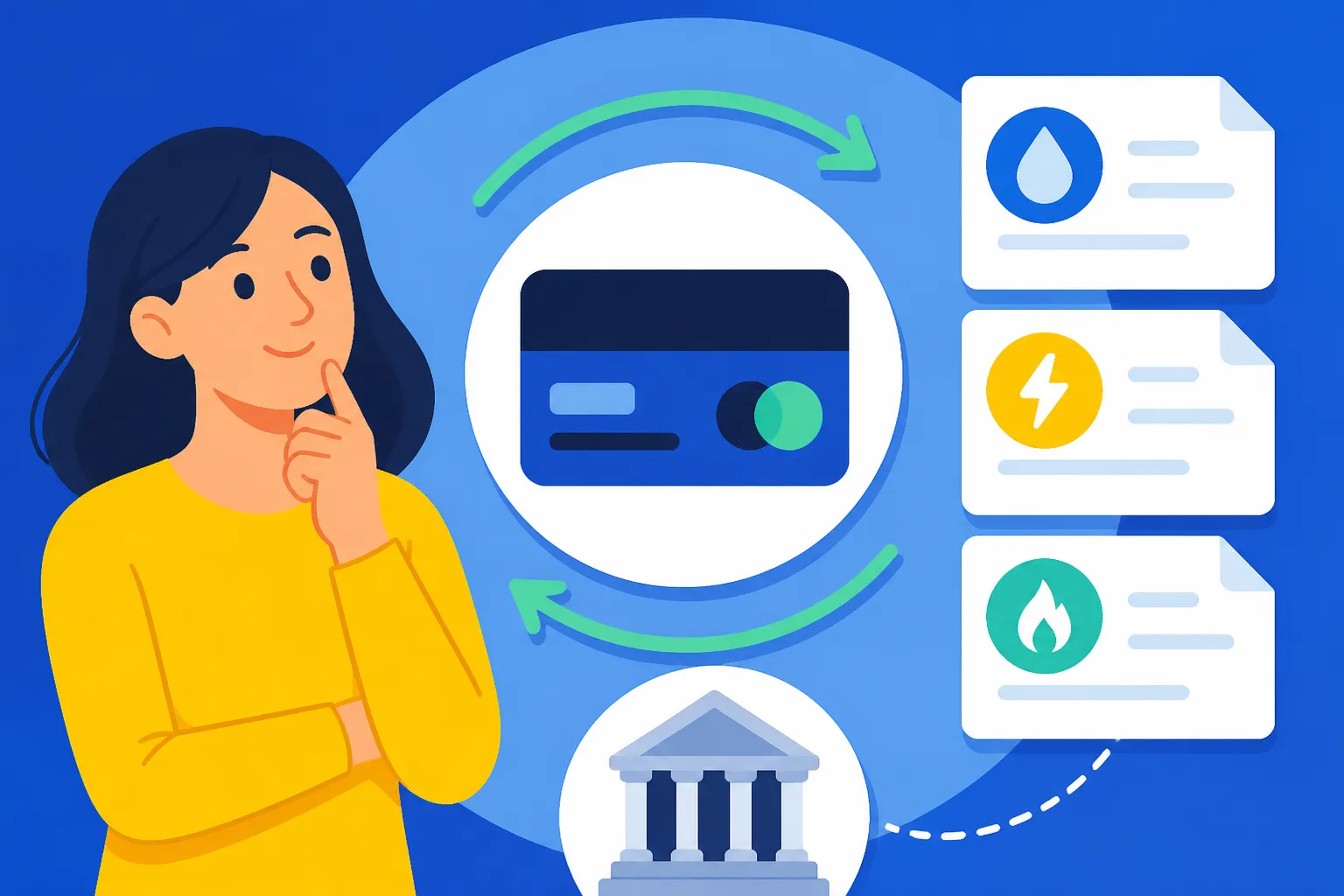
When you first arrive, getting your head around the various financial systems can feel like learning a whole new language. Direct Debits are right up there on the list of 'things you absolutely need to know'. Essentially, a Direct Debit is an instruction from you to your bank, authorising a company to collect payments directly from your account. The amount and date can vary, and the company is responsible for informing you of any changes in advance. This is a crucial distinction from a 'standing order,' which is an instruction you give your bank to pay a fixed amount to a specific recipient on a regular date. For something like utility bills, where usage and therefore cost can fluctuate, Direct Debits are the default and often preferred method.
Why are Direct Debits so prevalent here? Well, for utility companies, it guarantees they get paid regularly and on time, which helps them manage their cash flow. For you, the customer, there are several benefits. Many energy and broadband providers offer discounts for paying by Direct Debit. It also simplifies budgeting, as you know roughly when payments will leave your account, and it largely takes the onus off you to remember to pay each month. Forgetfulness can lead to late payment fees or even disruptions to your service, something none of us need when navigating a new country! From a broader perspective, understanding the entire system of Banking in the UK: A Complete Guide for Foreigners (2027) is truly invaluable, and Direct Debits are a cornerstone of that.
The Direct Debit Guarantee: Your Safety Net
One of the biggest concerns newcomers often have is the idea of a company just taking money from their account. This is where the Direct Debit Guarantee comes in, offering a robust layer of protection for you as the payer. It's a consumer protection scheme unique to Direct Debits in the UK. This guarantee means that if an error is made by the organisation or your bank, you are entitled to a full and immediate refund from your bank. You also have the right to cancel a Direct Debit at any time simply by contacting your bank, though it's always wise to inform the organisation too to avoid service issues.
Beyond errors, the Guarantee also states that you must be notified in advance of any changes to the amount or date of your Direct Debit. This usually comes in the form of a bill or statement, often a month or so before the new payment takes effect. This transparency is key to building trust and managing your finances effectively. For those who have just moved, juggling all the new administrative tasks can be overwhelming, so knowing there's a safety net for your utility payments provides real peace of mind. It’s a bit like having a reliable moving service like Sirelo to handle the heavy lifting of your possessions – you know the important stuff is protected.
Direct Debit vs. Other Payment Methods
While Direct Debits are highly recommended for regular utility bills, it's good to know your options. Here’s a quick overview of how they compare to other common payment methods:
| Feature | Direct Debit | Standing Order | Manual Payment (Online/Phone) |
|---|---|---|---|
| Payment Frequency | Variable (often monthly, adjusted by provider) | Fixed (e.g., monthly, weekly) | Ad-hoc, as and when you choose |
| Amount | Variable (provider notifies you of changes) | Fixed (you set the amount) | Variable (you specify each time) |
| Control | Company initiates, but you can cancel | You initiate and control entirely | You initiate and control entirely |
| Guarantee | Protected by the Direct Debit Guarantee | No specific guarantee, relies on bank protection | No specific guarantee, relies on bank protection |
| Best for | Bills with fluctuating amounts (utilities) | Fixed regular payments (e.g., rent, savings) | One-off payments, or for full control over timing |
| Common Discounts | Often offered by utility providers | Rarely offered for this payment method | Rarely offered for this payment method |
As you can see, for utility bills, the flexibility of the Direct Debit is a significant advantage. It allows your provider to adjust the payment based on your actual usage, preventing large build-ups of debt or credit, especially important when you’re still figuring out your energy consumption habits in a new UK home.
Step-by-Step Guide to Setting Up Direct Debits for Your Utilities
Okay, so you’ve arrived, probably breathing a sigh of relief, and now it’s time to get those essential services up and running. Setting up Direct Debits is a critical part of this. It might seem like a lot, especially when you're still getting to grips with things like How to Set Up Gas and Electricity in Your UK Home or trying to sort out your broadband. But take a deep breath; it's quite straightforward once you have your ducks in a row.
Gathering Your Essentials: What You'll Need
Before you dive in, make sure you have these key pieces of information ready. This will speed up the process immensely:
- Your UK Bank Account Details: This is non-negotiable. You'll need your bank account number (usually 8 digits) and your sort code (6 digits, often displayed as 3 pairs of 2 digits). If you haven’t got a UK bank account yet, that's your first priority. You can learn more about The Expat Guide to Opening a Bank Account in the UK. Many new arrivals find digital banks like Monzo or Revolut can be quicker to set up.
- Your Personal Details: Full name, current UK address, contact number (a UK mobile is best), and email address.
- Your Utility Account Number: Once you've chosen your utility providers and signed up for service, they will issue you an account number. You'll need this to link the Direct Debit to your specific energy, water, or broadband account.
- Proof of Identity (sometimes): While usually not required just for setting up a Direct Debit (as your bank has already verified you), some providers might ask for it during the initial sign-up for the utility service itself.
While you're getting set up, don't forget the importance of staying connected. Having a reliable mobile connection, perhaps with an eSIM from a provider like Airalo, means you can make calls, receive verification codes, and manage your online banking as soon as you land, which is invaluable for these early administrative tasks.
The Sign-Up Process: How and Where
Once you have your utility provider chosen and your account details sorted, setting up the Direct Debit is usually done in one of three ways:
- Online: This is by far the most common and often the easiest method. When you sign up for a new utility service online (e.g., for electricity, gas, or broadband), you'll typically be prompted to set up a Direct Debit as part of the application form. You'll enter your bank account number and sort code directly into their secure portal. You can also usually set it up later by logging into your existing online account with the provider and navigating to the "Payments" or "My Account" section. This process is very similar to how you would How to Pay Your Utility Bills Online in the UK.
- Over the Phone: Many utility companies have dedicated customer service lines where you can speak to an agent and set up a Direct Debit verbally. They will ask for your bank details, so make sure you're in a private place and have everything to hand.
- By Post: Less common these days, but still an option. Some providers may send you a paper Direct Debit mandate form, or you can often download one from their website. You fill in your details, sign it, and post it back to them. This method takes longer due to postal times.
After you submit your Direct Debit instruction, your bank will process it. You should receive a confirmation from your utility provider and/or your bank within a few days, detailing the payment schedule and your Direct Debit Guarantee protections. Always keep an eye out for this confirmation!
Managing Your Direct Debits and Avoiding Common Pitfalls
Once your Direct Debits are set up, the beauty of the system is that it largely runs itself. However, 'largely' doesn't mean 'entirely'. It's still important to keep an eye on things to avoid any unwelcome surprises. Think of it like taking a long-distance moving trip; you rely on the GPS, but you still glance at the road signs to make sure you’re on the right track.
Monitoring Your Payments and Statements
Even with Direct Debits, you'll still receive regular bills or statements from your utility providers. These are incredibly important for a few reasons:
- Checking Accuracy: Your statement will show your usage and the amount due. Compare this to the amount being taken by Direct Debit. While the Direct Debit amount is usually estimated, especially for energy, it should roughly align. If there are huge discrepancies, it's worth contacting your provider.
- Notifying Changes: Remember the Direct Debit Guarantee? Your statements are how providers notify you of upcoming changes to your payment amount or date. Don't just file them away; give them a quick glance. If your energy consumption significantly changes (e.g., a cold snap, or you're now working from home more), your Direct Debit might be adjusted to reflect this.
- Budgeting: Keeping an eye on what's leaving your account helps you manage your overall Cost of Living in the UK for Expats (2026). It can prevent you from inadvertently overspending elsewhere.
Most banks and utility companies offer online portals or apps where you can view your Direct Debits, payment history, and upcoming bills. Get familiar with these – they’re a lifesaver for staying organised.
What Happens If a Payment Fails?
Life happens. Sometimes a Direct Debit might fail, usually because there aren't enough funds in your account. While it's not the end of the world, it's something to address quickly.
- Charges: Your bank might charge you a fee for a failed Direct Debit, and your utility provider might also levy a late payment charge.
- Notification: You'll typically be notified by both your bank and the utility provider that the payment failed.
- Rectification: Most providers will attempt to collect the payment again a few days later. Make sure you have sufficient funds in your account before this happens. If it fails a second time, they might contact you to arrange an alternative payment or even cancel your Direct Debit.
- Service Disruption: Repeated failed payments could, in extreme cases, lead to your service being disconnected. You absolutely don't want this for your gas, electricity, or internet!
If you know a payment is coming out and your funds are low, contact your bank or utility provider immediately. They might be able to reschedule or offer a temporary solution. Better to be proactive than reactive.
Cancelling or Amending a Direct Debit
You have the right to cancel a Direct Debit at any time. This can be done directly through your online banking, by contacting your bank's customer service, or by informing the organisation. If you're switching energy providers, for example, your new provider will often handle the cancellation of the old Direct Debit for you, but it's always worth double-checking.
Remember, if you cancel a Direct Debit, you are still responsible for paying the underlying bill! You'll need to arrange an alternative payment method with the utility provider. This often happens if you're moving house and want to close your account. In that scenario, ensure you pay any final outstanding balance after the Direct Debit is cancelled. This is a common step during any major move, much like coordinating with a service like Sirelo for moving your belongings.
If you want to change the amount of a Direct Debit (e.g., you're constantly in credit with your energy provider), you typically need to contact the utility company directly. Your bank can only cancel it, not change the amount or date unless it's a new instruction.
Ensuring Smooth Transitions for Expats with Direct Debits
As an expat, you’re dealing with more than just a new postcode; you're navigating a whole new country. Setting up utilities and the associated Direct Debits can be one of the more straightforward administrative tasks, provided you're prepared.
Choosing the Right Providers
When you first move in, you might automatically stick with the existing providers for your new home. However, it's worth taking some time to compare. There are many energy, broadband, and mobile providers in the UK, and competition can lead to better deals. Sites like Uswitch or MoneySuperMarket are great for comparing options. Look for providers that offer good customer service and transparent billing, especially since you’ll be relying on them for your Direct Debits. For instance, in terms of mobile connectivity, providers offering eSIMs like Airalo can give you instant internet access, which is crucial for comparing deals and setting up accounts before your physical SIM arrives or your home broadband is active.
While you're comparing, also consider how you'll manage your water bills. For most of England and Wales, your water provider is geographically determined, so you won't have a choice. However, understanding Water Bills and Council Tax in the UK is still essential, as they are non-negotiable and usually paid via Direct Debit too.
The Role of Your Bank Account
The entire Direct Debit system hinges on having a functioning UK bank account. As a newcomer, opening one can sometimes be tricky due to proof of address requirements. If you're struggling, some digital challenger banks are more flexible. Once your account is open, managing your finances digitally becomes incredibly easy. Most UK banks have excellent mobile banking apps, allowing you to view your Direct Debits, check balances, and transfer money with just a few taps. It’s definitely something you’ll want to master to ensure your bills are always paid on time.
For some guidance on finding a bank that suits your needs, check out our guide on How to Choose the Best Bank for Expats in the UK. Having a solid banking foundation is paramount for all your financial dealings, including the smooth operation of your Direct Debits.
What if I’m only here temporarily?
If you’re a tourist or here for a very short stay, you generally won't be setting up long-term utility contracts or Direct Debits. Most short-term rentals or serviced apartments will include utilities in the rental cost. However, if you find yourself needing to activate a mobile phone plan for an extended period, remember that some providers will encourage Direct Debit setup for recurring payments. For quick, temporary internet access for your devices, an eSIM from a company like Airalo can be an ideal solution, avoiding the need for a full contract.
For those planning a more permanent move, but perhaps arriving before their long-term accommodation is secured, things like sorting out utilities might still be a few steps away. Don’t worry too much about it upfront. Focus on the immediate necessities, like getting your bank account established and ensuring you have communication sorted, then tackle the Direct Debits once you have a stable UK address. A smooth transition is all about prioritising.
Disclaimer
The information provided in this guide is for general informational purposes only and does not constitute financial, legal, or immigration advice. While every effort has been made to ensure accuracy, the UK's regulations and processes can change. Expats should always consult with qualified professionals for advice tailored to their individual circumstances.