Understanding the Role of the NHS and Your Local GP in the UK
Arriving in the UK and realizing that "going to the doctor" isn't as simple as picking up a phone can be a massive shock for any newcomer. This guide breaks down the complex relationship between the National Health Service (NHS) and your local General Practitioner (GP), ensuring you understand how to access care, manage prescriptions, and navigate the bureaucratic hurdles that often leave newcomers feeling stranded.
The Foundation of British Healthcare – What is the NHS
The National Health Service, or the NHS as you will quickly come to know it, is more than just a healthcare provider; it is a national institution that has defined British life since 1948. For an expat, the concept can be both beautiful and baffling. At its core, the NHS operates on the principle that healthcare should be "free at the point of use," meaning you generally do not pay for a doctor’s consultation, a hospital stay, or emergency surgery. However, "free" is a relative term, as the system is funded through General Taxation and National Insurance contributions.
When you first land at Heathrow or Manchester Airport, you might assume you can just walk into any clinic. In reality, the system is highly structured. Understanding How the NHS Works: Public Healthcare in the UK Explained (2027) is essential because the way you interact with the system depends entirely on your residency status. If you are here on a visa for longer than six months, you likely paid a hefty fee upfront during your application process. This fee, the Immigration Health Surcharge, is your ticket into the system. Without it, or without a valid exemption, you may find yourself facing significant bills for anything other than basic emergency care.
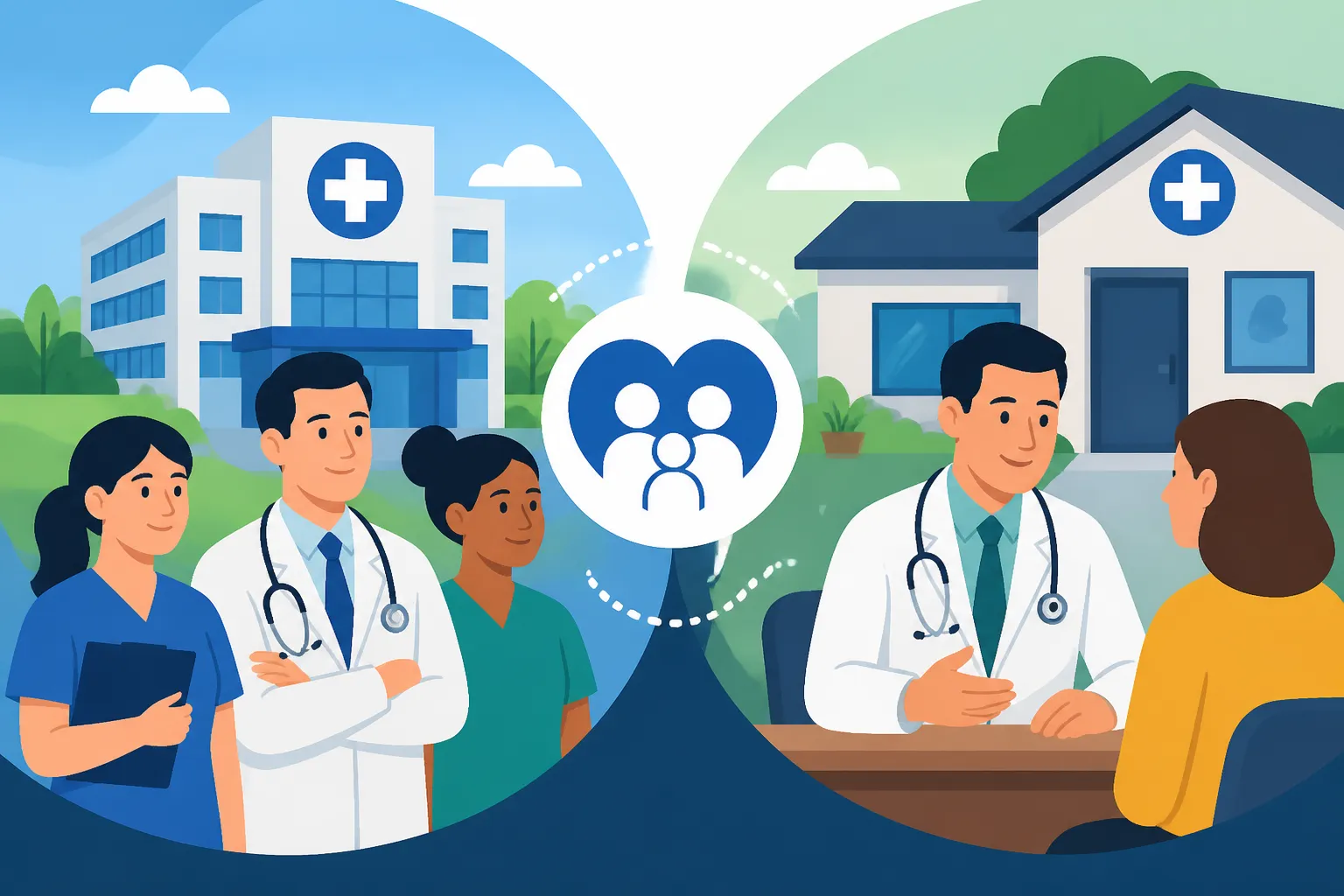
The NHS is divided into "Primary Care" and "Secondary Care." Primary care is your first port of call—your local GP surgery, the pharmacy, or a dentist. Secondary care involves specialized treatment, usually provided in a hospital setting. The relationship between these two is strictly guarded by the GP. You cannot simply decide to see a dermatologist because you have a rash; you must go through the proper channels, which we will explore in depth. For those who are just visiting or are in the middle of a visa transition, having a bridge like SafetyWing can provide the necessary medical coverage while you get your long-term NHS paperwork in order.
The Concept of Universal Care and Funding
The NHS is funded almost entirely through the UK’s tax system. If you are working in a London tech firm or a Manchester hospital, a portion of your monthly paycheck goes toward National Insurance. This collective pot allows the government to provide medical services without the need for private insurance for every citizen. However, it is important to realize that the NHS is under constant pressure. Resources are finite, which often leads to the long waiting times you might hear people complaining about in the pub.
For a foreigner, Understanding Who Is Eligible for Free NHS Care in the UK is the first hurdle. While emergency treatment in an Accident & Emergency (A&E) department is technically free for everyone to prevent a public health crisis, "ordinarily resident" status is required for full access. This means you are living in the UK on a lawful, settled basis. If you are a digital nomad moving between Airbnbs, the rules get a bit murkier, which is why supplemental products like SafetyWing are so popular among the "slow travel" expat community who haven't yet established a permanent address.
Eligibility and the Immigration Health Surcharge
If you are in the UK on a Skilled Worker or Student visa, you will have likely paid the IHS. This surcharge can feel like a double tax since you are also paying into the system via your salary, but it is a legal requirement. Once paid, you are entitled to the same level of care as a British citizen. This includes everything from GP appointments to major surgeries.
It is worth noting that Understanding the Immigration Health Surcharge (IHS) and NHS Access (2026) is vital because paying the fee doesn't automatically "register" you. You don't just show up with a visa and get treated. You still have to go through the administrative process of finding a local surgery and proving you live in their "catchment area." This administrative lag is a common point of frustration for expats who get sick in their first week and realize they aren't "in the system" yet.
The Gateway to the System – Your Local GP Surgery
Think of your General Practitioner (GP) as the quarterback of your health. In the UK, you do not have a "personal doctor" in the sense of a private concierge service; instead, you are registered with a "Practice" or "Surgery" that houses several doctors, nurses, and specialists. The GP is a highly trained generalist who handles everything from mental health struggles and chronic illness management to minor injuries and vaccinations.
The most important thing to understand is that the GP acts as the "gatekeeper." In many other countries, if you have a heart palpitation, you call a cardiologist. In the UK, that is virtually impossible within the NHS. You must see your GP first. They will evaluate you and decide if a specialist referral is necessary. If they think it is, they send a letter to the hospital. If they think it isn't, they will treat you themselves. This system keeps hospital specialists from being overwhelmed with minor issues, but it can be incredibly frustrating if you feel you aren't being heard.
Why You Need to Register Immediately
One of the biggest mistakes expats make is waiting until they are sick to find a doctor. Do not do this. GP surgeries have specific geographical boundaries called "catchment areas." If you live in a specific part of Islington, you can only register with surgeries that cover that area. Some popular surgeries may be "full" and not taking new patients, forcing you to look at the next one over.
The registration process involves filling out a form (usually the GMS1 form) and providing proof of identity and sometimes proof of address. While the NHS guidelines state that you do not strictly need a proof of address or immigration status to register with a GP, in practice, many receptionists will still ask for them. Knowing Registering with a GP in the UK: The Complete Expat Guide (2027) will save you a lot of back-and-forth at the reception desk. Once registered, you will be assigned an NHS number, which is a unique ten-digit identifier that follows you for life.
The Gatekeeper Role and Specialist Referrals
The referral process is where most expats experience "system shock." Because the GP controls the access to specialists, you are at the mercy of their clinical judgment. If you are used to a private healthcare model where the patient drives the care, this can feel restrictive. If a GP agrees you need a specialist, you are then placed on a waiting list.
These lists can be long—sometimes several months for non-urgent issues. This is a primary reason why many expats choose to maintain a private insurance policy or a travel-friendly plan like SafetyWing to bypass these queues for elective or non-emergency specialist consultations. Understanding How Specialist and Consultant Referrals Work in the NHS is crucial so you can manage your expectations regarding how quickly you will actually see a consultant.
| Service Type | Access Method | Cost (NHS) | Typical Wait |
|---|---|---|---|
| GP Appointment | Call at 8:00 AM | Free | 1-14 Days |
| Specialist | GP Referral Only | Free | 4-18 Weeks+ |
| Urgent Care | Walk-in / 111 | Free | 2-6 Hours |
| Accident & Emergency | Walk-in / 999 | Free | 4-12 Hours |
| Pharmacy | Walk-in | Pay for Meds | Immediate |
Navigating Appointments and the Triage System
Actually getting to see a doctor is perhaps the most complained-about aspect of UK life. Most surgeries operate on a "first-come, first-served" basis for same-day appointments. This has led to the infamous "8 AM scramble," where patients call the surgery precisely at 8:00 AM, often finding themselves 40th in a phone queue. If you aren't one of the lucky few, you might be told to call back tomorrow.
In recent years, many surgeries have moved to digital systems like "e-Consult" or "Patient Access." These allow you to submit your symptoms online. A doctor then reviews your submission and decides if you need a phone call, a face-to-face meeting, or if you should just go to the pharmacy. This is called triage. It’s a way to ensure that the person with chest pains is seen before the person with a stubbed toe.
The 8 AM Rush and Digital Bookings
If you need to see a doctor urgently, you have to be persistent. Many expats find the phone queue system archaic. However, it is the reality of the public system. If your issue is not an emergency but still needs a doctor’s eye, you can often book "routine" appointments a week or two in advance.
If you are wondering, Can I See a GP on the Same Day in the UK? the answer is yes, but only if you "win" the morning phone lottery or if your symptoms are deemed urgent by the triage nurse. For busy professionals, this unpredictability is a major pain point. This is why some expats supplement their care with private GP services, which offer guaranteed same-day slots for a fee, or rely on the remote health perks often bundled with nomadic insurance like SafetyWing.
Telephone vs. Face-to-Face Consultations
Post-pandemic, the NHS has leaned heavily into telephone consultations. Do not be offended if the receptionist says the doctor will call you rather than see you. For many issues—like discussing test results or renewing a stable prescription—a phone call is more efficient.
If the doctor hears something concerning over the phone, they will then invite you into the surgery for a physical examination. When you do go in, be prepared for a short appointment. Standard NHS GP slots are usually only 10 minutes long. To make the most of it, write down your symptoms beforehand and stick to the most important issue. If you bring a list of five different problems, the doctor will likely ask you to book another appointment for the others.
Prescriptions and the Role of the Pharmacist
The pharmacy (or "chemist") in the UK is much more than just a place to pick up pills. Pharmacists are highly trained medical professionals who can offer advice on "minor ailments" like coughs, colds, skin rashes, and hay fever. Under the "Pharmacy First" initiative, pharmacists can even prescribe antibiotics for certain conditions like earaches or uncomplicated UTIs without you needing to see a GP at all.
When a GP does prescribe something, they send an electronic prescription to your nominated pharmacy. You don't usually get a green piece of paper anymore; you just walk into the Boots or Superdrug near your house, give them your name and birthdate, and your medicine is there.
Getting a Prescription Filled
Unlike doctor’s visits, prescriptions are not always free in the UK. In England, there is a flat-rate charge per item (currently around £9.90). However, prescriptions are free in Scotland, Wales, and Northern Ireland. If you are on multiple medications, you can buy a "Prescription Prepayment Certificate" (PPC), which is basically a "season ticket" that covers all your prescriptions for a set period for a one-off fee.
Certain groups get free prescriptions in England too, including people over 60, children under 16, and pregnant women. If you are an expat on a low income, you might also qualify for help through the NHS Low Income Scheme. It is a good idea to check if you are exempt before you reach the checkout counter.
Referrals and Waiting Lists
As mentioned, the referral is the bridge between your GP and the specialized hospital care you might need. Once the GP clicks "send" on that referral, you are officially in the hands of the local NHS Trust. You will usually receive a letter or a text message with a link to the "Choose and Book" system, where you can select which hospital you want to visit and see their respective waiting times.
The reality of How Do I Get a Referral to a Specialist on the NHS? is that you need to be your own advocate. If you haven't heard anything after a few weeks, call the hospital’s "appointments department" to ensure your referral hasn't been lost in the digital ether. For those who cannot wait months for a scan or a consultation, this is the point where people often look at private options. Even if you are an NHS patient, you can choose to pay for a single private consultation to speed things up, and then "switch back" to the NHS for the actual treatment if it's something expensive like surgery.
When the GP is Not Enough – Emergencies and Urgent Care
One of the most confusing things for expats is knowing where to go when the GP surgery is closed (usually after 6:30 PM and on weekends). You have several options, and choosing the wrong one can lead to a 12-hour wait in a cold plastic chair.
For non-life-threatening but urgent issues, the answer is always 111. You can call 111 or use their website. They will ask a series of questions and direct you to the right place—be it a "late-night pharmacy," an "Out of Hours GP," or an "Urgent Care Centre." Using Understanding NHS 111 and When to Use It in the UK correctly is the secret to avoiding the chaos of a major city hospital.
NHS 111 vs. 999
999 is for life-or-death emergencies: suspected heart attacks, strokes, severe blood loss, or unconsciousness. Do not call 999 for a broken finger or a high fever that won't come down with paracetamol. For those issues, call 111.
If you call 111 and they decide you need to see a doctor immediately, they can actually book you an appointment at an Urgent Care Centre or an Out-of-Hours clinic, saving you the "walk-in" wait. This system is designed to keep A&E departments clear for people who are truly dying. As an expat, you might be tempted to just drive to the nearest hospital, but you will often find that a "Minor Injuries Unit" (MIU) is much faster for things like sprains or cuts that need stitches.
Walk-in Centres and A&E Etiquette
Accident & Emergency (A&E) is the frontline of the NHS. It is open 24/7. However, the triage system here is brutal. If you walk in with something that could have been handled by a GP, you will be placed at the very bottom of the priority list. You will see people who arrived after you go in first because their condition is more critical.
For expats who are traveling or haven't fully settled, knowing Understanding How to Get an NHS Number in the UK is helpful, but in a true emergency, A&E will treat you regardless of whether you have that number or not. They will figure out the billing or the paperwork later. If you are in the UK as a tourist or short-term visitor, this is where having SafetyWing is a lifesaver, as they can handle the communication with the NHS billing departments if you are charged as an "Overseas Visitor."
Private Options and Supplementary Coverage
While the NHS is the backbone of the UK, private healthcare is a thriving secondary market. About 10-15% of the UK population has some form of private medical insurance (PMI). Why? Because of speed and comfort. In a private hospital, you get your own room, you choose your consultant, and you rarely wait more than a week for a scan or surgery.
Most expats find that a hybrid approach works best. They use the NHS for everyday GP visits and emergency care (where the NHS is actually world-class) and use private care for things like physiotherapy, mental health support, or elective surgeries where the NHS queues are longest.
Why Expats Often Go Private
The primary driver is the "waiting list." If you are a freelancer or on a fixed-term contract, you can't afford to wait six months for a knee operation that prevents you from working. Private healthcare allows you to stay productive. Additionally, many expats prefer the "customer service" aspect of private care, which can feel a bit more familiar if you are coming from the US, UAE, or Singapore.
When considering NHS vs Private Healthcare in the UK: Which Should Expats Choose? remember that "Private" in the UK usually still requires a GP referral. Even if you are paying, the private consultant will want to see a letter from your GP outlining your history. Some private insurers allow you to use their own "Digital GPs" to get these referrals, bypassing the 8 AM phone call at your local NHS surgery entirely.
Choosing Short-Term Coverage
For the digital nomad or the expat who is "between" visas, relying solely on the NHS can be risky. If you are on a visitor visa, you are not entitled to free NHS care (beyond the A&E basics), and you will be charged 150% of the standard NHS rate for any hospital treatment.
This is where SafetyWing fits in. It provides a safety net for those who are in the UK but haven't yet paid the IHS or established "ordinarily resident" status. It covers the costs that the NHS would otherwise bill you for as an overseas visitor, giving you the freedom to explore the UK without the fear of a five-figure hospital bill if you trip on a cobblestone street in Edinburgh.
Disclaimer
This guide is intended for informational purposes only and does not constitute legal, financial, or medical advice. Healthcare regulations in the UK, particularly regarding immigration status and NHS eligibility, are subject to frequent change. Always consult the official GOV.UK website or a qualified immigration professional for the most current information regarding your specific circumstances.