What Are the Requirements for a UK Spouse Visa?
Bringing your loved one to the UK can feel like navigating a bureaucratic labyrinth, fraught with anxiety and paperwork that sometimes feels designed to confuse rather than clarify. If you're an expat, or a British citizen living abroad, trying to get your partner a UK Spouse Visa, you know this struggle intimately. This guide is here to break down the exact requirements, offering a clear, empathetic roadmap to help you understand what you need to do to make the UK your shared home.
Understanding the Core UK Spouse Visa Eligibility
Let's face it, the UK Home Office has a reputation for being stringent, and when it comes to family visas, they aren't kidding around. The Spouse Visa (officially known as a 'Partner' or 'Spousal' visa under the Family Route) is designed for partners of British citizens, those settled in the UK (with Indefinite Leave to Remain or 'settled status' under the EU Settlement Scheme), or those with a valid visa that allows them to bring dependants. It's not just about being married; it's about proving a genuine and subsisting relationship, meeting strict financial criteria, and showing you can speak English and have adequate accommodation. Forget any romantic notions you might have had about casually moving to England with your love; this is a serious undertaking that demands meticulous preparation.
Relationship Requirements: Proving Your Love (to the Home Office)
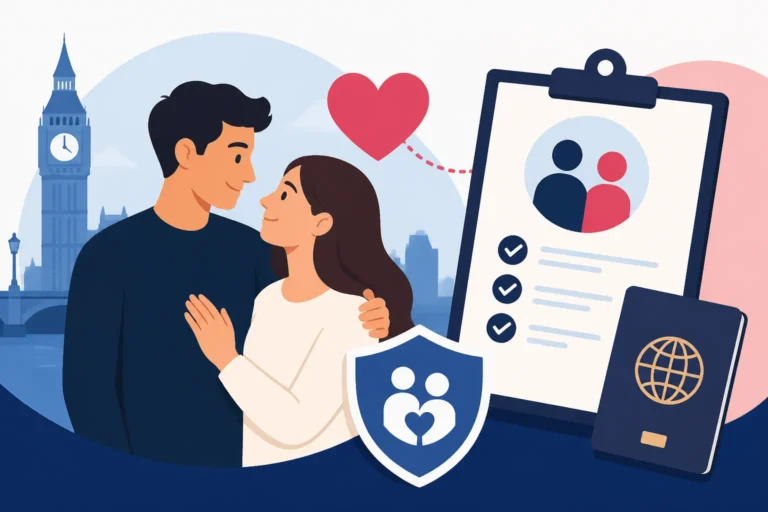
This is more than just a snapshot of your wedding day; the Home Office wants to see a bona fide relationship. You need to be able to prove that your relationship is genuine and continuing. This typically means you must be legally married or in a civil partnership, recognised in the UK. If you're not married, you might qualify as unmarried partners, but this requires you to prove you've been living together in a relationship akin to marriage or civil partnership for at least two years. This isn't a casual fling; it's a long-term commitment they're looking for.
Gathering evidence for this part can feel incredibly intrusive, but it’s crucial. Think about everything that shows your lives are intertwined: joint bank accounts, utility bills in both names, tenancy agreements, mortgage statements, correspondence addressed to both of you at the same address, children's birth certificates. Even holiday photos and flight bookings can help paint a picture. The more comprehensive and varied your evidence, the stronger your case. It’s about creating a narrative of your shared life, not just presenting a single document.
You also need to demonstrate that you intend to live together permanently in the UK. This means your spouse won't just visit; they'll be moving here to establish a life with you. Any past visa issues, previous immigration breaches by either party, or inconsistencies in your story can raise red flags. It’s about building trust with an institution that inherently starts from a position of skepticism. You might want to explore the broader context of UK immigration by reading about The Complete Guide to UK Visas and Immigration for Expats (2027).
Accommodation Requirement: A Roof Over Your Head
The Home Office needs assurance that your partner won't become homeless or reliant on public funds for housing. This means you must have adequate accommodation available for them, without needing help from the public purse. "Adequate" is the key word here, and it's not just about having a place to live. It means there won't be overcrowding in your home according to UK housing standards, even with your partner moving in.
This usually involves providing evidence of your current living situation. If you own your home, you'll need mortgage statements, title deeds, and a property inspection report if there's any doubt about space. If you rent, your tenancy agreement is vital. Your landlord might need to provide a letter confirming that your partner can live there and that the property meets regulatory standards. It’s not uncommon for councils to have specific rules about occupancy, so checking these locally is a smart move.
Think about a hypothetical: if you live in a one-bedroom flat, and it's already occupied by you and another flatmate, bringing in your spouse would likely lead to overcrowding. The Home Office will scrutinise this to ensure your living situation is sustainable and won't put a strain on local resources. This is where meticulous planning for your new life in the UK truly begins, from finding a place to call home, perhaps by checking out The Complete Guide to Renting a Home in the UK (2027).
Navigating the Financial and English Language Hurdles
These two requirements are often the biggest stumbling blocks for many applicants. The UK government is firm on ensuring that those entering the country on a Spouse Visa can be supported financially without burdening the state, and can integrate effectively through language. It’s tough, it’s frustrating, but it’s non-negotiable.
Financial Requirements: The £29,000 Threshold
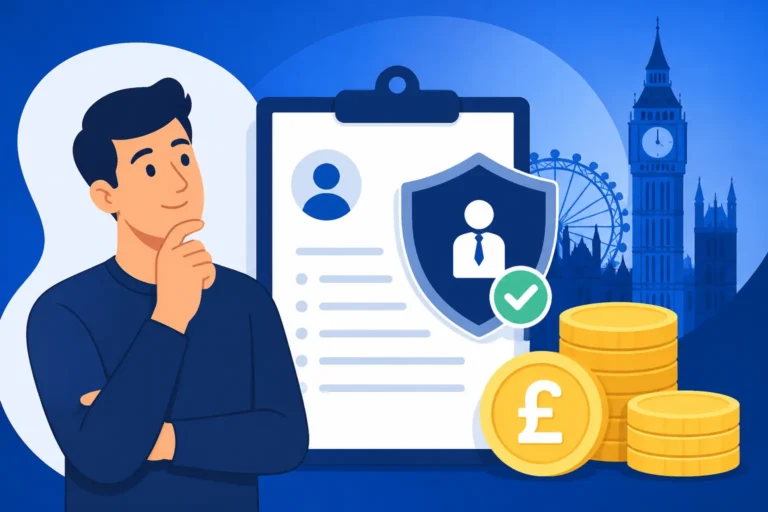
Ah, the financial requirement. This is where many expat dreams hit a snag. As of spring 2024, the minimum income threshold for a Spouse Visa application has increased to £29,000 per year. This amount is the gross annual income you (the sponsor) must earn, or jointly with your partner if they are already permitted to work in the UK. This is designed to demonstrate that you can adequately support your partner without recourse to public funds. It's a significant sum for many, and it often means delaying applications until income levels are met.
The ways you can meet this threshold are varied, but each comes with its own set of evidentiary requirements:
- Employment Income: This is the most common route. You'll need to provide payslips covering the last six months (or 12 months if income fluctuates), bank statements showing these payments, and a letter from your employer confirming your salary, employment type, and start date. If you've recently started a job or changed roles, the calculation can get complicated, so always double-check the specific guidelines.
- Self-Employment Income: For freelancers and business owners, this involves providing a longer history, usually a full year of accounts, tax returns, and evidence of ongoing business activity. HMRC documents are key here.
- Savings: If you don't meet the income threshold, you can use cash savings above £16,000. However, the amount you can count effectively reduces by £16,000 from the total. For example, to meet the £29,000 threshold with savings alone, you'd need £88,500 in savings (calculated as (£29,000 – £16,000) * 2.5 + £16,000, for a total of £40,500 needed in excess of the £16k, then multiplied by 2.5 for the length of the visa plus the initial £16k). These savings must have been held for at least six months and cannot be subject to liquidation for the application. Evidence will include bank statements showing the funds.
- Pension Income: If you're retired, certain pension incomes can count.
- Other Sources: Certain non-employment income, such as property rental income (which needs to be carefully documented), can also be included.
The complexity of these financial requirements often catches applicants off guard. It’s not just having the money; it’s proving you’ve had it, earned it legitimately, and that it’s sustainable. You might find further details on how money matters are handled in the UK by looking at How the UK Tax System (HMRC) Works: PAYE and National Insurance Explained (2027) or The Expat Guide to Opening a Bank Account in the UK.
English Language Requirement: Proving You Can Communicate
The Home Office wants to ensure that your partner can integrate into British society, and that starts with language. They must be able to demonstrate a basic level of English. This is usually met by:
- Passing an approved English language test at a minimum of CEFR level A1 in speaking and listening. These tests must be taken at an approved centre, and not just any certificate will do. Make sure the test provider is on the Home Office's approved list to avoid nasty surprises.
- Holding a degree taught in English. If your partner has a degree from a university in a country like the US, Canada, Australia, or any other where English is the primary language, this can satisfy the requirement. You'll need an Ecctis (formerly UK NARIC) statement to confirm the degree is equivalent to a UK bachelor's or master's degree and was taught in English.
There are some exemptions, for instance, if your partner is over 65, has a disability that prevents them from meeting the requirement, or is from a majority English-speaking country. However, generally, prepare for them to sit a test. This isn't just a hurdle; it's also a practical step towards making life in the UK easier. If your partner has trouble speaking or understanding English, even simple tasks like registering with a GP or understanding utility bills can become incredibly stressful.
The Application Journey: From Documents to Decision
Once you understand the requirements, the actual application process unfolds. It’s a multi-step journey, and each stage demands attention to detail. This isn't a quick process, and impatience is your enemy.
Gathering Your Mountains of Documents
This is perhaps the most overwhelming part for many. Imagine a giant checklist, and you need to tick every single box, sometimes with multiple pieces of evidence. The Home Office won't chase you for missing documents; they'll simply reject your application, often without a refund. So, be thorough, be organised, and if in doubt, provide more rather than less.
Here’s a general overview of the documents you’ll typically need:
| Requirement | Key Documents to Provide |
|---|---|
| Relationship | Marriage/Civil Partnership Certificate, joint bank statements, joint utility bills, tenancy agreements, mortgage statements, shared correspondence, children's birth certificates, photos, flight bookings, communication records (WhatsApp, emails) |
| Financial | Payslips (6-12 months), bank statements, employer letter, P60, company accounts (for self-employed), tax returns, evidence of savings (6 months history), pension statements. |
| English Language | Approved English language test certificate (CEFR A1 or higher), degree certificate from majority English-speaking country, Ecctis (NARIC) statement confirming degree taught in English. |
| Accommodation | Tenancy agreement, mortgage statements, property deeds, council tax bills, utility bills, property inspection report, letter from landlord. |
| Identity & Travel | Valid passport for both applicant and sponsor, Biometric Residence Permit (if applicable), previous visas, birth certificates (if applicable). |
| Other | Completed application form, Immigration Health Surcharge (IHS) payment confirmation, visa application fee payment confirmation, any relevant medical certificates, criminal record checks (if requested). |
Remember to provide original documents where specified, or certified copies. Everything not in English will need to be translated by a certified translator. This stage is where many turn to immigration lawyers, not just for advice, but for help in compiling the exhaustive list of paperwork. It's an investment, but it can save you heartache and thousands in re-application fees down the line. To fully grasp the extent of the costs, you might want to read Understanding the Cost and Timeline of the UK Visa Process.
The Online Application and Fees: A Digital Gauntlet
The application itself is almost entirely online. You'll complete a lengthy form on the UK government's website, which is dynamic and will ask different questions based on your answers. It's crucial to be truthful and consistent. Any discrepancies between your answers on the form and your supporting documents can lead to delays or rejection.
Then come the fees. Brace yourself. The UK Spouse Visa application fee is substantial, currently around £1,048 (as of early 2024, but these figures change frequently, so always check the official government website). On top of this, you must pay the Immigration Health Surcharge (IHS), which grants your partner access to the NHS. The IHS is usually paid upfront for the entire duration of the visa (2 years and 9 months initially for outside the UK applications, or 2 years and 6 months for inside). This is currently £1,035 per year, so for the initial visa, you're looking at over £2,800 just for the IHS. These costs are a significant barrier for many and are a key source of frustration for expats. It’s vital to factor this into your financial planning. You can delve deeper into this specific charge by reading Understanding the Immigration Health Surcharge (IHS) and NHS Access (2027).
Biometrics and Interviews: The Human Touch
Once you’ve submitted your online application and paid the fees, your partner (the applicant) will need to attend a biometric appointment. This involves providing fingerprints and a digital photograph. These appointments usually take place at a visa application centre in their home country. Depending on the centre, they might also submit their physical documents here or upload them online.
Sometimes, applicants are called for an interview. This is to verify the information provided in the application and to assess the genuineness of the relationship. They might ask questions about your daily life, how you met, your future plans, and even intimate details of your relationship. This can feel incredibly intrusive, but remember, they’re looking for consistency and honesty. Being prepared to discuss your relationship openly and calmly is important.
After all this, it’s a waiting game. Processing times vary widely depending on the country of application and the complexity of the case. While some priority services might be available for an extra fee, expect several weeks, if not months, for a decision. You will eventually receive a decision letter, and if successful, your partner will receive a vignette (a sticker in their passport) allowing them to enter the UK, and then they'll collect their Biometric Residence Permit (BRP) or eVisa in the UK.
Life After the Visa: Pathways to Settlement
Getting the initial Spouse Visa is a massive achievement, but it's just the first step on a longer journey towards permanent settlement in the UK. The initial visa is typically granted for 2 years and 9 months or 2 years and 6 months. After this, your partner will need to apply for an extension.
Extending Your Stay and Meeting Further Requirements
Before the initial visa expires, you’ll need to apply for a 'Further Leave to Remain' as a partner. This application process is very similar to the first one, requiring you to meet the same financial, relationship, and accommodation criteria. Yes, you have to prove your love and financial stability all over again! The income threshold will remain the same (£29,000 as of spring 2024), and you'll pay the application fee and IHS again.
The Home Office will again scrutinise your relationship's genuineness. Have you continued to live together? Are your finances still intertwined? Have you had any children? All these will contribute to demonstrating that your relationship is still 'subsisting'. This continuous process can be draining, both emotionally and financially, but it’s a necessary part of the UK immigration system. It's also worth noting that during these years, many expats arrange for broader health coverage, for instance through providers like Cigna Global, especially if they want more flexibility or access to private care beyond what the NHS offers. Navigating healthcare in a new country can be tricky, so it's wise to consider all your options.
Towards Indefinite Leave to Remain and British Citizenship
After spending a total of five years in the UK on the partner route (which usually means one initial visa and one extension), your partner will typically become eligible to apply for Indefinite Leave to Remain (ILR). This is often referred to as 'settlement' and grants them permanent residency in the UK, freeing them from immigration controls. The requirements for ILR are even stricter. Your partner will need to:
- Meet the financial requirement (again, currently £29,000 per year).
- Demonstrate a continuing genuine and subsisting relationship with you.
- Pass the Life in the UK test. This notorious test is about British history, traditions, and laws. It requires preparation and study.
- Meet an English language requirement at a higher level (CEFR B1 in speaking and listening). This is a step up from the A1 required for the initial visa.
Getting ILR is a huge milestone, signifying true long-term integration. You can find out more about this important step by reading The Complete Guide to Indefinite Leave to Remain (Settlement) in the UK (2027). Once ILR is granted, typically after one year, your partner can then consider applying for British Citizenship: How to Apply After Settlement (2027) through naturalisation. This is the ultimate step in making the UK their permanent home. The journey is long and demanding, but for many, the reward of building a life together in the UK is worth every single piece of paper and every moment of anxiety. When considering the logistical challenges of moving all your belongings for this new life in the UK, it’s worth looking into services like Sirelo, which can help compare different international moving companies to ease the transition.
Disclaimer
The information provided in this guide is for general informational purposes only and does not constitute legal advice. Immigration rules and fees are subject to change without notice. Always consult with a qualified immigration solicitor or refer to the official UK government website (GOV.UK) for the most accurate and up-to-date guidance relevant to your specific circumstances.