What Health Risks Should Expats Be Aware of in the UK?
Moving to the UK, many of us arrive with a bit of a rosy-tinted view, perhaps imagining a perfectly smooth transition where our health will just sort itself out. The reality, as any seasoned expat will tell you, is often a little bumpier. While the UK boasts a robust healthcare system, there are specific health risks and challenges that newcomers often face, and this guide will walk you through them, offering practical advice to keep you well.
Common Health Concerns and Environmental Factors for Newcomers
It’s easy to assume that because you’re moving to a developed country, your health risks will magically disappear. But the UK has its own unique set of environmental and seasonal quirks that can catch expats off guard. These aren't necessarily life-threatening in most cases, but they can certainly make you feel miserable and impact your ability to settle in.
Seasonal Illnesses and Allergies: More Than Just a Cold
The UK, particularly during the colder, wetter months, is a hotbed for various respiratory illnesses. You might think, "Oh, I get colds back home, no big deal!" But the strains of viruses here can be different, and your immune system might need a bit of time to catch up.
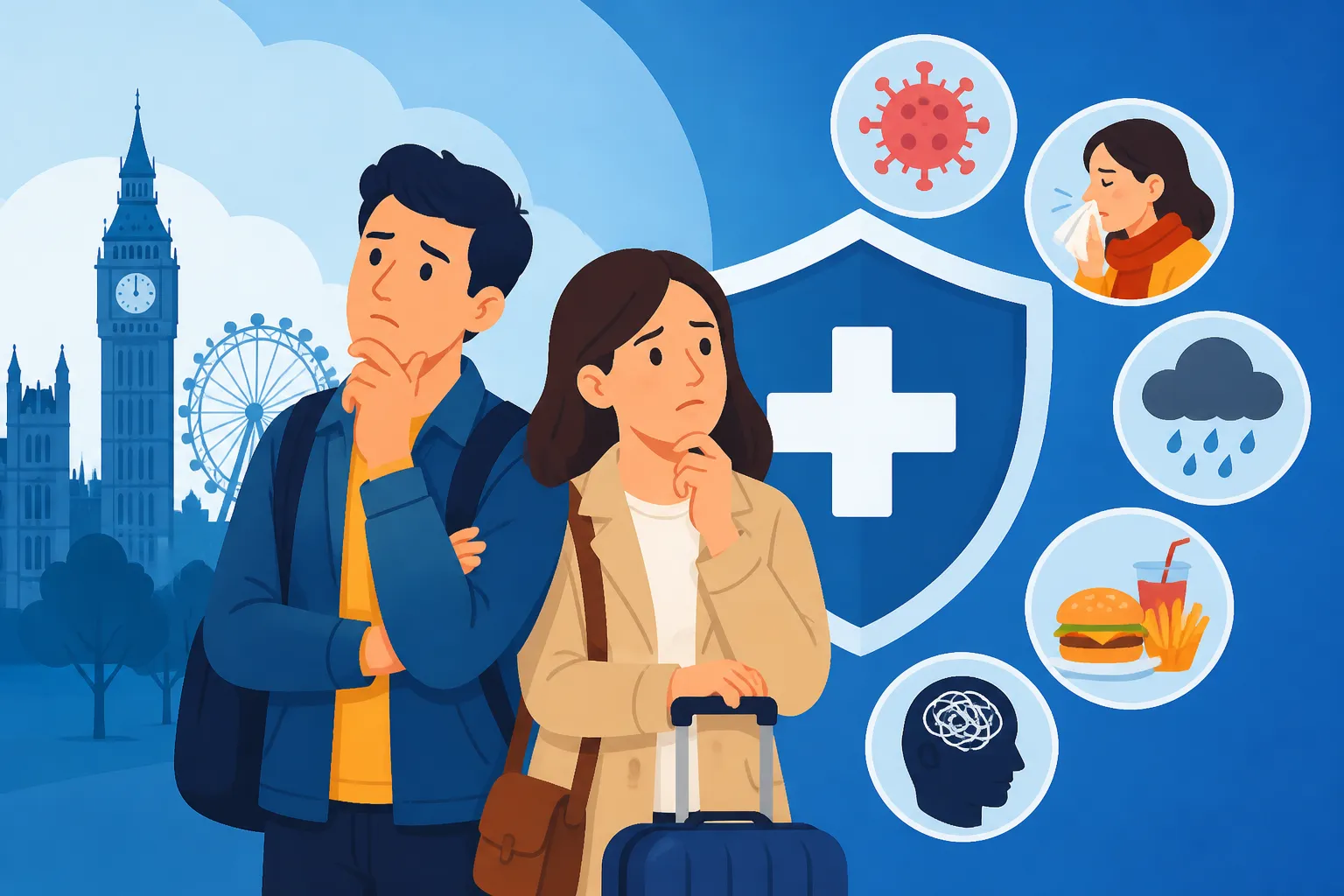
Picture this: you've just landed in October, excited about exploring London or Edinburgh. Suddenly, you're hit with a cold that feels like a freight train. Your throat is raw, your nose won't stop running, and you're utterly exhausted. This isn't just a regular cold; it’s likely one of the many seasonal bugs that thrive in the UK's damp climate. Norovirus, often dubbed the "winter vomiting bug," also makes its rounds, particularly in close-knit communities and workplaces, leading to unpleasant gastrointestinal distress. Then there’s the flu, which can be far more debilitating than a common cold. The NHS offers flu vaccines seasonally, usually from autumn onwards, especially for vulnerable groups, and it's something many expats consider.
Beyond winter bugs, spring and summer bring their own challenges: allergies. Hay fever, caused by pollen, affects a huge portion of the UK population. If you've never experienced severe hay fever before, you might find yourself with itchy eyes, a runny nose, and constant sneezing from March right through to September. It can be quite disruptive, especially if you're trying to enjoy the fleeting sunny weather. Pharmacies are well-stocked with over-the-counter antihistamines, but sometimes a stronger prescription might be needed from a GP.
Environmental Factors and Lifestyle Adjustments
The UK’s environment and typical lifestyle habits can also subtly impact your health. These aren't acute risks, but rather long-term factors that can accumulate.
One of the most talked-about issues, especially for those coming from sunnier climes, is Vitamin D deficiency. The UK simply doesn't get enough strong sunlight for a significant portion of the year, particularly from October to March, for most people to produce adequate Vitamin D naturally. This vital vitamin is crucial for bone health, immune function, and even mood. Many expats report feeling a dip in energy or mood, especially during winter, which can sometimes be linked to low Vitamin D. The official advice is for everyone to consider taking a daily 10 microgram (400 IU) Vitamin D supplement during the autumn and winter months, and some even opt to continue year-round, especially if they spend most of their time indoors.
Then there's the air quality, particularly in larger urban centres like London, Manchester, or Birmingham. While the UK has regulations in place, pollution can still be a concern. Diesel fumes, industrial emissions, and traffic can contribute to higher levels of particulate matter and other pollutants. If you have pre-existing respiratory conditions like asthma, you might find these exacerbate your symptoms. Checking local air quality forecasts, especially on high pollution days, can be helpful for planning outdoor activities.
Lastly, adjusting to a new diet and social habits can impact your health. British cuisine, while having its gems, can sometimes be heavier than what you're used to, and the prevalence of pubs and a strong drinking culture might lead to increased alcohol consumption. These changes, coupled with potential stress, can affect your gut health, weight, and overall well-being. Finding local farmer's markets, exploring diverse international food options, and consciously choosing healthier meals can make a big difference.
Navigating the UK Healthcare System as a Newcomer
For many expats, the single biggest "health risk" isn't a disease but the sheer complexity and potential frustration of accessing care in a new system. The NHS is amazing in many ways, but it operates very differently from healthcare systems in other countries, and understanding its nuances is crucial.
Understanding NHS Access and Waiting Times
The first hurdle for many is simply getting registered. While the NHS provides comprehensive care to most residents who have paid the Immigration Health Surcharge (IHS), the process of Registering with a GP in the UK: The Complete Expat Guide (2027) can be surprisingly challenging. You might have arrived, paid your IHS, and feel fully entitled to care, but without a GP registration, you're effectively in no-man's-land for routine health needs. Finding a GP surgery that's accepting new patients in your area, especially in popular expat hubs, can take time. You'll need proof of address, ID, and often patience. What happens if you get sick before you register with a GP in the UK? It's a common worry, and usually, you can still access urgent care via NHS 111 or a walk-in centre, but it’s not ideal for ongoing issues.
Once you’re registered, the next challenge can be waiting times. For many non-urgent specialist appointments or procedures, NHS waiting lists can be considerable. While emergency care is prompt, getting a referral to a dermatologist for a persistent skin issue or an orthopaedic specialist for a long-standing joint problem could mean months of waiting. This can be a huge source of anxiety, especially if you're used to quicker access in your home country. This is where many expats start to consider the trade-offs between NHS vs Private Healthcare in the UK: Which Should Expats Choose?, with some opting for private health insurance for quicker access to specialists.
Dental and Eye Care Challenges
Another common misconception among newcomers is that all healthcare is "free" under the NHS. While primary care (GP visits) and hospital treatments are generally covered (provided you've paid your IHS), dental and optical care operate quite differently.
Finding an NHS dentist taking new patients in the UK can be notoriously difficult, with some areas having virtually no availability. Even if you do find one, NHS dental care isn't entirely free; you'll pay a contribution based on treatment bands. For instance, a basic check-up, X-rays, and scale and polish falls into Band 1. More complex treatments like fillings or extractions are Band 2, and Band 3 covers crowns, dentures, and bridges. These charges can add up, and waiting lists for non-emergency NHS dental work can also be long. Many expats find themselves relying on private dentists, which, while offering quicker appointments and a wider range of services, come with significantly higher costs.
Similarly, routine eye care, such as eye tests, is not universally free under the NHS for adults. While children, those over 60, and individuals with certain medical conditions or on specific benefits are often exempt, most working-age adults will need to pay for an eye test. If you require glasses or contact lenses, these are not covered by the NHS, and you'll need to pay the full cost. This can be an unexpected expense for those who rely on regular vision correction.
Mental Health and Well-being Challenges for Expats
It's not just physical ailments that pose a health risk; the emotional and psychological toll of moving to a new country can be profound. Mental health challenges are a very real concern for many expats, often underestimated until they're in the thick of it.
Culture Shock and Social Isolation
The initial excitement of moving abroad can quickly give way to feelings of overwhelm, confusion, and loneliness – classic symptoms of culture shock. Everything from understanding local humour to navigating public transport systems can feel like a monumental task. You might find yourself struggling to connect deeply with new people, or feeling misunderstood due to subtle cultural or linguistic differences.
For many, the established support networks of family and old friends are suddenly thousands of miles away. This social isolation can be particularly acute, especially if you're not in a situation where you're immediately immersed in a social group (like a university or a large, expat-friendly workplace). The long, dark winters in many parts of the UK can exacerbate these feelings, leading to low mood, anxiety, or even depression. It’s a very real expat struggle, and one that's crucial to acknowledge and address.
Stress, Burnout, and the Pressure to Succeed
Relocating brings with it immense pressure. There's the financial strain of setting up a new life, the administrative burden of visas, banking, and housing, and the professional challenge of adapting to a new workplace culture. Many expats feel an unspoken pressure to "succeed" quickly, to justify the huge leap they've made, which can lead to overworking and neglecting self-care.
The constant low-level stress of navigating bureaucracy, coupled with the high expectations we place on ourselves, can lead to burnout. Symptoms might include persistent fatigue, irritability, difficulty concentrating, and a loss of enjoyment in things you once loved. It’s a vicious cycle where the stress impacts your mental health, which in turn can make it harder to cope with the daily challenges of expat life. Understanding How to Access Mental Health Services and NHS Talking Therapies in the UK is an important step, but the first step is often simply acknowledging these feelings.
Proactive Steps for Expat Health and Well-being in the UK
While the potential health risks and challenges might seem daunting, there are many proactive steps you can take to safeguard your well-being in the UK. Being informed and prepared makes a world of difference.
Getting Set Up with Healthcare Early
The single most important thing you can do for your health in the UK is to get registered with a General Practitioner (GP) as soon as possible after your arrival. Don't put it off, even if you feel perfectly healthy. This is your gateway to the NHS for everything from minor ailments to specialist referrals. Check out our guide on How to Register with an NHS GP After Moving to the UK for a detailed walkthrough. Remember, your GP is usually the first point of contact for any health concern, and they manage your overall medical care.
Alongside GP registration, take the time to understand your eligibility for NHS care. If you're on a long-term visa, you've likely paid the Immigration Health Surcharge (IHS), which grants you access. But it’s worth familiarising yourself with Understanding Who Is Eligible for Free NHS Care in the UK.
For those who value faster access to specialists, shorter waiting times, or simply peace of mind, exploring private health insurance is a very sensible option. Companies like SafetyWing offer plans that can cover you for various treatments and services, giving you an alternative route to care, especially for non-emergency issues. While the NHS is there for emergencies, having private cover can significantly reduce stress and improve access to elective treatments. Our article on Health Insurance in the UK: Private Cover and Options Explained delves into this in more detail.
Lifestyle, Nutrition, and Self-Care Strategies
Beyond formal healthcare, your daily habits play a massive role in mitigating health risks.
- Mind your Vitamin D: As discussed, this is a big one. Seriously consider taking a daily Vitamin D supplement, especially during the darker months.
- Stay active: The UK has fantastic parks, green spaces, and a growing cycling culture. Regular exercise is a powerful antidote to stress and helps boost your immune system.
- Eat well: While British food has evolved, make an effort to include plenty of fruits, vegetables, and whole grains. Explore the incredible diversity of international supermarkets and restaurants.
- Prioritise sleep: Adjusting to a new time zone and lifestyle can disrupt sleep patterns. Establish a consistent sleep schedule to combat fatigue and bolster your mental resilience.
- Build a social network: Actively seek out opportunities to meet people. Join clubs, volunteer, attend expat meet-ups, or explore local community groups. Having a strong support system is vital for mental well-being.
- Be aware of seasonal affective disorder (SAD): If you find yourself feeling consistently low during winter, talk to your GP. Light therapy lamps can be helpful for some.
Financial Preparedness for Unexpected Health Costs
Even with NHS access and potentially private insurance, being financially prepared for health-related costs is smart.
As we covered, dental care and optometry often involve out-of-pocket expenses. Factor these into your budget. If you choose to go private for any treatment, the costs can escalate quickly, even for seemingly minor procedures. For example, a private GP appointment can cost anywhere from £50 to £100+, and specialist consultations significantly more.
Having a robust private health insurance plan, perhaps from a provider like SafetyWing, can provide a crucial financial safety net, covering costs that the NHS might not, or providing access when NHS waiting lists are long. This means you won't have to choose between your health and your finances if an unexpected issue arises that falls outside routine NHS provision or requires quicker attention. Remember to thoroughly research plans and understand what they cover, especially regarding pre-existing conditions.
Here's a quick overview of common expat health challenges and how to tackle them:
| Health Challenge | Description | Proactive Steps | Potential Impact if Neglected |
|---|---|---|---|
| Seasonal Illnesses | Colds, flu, norovirus, chest infections, especially in autumn/winter. | Get flu jab, practice good hygiene, boost immune system with diet/supplements, dress warmly. | Extended illness, time off work/study, discomfort. |
| Vitamin D Deficiency | Lack of sunlight, leading to low energy, poor mood, weakened bones. | Take a daily Vitamin D supplement (especially Oct-Mar), spend time outdoors when sunny. | Fatigue, low mood (SAD), bone issues, weakened immune system. |
| Hay Fever / Allergies | Allergic reaction to pollen (spring/summer), causing sneezing, itchy eyes. | Over-the-counter antihistamines, avoid high pollen counts, consult GP for stronger meds. | Chronic discomfort, disrupted sleep, reduced quality of life during peak seasons. |
| NHS Access & Waiting Times | Difficulty registering with GP, long waits for non-urgent specialist care. | Register with a GP immediately, understand your NHS entitlements, consider private health insurance (e.g., SafetyWing). | Delays in diagnosis/treatment, increased anxiety, reliance on emergency services for non-emergencies. |
| Dental & Eye Care Costs | NHS dental/optical care is not free for all adults; private care is expensive. | Budget for costs, explore private dental plans, consider private health insurance that includes optical/dental. | Unattended dental issues leading to more severe problems, poor vision impacting daily life. |
| Culture Shock / Isolation | Feelings of confusion, loneliness, stress from adapting to new culture. | Actively build social networks, join expat groups, maintain contact with home, practice self-compassion. | Anxiety, depression, withdrawal, difficulty integrating. |
| Stress & Burnout | Pressures of relocation, new job, finances, leading to exhaustion. | Prioritise self-care, set boundaries, seek support from friends/family, access mental health services. | Chronic fatigue, impaired performance, significant impact on mental health. |
| Environmental Pollution | Air quality concerns in large cities, exacerbating respiratory issues. | Check air quality forecasts, minimise outdoor activity on high pollution days, use air purifiers if sensitive. | Worsening of respiratory conditions, general discomfort. |
Living in the UK as an expat is an incredible adventure, but it comes with its own set of health considerations. By being proactive about your healthcare setup, understanding the local health landscape, and taking deliberate steps to support your mental and physical well-being, you can truly thrive. Don't hesitate to seek help when needed, and remember that many expats have walked this path before you and understand the unique challenges.
Disclaimer
The information provided in this guide is for general informational purposes only and does not constitute medical or legal advice. While we strive to provide accurate and up-to-date content, healthcare policies and recommendations in the UK can change. Always consult with a qualified healthcare professional for any health concerns or before making any decisions related to your medical care. For specific immigration and visa-related advice, please consult an OISC-registered immigration advisor or the official UK government websites.