What Is the ETA Requirement for European Visitors to the UK?
Moving to or even just visiting the UK these days can feel like navigating a constantly shifting maze of rules, especially if you're coming from Europe. The days of simply hopping on a plane or ferry with just your passport are changing, and many are rightly confused about what's required now. This guide is here to untangle the complexities around the UK's new Electronic Travel Authorisation (ETA) requirement, helping you understand if it applies to your next trip from Europe, how to get one, and what it means for your journey.
The Evolving Landscape of UK Travel for Europeans
For decades, the idea of traveling between European countries and the UK was straightforward, built on a foundation of relatively free movement. But oh, how things have changed! Brexit has undeniably reshaped the landscape, introducing new layers of bureaucracy that can be frustrating and confusing for even the most seasoned traveller. It's completely understandable to feel a bit lost in all the new terminology and requirements.
Brexit's Impact on Border Control
Before Brexit, European Union, European Economic Area, and Swiss citizens enjoyed a special status, allowing them to live, work, and travel in the UK with minimal fuss. Your passport or even a national ID card was often enough for entry. However, with the UK's departure from the EU, that era of free movement concluded. The UK government regained full control over its borders and immigration policies, leading to a complete overhaul of how foreign nationals are allowed to enter and stay.
This shift has created a dual system: British and Irish citizens still enjoy free movement between their respective islands, but for everyone else, particularly those from the EU who were accustomed to the old ways, a new system is being phased in. This new approach aims to enhance border security and streamline the entry process, but for many, it simply feels like another hoop to jump through. It's a genuine pain point for those who've always considered the UK a quick weekend trip away.
What Exactly Is an ETA?
So, let's get down to brass tacks: what is this "ETA" everyone's talking about? Simply put, an Electronic Travel Authorisation (ETA) isn't a visa. Think of it more as a digital permission slip to travel to the UK, rather than a permission to enter the country. It's a system designed to pre-screen travellers who don't need a visa for short visits, helping the UK Border Force identify potential security risks before people even board a plane or train.
You might be familiar with similar systems in other countries, like the ESTA for travel to the United States or the upcoming ETIAS for entry into the European Union. The UK's ETA operates on a similar principle: it’s an electronic record linked to your passport, confirming that you meet the eligibility requirements for a short visit. It's crucial to understand this distinction: an ETA gives you authorisation to board your transport to the UK and arrive at the border, where a Border Force officer will then make the final decision on your entry. It’s an extra step, but one that’s becoming increasingly common globally.
Who Needs an ETA to Visit the UK?
This is where many people get tripped up, and honestly, the rollout hasn't always been the clearest, leading to a lot of speculation and confusion. It’s important to stay informed because the requirements are being introduced in phases.
The Rollout Schedule and Affected Nationalities
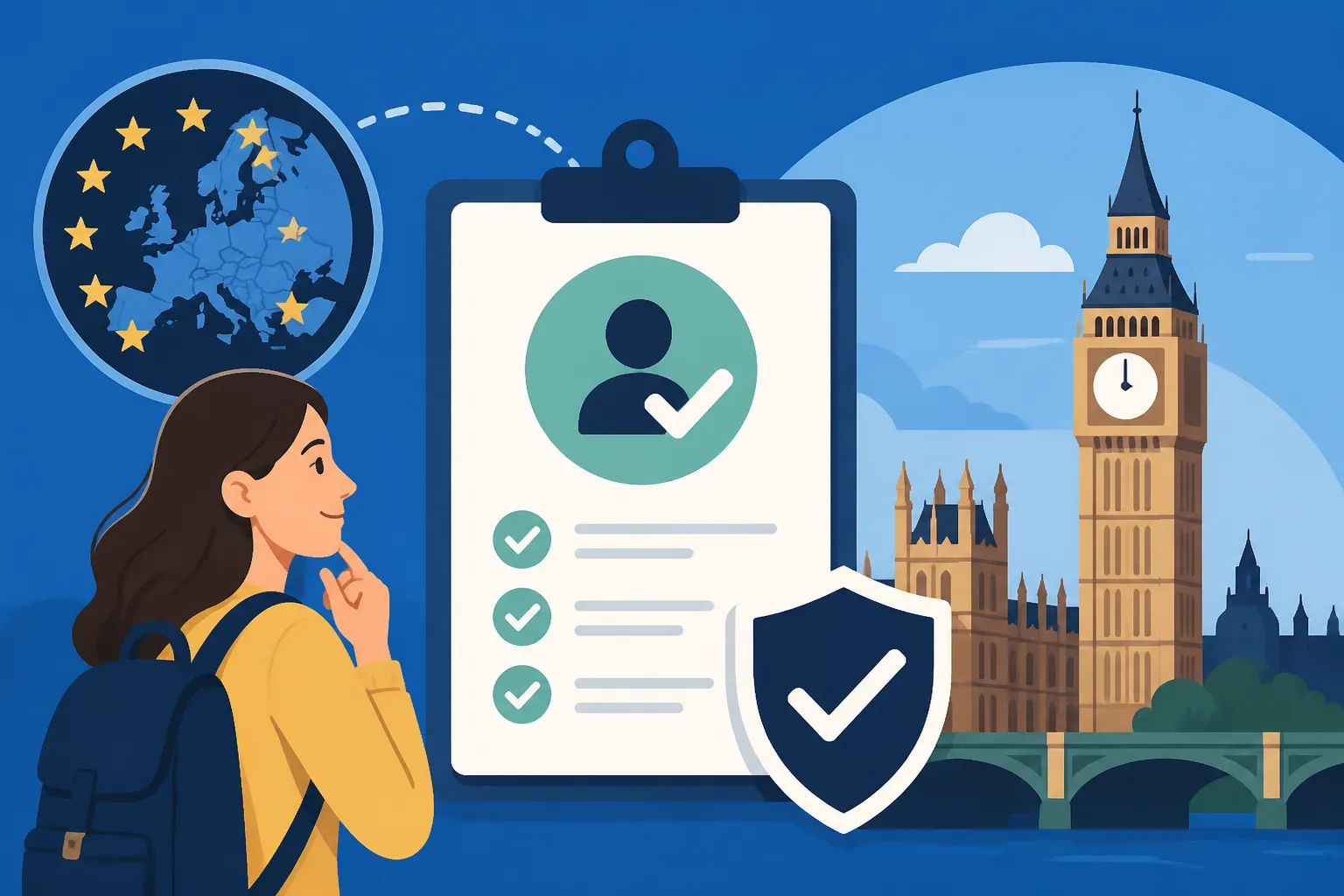
The UK government is implementing the ETA system in stages. Initially, it began with citizens from certain Gulf Cooperation Council (GCC) states in February 2024, followed by other Gulf states like Jordan. However, the plan is definitely to extend this requirement to citizens of all EU and EEA countries, as well as Switzerland, by 2026.
As of early 2026, if you are a citizen of an EU/EEA country or Switzerland, you will eventually need an ETA for short visits to the UK.
This means that if you're planning a holiday from France, a business trip from Germany, or visiting family from Italy, you'll need to check if the ETA requirement is active for your nationality before you travel. It’s a significant change for millions of people who have previously enjoyed frictionless travel. Always double-check the official UK government website closer to your travel date, as implementation timelines can sometimes shift.
Who gets a pass, then? Well, British citizens and Irish citizens are exempt due to the Common Travel Area agreement. Also, if you already hold a UK visa (such as a Skilled Worker Visa or a Student Visa for the UK), or if you have settled or pre-settled status under the EU Settlement Scheme, you do not need an ETA. Your existing visa or status already grants you the necessary permission.
Purpose of Travel and Duration of Stay
The ETA is specifically designed for short-term stays in the UK, typically for up to six months. This covers a range of common travel purposes:
- Tourism and holidays: Fancy a weekend break in London or a tour of the Scottish Highlands? An ETA will be your ticket.
- Visiting family and friends: Catching up with loved ones living across the Channel? You'll need an ETA.
- Short business trips: Attending meetings, conferences, or negotiations, but not working in the sense of being employed by a UK company.
- Study for up to six months: If you're coming for a short course or language programme that doesn't require a full student visa.
- Transit: Passing through the UK on your way to another country, even if you don't leave the airport.
It's vital to remember that an ETA is not a work visa, nor is it a long-term residency permit. If your intentions for coming to the UK go beyond these short-term visitor activities, you absolutely will need to apply for the appropriate visa. For example, if you plan to move to the UK for a job, you'll need a proper work visa. If you're looking into something more permanent, you'll need to research options like Indefinite Leave to Remain (Settlement) in the UK. Don't try to stretch the ETA; it's designed for specific, limited purposes.
The Application Process: A Step-by-Step Guide
Applying for an ETA is designed to be a relatively straightforward online process, but like anything involving government bureaucracy, it pays to be prepared and precise. Many expats pull their hair out over paperwork, so it pays to remember that details matter!
Required Documents and Information
The entire application for an ETA is done online, typically through a dedicated app or the official UK government website. You won't be mailing anything or going to an embassy for this one. Here’s what you’ll generally need to have ready:
- A valid biometric passport: This is non-negotiable. Your passport must be issued by an eligible country and have a digital chip that stores your biometric data. Make sure it's valid for the entire duration of your planned stay in the UK.
- A recent digital photograph: This needs to meet specific UK government standards, similar to passport photos. No selfies or blurry shots from your holiday!
- Personal information: This includes your full name, date of birth, nationality, contact details, and current address.
- Travel details (optional but helpful): While not always strictly required at the application stage, having your UK accommodation address (if known) and contact information for your trip can speed things up or be requested later.
- A valid email address: This is how you'll receive updates and the outcome of your application.
- A debit or credit card: For paying the application fee.
The application form will also ask you a series of questions related to your criminal history, immigration breaches, and any previous visa refusals. Honesty is absolutely the best policy here. Trying to conceal information will likely lead to a rejection and could jeopardise future UK visa applications. The UK government is serious about Understanding Health, Character and the IHS for UK Visas so be transparent.
Cost, Processing Times, and Validity
Let's talk numbers. As of my last check, the cost for a UK ETA is £10 per person. This fee is non-refundable, so ensure you meet all the criteria before applying. It's a small fee, but one that adds up if you're travelling as a family.
The good news is that processing times are usually quite swift. The UK government aims for most applications to be processed within 3 working days, and many are approved much faster, often within hours. However, they do advise applying well in advance of your travel dates, just in case there are any hiccups or if your application requires further checks. Don’t leave it until the last minute – that's just asking for stress!
Once approved, an ETA is typically valid for two years, or until your passport expires, whichever comes first. This means that if you get an ETA and your passport is due to expire in 18 months, your ETA will only be valid for those 18 months. If you renew your passport during the two-year validity period of your ETA, you will need to apply for a new ETA to link it to your new passport. This two-year validity is quite generous, allowing for multiple short visits within that period without needing to reapply each time.
Common Pitfalls and Tips for a Smooth Application
While the ETA application is designed to be user-friendly, a few common mistakes can cause unnecessary delays or even rejection. When dealing with forms, it is worth remembering that attention to detail is your best friend!
- Double-check everything: Before you hit submit, carefully review every piece of information you’ve entered. A simple typo in your passport number or name can lead to your application being rejected or issues at the border.
- Apply in advance: As mentioned, while processing is usually quick, unforeseen delays can happen. Give yourself at least a week or two buffer, especially during peak travel seasons. This helps avoid that last-minute panic.
- Ensure passport validity: Confirm your passport is valid for your entire trip. If it’s expiring soon, renew it before applying for the ETA.
- Clear photo: Make sure your digital photo meets all the specifications – clear background, no hats or glasses (unless for medical reasons), and a neutral expression. Blurry or incorrectly sized photos are a frequent cause of delays.
- Honesty is paramount: Be truthful in all your responses, particularly regarding any past issues. The UK immigration system has access to various databases, and discrepancies will be flagged.
- Keep records: Save a copy of your application reference number and the confirmation email. While the ETA is digitally linked to your passport, having these details can be helpful if you encounter any issues.
If your ETA application is rejected, don't panic. The reason for refusal should be provided, and you'll usually have the option to reapply or, if necessary, apply for a full UK visa if your circumstances warrant it. This process is generally about pre-screening, not denying legitimate travel.
Thinking about the bigger picture for planning your UK adventure, especially if it’s more than just a short holiday, services that help you move and settle can be invaluable. For instance, when it comes to shipping your belongings or sorting out logistics for a longer stay, platforms like Sirelo can simplify the process, helping you find reputable moving companies and comparing quotes. They make planning the physical move a lot smoother, which is a massive relief when you're already grappling with immigration paperwork!
Navigating Your Journey with an ETA
Okay, so you've got your shiny new ETA. What next? Understanding what to expect when you actually travel and arrive in the UK is key to a smooth, stress-free entry.
What to Expect at the UK Border
The beauty of the ETA system is that once it's approved, it's digitally linked to your passport. This means you won't get a physical sticker or document to carry around. When you check in for your flight or ferry, the airline or carrier will electronically verify that you have an approved ETA linked to your passport. If you don't, you might be denied boarding. This is why applying well in advance is so important!
Upon arrival at a UK port of entry (whether it's Heathrow, Manchester Airport, or Dover), you’ll still need to present your valid passport to a Border Force officer. While the ETA does a lot of the heavy lifting in terms of pre-screening, the Border Force officer always has the final say on whether to grant you entry into the UK. They might ask you a few questions about the purpose of your visit, how long you plan to stay, and where you'll be residing. This is standard procedure, even for those with an ETA. Just answer truthfully and confidently.
- Be prepared to state your purpose of visit: "Holiday," "visiting family," or "business meeting" are typical responses.
- Know your accommodation details: Have the address of where you'll be staying handy.
- Proof of onward travel: Sometimes, they might ask for proof of your return ticket or onward journey.
- Funds: Be prepared to show you have sufficient funds to support yourself during your stay without working.
Remember, an ETA is not a guarantee of entry. It's permission to travel to the UK, not to enter it. This distinction is important, although legitimate travellers with an approved ETA rarely face issues at the border unless there are other red flags.
Planning Your Trip Beyond the ETA
An ETA simplifies entry for short visits, but a truly smooth trip involves more than just getting permission to cross the border. From sorting out travel insurance to understanding local transport, a bit of forward planning goes a long way, especially for us expats who know the UK can sometimes throw a curveball or two.
For any trip abroad, especially one where you're leaving the comprehensive healthcare systems of Europe, reliable travel insurance is an absolute must. While the NHS provides emergency care, it's not always free for visitors, and non-emergency treatment can be very expensive. This is where a trusted provider like Cigna Global comes in. They offer international health insurance plans that can cover everything from medical emergencies to routine doctor visits, giving you peace of mind whether you're here for a holiday or exploring longer-term options. Understanding Health Insurance in the UK: Private Cover and Options Explained is always a good idea.
Beyond insurance, consider your logistics:
- Accommodation: Book your accommodation in advance, especially during peak season. Whether it's a hotel, B&B, or staying with friends, having a confirmed address helps.
- Transport: Familiarise yourself with public transport options. If you're staying in a major city like London, an Oyster card or contactless payment will be your best friend. For longer journeys across the country, check National Rail or coach services. If you’re considering Driving in the UK: Licences, Registration and Rules for Expats (2027), remember that you might need to exchange your foreign license, depending on where it was issued.
- Budget: The UK can be pricey, particularly in cities. Have a clear idea of The Complete Guide to Cost of Living in the UK for Expats (2026) and how you'll manage your expenses. This also includes setting up a temporary UK bank account if your stay is longer than a few weeks. The good news is there are options for Opening a Bank Account in the UK as a Newcomer without much hassle.
| Feature | UK ETA (Electronic Travel Authorisation) | UK Visa (e.g., Standard Visitor Visa) |
|---|---|---|
| Purpose | Short-term tourism, business, study (under 6 months), transit | Longer stays, work, study (over 6 months), settlement |
| Application Method | Online via app/website | Online, possibly followed by biometric appointment |
| Cost (approx.) | £10 | Varies greatly, often £100s or £1000s |
| Processing Time | Typically 3 working days (often faster) | Weeks to months |
| Validity | 2 years or until passport expires (whichever is sooner) | Varies by visa type, usually specific to purpose |
| Entry Guarantee | Authorisation to travel to the UK; final decision at border | High likelihood of entry if visa granted |
| Right to Work/Study | No, for short visits only | Yes, according to visa conditions |
Essential Considerations for European Expats and Long-Term Visitors
If your aspirations stretch beyond a short holiday, understanding the ETA's limitations and the broader UK immigration framework is absolutely critical. Many expats initially come for a short stint and then fall in love with the place – it happens! – but the rules for longer stays are very different.
Distinguishing ETA from UK Visas
Let's reiterate this because it's a common point of confusion: the ETA is strictly for short visits. It does not allow you to work, settle, or access public funds in the UK. If you have any intention of doing more than simply visiting for up to six months, you need a specific UK visa.
For instance, if you're eyeing a job opportunity, you'll likely need to secure a Skilled Worker Visa in the UK. If you're planning to pursue higher education, then a Student Visa (Route) for the UK is your path. And if you're thinking of moving with your family, then Family and Partner Visas in the UK: Bringing Your Loved Ones (2027) will be high on your research list. These visas have much more stringent requirements, often involve higher fees, and take significantly longer to process than an ETA. The Home Office website has a comprehensive tool to help you figure out if you need a visa, and what type. I strongly recommend using it, because getting it wrong can cause major headaches. For a deeper dive into the overall system, check out The Complete Guide to UK Visas and Immigration for Expats (2027).
Remember, trying to use an ETA to gain entry with the undeclared intention of working or settling is a serious breach of immigration rules and could lead to refusal of entry and difficulties with future UK applications. Be upfront about your intentions from the start.
Travel Insurance and Healthcare Access
We cannot stress the importance of adequate travel and health insurance enough. While the UK has the National Health Service (NHS), access to free NHS care for visitors is generally limited to emergency treatment. If you require non-emergency medical attention, or if your condition is deemed pre-existing, you could face hefty medical bills.
Many European visitors might be used to their EHIC (European Health Insurance Card) covering them within the EU. However, since Brexit, the EHIC (or its replacement, the GHIC) only provides limited reciprocal healthcare in the UK for EU citizens, primarily for medically necessary treatment that cannot reasonably wait until you return home. It's not a substitute for comprehensive travel insurance.
For absolute peace of mind, especially if you're coming from Europe, obtaining a robust travel insurance policy that includes medical cover is non-negotiable. Providers like Cigna Global offer tailored international health insurance plans that can be invaluable, covering everything from doctor's visits and hospital stays to repatriation if things go seriously wrong. Don't risk a medical emergency turning into a financial catastrophe. It's truly a small investment for massive reassurance. You can learn more about Understanding Who Is Eligible for Free NHS Care in the UK to better gauge your situation.
For those planning to move or stay longer, this advice is even more critical. Getting your head around The Complete Guide to Healthcare in the UK for Expats (2027) and what it truly means for you and your family is one of the biggest hurdles.
Disclaimer
Please note that immigration rules and policies for the UK are subject to change. While every effort has been made to provide accurate and up-to-date information, this guide is for informational purposes only and does not constitute legal advice. Always refer to the official UK government website (GOV.UK) or consult with a qualified immigration professional for the most current and personalised guidance regarding your specific situation.