How Specialist and Consultant Referrals Work in the NHS
One of the most jarring experiences for any expat moving to the UK is realizing that you cannot simply call up a cardiologist or a dermatologist and book an appointment. In many countries, direct access to specialist care is the norm, provided you have the funds or the right insurance. In the UK, however, the National Health Service (NHS) operates on a strict "gatekeeper" model. This guide explains exactly how to navigate the referral system, from your first GP visit to seeing a consultant, ensuring you don't get lost in the administrative maze.
The GP as the Gatekeeper: Understanding the Primary Care Filter
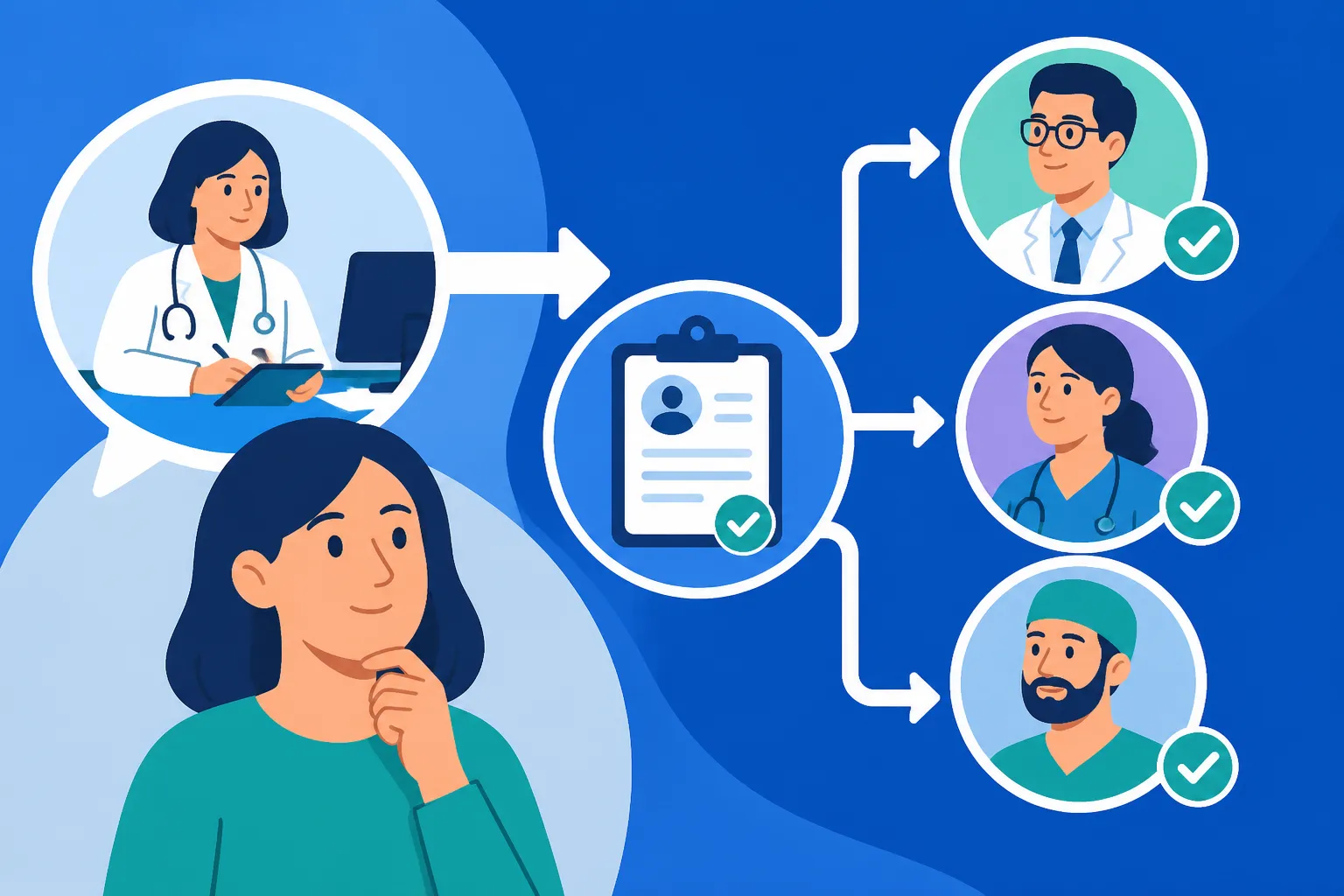
When you first arrive in the UK, your primary point of contact for anything health-related—unless it is a life-threatening emergency—is your General Practitioner (GP). For those of us who grew up in systems where you could self-refer to a specialist, this can feel like a bureaucratic wall designed to keep you away from the care you actually need. However, understanding the GP's role is the first step to successfully navigating the system. The GP is responsible for managing your overall health and deciding whether a specialist's expertise is clinically necessary.
Why You Cannot Just Book a Specialist
The NHS is a taxpayer-funded system designed to be free at the point of use, which means it has to manage demand carefully. If everyone could book a specialist for every minor ailment, the system would collapse under the weight of the appointments. Therefore, the GP acts as a filter. They are trained to handle a vast range of conditions that, in other countries, might be sent straight to a specialist. For example, a UK GP will often manage chronic hypertension or mild eczema themselves for months before even considering a referral.
This can be incredibly frustrating when you know exactly what is wrong or if you have had a specific specialist back home for years. You might feel like you are wasting time explaining your history to a generalist. But in the eyes of the NHS, the GP is the coordinator of your care. They hold your medical records and ensure that any specialist intervention is integrated into your broader health plan. To get started, you must first ensure you are properly Registering with a GP in the UK: The Complete Expat Guide (2027).
Making the Most of Your 10-Minute Appointment
The standard NHS GP appointment is notoriously short—usually just 10 minutes. If you are hoping for a referral, you need to be highly strategic. Many expats make the mistake of being too vague or waiting for the doctor to suggest a specialist. You need to come prepared with a clear history of your symptoms, what treatments you have already tried, and why you believe primary care is no longer sufficient.
If you have previous medical records from your home country, bring them, but don’t expect the GP to read a 50-page dossier on the spot. Instead, have a one-page summary of your diagnosis and previous specialist involvement. Be firm but polite. If you feel your condition is deteriorating, emphasize the impact on your daily life and your ability to work. This "functional impact" is often the trigger a GP needs to justify a referral to the local health board. It also helps if you have already done your research on How to Find and Register with a Local GP Surgery in the UK to ensure you are seeing a doctor who understands your needs.
What Qualifies for a Referral
A GP will generally only refer you if they have exhausted the "primary care" options. This might involve a round of blood tests, a trial of a specific medication, or a period of "watchful waiting." It is rare to get a referral on your very first visit for a new, non-urgent issue. Clinical necessity is the gold standard here. If the GP can treat you, they will.
There are also regional variations. The NHS is divided into different Integrated Care Boards (ICBs), and each has its own budget and criteria for what they will fund. For instance, getting a referral for a minor "cosmetic" issue like a benign skin cyst might be nearly impossible in one part of London but slightly easier in a rural county. Understanding these nuances is part of the long-term expat journey. If you are just passing through or are in the middle of a move, having flexible coverage like SafetyWing can provide a safety net while you wait for these local NHS wheels to turn.
Types of Referrals in the NHS
Once a GP agrees that you need specialist input, the referral is not a "one size fits all" process. Depending on the severity and nature of your symptoms, you will be placed on a specific "pathway." Understanding which pathway you are on will help you manage your expectations regarding waiting times, which can range from days to years.
Routine Referrals vs. Urgent Referrals
A routine referral is for conditions that are not life-threatening but require specialist diagnostic tools or treatment plans. This could be anything from chronic back pain needing an orthopedic consultant to persistent digestive issues. The target waiting time for routine referrals is 18 weeks from the time the hospital receives the GP's letter, but in reality, many people wait much longer. You can learn more about this in our guide on How Long Are NHS Waiting Lists in the UK?.
An urgent referral is different. This is used when the GP believes your condition needs to be assessed quickly to prevent serious harm, but it isn't an immediate emergency. For example, if you have sudden neurological symptoms or severe inflammatory markers in your blood, you might be marked as urgent. This usually moves you toward the front of the queue, though "urgent" in the NHS can still mean waiting several weeks depending on the specialty.
The Two-Week Wait Cancer Pathway
If a GP suspects cancer, they will put you on what is known as the "Two-Week Wait" (2WW) pathway. This is a robust and highly prioritized system. The goal is for you to be seen by a specialist or undergo diagnostic testing within 14 days of the GP making the referral. It is important to remember that being put on this pathway does not mean you have cancer; it means the GP wants to rule it out as quickly as possible.
Expats are often terrified when they hear they are on a 14-day pathway, but it is actually the most efficient part of the NHS. If you are on this route, the hospital will usually call you within a few days to book an appointment. It is vital that you are available to take this call and attend the appointment, as missing a 2WW slot can lead to your referral being downgraded or sent back to the GP. For those concerned about eligibility during this process, it is worth Understanding the Immigration Health Surcharge (IHS) and NHS Access (2027) to ensure your status is clear.
Choice of Hospital and the e-Referral Service
A little-known fact for many newcomers is that you have a legal right to choose which hospital you are referred to, provided it is an NHS hospital that offers the service you need. This is managed through the NHS e-Referral Service (e-RS). When the GP makes the referral, they may give you a printout with a "Booking Reference Number" and a password.
You can then log in online and see the waiting times for various hospitals in your region or even across the country. If the hospital down the road has a 12-month wait for rheumatology, but a hospital two towns over only has a 4-month wait, you can choose the latter. This level of autonomy is rare in the NHS, and savvy expats use it to skip some of the longest queues. However, remember that you will be responsible for the travel costs to that distant hospital.
Navigating Waiting Times and Administrative Hurdles
The biggest challenge in the NHS specialist system is the wait. The "hidden" part of the referral process is the administrative journey your file takes from the GP's computer to the consultant's desk. Often, a referral can "go missing" or get stuck in a "pending" queue, and as an expat, you must be your own advocate.
The Reality of NHS Waiting Lists
The NHS continues to face significant backlogs. While the official target is for 92% of patients to start treatment within 18 weeks, many specialties like ADHD assessments, gender identity services, and routine hip or knee replacements have waits that stretch into years. This is where the emotional toll on expats is highest. If you are used to a "pay and see" system, being told you have to wait 14 months for a non-urgent surgery can be a shock.
In these instances, many people look for alternatives. If you are a digital nomad or a frequent traveler, products like SafetyWing can be useful for managing health needs while you are outside the UK, especially if the NHS wait is simply too long for your lifestyle. For those staying put, it is essential to understand Is the NHS or Private Healthcare Better for Expats in the UK? before deciding whether to wait it out or seek private treatment.
Tracking Your Referral via the NHS App
The best tool at your disposal is the NHS App (not to be confused with the NHS COVID-19 app). Once you have your NHS number, you can link the app to your GP records. Many hospitals now integrate their outpatient booking systems with the app. You can often see that your referral has been "received," "triaged," or "waitlisted."
If several weeks pass and you see no update in the app, you should call the hospital’s "Central Booking Office" or the specific department’s "Referral Coordinator." Do not call the GP to ask about the wait; once they send the letter, it is out of their hands. The hospital is the only entity that can tell you where you are on the list. If you are unsure of your status or how to contact services, Understanding NHS 111 and When to Use It in the UK can be a good starting point for general advice.
What to Do While You Wait
Waiting for a specialist doesn't mean you have to suffer without any support. Your GP is still responsible for managing your symptoms in the interim. If your condition gets worse while you are on the waiting list, you must go back to your GP. They can send an "expedite letter" to the consultant.
An expedite letter doesn't guarantee you will be seen sooner, but it forces the consultant to re-triage your case. If the new information shows a significant clinical decline, they may move you up the list. Additionally, use this time to gather any more information or private scans you might have. If you are traveling during this waiting period, ensure you have adequate cover from a provider like SafetyWing to handle any acute flare-ups that might happen while you are away from your home GP.
The Role of Private Insurance and SafetyWing
Because of the long waits, a significant number of expats in the UK opt for a "hybrid" approach to healthcare. They use the NHS for emergencies and routine GP care but go private for specialist consultations and surgeries.
When to Bypass the NHS System
The primary reason to bypass the NHS is speed. A private consultant can usually see you within a week, whereas the NHS might take four months. If you have a condition that is preventing you from working or severely impacting your quality of life, the cost of a private consultation (usually £200–£500) might be a worthwhile investment.
However, even in the private sector, most consultants prefer (or their insurance requires) a referral letter from a GP. This is known as a "private referral." You still see your NHS GP, but you ask them to write a letter to a specific private consultant or hospital instead of putting you on the NHS waiting list. The GP cannot refuse to write this letter, though they may charge a small administrative fee for it. You can explore How to Use Private Hospitals Like Bupa, Spire and Nuffield in the UK for more details on this route.
How Private Referrals Differ
In the private system, you are the customer. Once you have your referral letter, you call the private hospital, give them your insurance details or offer to "self-pay," and book a time that suits you. The consultant will spend more time with you—often 30 to 60 minutes—and you will usually have diagnostic tests like MRIs or blood works done the same day or within 48 hours.
The catch is that if the private specialist recommends a long-term, expensive medication, your NHS GP might not be able to prescribe it for you on an NHS prescription. This is a common pitfall. You might have to pay the full private cost of the drugs, which can be hundreds of pounds a month. Always ask your GP if they would be willing to enter into a "shared care agreement" before you start private treatment for chronic conditions.
Bridging the Gap for Digital Nomads and Expats
For many expats, the transition period of moving to the UK is the most vulnerable time. You might not have your NHS number yet, or you might be spending half your time in the UK and half abroad. This is where SafetyWing shines. It provides the kind of flexibility that traditional UK private health insurance often lacks, covering you as you move between borders.
SafetyWing is particularly useful for those who find themselves caught between systems. If you are waiting for an NHS referral but need to travel, or if you simply want the peace of mind that you can access care quickly without the "gatekeeper" hassle while abroad, it’s a logical choice. It complements the NHS by filling the gaps that a stationary, residency-based system naturally has.
| Feature | NHS Referral | Private Referral (Insurance/Self-Pay) |
|---|---|---|
| Cost | Free at point of use (covered by IHS/Taxes) | High (£200 – £500+ per consult) |
| Wait Time | 18 weeks to 18+ months | 1 – 2 weeks |
| Choice | Legal right to choose NHS hospitals | Full choice of any private consultant |
| GP Involvement | Mandatory Gatekeeper | Usually required for insurance/records |
| Prescriptions | Standard NHS prescription charge | Full market price of medication |
| Follow-up | Based on clinical priority | Based on your preference and schedule |
Specialist Care Scenarios: What to Expect
When you finally get to the front of the queue and your appointment date arrives, the experience can vary depending on whether you are at a large teaching hospital or a smaller local clinic.
The First Consultant Appointment
Your first appointment with a consultant is usually for assessment and diagnosis. In the NHS, you might not actually see the "Lead Consultant" whose name was on the letter; you might see a "Registrar" (a senior doctor specializing in that field) or a "Specialist Nurse." Don't be offended by this—the consultant oversees the whole team and reviews the notes.
The doctor will take a detailed history and perform a physical exam. At this stage, they are deciding whether you need further tests or if you can be discharged back to the GP with a management plan. It is very common to leave the first appointment with a "request form" for more tests rather than a final answer. If you are navigating this as a newcomer, it helps to know How to Access Specialist Care Through the NHS in the UK so you understand the hierarchy of the medical team.
Diagnostic Tests and Follow-ups
If you need scans or biopsies, these are often booked for a separate date. In some hospitals, you can wait weeks just for the scan and then another few weeks for the "follow-up" appointment to discuss the results. This "stop-start" nature of the NHS is what most expats find difficult to handle.
If you are in a hurry, some people choose to pay for their diagnostic tests privately to speed things up. For example, if the NHS wait for a scan is too long, you might ask How Much Does an MRI Scan Cost Privately in the UK? and decide to pay for it yourself. You can then take the results of that private scan back to your NHS consultant to keep your treatment on the free NHS pathway.
Moving Back to Primary Care
Once the specialist has diagnosed you and stabilized your treatment, they will "discharge" you back to your GP. This doesn't mean you are cured; it means your care is now "routine" enough for the GP to handle. The consultant will send a detailed letter to the GP explaining the diagnosis and the required medications.
From that point on, your GP handles your repeat prescriptions and routine check-ups. If your condition flares up again later, you usually have to start the referral process all over again unless the consultant gave you an "open appointment" for a set period (usually 6 to 12 months). This return to primary care is a sign that the system has worked as intended, even if the journey there felt like an uphill battle.
Disclaimer
This guide is intended for informational purposes only and does not constitute medical or legal advice. Healthcare regulations and NHS policies in the UK are subject to frequent changes. Always consult with a qualified medical professional or official NHS representatives regarding your specific health concerns and eligibility for care. Waiting times and service availability vary significantly by region and clinical necessity.