How Do I Find an Optician or Eye Specialist in the UK?
Navigating healthcare in a new country is always a challenge, and when it comes to something as crucial as your eyesight, the anxiety can really ramp up. You might be wondering, "Do I go to a doctor for my eyes, or somewhere else entirely?" "What if I don't speak the language perfectly, or don't understand the system?" Believe me, many of us expats have been there, squinting at the endless options, feeling a bit lost. This guide is here to help you cut through the confusion and confidently find the right optician or eye specialist for your needs in the UK.
Understanding Eye Care in the UK: NHS vs. Private Options
When you first arrive in the UK, one of the biggest healthcare puzzles is figuring out what falls under the National Health Service (NHS) and what requires a private pocketbook. Eye care is no different, presenting a mix of publicly funded and privately paid-for services. Understanding this distinction is your first step towards clear vision in your new home. It’s not always straightforward, but once you get the hang of it, you'll feel much more in control.
The Role of NHS Opticians: Eye Tests and Basic Care
The NHS primarily covers routine eye examinations for certain eligible groups and provides subsidies for glasses or contact lenses for those who qualify. This isn't quite the same as popping to your GP for every ache and pain; eye care often starts with an optician. An optician in the UK is a qualified healthcare professional who can perform eye tests, detect eye problems, prescribe and dispense glasses and contact lenses, and refer you to a specialist if needed. They are your frontline for eye health.
For instance, if you're a new arrival and just need a routine check-up because your vision seems a bit blurry, your first port of call will be an optician, not your GP. Many high-street opticians like Specsavers, Boots Opticians, and Vision Express offer NHS-funded sight tests if you meet the eligibility criteria. These criteria usually include being under 16, over 60, receiving certain benefits, or having specific medical conditions like diabetes or glaucoma. For those who aren't eligible, an NHS optician can still conduct the test, but you'll pay the private fee for it. This initial step is vital for catching common issues early, and it's generally a smooth process once you find a practice. For a broader view on how the public healthcare system works, you might find our guide on How the NHS Works: Public Healthcare in the UK Explained (2027)(How the NHS Works: Public Healthcare in the UK Explained (2026)) helpful.
When to Consider Private Opticians and Eye Clinics
While the NHS is fantastic for foundational care, there are definite advantages to opting for private eye care, especially if you don't qualify for free NHS tests or are looking for something more. Private opticians often provide a more immediate appointment schedule, which can be a huge relief if you're dealing with discomfort or simply don't want to wait. You might also find that private practices invest in the latest diagnostic technology, offering more comprehensive scans and detailed assessments beyond a standard sight test.
Beyond just the speed and tech, private clinics can offer a wider selection of frames, lenses, and contact lens options that might not be available through NHS vouchers. Think designer frames, specialised coatings, or advanced contact lenses for complex prescriptions. The experience can feel more personalised, with more time allocated to your appointment and dedicated staff to guide you through choices. While it comes at a cost, many find the investment worthwhile for the convenience and expanded choices, especially if they have specific needs or a busy schedule. Understanding the wider differences between public and private healthcare can really help inform your decisions, so do take a look at our comparison of NHS vs Private Healthcare in the UK: Which Should Expats Choose?.
Referral Pathways: From Optician to Specialist
It's crucial to understand that if an optician identifies a more serious eye condition – something beyond just needing glasses – they will refer you to an eye specialist, known as an ophthalmologist. An ophthalmologist is a medically trained doctor specialising in eye and vision care who can diagnose and treat eye diseases, perform eye surgery, and prescribe glasses and contact lenses. They usually work in hospital eye departments.
This referral process can go one of two ways: through the NHS or privately. If referred via the NHS, you'll typically be placed on a waiting list for an appointment at a hospital eye clinic. Waiting times can vary significantly depending on the urgency of your condition and the local demand – it could be weeks or even months for non-urgent cases. For many expats, especially those used to immediate specialist access, this can be a source of real frustration. However, if the optician deems your condition urgent, they can make an emergency referral, which prioritises your appointment. Alternatively, you can ask for a private referral, which would bypass NHS waiting lists, but you would, of course, bear the full cost of the private consultation and any subsequent treatments. This is often the route people take if they have private health insurance or are prepared to pay out of pocket for quicker access. For more detail on accessing specialist care, you might want to check out How to Access Specialist Care Through the NHS in the UK.
How to Find an Optician (General Eye Care)
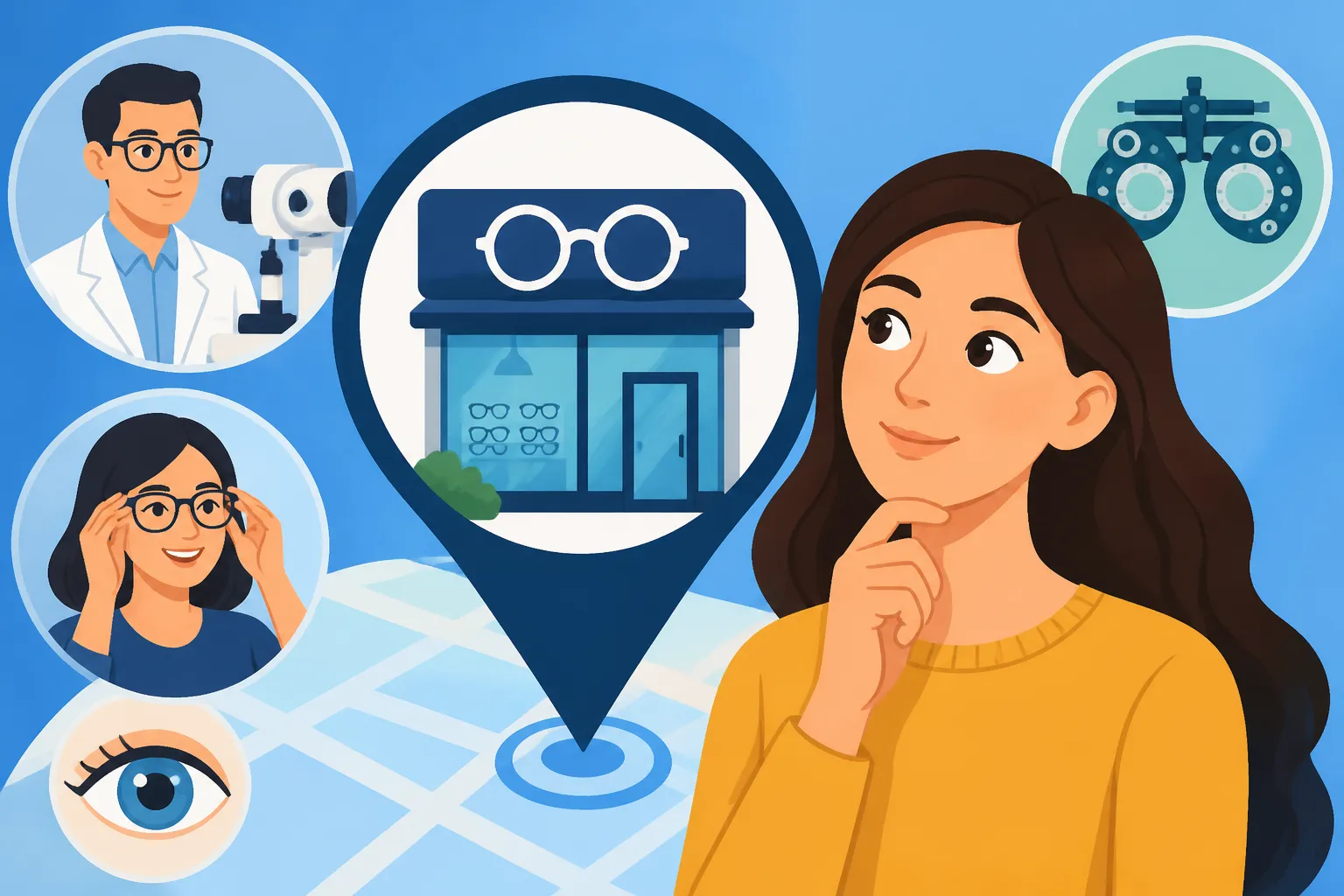
Finding a reliable optician in the UK is a reasonably straightforward process, whether you're looking for an NHS-registered practice or a private one. The key is knowing where to look and what factors to consider to ensure you get the best care for your eyes. As an expat, this usually starts with a bit of online research and some local reconnaissance.
Locating NHS-Registered Opticians Near You
The most reliable way to find an NHS-registered optician is by using the official NHS website. Their "Find a service" tool allows you to search for opticians by postcode, providing a list of practices in your area, their services, and often whether they are accepting new NHS patients. It’s a good starting point, particularly if you're trying to keep costs down and qualify for NHS-funded tests. You can filter by distance, which is incredibly handy when you're just getting settled in a new neighbourhood.
Beyond the official channels, don't underestimate the power of local word-of-mouth. Asking in expat forums, local community groups (often found on Facebook), or even just chatting with your new neighbours can yield excellent recommendations. Many high-street chains like Specsavers, Boots Opticians, and Vision Express have branches across the UK and are well-known for offering both NHS and private services. When you call to book, always confirm if they offer NHS sight tests and if you meet the eligibility criteria to ensure you’re not caught off guard by a private fee. This is also a good time to ask about available appointments and what documents you might need.
Choosing a Private Optician: What to Look For
When you're choosing a private optician, you have a bit more freedom and choice, but it also means you need to be more discerning. Reputation is a huge factor – look for online reviews on Google, Trustpilot, or local directories. Do they have consistently positive feedback regarding their service, professionalism, and the quality of their products? A good private optician often has a clean, modern clinic with up-to-date equipment.
Consider the range of services they offer. Some private opticians specialise in certain areas, such as contact lens fitting, dry eye clinics, or advanced diagnostic imaging like OCT scans, which can detect eye conditions much earlier. While many opticians can simply process your prescription, a high-quality private practice will take the time to discuss your lifestyle and visual needs to recommend the best lenses and frames for you. Don’t hesitate to call a few places, compare pricing for standard eye tests, and ask about their frame collections and lens options. It's an investment in your vision, so you want to feel comfortable and confident with your choice.
What to Expect During an Eye Test
Whether you go NHS or private, a comprehensive eye test in the UK typically follows a similar pattern, designed to assess both your vision and overall eye health. The optician will begin by asking about your medical history, any current symptoms, and your family's eye health history – so be prepared with this information. They'll perform a series of tests, which usually include:
- Visual Acuity Test: You'll read letters on a chart (Snellen chart) to check how clearly you see at various distances.
- Refraction Test: Using different lenses, the optician will determine your exact prescription for glasses or contact lenses. This is often done with a 'phoropter' where they ask "Which is better, one or two?"
- Pupil Dilation (sometimes): Eye drops may be used to dilate your pupils, allowing the optician a better view of the back of your eye. This can make your vision blurry and sensitive to light for a few hours.
- Ocular Motility Test: This checks how well your eye muscles move.
- Perimetry (Visual Field Test): To check your peripheral vision, often using flashing lights.
- Intraocular Pressure Test: A puff of air (non-contact tonometry) or a gentle probe is used to measure the pressure inside your eyes, which is crucial for detecting glaucoma.
- Fundus Examination: The optician will look at the retina, optic nerve, and blood vessels at the back of your eye using a special light and magnifying lens. This can reveal signs of conditions like diabetes, high blood pressure, and glaucoma.
At the end of the test, the optician will explain their findings, discuss any prescriptions, and advise on your eye health. If they detect anything unusual, they will discuss referral options. It's important to ask any questions you have during this time – don't be shy!
Accessing Specialist Eye Care (Ophthalmologists and Hospitals)
For anything beyond routine eye tests and basic prescriptions, you'll likely need to see an eye specialist – an ophthalmologist. This move from an optician to a specialist marks a shift into more complex medical diagnosis and treatment, often involving hospital departments or specialised clinics.
Referral Process to an Ophthalmologist
As mentioned, the primary route to seeing an NHS ophthalmologist is via a referral from your GP or optician. They act as gatekeepers, ensuring that specialist appointments are reserved for those who truly need them. If your optician detects a condition that requires further medical investigation or treatment, they will write a referral letter detailing their findings. You or your GP will then send this to the local NHS eye clinic or hospital.
The waiting times for an NHS ophthalmologist appointment can be lengthy, especially for non-urgent conditions. It's not uncommon to hear stories of people waiting several months, which can be incredibly disheartening when you're worried about your vision. This is a common frustration with How Long Are NHS Waiting Lists in the UK?. However, for acute or rapidly worsening conditions, the referral will be marked as urgent, and you should be seen much faster, often within days or weeks. If you have been seeing a GP for other issues, they are also able to refer you. If you haven't yet registered with one, our guide on Registering with a GP in the UK: The Complete Expat Guide (2027)(Registering with a GP in the UK: The Complete Expat Guide (2026)) can help. Keep in mind that a good GP or optician will keep you informed about the expected wait times and what steps to take if your condition changes while you're waiting.
Private Ophthalmology Services
If the thought of long NHS waiting lists is a non-starter for you, or if you prefer a more tailored experience, private ophthalmology services are readily available across the UK. You can request a private referral directly from your optician or even approach a private eye clinic yourself, though a referral often streamlines the process. Private clinics tend to have much shorter waiting times, sometimes even offering next-day appointments, which provides immense peace of mind.
Major private hospital groups like Spire Healthcare, Nuffield Health, and Bupa Cromwell Hospital in London, as well as specialist eye hospitals like Moorfields Private, offer a full range of ophthalmology services, from advanced diagnostics to surgical procedures for conditions like cataracts, glaucoma, and retinal disorders. These private facilities often boast state-of-the-art equipment and offer a more comfortable, hotel-like environment. However, this convenience and premium service come with a significant price tag. Initial consultations can cost hundreds of pounds, and surgical procedures can run into thousands. If you have private health insurance, it might cover some or all of these costs, but it's essential to check your policy details thoroughly before proceeding. You can learn more about private hospitals in our guide to How to Use Private Hospitals Like Bupa, Spire and Nuffield in the UK.
Emergency Eye Care
Knowing what to do in an eye emergency is crucial, as acting quickly can sometimes save your sight. For any sudden, severe eye pain, sudden loss of vision, chemical splashes, or objects lodged in your eye, you should seek immediate medical attention. Do not try to remove objects from your eye yourself.
Here's how to navigate emergency eye care:
- NHS 111: For urgent, but not life-threatening, eye issues, call 111. This free NHS service can provide advice, direct you to the most appropriate local service (like an urgent eye clinic or an out-of-hours GP), or arrange an ambulance if necessary. They are available 24/7.
- Accident and Emergency (A&E): For severe emergencies (sudden blindness, severe trauma, chemical burns), head straight to your nearest A&E department at a hospital. Major hospitals, especially those with specialist eye departments, are equipped to handle these critical cases.
- Urgent Eye Care Centres: Some areas have dedicated urgent eye care centres or walk-in clinics that can handle acute but non-life-threatening eye problems. These are often linked to larger opticians or hospital trusts and can be a faster alternative to A&E for less severe emergencies. Your optician or 111 can guide you to these.
Remember, if you're ever in doubt, it's always better to err on the side of caution and seek professional medical advice. For general emergency advice, check out Emergency Medical Care in the UK: What Every Expat Needs to Know or for specific use cases, refer to Understanding NHS 111 and When to Use It in the UK.
Costs and Coverage: Making Sense of the Bills
Understanding the financial side of eye care in the UK can feel like another blurry patch, but it's essential to clarify. Costs vary wildly depending on whether you're using NHS services, going private, and what kind of insurance you have.
NHS Eye Test Eligibility and Charges
As mentioned earlier, not everyone is entitled to a free NHS eye test. The eligibility criteria are specific and typically include:
- Aged under 16
- Aged 16, 17 or 18 and in full-time education
- Aged 60 or over
- Diagnosed with diabetes or glaucoma
- Aged 40 or over and your mother, father, sibling or child has been diagnosed with glaucoma
- Advised by an ophthalmologist that you're at risk of glaucoma
- Registered blind or partially sighted
- A prisoner on leave from prison
- Eligible for an NHS complex lens voucher
- Receiving certain benefits (Income Support, Income-based Jobseeker's Allowance, Pension Credit Guarantee Credit, or Universal Credit and meet specific earnings thresholds).
If you don't fall into these categories, a private eye test at an NHS-registered optician will typically cost between £20 and £35, though this can vary. For those eligible, the NHS also provides optical vouchers to help with the cost of glasses or contact lenses, with the value depending on your prescription strength and personal circumstances. It’s always worth checking your eligibility before booking an appointment. Our guide on Understanding Who Is Eligible for Free NHS Care in the UK delves deeper into this.
Private Eye Care Costs
Private eye care offers a broader range of options but, predictably, comes with higher costs. Here’s a general idea of what you might expect:
| Service | Estimated Private Cost (GBP) | Notes |
|---|---|---|
| Routine Private Eye Test | £30 – £80 | Includes comprehensive assessment, often with more advanced scans (e.g., OCT). |
| Basic Single Vision Lenses | £50 – £150 | Varies significantly based on quality, anti-glare coatings, thinning, etc. |
| Basic Frames | £30 – £100+ | Huge variation depending on brand, material, and style. Designer frames can be £300+. |
| Progressive/Varifocal Lenses | £150 – £500+ | More complex, high-tech lenses for multiple vision distances. |
| Contact Lens Fitting & Supply | £50 – £100 (fitting) + £20-£50/month (lenses) | Initial consultation for fitting, then ongoing cost for lens supply, often through subscription. |
| Private Ophthalmologist Consultation | £150 – £350+ | Initial appointment with a specialist. Further tests or follow-ups will incur additional charges. |
| Laser Eye Surgery (per eye) | £1,500 – £3,000+ | Highly variable, depends on procedure (LASIK, PRK, etc.) and clinic. |
Note: These are estimated costs and can vary significantly by location, specific optician/clinic, and the complexity of your needs.
It’s always wise to get a detailed quote before committing to any private service or purchase. Don't be afraid to shop around and compare prices from different providers, especially for glasses or contact lenses. For a general overview of all healthcare costs, our The Cost of Healthcare in the UK: A Complete Breakdown for Foreigners (2026)(The Cost of Healthcare in the UK: A Complete Breakdown for Foreigners (2026)) might be useful.
Health Insurance for Eye Care
For many expats, the question of health insurance is paramount, particularly when facing potentially high private costs. While the NHS provides excellent core services, private health insurance can bridge the gap for quicker access to specialists, broader treatment options, and cover for procedures not routinely available on the NHS. Standard private health insurance policies in the UK often include some level of optical cover, but it’s rarely comprehensive. This usually means a contribution towards eye tests, or a set allowance for glasses or contact lenses, rather than full coverage for everything.
For more extensive specialist treatment, such as cataract surgery or complex ophthalmology, private health insurance can be invaluable, covering the bulk of the costs once you’ve paid any excess. However, it’s crucial to scrutinise the policy details, paying close attention to:
- Optical Benefits: What exactly is covered for routine eye care (tests, glasses, lenses)? Is there an annual limit?
- Outpatient Consultations: Does it cover private consultations with an ophthalmologist?
- Pre-existing Conditions: Will it cover any eye conditions you had before taking out the policy? This is a common exclusion.
- Waiting Periods: Some policies have waiting periods before you can claim certain benefits.
If you’re a new arrival or a digital nomad, initial travel insurance or expat insurance providers like SafetyWing might offer coverage for emergency medical treatment, which could include acute eye injuries or infections while in the UK. This is particularly useful for short-term stays or during the initial phase of settling in before you establish a more permanent private health insurance plan. However, for routine eye tests or the cost of glasses, these policies typically won't provide cover. It’s always best to contact your insurer directly to understand what is and isn't included for eye care specifically. Choosing the right private health insurance can be a maze, so check out Health Insurance in the UK: Private Cover and Options Explained and even How Much Does Private Health Insurance Cost in the UK in 2026? to help you decide.
Remember, clear vision is fundamental to a good quality of life, so don't put off getting your eyes checked. While the system might seem a little daunting at first, there are plenty of excellent professionals ready to help you see the world clearly here in the UK.
Disclaimer
The information provided in this guide is for general informational purposes only and does not constitute medical or legal advice. Healthcare policies, eligibility criteria, and costs in the UK can change. Always consult with a qualified healthcare professional or relevant government body for the most accurate and up-to-date information regarding your specific circumstances.