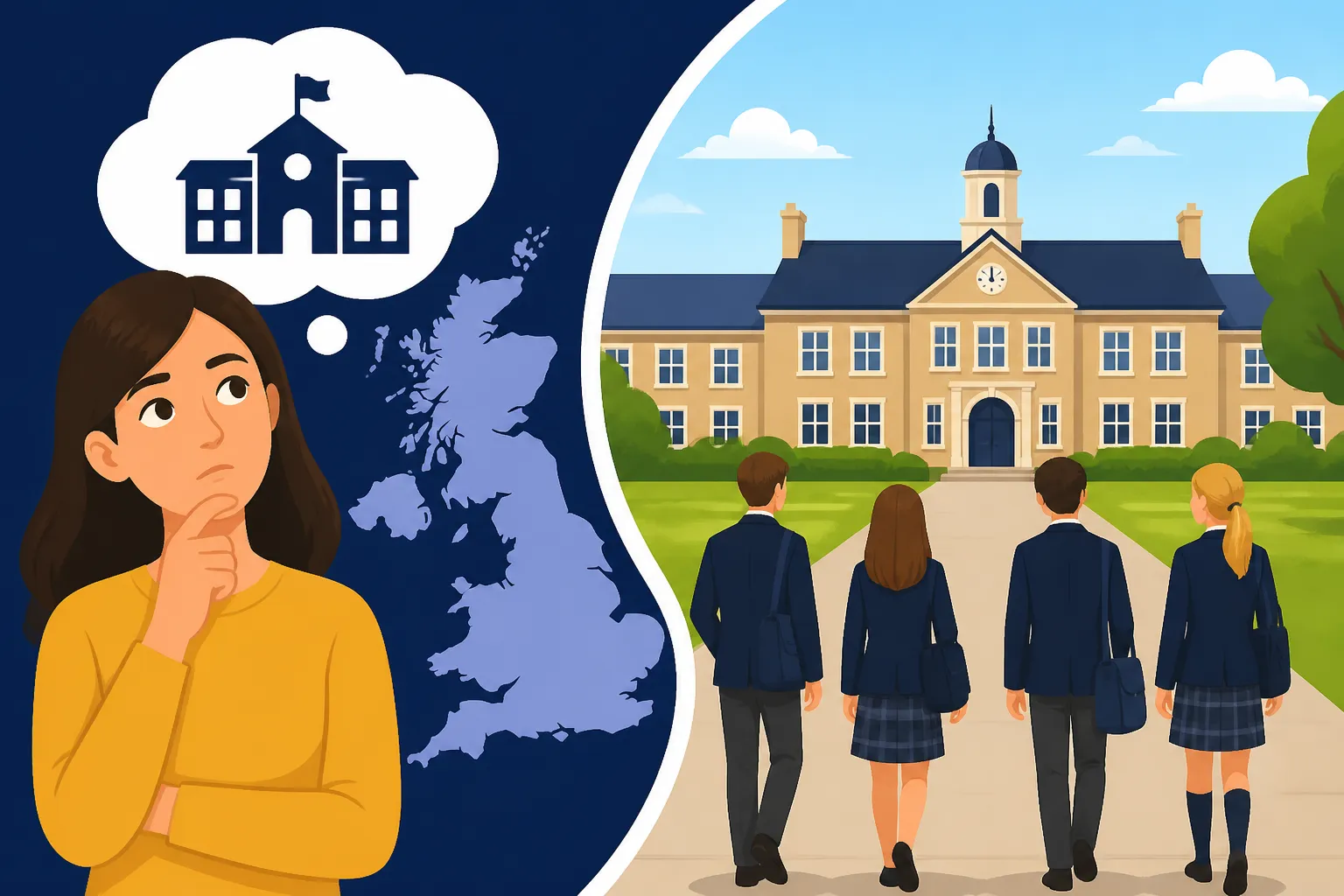
Are Private Schools Common in the UK?
One of the biggest anxieties for expat families moving to the UK is definitely sorting out schools for the kids. You arrive, you're trying to figure out everything from bank accounts to where to buy a decent cuppa, and then you're hit with the complex school system. Many newcomers wonder about the private school option – are they everywhere? Are they only for the super-rich? This guide will demystify the private education landscape in the UK, helping you understand their prevalence and what they truly offer.
The Landscape of UK Private Education: More Common Than You Think?
When you first land in the UK, especially if you're coming from a country with a different education system, the idea of "private schools" might conjure up images of elite boarding schools from period dramas. While those certainly exist, the reality of private education in the UK is far more diverse and, dare I say, prevalent than many expats initially assume. It's not just about Eton or Harrow; there's a vast network of independent schools across the country catering to a wide range of academic, social, and cultural needs.
Defining 'Private' and 'Independent' Schools
Let's clear up the terminology, because even the Brits use these terms interchangeably, and it can be confusing. Essentially, 'private school' and 'independent school' mean the same thing in the UK. They are schools that are funded by fees paid by parents, rather than by the government (like state schools). This independence from government funding means they have more autonomy over their curriculum, admissions policies, staff salaries, and facilities. You might also hear the term "public school" which, confusingly, refers to a very specific, old, and often prestigious independent boarding school, like the ones mentioned earlier. For the most part, when expats refer to private education, they mean any independent, fee-paying school.
These schools range from small, local day schools with a few hundred pupils to massive boarding schools with thousands. Some are religiously affiliated, others are secular. Some focus heavily on academic rigour, pushing students towards Oxbridge and Russell Group universities, while others have a strong emphasis on arts, sports, or vocational skills. It's not a one-size-fits-all situation, and understanding this diversity is the first step to navigating the system. You might be surprised to find a perfectly good independent school nestled in your local community, far from the grand estates you might envision.
The Statistics: How Many and Where
So, are private schools common? Well, yes, to a significant degree. According to the Independent Schools Council (ISC), which represents the vast majority of independent schools, there are over 1,300 independent schools in the UK. These schools educate around 600,000 children, which accounts for about 6% of all school children in the UK. While this might seem like a small percentage overall, it's a significant figure, particularly in certain age groups and regions. For instance, in London and the South East of England, the proportion of children attending independent schools is notably higher, reflecting both the concentration of wealth and a more competitive educational landscape.
Many expats find themselves drawn to these areas, whether for work in the City of London or for the vibrant cultural scene, and naturally, this increases their exposure to and consideration of independent schools. It’s not uncommon to hear conversations in expat circles about school choices, and independent schools frequently come up in these discussions. The UK's independent school sector is robust and well-established, with many schools boasting centuries of history and tradition. Their presence is a visible part of the educational fabric, especially in affluent areas and market towns. When you're scouting around for a new home, perhaps having already planned your big move to the UK with the help of a reputable international moving service you found through a platform like Sirelo, you'll likely notice the numerous independent school signs and impressive campuses scattered throughout various neighbourhoods.
Why Expats Often Look Towards Private Schools
For many expat families, the decision to even consider private education in the UK stems from a mix of genuine perceived benefits, familiarities from their home countries, and sometimes, a bit of anxiety about navigating an unfamiliar state system. It's a significant financial commitment, so the reasons are usually well-considered, often after much discussion and research.
Perceived Advantages
The reputation of UK independent schools often precedes them globally. Many are renowned for their academic excellence, regularly topping league tables for exam results. This is a huge draw for parents who prioritise their children's university prospects and future careers. These schools often boast smaller class sizes, allowing for more individualised attention from teachers, which can be invaluable, especially for children adjusting to a new country and curriculum. My own kids, when we first moved, struggled a bit with the shift in teaching styles, and I often wished for that extra bit of one-on-one time they might have gotten in a smaller setting.
Beyond academics, the facilities at independent schools are frequently outstanding. Think Olympic-sized swimming pools, state-of-the-art science labs, professional-grade theatres, and vast sports fields. This translates into a rich extracurricular programme that spans everything from robotics clubs and debating societies to equestrian teams and full orchestral ensembles. This broad offering is particularly appealing for expat children, providing numerous avenues for them to explore new interests, develop talents, and most importantly, make friends and feel settled in their new environment. These opportunities can significantly ease the transition for children who've left behind their old social circles and hobbies. Many schools also offer the International Baccalaureate (IB) programme alongside A-levels, which can be a comfort for families who might move again internationally or prefer a broader, globally recognised curriculum. For more details on the general system, you might want to read our guide on Understanding the School System (State, Grammar, Private) in the UK.
Addressing Concerns: Cost, Exclusivity, and Adjustment
Of course, the perceived advantages come with very real considerations. The most significant barrier for most families is undoubtedly the cost. Private school fees in the UK can be eye-watering, ranging from roughly £12,000 to £30,000 per year for day pupils, and upwards of £45,000 for boarders. These figures don't even include extras like uniforms, trips, and additional lessons. This is a topic many expat parents grapple with, and it's essential to realistically assess if these costs are sustainable for your family's budget. You can get a sense of the broader financial picture by looking at resources like How Much Are Private School Fees in the UK? or our general guide on The Cost of Living in the UK for Expats (2026).
Another concern often raised is the perceived exclusivity or "bubble" effect. Independent schools can sometimes be seen as socially homogenous, potentially limiting children's exposure to a wider range of backgrounds and perspectives. While many schools are actively working to broaden their intake through bursaries and scholarships, it's a valid point for parents who value diversity in their children's upbringing. Furthermore, transitioning to a new school system, even a private one, can be challenging. Children might need time to adjust to different teaching methods, academic expectations, and social dynamics. Having a solid support network for yourself and your children, and staying connected when you're visiting potential schools or settling in – perhaps with an eSIM from a provider like Airalo – can really help bridge those initial gaps.
Understanding the Costs and Admissions Process
Once you've decided to explore private education further, the next step is to get a handle on the practicalities: how much it actually costs and what you need to do to get your child a place. This can be a labyrinthine process, differing from school to school, so prepare for some serious research and planning.
The Real Cost: Tuition Fees, Hidden Extras, and Financial Aid
Let's not sugarcoat it: private education in the UK is expensive. The headline tuition fees are just the beginning. While these fees typically cover teaching, basic textbooks, and access to core facilities, there are almost always additional costs. These can include:
- Registration and Acceptance Fees: A non-refundable fee to apply, and a larger deposit (sometimes equivalent to a term's fees) to secure a place, which may or may not be refundable against the final term's fees.
- Uniforms: Often bespoke and purchased from specific suppliers, these can run into hundreds of pounds.
- Extracurricular Activities: While many clubs are included, specialised activities like private music lessons, horse riding, or specific sports coaching will incur extra charges.
- School Trips: Day trips, residential trips, and international excursions are common and add to the bill.
- Technology: Some schools require students to have specific devices (laptops, tablets) or have additional charges for IT resources.
- Exam Fees: External examination fees for GCSEs, A-levels, or IB may not be included in the tuition.
- Pastoral Care Extras: Boarding fees, laundry services, and some medical costs for boarding students.
It's crucial to ask for a comprehensive breakdown of all potential costs when inquiring with schools. Don't be shy about it – a good school will be transparent.
However, it's not all about full fees. Many independent schools offer scholarships and bursaries. Scholarships are usually awarded for academic merit, exceptional talent in sports, music, drama, or art, and often provide a percentage reduction in fees. Bursaries, on the other hand, are means-tested financial aid, designed to help families who couldn't otherwise afford the fees. They can range from a small percentage to 100% of the fees, sometimes even covering extras like uniforms. Expats, regardless of income, should always inquire about these options. You might be surprised at the opportunities available. Understanding the difference between these types of support can make a big difference, especially when factoring in the overall Cost of a Master's Degree in the UK for older children or looking into How Much Does It Cost to Send My Child to School in the UK? more generally.
| Expense Category | Typical Annual Cost (Day School, Per Child) | Notes |
|---|---|---|
| Tuition Fees | £12,000 – £30,000 | Varies significantly by age, location (London higher), and school reputation. |
| Registration/Application | £50 – £250 (one-off) | Non-refundable fee to apply. |
| Deposit | £500 – £5,000 (one-off, may be refundable) | To secure a place, often a term's fees, may be returned when child leaves. |
| Uniform | £200 – £700 | Initial purchase, plus replacements. Can be higher for bespoke items. |
| School Trips/Activities | £100 – £1,000+ | Day trips are usually cheaper; residential/international trips significantly more. |
| Specialised Lessons | £500 – £1,500+ | Music, drama, sports coaching beyond standard curriculum. |
| Exam Fees | £100 – £500 | For GCSEs, A-levels, IB (if not included in tuition). |
| Textbooks/Materials | £50 – £200 | Some are included, others may need to be purchased. |
| Technology | £0 – £1,000 | Depends if school provides devices or mandates specific purchases (laptops, tablets). |
| Lunches | £0 – £1,000 | Some schools include, others charge separately. |
| Total Estimated Range | £13,000 – £37,000+ | This is a broad estimate for day schooling, excluding boarding and significant extra-curricular costs. |
The Admissions Process: Timelines, Entrance Exams, and Interviews
The admissions process for independent schools is notoriously competitive, especially for popular schools in desirable areas. It typically begins well in advance of the desired entry year, sometimes two or even three years beforehand.
- Research and Shortlisting: Start by identifying schools that align with your family's values, your child's needs, and your budget. Visit open days if possible, or arrange individual tours. When travelling to different cities for school visits, having reliable mobile data is key. You'll be constantly on the go, navigating, and looking up information, so an eSIM from a provider like Airalo can make sure you're always connected without hassle.
- Registration: Once you've shortlisted schools, you'll need to complete a registration form and pay a non-refundable registration fee. This places your child on the school's list of prospective pupils.
- Assessments and Entrance Exams: Most independent schools require prospective pupils to sit entrance exams, typically covering English, Maths, and sometimes Verbal Reasoning or Non-Verbal Reasoning. These exams are usually age-appropriate and designed to assess academic potential. For entry into senior schools (around age 11 or 13), these exams are a significant hurdle.
- Interviews: Many schools also conduct interviews, either with the child, the parents, or both. For children, this is often a chance for the school to gauge their personality, interests, and general suitability. For parents, it's an opportunity to discuss the school's ethos and answer any questions.
- Offers and Acceptance: If successful, you'll receive an offer of a place, usually with a deadline to accept and pay an acceptance deposit. It's common for families to apply to several schools and then choose from the offers received.
It's a demanding process, requiring meticulous planning and preparation. Many expat families invest in tutoring to help their children prepare for the entrance exams, acknowledging that the UK curriculum might differ from what their child is used to.
Making the Right Choice for Your Family
Choosing a school is one of the most personal and impactful decisions you'll make as an expat parent. It’s about more than just league tables and facilities; it’s about finding a community where your child will thrive, feel supported, and grow into themselves.
Factors Beyond Academics: Boarding vs. Day, Pastoral Care, Cultural Fit
While academic results are important, they shouldn't be the sole determinant. Consider these crucial aspects:
- Boarding vs. Day School: Many independent schools offer boarding options, which can be a lifeline for expat families, especially those with demanding work schedules or who live far from the school. Boarding provides a full-time immersive experience but also means less daily contact with your child. Day schools, while offering a more traditional home life, require daily commutes and active parent involvement in school life. Weigh the pros and cons carefully, considering your family's lifestyle and your child's personality.
- Pastoral Care: This refers to the support system a school has in place for the well-being of its students. For expat children often navigating new cultures and leaving friends behind, strong pastoral care is paramount. Look for schools with dedicated pastoral teams, clear safeguarding policies, accessible counsellors, and a genuine commitment to student mental health. Ask about how they support new students, particularly those from overseas.
- Cultural Fit and Ethos: Every school has a unique culture. Some are highly traditional, others are more progressive. Some are intensely competitive, others foster a more nurturing environment. Visit schools, speak to current parents (expat parents if possible!), and try to get a feel for the atmosphere. Does it align with your family's values? Will your child feel comfortable and challenged there? A school that is a great fit for one child might be entirely wrong for another. Consider the school's approach to international students and how well they integrate diverse backgrounds. When you're making such a significant move, like deciding to move to the UK legally from abroad with your family, ensuring the school environment is a cultural match is just as important as the academic one.
- Location and Commute: Don't underestimate the daily grind. A fantastic school that requires a two-hour commute each way can quickly become a burden, impacting your child's energy and your family's quality of life. Consider your proposed living area and the proximity to potential schools. Our guide to The Best Places to Live in the UK for Expats: A Complete Guide (2027) can help you explore areas known for good schools and family amenities.
Resources and Support for Expat Families
Making this decision doesn't have to be a solo mission. There are numerous resources available to help expat families navigate the UK independent school system:
- Educational Consultants: Many independent educational consultants specialise in assisting expat families. They can help you understand the system, shortlist schools, guide you through the application process, and even arrange tutoring for entrance exams. While an additional expense, their expertise can be invaluable in saving time and reducing stress.
- Online Forums and Expat Groups: Connect with other expat parents online or through local expat groups. Their lived experiences and recommendations can offer practical insights and support. They might share stories about how to apply for a school place for your child in the UK, or even details about Understanding Maternity and Antenatal Care Under the NHS in the UK which can also influence family planning.
- School Websites and Prospectuses: These are your initial sources of information. Look beyond the glossy photos and delve into the curriculum, inspection reports (ISI reports for independent schools), and pastoral care statements.
- Open Days and Personal Visits: Nothing beats seeing a school in person. It allows you to feel the atmosphere, meet teachers and students, and ask specific questions relevant to your family. If travelling from afar, try to consolidate visits.
Ultimately, whether private schools are "common" enough to be a viable option for your family depends on your specific circumstances, budget, and priorities. What's clear is that they are a significant part of the UK's educational landscape, offering a wide array of choices for those who can access them. Take your time, do your homework, and trust your gut to find the best fit for your children's educational journey in the UK.
Disclaimer
Please note that this guide provides general information based on current understanding and publicly available data. The UK education system, fees, and admissions processes can change. We strongly recommend verifying all information with individual schools, educational consultants, or official government resources before making any decisions. We are not qualified to provide financial or educational advice.